Optimizing Oil and Gas Tank Fabrication via Advanced Plasma Kinematics
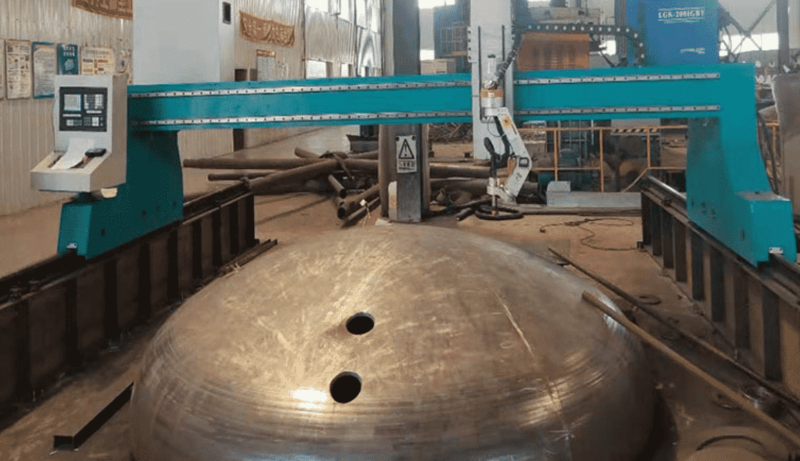
In the fabrication of large-scale storage tanks and pressure vessels for the oil and gas sector, the efficiency of primary steel processing dictates the downstream success of the entire project. High-definition Plasma Cutting has emerged as the industrial standard for processing heavy-wall carbon steel and stainless steel components. Unlike standard thermal cutting methods, a specialized Plasma Cutting Machine designed for the energy sector must address specific geometric challenges, including large-diameter pipe intersections and complex plate beveling for high-pressure containment.
The shift toward automated, high-precision thermal processing is driven by the need for tighter tolerances and reduced manual rework. For tanks that must withstand volatile organic compounds (VOCs) or high-pressure liquefied natural gas (LNG), the edge quality and metallurgical integrity of the cut are non-negotiable. Modern systems now integrate specialized software and mechanical configurations to handle these rigorous demands while maintaining a low cost-per-cut ratio.
Implementing Zero-Tailing Technology for Material Conservation
Material costs represent a significant portion of the total expenditure in tank farm construction. Traditional thermal cutting often leaves substantial “tails” or scrap ends on pipes and profiles due to the limitations of the clamping and feeding mechanisms. The introduction of zero-tailing technology has revolutionized this process by allowing the plasma torch to maintain precision at the extreme ends of the workpiece.
Mechanical Synchronization and Chuck Configuration
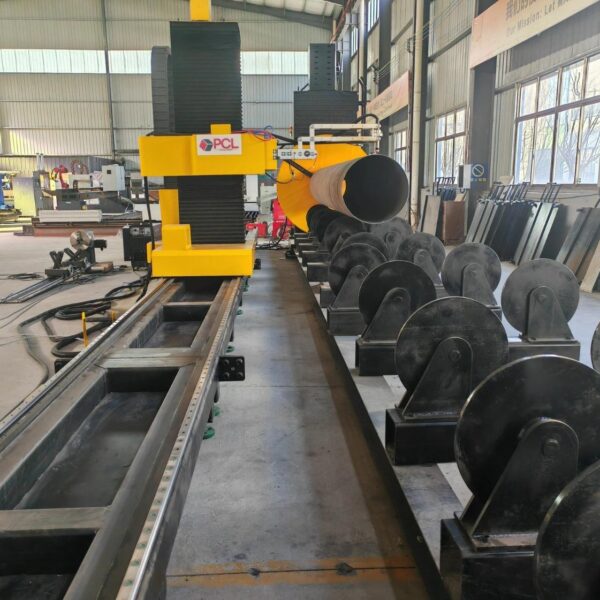
Zero-tailing is achieved through a multi-chuck system or a specialized feed-through carriage that supports the material through the entire cutting zone. In pipe processing for tank nozzles or structural supports, this allows the machine to cut profiles right up to the edge of the raw material. From an industrial engineering perspective, this increases material utilization rates by 10% to 15%, which, when scaled across a project involving hundreds of tons of steel, results in massive capital savings.
Reduction of Secondary Handling
By eliminating the need for a “grip zone” that must be discarded, the fabrication workflow is streamlined. The machine can process shorter raw material remnants that would otherwise be relegated to the scrap bin. This capability is particularly vital when working with expensive alloys used in corrosive oil and gas environments, where every millimeter of material preserved contributes directly to the bottom line.
The Criticality of Intersection Accuracy in Pressure Vessels
Oil and gas tanks are rarely simple cylinders; they are complex assemblies of shells, heads, and numerous nozzles. The intersection accuracy of these components determines the structural viability of the vessel. When a pipe intersects a curved tank shell at an oblique angle, the resulting “fish-mouth” or saddle cut must be mathematically perfect to ensure a flush fit for subsequent joining processes.
Geometric Modeling and Torch Path Compensation
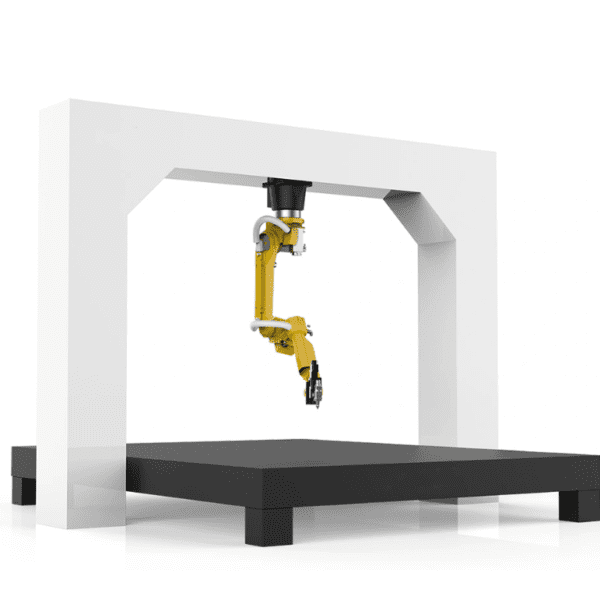
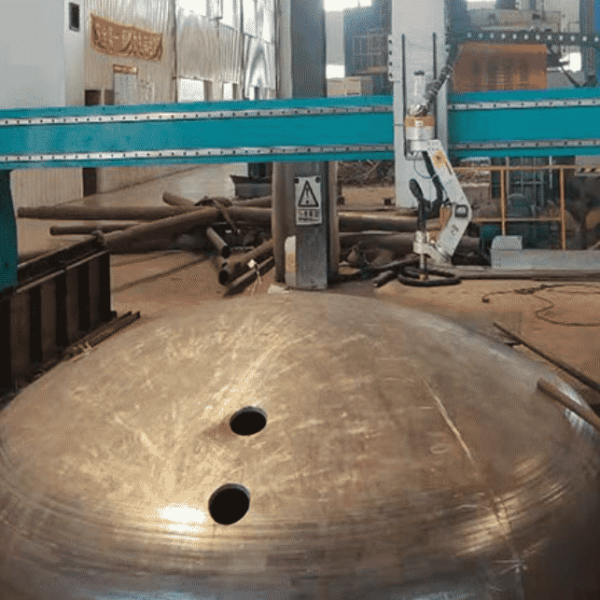
Modern plasma systems utilize 5-axis or 6-axis robotic heads governed by sophisticated CNC algorithms. These algorithms account for the thickness of the material and the varying radius of the tank shell. The software calculates the kerf width and the arc voltage to maintain a consistent distance from the workpiece, ensuring that the finished profile matches the 3D model within sub-millimeter tolerances.
Impact on Structural Integrity
Poor intersection fit-up leads to large gaps that require excessive filler metal or cause localized stress concentrations. In the context of API 650 or ASME Section VIII standards, precision is a safety requirement. High-definition plasma provides a narrow heat-affected zone (HAZ), which preserves the mechanical properties of the base metal near the intersection, reducing the risk of hydrogen-induced cracking in high-stress zones.
H-Beam Structural Integrity and Low Maintenance Design
The environmental conditions of a tank fabrication facility—often characterized by dust, smoke, and heavy mechanical vibration—demand a robust machine chassis. Many high-tier plasma systems utilize an H-beam structural foundation. This design choice is favored by industrial engineers for its high moment of inertia and resistance to torsional twisting.
Stability During High-Speed Traversal
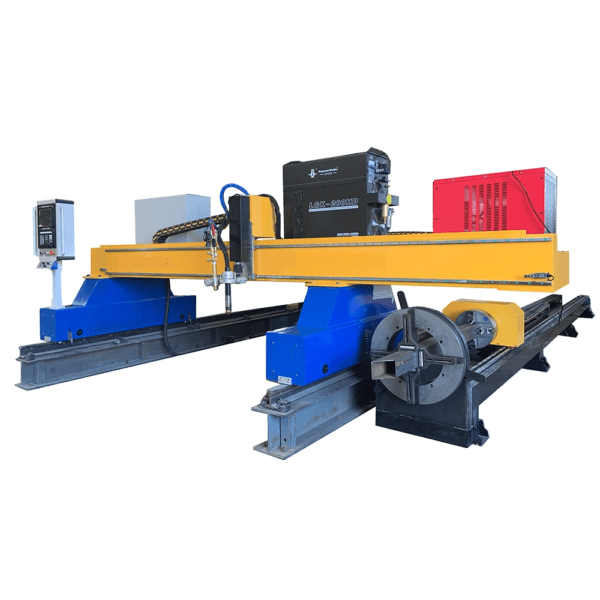
The rigidity of the H-beam rail system ensures that the gantry remains stable even during high-speed directional changes. In plasma cutting, any vibration in the gantry is translated directly into the cut surface as ripples or “chatter” marks. By using a heavy-duty H-beam track, the machine dampens these vibrations, ensuring a smooth, mirror-like finish on the cut edge that requires no grinding before fit-up.
Maintenance Cycles and Longevity
From an operational maintenance standpoint, H-beam structures with integrated linear guides offer superior longevity compared to lighter, tubular frames. The open geometry of the H-beam allows for easier cleaning and inspection of the rack-and-pinion drive systems. Because the structure is less prone to thermal deformation, the machine maintains its calibration over years of heavy use, reducing the frequency of technician interventions and preventing downtime in high-throughput production environments.
Precision Beveling for Advanced Weld Preparation
The final critical stage in tank component preparation is beveling. Most heavy-wall tanks require V, X, Y, or K-shaped bevels to allow for full-penetration welds. A multi-axis plasma machine can execute these complex bevels in a single pass, replacing the slow and labor-intensive process of manual grinding or oxy-fuel beveling.
Consistent Groove Geometry
The plasma torch’s ability to tilt and rotate dynamically allows for the creation of consistent land thicknesses and bevel angles across the entire length of a cut. For the thick plates used in the lower courses of oil storage tanks, this consistency is vital. If the bevel angle varies even by a few degrees, it can lead to weld defects or increased consumption of consumables.
Handling Variable Wall Thicknesses
As tank designs often utilize graduated plate thicknesses to save weight while maintaining pressure ratings, the plasma system must adapt. Modern CNC controls allow for “on-the-fly” adjustments to the bevel angle as the torch moves along a transition zone. This level of automation ensures that the transition between different shell courses is seamless and meets all engineering specifications for fluid dynamics and structural load distribution.
Operational Conclusion for Industrial Engineering
The integration of zero-tailing plasma cutting systems into oil and gas fabrication workflows represents a strategic shift toward lean manufacturing. By prioritizing intersection accuracy and the mechanical reliability of H-beam construction, fabricators can achieve a significant reduction in total cycle time. The ability to perform precise beveling while minimizing material waste through zero-tailing creates a competitive advantage that is essential in the high-stakes energy infrastructure market. These machines are not merely cutting tools; they are precision instruments that ensure the safety and longevity of the world’s critical energy storage assets.
-
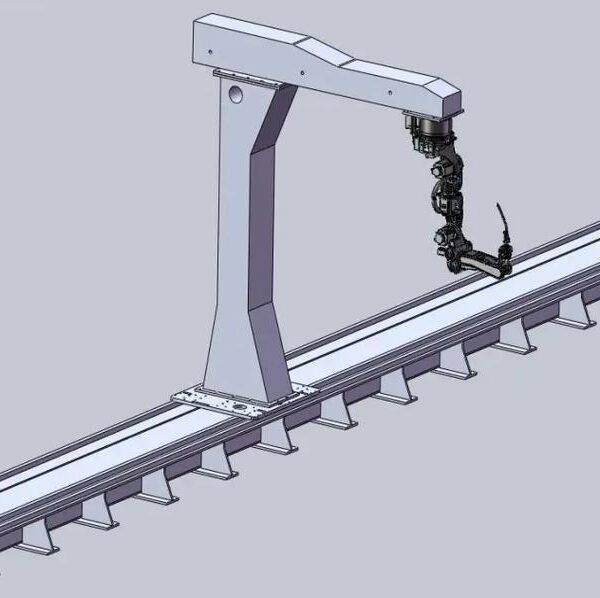

Cantilever Welding Robot solution
-
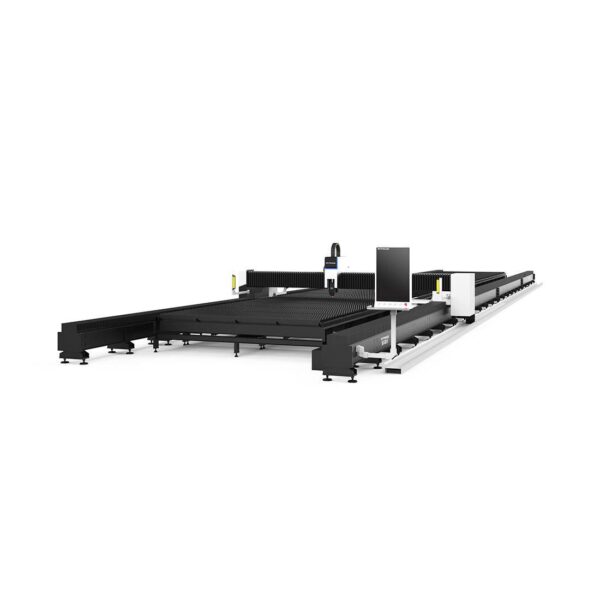

GF laser cutting machine
-
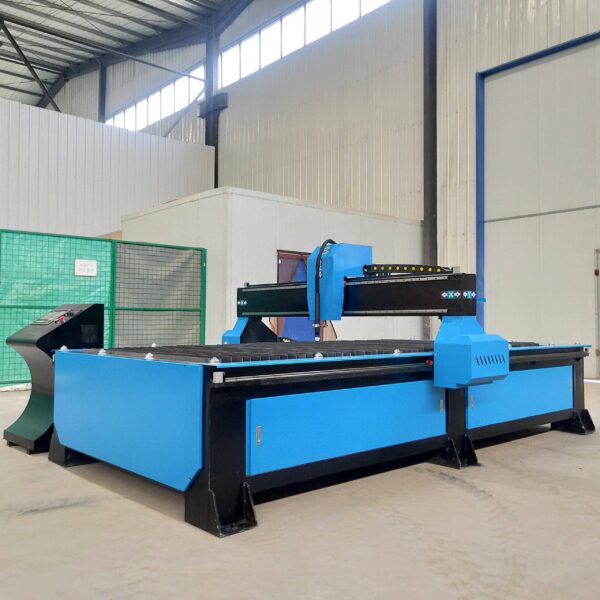
P3015 plasma cutting machine
-

LFP3015 Fiber Laser Cutter
-
pipe plasma cutting machine
-
LFH 4020 Fiber Laser Cutting Machine
-
LFP4020
-
gantry plasma air cutting machine
-
3D robot cutting machine
-
8 axis plasma cutting machine
-
5 axis plasma cutting machine
-

LT360 tube laser cutting machine
-
robot welding workstation
-
SF6060 fiber laser cutting machine
Advanced Fiber Laser Tube Processing Technology
Our CNC Fiber Laser Tube Cutting systems revolutionize metal fabrication by integrating high-precision cutting, punching, and profiling into a single automated workflow. Designed for versatility, this technology handles a wide array of profiles including Round, Square, Rectangular, and Oval tubes, as well as complex L-shaped and U-shaped channels.
- Precision Punching: High-speed hole punching with micron-level accuracy, eliminating the need for mechanical drilling or die-stamping.
- Complex Profiling: Advanced 3D pathing allows for intricate interlocking joints and specialized notch cuts, ideal for structural frames.
- High Material Efficiency: Intelligent nesting software minimizes scrap, reducing raw material costs across large production runs.
- Clean Finish: Delivers oxide-free, burr-free edges that require zero secondary grinding before welding.

Seamlessly processing multiple profiles with consistent precision.
Global Delivery & Logistics



From our high-tech manufacturing facility directly to your global site. PCL WeldCut ensures secure packaging, professional handling, and reliable international logistics to safeguard your equipment throughout the entire journey.