Optimizing Shipbuilding Fabrication through High-Precision Plasma Cutting
In the heavy industrial landscape of maritime construction, the requirement for dimensional accuracy and structural integrity is paramount. Shipbuilding involves the assembly of massive steel sections where even a millimeter of deviation can lead to catastrophic tolerance stack-up during final block assembly. The modern Plasma Cutting Machine has evolved from a simple thermal parting tool into a sophisticated CNC-driven system capable of meeting these rigorous demands. When integrated with advanced laser seam tracking, these machines provide a level of repeatability and precision that manual operations cannot match.
For an industrial engineer, the objective is to maximize throughput while minimizing the Heat Affected Zone (HAZ) and secondary processing requirements. Plasma technology remains the preferred choice for Shipbuilding due to its ability to handle thick carbon steel and stainless steel plates with high cutting speeds and relatively low operational costs. The focus on high-speed ionized gas streams allows for clean cuts through scale and rust, which are common in shipyard environments.
Laser Seam Tracking and Intersection Accuracy
One of the primary challenges in large-scale plate cutting is material deformation. Even high-grade marine steel can exhibit slight warping or surface irregularities across a 12-meter span. Traditional fixed-height torches often fail to maintain the optimal standoff distance, leading to kerf variations and poor edge quality. Laser seam tracking addresses this by using a non-contact optical sensor that scans the material surface ahead of the plasma arc.
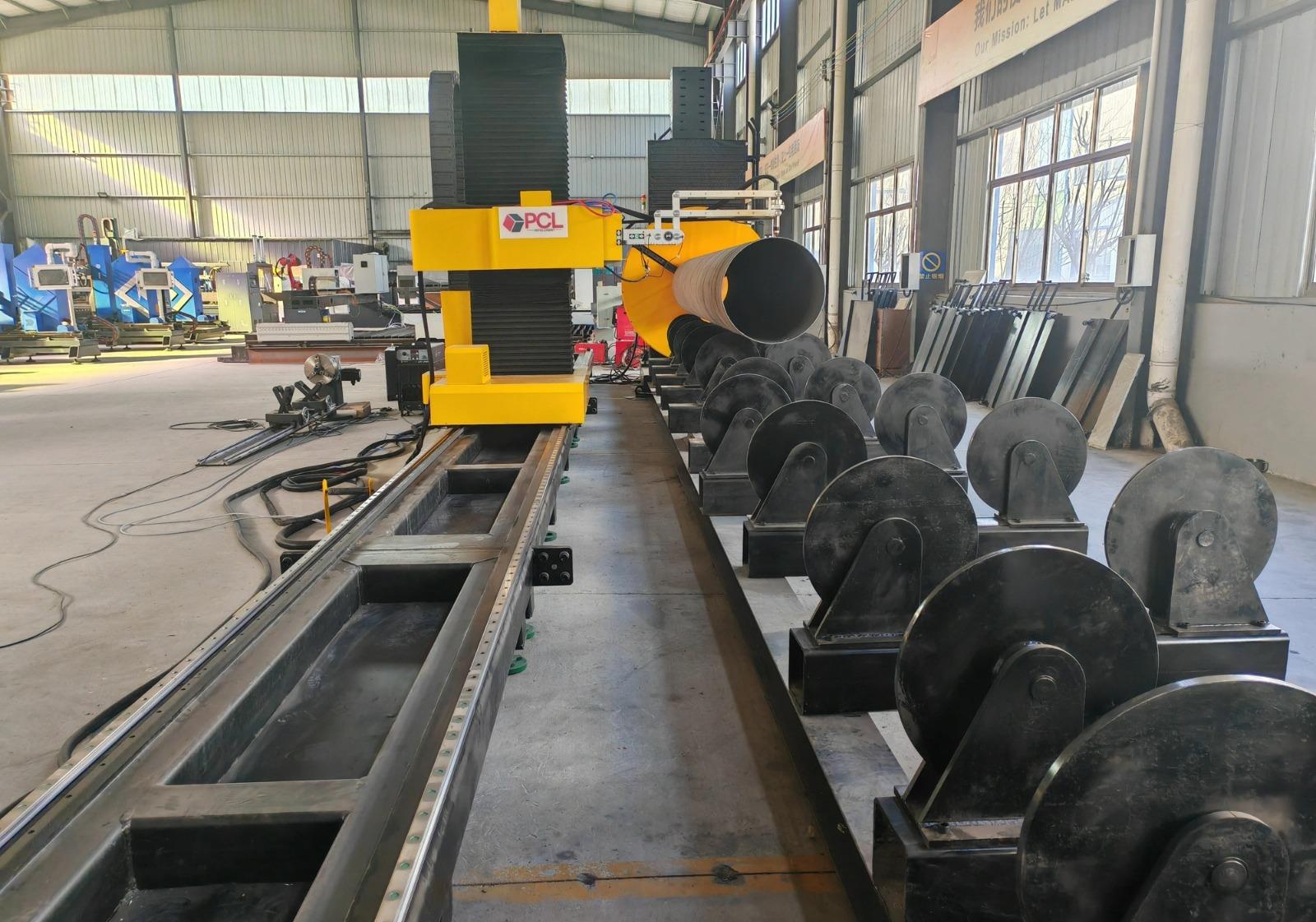
This real-time data allows the CNC controller to adjust the Z-axis (height) and XY-pathing instantaneously. In shipbuilding, where complex intersections between longitudinal frames and transverse bulkheads are common, this accuracy is critical. High-precision intersection cutting ensures that joints fit perfectly during the fit-up stage. By utilizing laser sensors to identify the exact position of the plate or structural member, the system compensates for physical deviations, ensuring that the programmed path matches the actual material geometry. This level of intersection accuracy reduces the need for gap-filling during subsequent assembly phases, directly impacting the structural soundess of the hull.
Structural H-Beam Processing and Low Maintenance Requirements
Beyond flat plate processing, shipbuilding relies heavily on structural profiles, particularly H-beams, I-beams, and bulb flats. Processing these members requires a machine capable of multi-axis movement to navigate flanges and webs. Industrial engineers prioritize shipbuilding automation that offers high uptime. Plasma systems designed for H-beam profiling are engineered for high duty cycles in harsh conditions.
Unlike more delicate optical cutting methods, plasma torches are robust. The maintenance profile for a plasma-based H-beam cutter is focused on consumable management—nozzles, electrodes, and shields—which can be replaced in minutes without specialized technical intervention. This “low maintenance” characteristic is vital for shipyards operating 24/7. Modern plasma power sources also feature self-diagnostic tools that predict consumable end-of-life, preventing unplanned downtime during a critical production run. The mechanical simplicity of the plasma torch, compared to complex lens systems, ensures that the machine remains operational even in high-dust, high-vibration environments typical of naval fabrication halls.
Advanced Beveling for Weld Preparation
In shipbuilding, almost every cut edge requires some form of preparation to ensure deep penetration during the joining process. Bevel cutting with a plasma torch is a highly efficient method for creating V, Y, K, and X-type joints. A 5-axis or 6-axis robotic plasma head can tilt and rotate to create complex bevel angles on both straight and contoured edges.
The integration of laser tracking is particularly beneficial here. When the torch is tilted for a bevel cut, the distance to the plate changes. The laser sensor calculates the exact entry point and the projected depth, ensuring the root face (land) remains consistent across the entire length of the part. This consistency is essential for automated assembly systems that expect uniform joint geometries. By eliminating the need for secondary grinding or manual beveling, the industrial engineer can significantly reduce the labor hours per ton of steel processed.
Material Utilization and Nesting Efficiency
While the focus is often on the cutting speed, the software integration of plasma systems plays a massive role in shipyard profitability. Sophisticated nesting algorithms work in tandem with the plasma machine’s precision to minimize scrap. Because the laser seam tracking ensures the torch never strays from its path, parts can be nested more tightly. This high-precision tracking allows for “common-line cutting,” where a single cut separates two parts, further reducing gas consumption and processing time.
Engineering Considerations for Implementation
When selecting a plasma system for shipbuilding, engineers must evaluate the “duty cycle” at maximum amperage. For heavy plates (25mm and above), a 100% duty cycle is necessary. Furthermore, the integration of the laser tracking system must be seamless. The software must be able to handle “look-ahead” logic, where the sensor identifies a change in plate height or a pre-cut feature and adjusts the torch parameters before the arc reaches that point.
Environmental and Safety Standards
Modern plasma cutting tables in shipyards are often equipped with water tables or high-volume downdraft systems to manage the fumes and particulates generated during the thermal process. From an industrial engineering perspective, the choice of a downdraft system often leads to better results for laser seam tracking sensors, as it keeps the optical path clear of smoke. Regular calibration of the laser sensor ensures that the offset between the scanning point and the plasma arc remains constant, preserving the machine’s high intersection accuracy over months of continuous operation.
Conclusion: The Future of Maritime Fabrication
The synergy between robust plasma cutting and precise laser tracking represents the current “gold standard” for shipyard fabrication. By focusing on the core strengths of plasma—namely its ability to handle thick sections, its resilience in industrial environments, and its versatility in beveling—shipbuilders can achieve significant gains in efficiency. The reduction in manual rework through improved intersection accuracy and the low maintenance requirements of H-beam processing lines provide a clear ROI. As naval designs become more complex, the reliance on these automated, sensor-driven cutting systems will only increase, cementing plasma technology’s role as the backbone of modern ship construction.
-
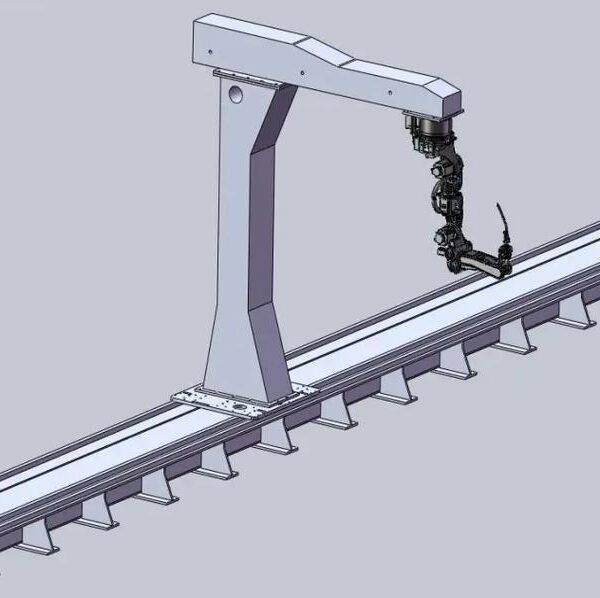

Cantilever Welding Robot solution
-

GF laser cutting machine
-
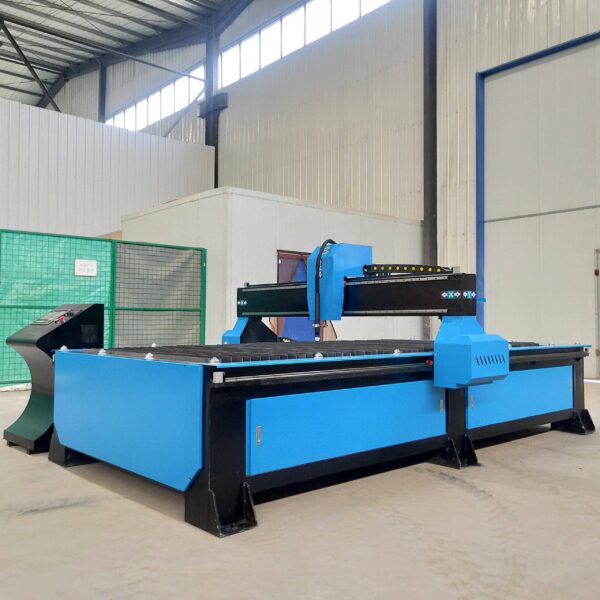
P3015 plasma cutting machine
-

LFP3015 Fiber Laser Cutter
-
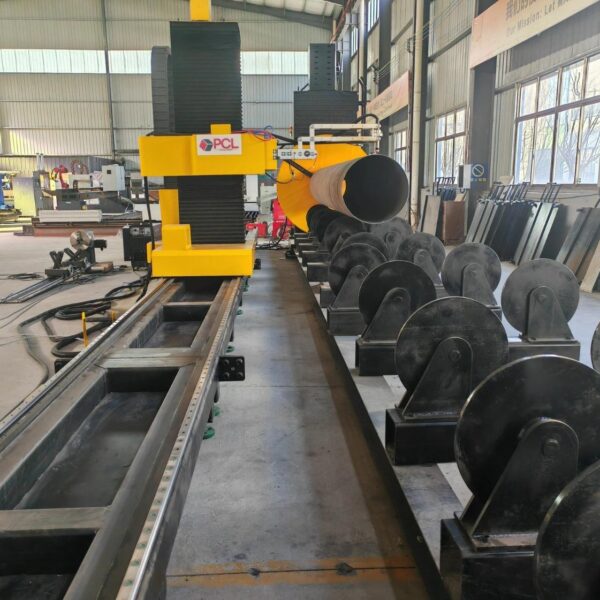
pipe plasma cutting machine
-
LFH 4020 Fiber Laser Cutting Machine
-
LFP4020
-
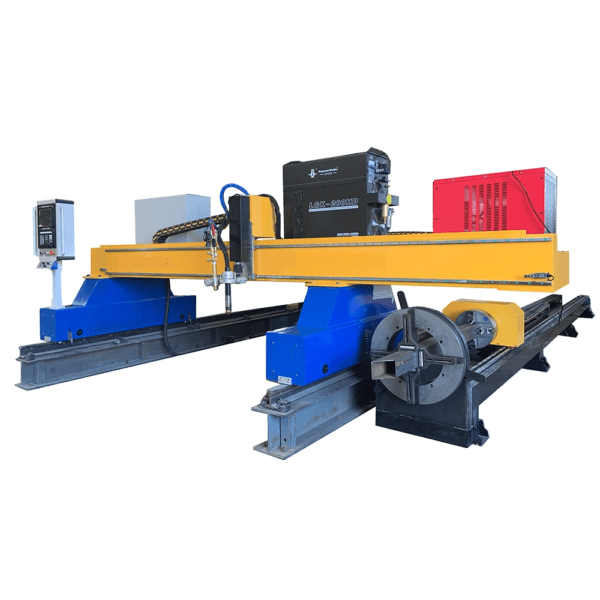
gantry plasma air cutting machine
-
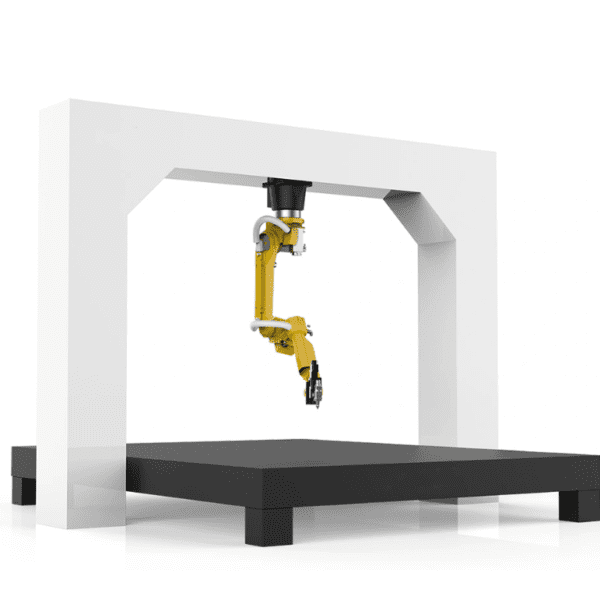
3D robot cutting machine
-
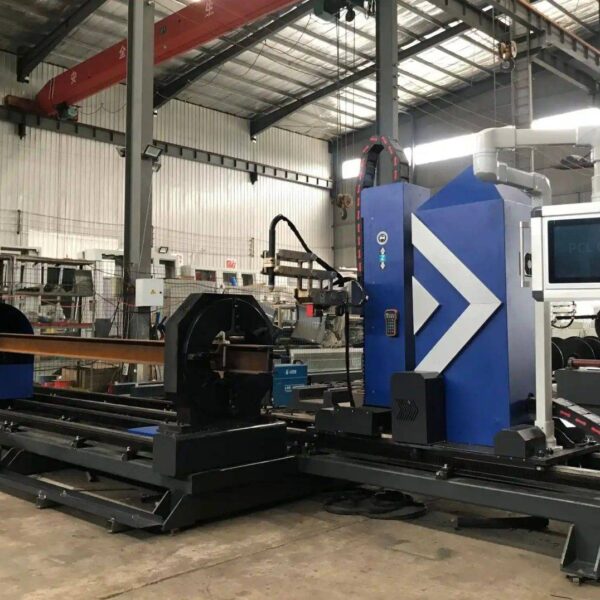
8 axis plasma cutting machine
-
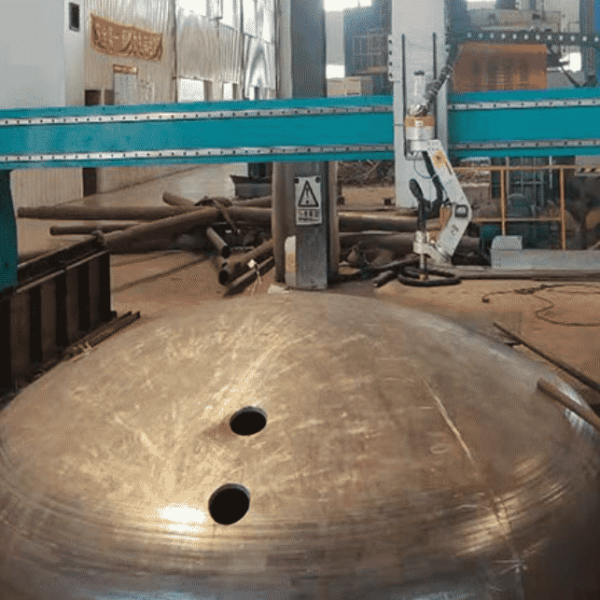
5 axis plasma cutting machine
-

LT360 tube laser cutting machine
-
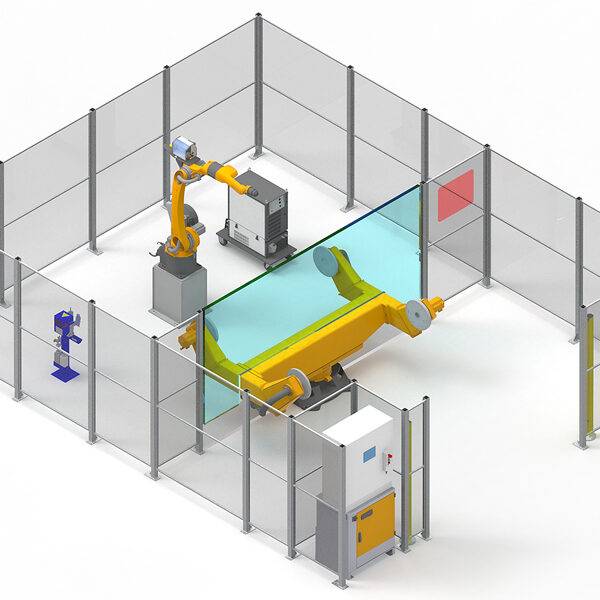
robot welding workstation
-
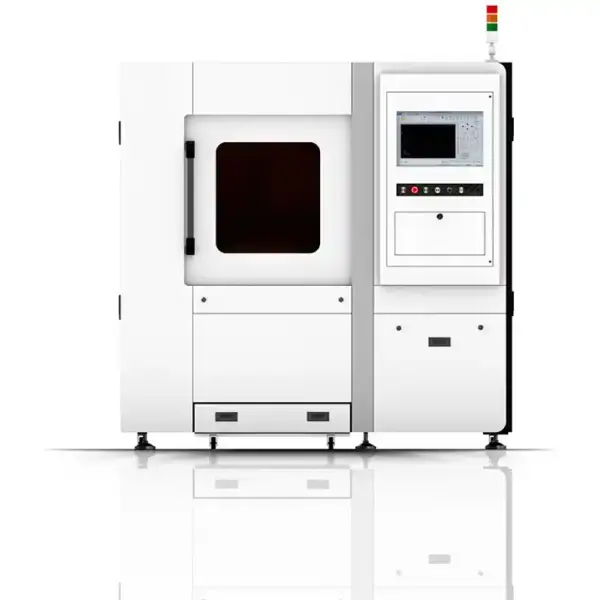
SF6060 fiber laser cutting machine
Advanced Fiber Laser Tube Processing Technology
Our CNC Fiber Laser Tube Cutting systems revolutionize metal fabrication by integrating high-precision cutting, punching, and profiling into a single automated workflow. Designed for versatility, this technology handles a wide array of profiles including Round, Square, Rectangular, and Oval tubes, as well as complex L-shaped and U-shaped channels.
- Precision Punching: High-speed hole punching with micron-level accuracy, eliminating the need for mechanical drilling or die-stamping.
- Complex Profiling: Advanced 3D pathing allows for intricate interlocking joints and specialized notch cuts, ideal for structural frames.
- High Material Efficiency: Intelligent nesting software minimizes scrap, reducing raw material costs across large production runs.
- Clean Finish: Delivers oxide-free, burr-free edges that require zero secondary grinding before welding.

Seamlessly processing multiple profiles with consistent precision.
Global Delivery & Logistics



From our high-tech manufacturing facility directly to your global site. PCL WeldCut ensures secure packaging, professional handling, and reliable international logistics to safeguard your equipment throughout the entire journey.