The Strategic Role of 5-Axis Plasma Cutting in Shipbuilding
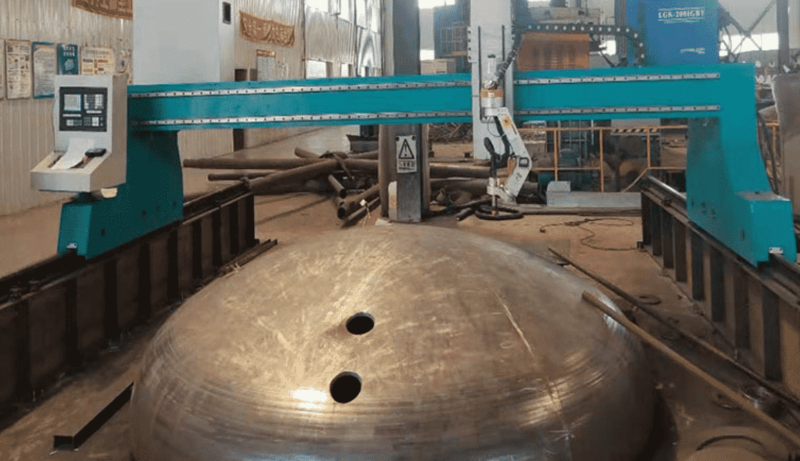
In the maritime construction sector, the ability to process thick carbon steel and specialized alloys with speed and precision is the primary driver of shipyard profitability. The Plasma Cutting Machine has evolved from a simple 2D profiling tool into a complex 5-axis system capable of executing intricate geometries required for modern hull designs and internal structural reinforcements. Unlike traditional methods, 5-axis plasma technology allows for simultaneous movement across the X, Y, and Z planes, combined with rotational (C-axis) and tilt (A-axis) capabilities. This multi-dimensional movement is essential for creating the complex weld preparations required by international maritime classification societies.
Advancements in 5-Axis Beveling Technology
Beveling is a non-negotiable requirement in shipbuilding due to the extreme thickness of the plates used in hull construction. A 5-axis plasma head facilitates various bevel types—including V, A, Y, X, and K cuts—in a single pass. This capability eliminates the need for manual edge preparation using hand-held grinders or secondary oxy-fuel tractors, which are prone to human error and inconsistent angles.
Precision Weld Prep and Angle Consistency
The 5-axis beveling head utilizes advanced CNC algorithms to maintain a constant torch-to-workpiece distance, even when the torch is tilted at an extreme angle. This is achieved through real-time voltage sensing and mechanical height control. For shipbuilders, this means that the bevel angle remains consistent across the entire length of a 20-meter plate, ensuring that when the plates are brought together for joining, the root gap is uniform. This uniformity reduces the volume of filler metal required and ensures deep penetration during the welding phase.
Maximizing Intersection Accuracy in Complex Structures
One of the most significant challenges in shipbuilding is the intersection of structural members, such as longitudinal stiffeners passing through transverse bulkheads. These intersections require high-tolerance cutouts that match the profile of the intersecting beam. Plasma cutting systems equipped with high-definition technology provide the intersection accuracy necessary to minimize the “fit-up” time on the assembly floor.
Software Integration and Kerf Compensation
Achieving high intersection accuracy relies on the synergy between the nesting software and the plasma power source. Modern systems use sophisticated kerf compensation logic that accounts for the plasma arc’s natural taper. When cutting complex holes or “rat holes” for drainage and cable routing in structural ribs, the 5-axis head can slightly tilt to compensate for this taper, resulting in a perfectly vertical edge or a precisely angled face that matches the mating component’s geometry.
Optimizing H-Beam and Structural Steel Processing
Shipbuilding relies heavily on structural profiles, particularly H-beams, I-beams, and bulb flats. Processing these profiles with a 5-axis plasma system offers a distinct advantage over mechanical sawing and drilling. A plasma system can cut the beam to length, cope the flanges, and prep the web for welding in a single continuous operation.
Low Maintenance Profiles for Industrial Environments
From an industrial engineering perspective, H-beam low maintenance is a critical KPI (Key Performance Indicator). Plasma systems are inherently robust because they are non-contact cutting tools. Unlike mechanical saws that suffer from blade wear, tooth breakage, and fluid contamination, plasma torches only require the periodic replacement of consumables (nozzles, electrodes, and shields). In a shipyard environment characterized by dust, humidity, and vibration, the lack of high-speed moving parts in the cutting head—compared to mechanical spindles—translates to higher uptime and lower total cost of ownership.
Durability in High-Duty Cycle Operations
Modern plasma power supplies are designed for 100% duty cycles, meaning they can operate at maximum output 24 hours a day. For H-beam lines, this allows for continuous flow production. The maintenance routines are simplified to cleaning the rails and ensuring the air filtration system is removing moisture and particulates from the gas lines. This simplicity is vital for maintaining production schedules in high-pressure maritime projects.
Throughput and Economic Efficiency
The transition to 5-axis plasma cutting significantly impacts the shipyard’s bottom line by reducing “man-hours per ton.” By automating the beveling and intersection cutting, the shipyard can reallocate labor from manual grinding and fitting to high-value assembly tasks. Furthermore, the speed of plasma cutting on plates between 10mm and 50mm thick remains the industry benchmark for efficiency.
Material Utilization and Nesting
High-definition plasma systems offer narrow kerf widths, which allow for tighter nesting of parts. In shipbuilding, where material costs for specialized marine-grade steel are high, even a 2% improvement in material utilization can result in six-figure savings over the course of a vessel’s construction. The 5-axis head further enhances this by allowing “common cut” beveling, where one beveled cut serves as the edge for two adjacent parts, further reducing gas consumption and torch travel time.
Conclusion on Technical Implementation
The implementation of a Shipbuilding Steel Fabrication strategy centered on 5-axis plasma technology provides a scalable solution to the complexities of modern vessel design. By prioritizing intersection accuracy and leveraging the low-maintenance nature of plasma torches on H-beam lines, shipyards can achieve a higher degree of structural integrity with fewer secondary operations. The 5-axis beveling capability remains the most effective method for preparing thick-plate joints, ensuring that the shipyard remains competitive in a global market that demands both speed and precision.
-
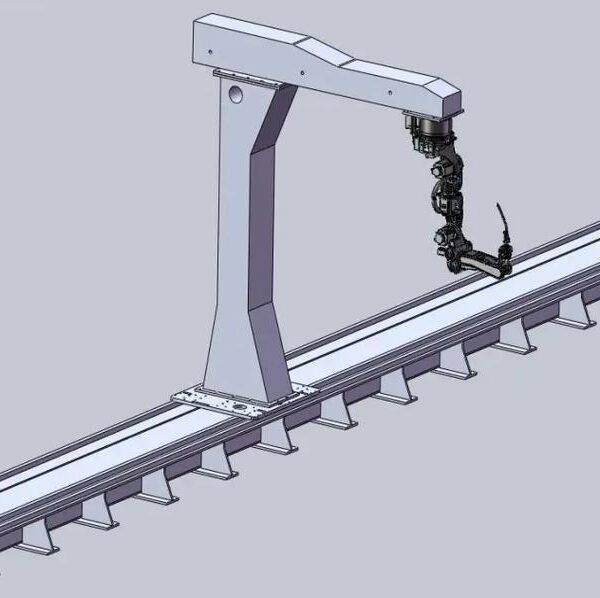

Cantilever Welding Robot solution
-
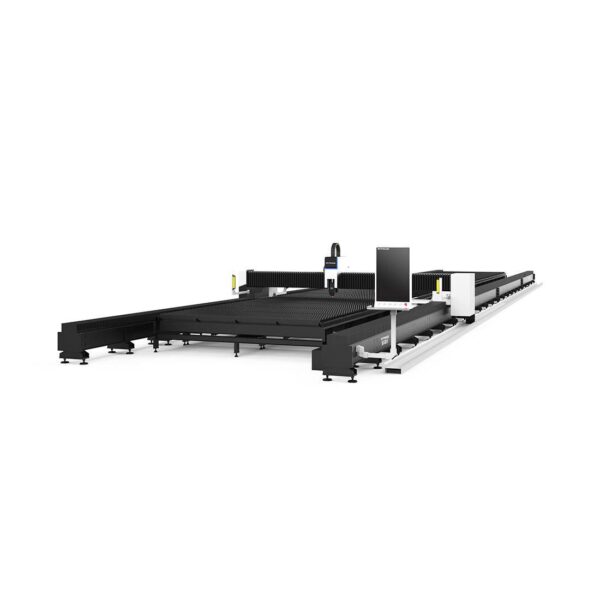

GF laser cutting machine
-
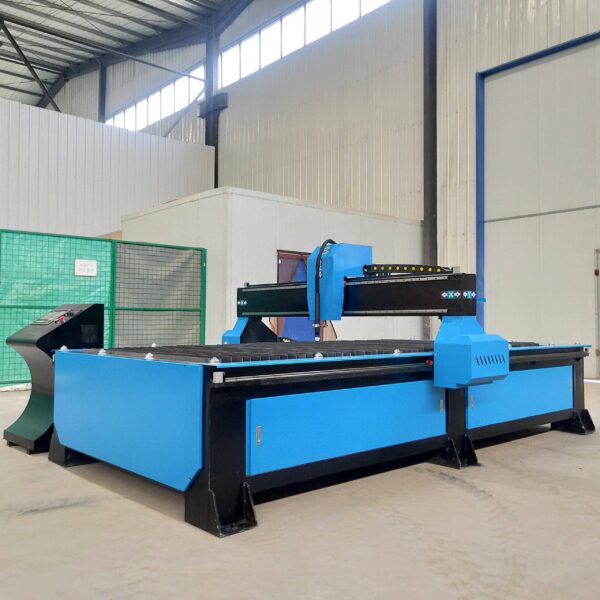
P3015 plasma cutting machine
-

LFP3015 Fiber Laser Cutter
-
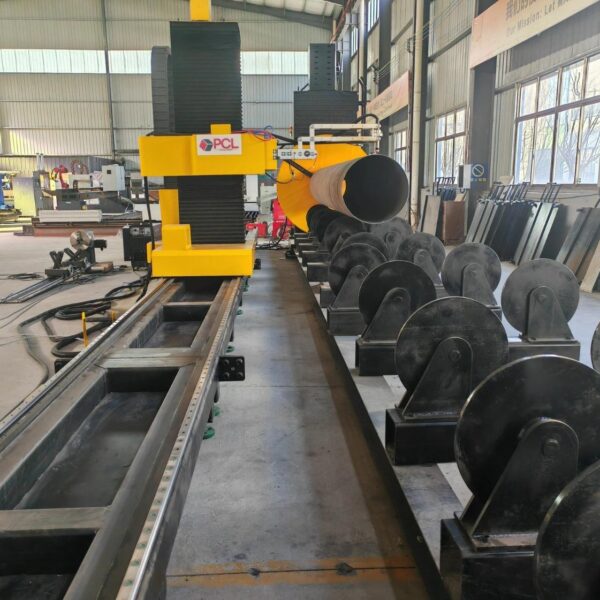
pipe plasma cutting machine
-
LFH 4020 Fiber Laser Cutting Machine
-
LFP4020
-
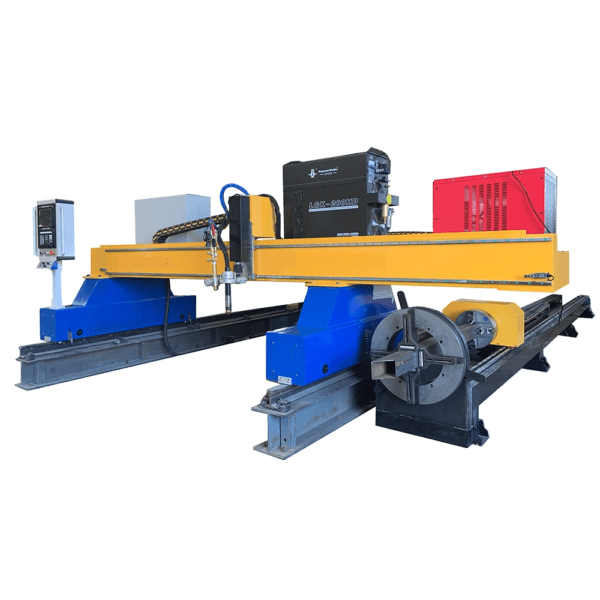
gantry plasma air cutting machine
-
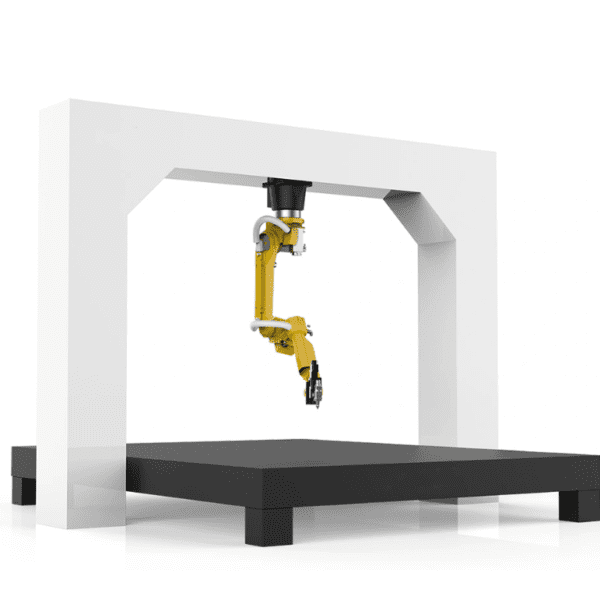
3D robot cutting machine
-
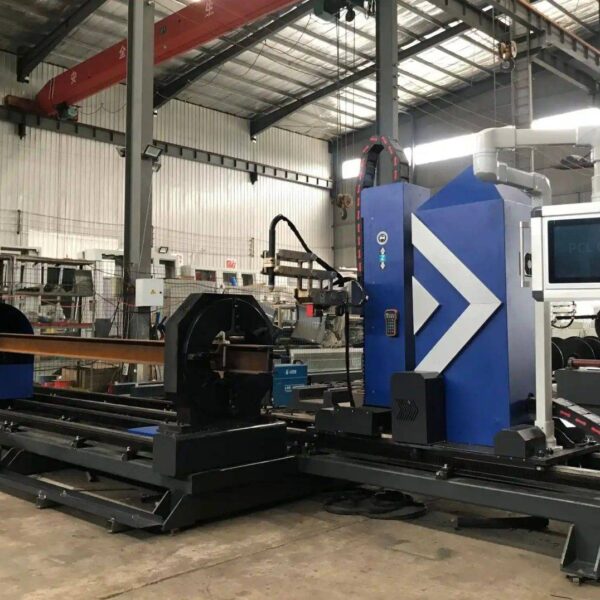
8 axis plasma cutting machine
-
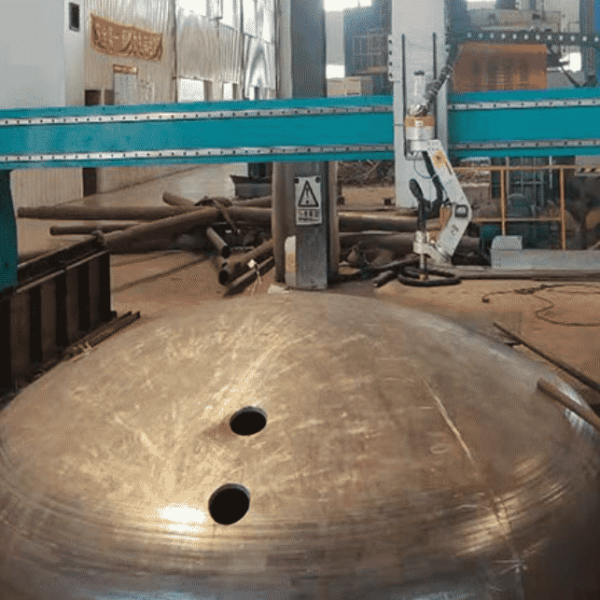
5 axis plasma cutting machine
-

LT360 tube laser cutting machine
-
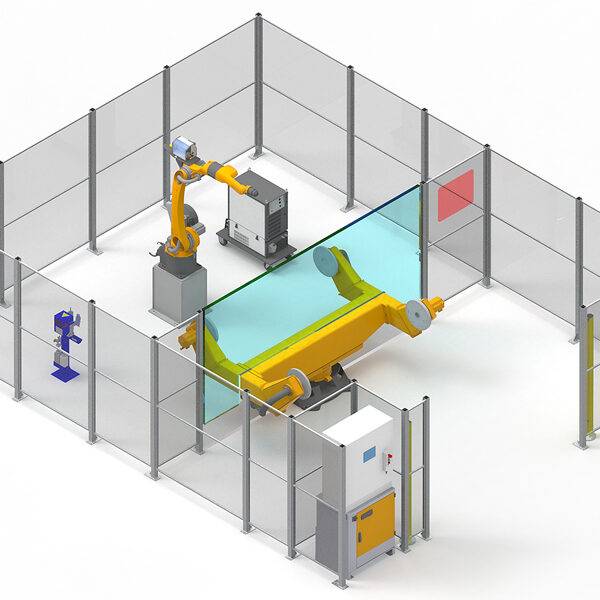
robot welding workstation
-
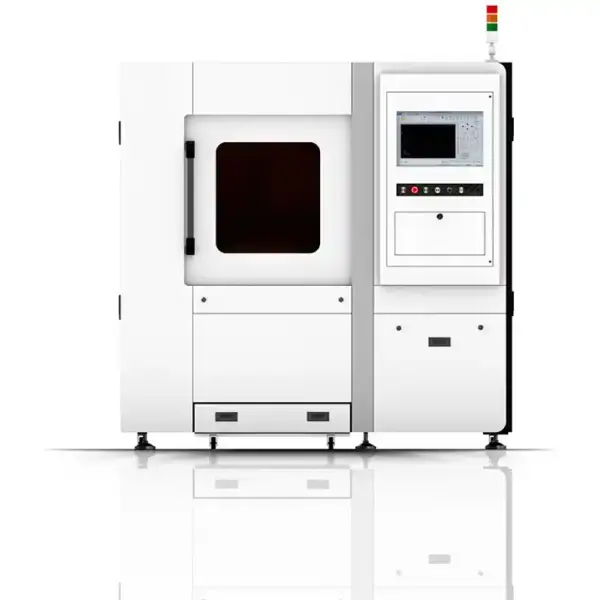
SF6060 fiber laser cutting machine
Advanced Fiber Laser Tube Processing Technology
Our CNC Fiber Laser Tube Cutting systems revolutionize metal fabrication by integrating high-precision cutting, punching, and profiling into a single automated workflow. Designed for versatility, this technology handles a wide array of profiles including Round, Square, Rectangular, and Oval tubes, as well as complex L-shaped and U-shaped channels.
- Precision Punching: High-speed hole punching with micron-level accuracy, eliminating the need for mechanical drilling or die-stamping.
- Complex Profiling: Advanced 3D pathing allows for intricate interlocking joints and specialized notch cuts, ideal for structural frames.
- High Material Efficiency: Intelligent nesting software minimizes scrap, reducing raw material costs across large production runs.
- Clean Finish: Delivers oxide-free, burr-free edges that require zero secondary grinding before welding.

Seamlessly processing multiple profiles with consistent precision.
Global Delivery & Logistics



From our high-tech manufacturing facility directly to your global site. PCL WeldCut ensures secure packaging, professional handling, and reliable international logistics to safeguard your equipment throughout the entire journey.