Optimizing Heavy Fabrication: The Strategic Role of 5-Axis Plasma Systems
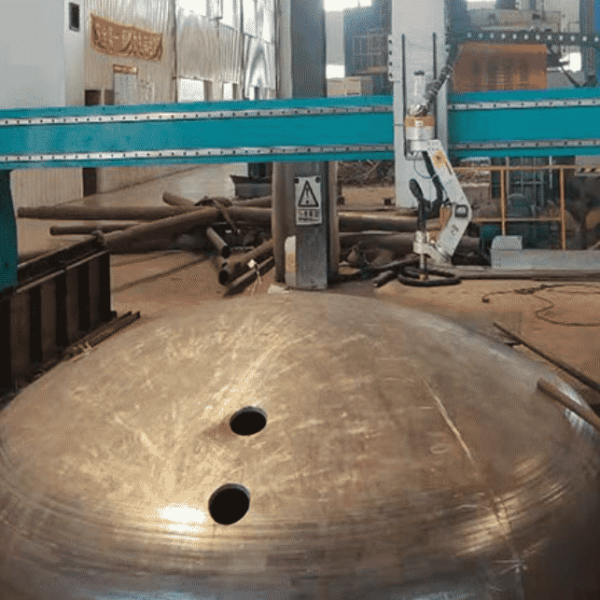
In the production of construction machinery, such as excavator frames, crane booms, and chassis components, the demand for structural integrity is absolute. Industrial engineering protocols prioritize the balance between throughput and geometric tolerance. For thick-plate steel processing, 5-axis plasma beveling has emerged as the standard for achieving complex edge geometries necessary for full-penetration welds. Unlike traditional 2D cutting, 5-axis systems utilize a specialized torch head capable of tilting and rotating, allowing for the creation of V, Y, K, and X-shaped bevels in a single pass.
The shift toward high-definition plasma technology in heavy industry is driven by the need to process large-scale workpieces without moving the material between multiple stations. By integrating the beveling process directly into the cutting cycle, manufacturers eliminate the labor-intensive secondary operations of manual grinding or edge milling. This consolidation of the workflow significantly reduces the total lead time for heavy assemblies.
Kinematics and Intersection Accuracy in Structural Steel
The core challenge in manufacturing construction machinery lies in the intersection of various structural members. Whether joining H-beams, square tubing, or thick plate reinforcements, the intersection precision of the cut components determines the fit-up quality. High-definition plasma systems utilize advanced CNC algorithms to compensate for the natural kerf taper of the plasma arc. When executing a 5-axis cut, the controller must calculate real-time coordinate transformations to ensure that the torch tip maintains the programmed focal point while the gantry moves across three-dimensional space.
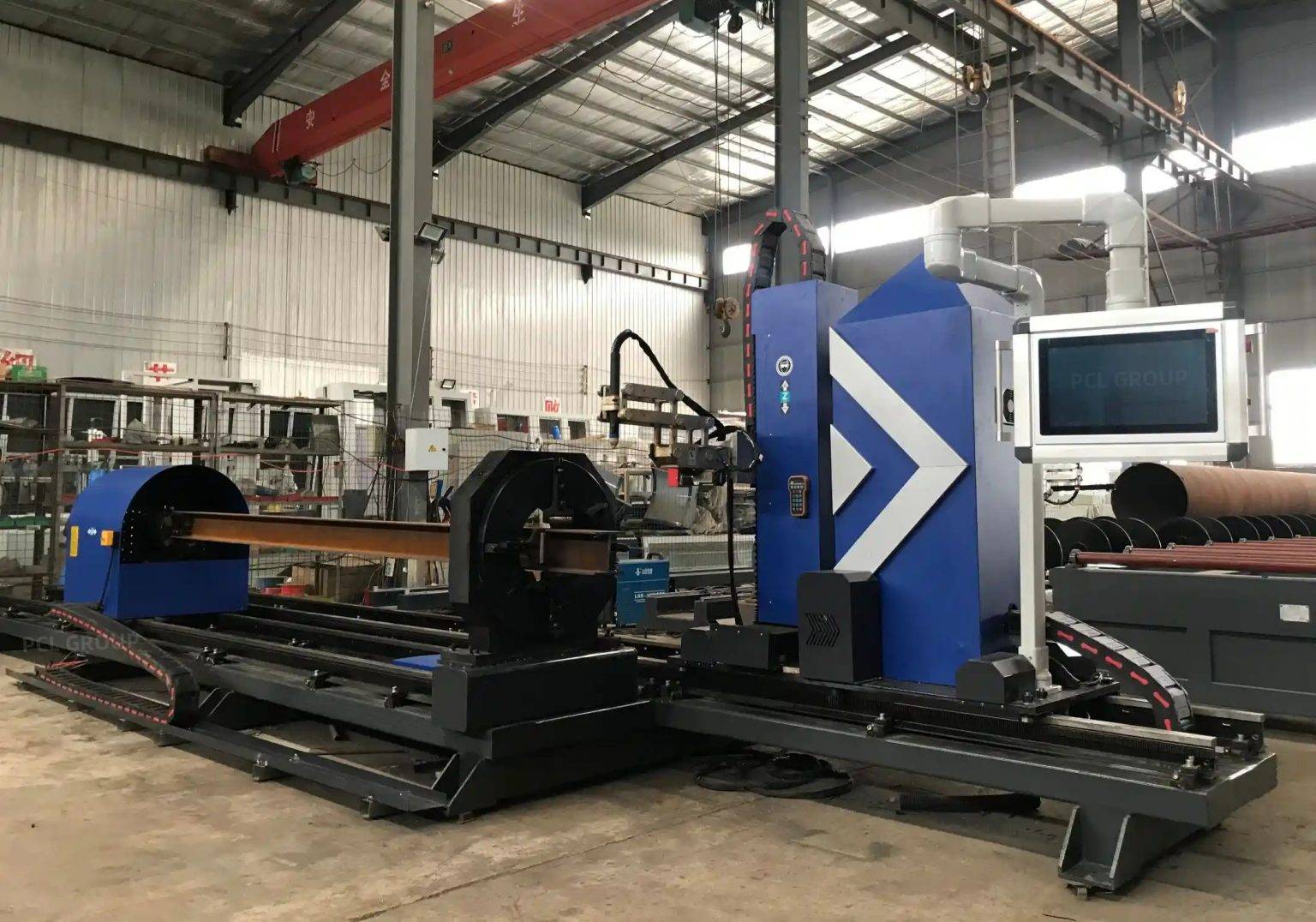
For H-beam processing, this accuracy is vital for coping cuts and bolt-hole alignment. Industrial-grade plasma machines equipped with specialized 3D rotation heads can navigate the flanges and webs of structural steel with high repeatability. By utilizing sophisticated height control sensors, the machine maintains a constant standoff distance even when encountering material surface irregularities. This consistency ensures that the intersection points between longitudinal beams and cross-members are tight, minimizing the gap that must be bridged during the subsequent joining phases.
H-Beam Processing and Low Maintenance Requirements
Efficiency in a heavy equipment shop is often measured by the uptime of the primary cutting equipment. Plasma systems designed for H-beam processing accuracy provide a distinct advantage in terms of maintenance overhead. Unlike mechanical drilling or sawing machines, which suffer from tool wear, vibration, and the need for constant lubrication, plasma is a non-contact thermal process. This eliminates the mechanical stresses on the gantry and drive systems, extending the operational lifespan of the machine’s structural components.
The maintenance profile of a plasma system is centered on the management of consumables—namely the nozzle, electrode, and swirl ring. Modern high-definition systems feature ventilated torch designs and liquid-cooling circuits that stabilize the temperature of the arc chamber. For the industrial engineer, this translates to predictable maintenance intervals and lower “cost-per-meter” metrics. Furthermore, the absence of high-torque mechanical cutting forces allows for lighter, high-acceleration gantry designs that maintain precision over years of multi-shift operation.
Beveling Dynamics for Construction Machinery Load Requirements
Construction machinery is subjected to extreme cyclic loading and vibrational stress. Therefore, the weld preparation must be flawless. Construction machinery fabrication requires deep-penetration edge profiles that are often non-linear. A 5-axis plasma head can follow a contoured path while simultaneously changing the tilt angle. This capability is essential for components like swing platforms or boom sections where the geometry changes along the length of the part.
The software integration for 5-axis beveling uses nesting logic that accounts for the “swing” of the torch head. This ensures that the beveling action does not interfere with adjacent parts on the plate, maximizing material utilization. From an engineering standpoint, the ability to program varied bevel angles on a single workpiece allows for the optimization of the joint design based on the specific stress distribution of the machine component.
Thermal Management and Material Integrity
A common concern in thermal cutting is the Heat Affected Zone (HAZ). Industrial plasma systems mitigate this by utilizing high-velocity gas flows and precisely controlled arc voltages. By increasing the cutting speed and concentrating the energy density of the plasma jet, the duration of thermal exposure to the base metal is minimized. This preserves the metallurgical properties of the high-strength low-alloy (HSLA) steels commonly used in construction equipment.
In H-beam applications, maintaining the structural integrity of the web-to-flange transition is critical. Plasma Cutting allows for “radius-corner” coping, which reduces stress concentrators compared to square-cut mechanical methods. The precision of the plasma arc ensures that the removal of material is localized, preventing warping or distortion of long-span beams, which is a common issue with lower-quality thermal cutting processes.
System Integration and Digital Workflow
The modern plasma cutting environment is deeply integrated with CAD/CAM systems. For 5-axis operations, the digital twin of the part is processed through a post-processor that translates 3D geometry into G-code for the plasma gantry. This digital workflow ensures that the intersection accuracy designed in the engineering office is realized on the shop floor. Automatic gas consoles regulate the flow of oxygen, nitrogen, or H35 (argon-hydrogen) based on the material thickness and the required edge finish, further reducing the reliance on operator skill and decreasing the likelihood of rework.
By focusing on the specific needs of construction machinery—namely thick plate, complex bevels, and structural beam processing—plasma technology offers a high-ROI solution. The combination of 5-axis flexibility and low mechanical maintenance creates a robust production platform capable of meeting the rigorous tolerances of the heavy equipment industry.
Conclusion: The Industrial Engineering Perspective
From the perspective of process optimization, the selection of a 5-axis plasma cutting system is a decision to prioritize versatility and reliability. The ability to achieve high intersection accuracy on H-beams while maintaining a low-maintenance schedule provides a competitive edge in the manufacturing of construction machinery. As the industry moves toward more complex designs and higher-grade materials, the precision and efficiency of the plasma arc remain the cornerstone of heavy structural fabrication.
-
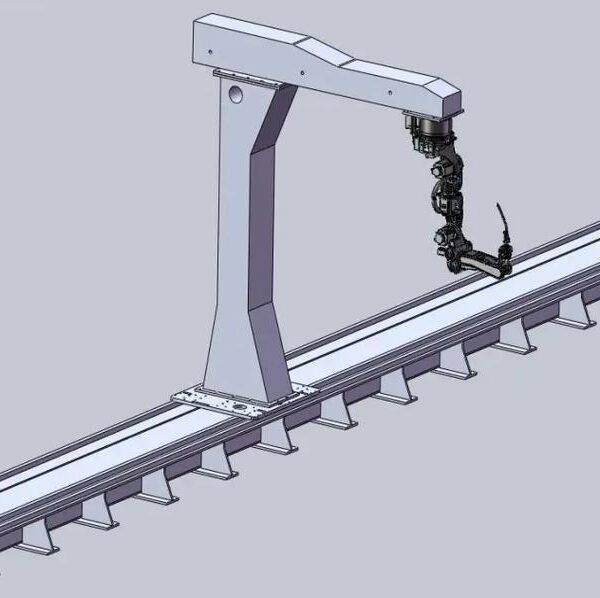

Cantilever Welding Robot solution
-
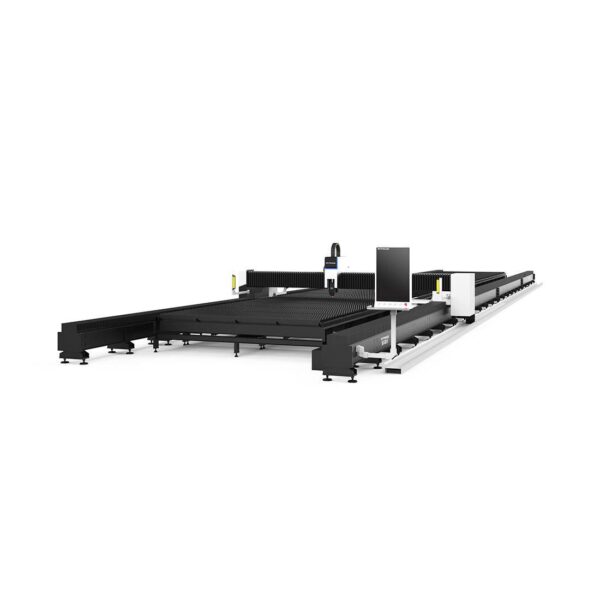

GF laser cutting machine
-
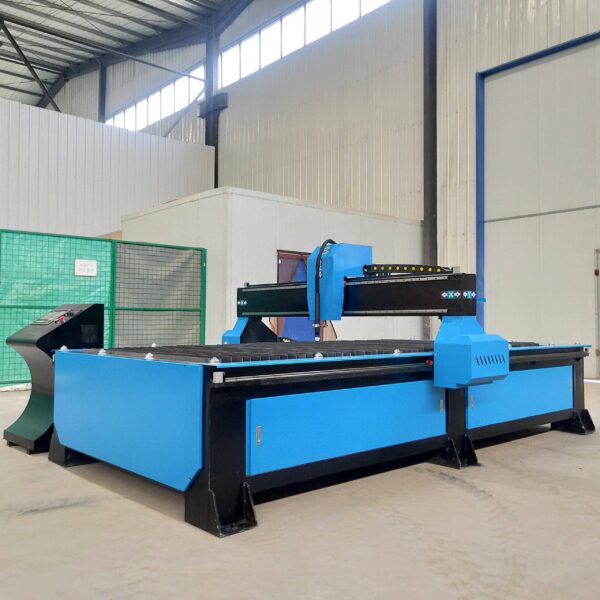
P3015 plasma cutting machine
-

LFP3015 Fiber Laser Cutter
-
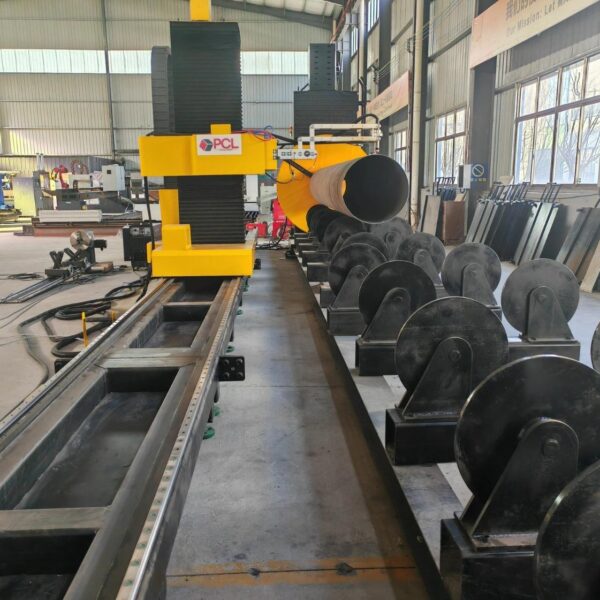
pipe plasma cutting machine
-
LFH 4020 Fiber Laser Cutting Machine
-
LFP4020
-
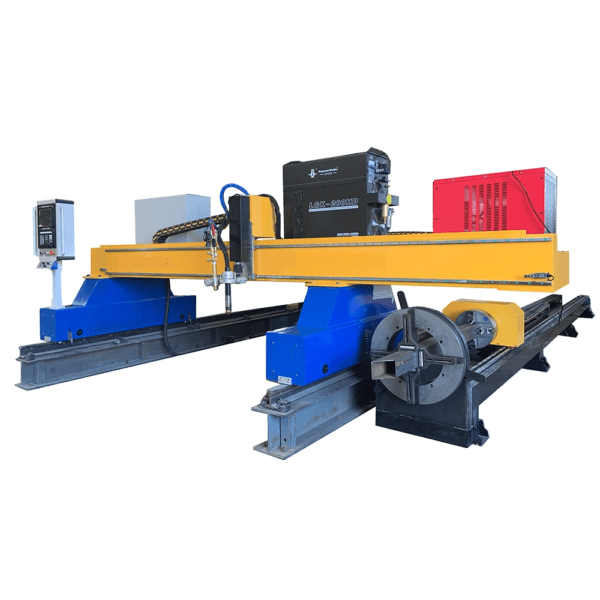
gantry plasma air cutting machine
-
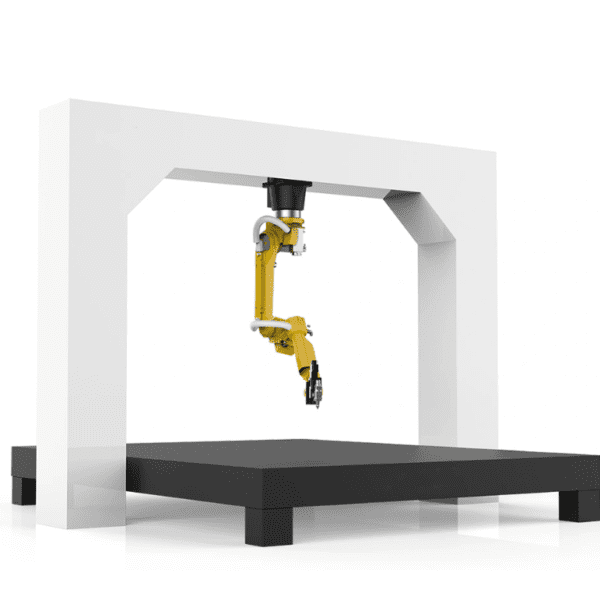
3D robot cutting machine
-
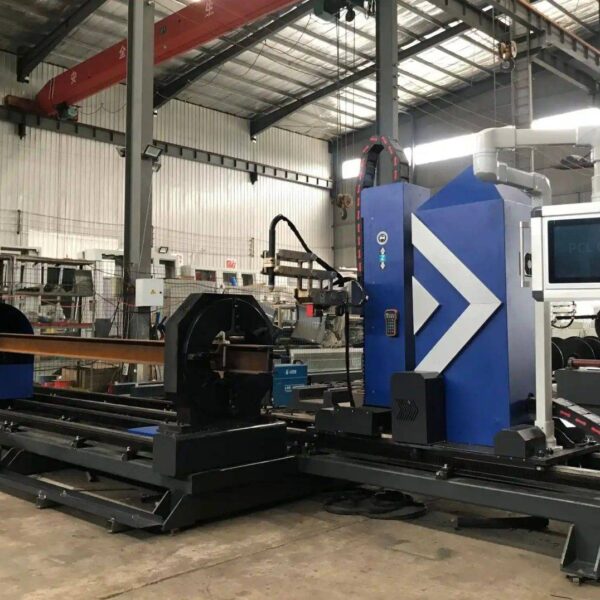
8 axis plasma cutting machine
-
5 axis plasma cutting machine
-

LT360 tube laser cutting machine
-
robot welding workstation
-
SF6060 fiber laser cutting machine
Advanced Fiber Laser Tube Processing Technology
Our CNC Fiber Laser Tube Cutting systems revolutionize metal fabrication by integrating high-precision cutting, punching, and profiling into a single automated workflow. Designed for versatility, this technology handles a wide array of profiles including Round, Square, Rectangular, and Oval tubes, as well as complex L-shaped and U-shaped channels.
- Precision Punching: High-speed hole punching with micron-level accuracy, eliminating the need for mechanical drilling or die-stamping.
- Complex Profiling: Advanced 3D pathing allows for intricate interlocking joints and specialized notch cuts, ideal for structural frames.
- High Material Efficiency: Intelligent nesting software minimizes scrap, reducing raw material costs across large production runs.
- Clean Finish: Delivers oxide-free, burr-free edges that require zero secondary grinding before welding.

Seamlessly processing multiple profiles with consistent precision.
Global Delivery & Logistics



From our high-tech manufacturing facility directly to your global site. PCL WeldCut ensures secure packaging, professional handling, and reliable international logistics to safeguard your equipment throughout the entire journey.