Field Report: Implementing High-Speed Laser Welding Cobots in Ho Chi Minh City
This report details the technical deployment and optimization of a 1.5kW fiber-source Laser Welding Cobot system at a Tier-2 automotive and industrial fabrication facility in the Thu Duc District, Ho Chi Minh City. The primary objective was the transition from manual Metal Active Gas (MAG) welding to automated Laser Technology for high-volume Carbon Steel welding. In the humid, high-ambient temperature environment of Southern Vietnam, shifting to a cobot-led laser process presents unique metallurgical and operational challenges that differ significantly from European or North American deployments.
1. Technical Specification and Setup
The system comprises a 6-axis collaborative arm integrated with a continuous wave (CW) fiber laser source. Unlike traditional industrial robots, the Laser Welding Cobot was selected for its small footprint and the ability to work alongside technicians without extensive light-curtain infrastructure, which is a critical constraint in the densely packed workshops of Ho Chi Minh City.
Core Hardware Parameters:
- Laser Source: 1500W Ytterbium Fiber Laser (1064nm wavelength).
- Wobble Function: 0-5mm frequency adjustment to compensate for fit-up tolerances in carbon steel.
- Cooling: Dual-circuit industrial chiller (essential for HCMC’s 35°C+ ambient workshop temperatures).
- Wire Feed: Synchronized 1.2mm cold wire feeder for gap bridging.
2. The Synergy of Laser Technology and Collaborative Robotics
The integration of Laser Technology into a collaborative framework solves the “travel speed vs. consistency” paradox found in manual MAG. In a manual setup, an operator in HCMC’s humidity struggles with fatigue, leading to inconsistent torch angles and varied travel speeds. The Laser Welding Cobot maintains a constant 20-30mm/s travel speed on 3.0mm carbon steel—a pace impossible to sustain manually with high precision.
The real synergy lies in the “Lead-Through” programming. In our HCMC trials, we found that local welding technicians—skilled in manual MAG but new to robotics—could program a complex circular weld path on a carbon steel flange in under 10 minutes. By physically moving the cobot arm to waypoints, the Laser Technology is applied exactly where needed, reducing the heat-affected zone (HAZ) compared to the broad thermal input of traditional MAG.
3. Optimization for Carbon Steel Welding
Carbon Steel welding with lasers requires a different mindset than MIG/MAG. While carbon steel (specifically local grades like SS400 or A36 equivalent) is highly absorptive of the 1064nm wavelength, surface condition is paramount. In the HCMC climate, flash rust and residual oils from stamping are common.
Metallurgical Observations:
Using the Laser Welding Cobot, we achieved penetration depths of 2.5mm with a narrow bead width of only 1.2mm. However, we encountered initial porosity issues. This was traced back to the high humidity in the workshop (often exceeding 80% RH). Moisture on the surface of the carbon steel was dissociating under the high-intensity laser beam, leading to hydrogen entrapment.
Technical Adjustments for Local Conditions:
- Pre-process Cleaning: We implemented a mandatory solvent wipe-down to remove tropical humidity-induced condensation and oils.
- Shielding Gas Optimization: We switched from a standard 80/20 Argon/CO2 mix to pure Argon for the laser process to stabilize the plasma plume, though a 95/5 mix was later used to improve wetting at the toes of the weld on thicker carbon steel plates.
- Wobble Parameters: We utilized a “figure-8” wobble pattern at 150Hz. This agitated the weld pool sufficiently to allow gas escape, mitigating the porosity caused by HCMC’s ambient moisture.
4. Impact of Ho Chi Minh City’s Environment on Laser Technology
Deploying Laser Technology in Vietnam isn’t just about the welding; it’s about the infrastructure support. We learned three major lessons regarding the HCMC environment:
A. Power Stability
The power grid in industrial zones can see fluctuations. Laser Welding Cobot controllers are sensitive to voltage drops. We had to install a dedicated voltage stabilizer to prevent the fiber source from tripping during peak industrial hours (10:00 AM – 2:00 PM). Without this, the laser consistency on Carbon Steel welding fluctuated, leading to “cold spots” in the root.
B. Chiller Dew Point
The high humidity in HCMC creates a risk of condensation on the laser optics. If the chiller cools the cutting head below the dew point, water forms on the protective window. This will instantly shatter the lens when the 1.5kW beam is fired. We set the chiller to 28°C—slightly higher than standard—to stay above the dew point while still providing adequate cooling for the Laser Technology source.
C. Dust Mitigation
The workshop was an open-air design, common in District 9. Airborne particulates from nearby grinding stations are the enemy of fiber optics. We had to enclose the Laser Welding Cobot in a pressurized “clean-zone” using basic PVC curtaining and a positive-pressure fan to ensure the optical path remained pristine.
5. Comparative Analysis: Manual MAG vs. Laser Cobot
After 30 days of Carbon Steel welding on a standardized motorcycle frame component, the data favored the cobot significantly:
| Feature | Manual MAG | Laser Welding Cobot |
|---|---|---|
| Travel Speed | 8 mm/s | 25 mm/s |
| Post-Weld Cleaning | High (Spatter removal) | Zero |
| Heat Distortion | Significant (3-5mm warp) | Minimal (<0.5mm warp) |
| Consumable Cost | Low (Gas/Wire) | Medium (Lenses/Gas) |
The Laser Technology eliminated the need for secondary straightening processes, which previously took two workers full-time to correct the thermal warping caused by MAG on thin-gauge carbon steel.
6. Lessons Learned and Practical Advice
For any senior engineer looking to deploy a Laser Welding Cobot in Southeast Asia, keep these field-tested points in mind:
Focus on Fit-Up
Laser welding is unforgiving. While a MAG welder can “fill” a 2mm gap by dwelling, a laser beam will simply pass through it. We had to retrain the upstream stamping team to maintain tolerances within 0.2mm. The Laser Welding Cobot is only as good as the jigging provided. We eventually moved to pneumatic clamping to ensure the Carbon Steel welding remained consistent across shifts.
The Human Element
There was initial resistance from the local workforce, fearing the Laser Welding Cobot would replace them. The breakthrough came when we showed the welders they no longer had to endure the intense UV and heat of MAG. They became “Cobot Operators,” focusing on quality control and path optimization rather than manual labor. This upskilling is vital for the HCMC industrial roadmap.
Optical Maintenance
Check your protective windows every 4 hours. In the dusty HCMC environment, a single speck of carbon steel dust on the lens will absorb the laser energy and burn through the glass. We implemented a “clean-and-check” protocol at every tea break.
7. Conclusion
The transition to Laser Technology via the Laser Welding Cobot has redefined our production capacity in Ho Chi Minh City. By tailoring our approach to Carbon Steel welding to account for local humidity and power constraints, we achieved a 300% increase in throughput for the motorcycle component line. The synergy of precision robotics and high-energy density welding is no longer a luxury for Western markets; it is a necessity for the Vietnamese manufacturing sector to remain competitive in global supply chains.
Engineer’s Signature:
Senior Welding Engineer (Field Operations – HCMC)
-
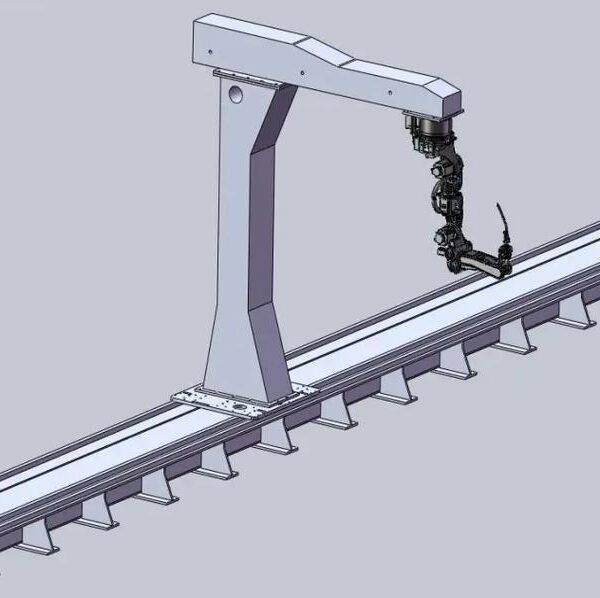

Cantilever Welding Robot solution
-
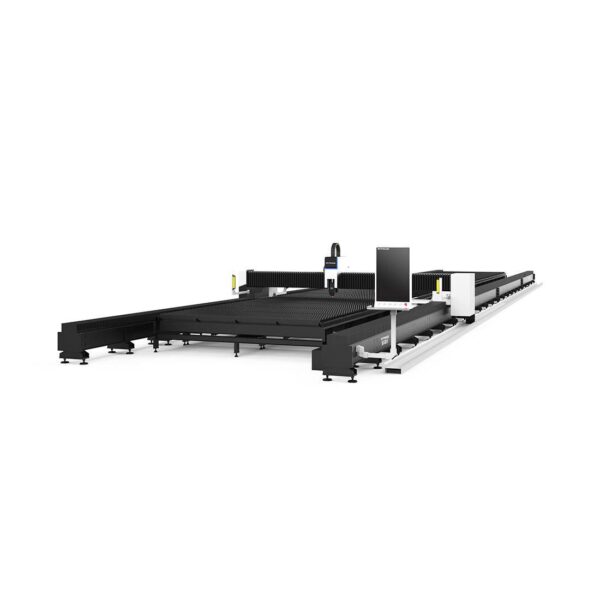

GF laser cutting machine
-
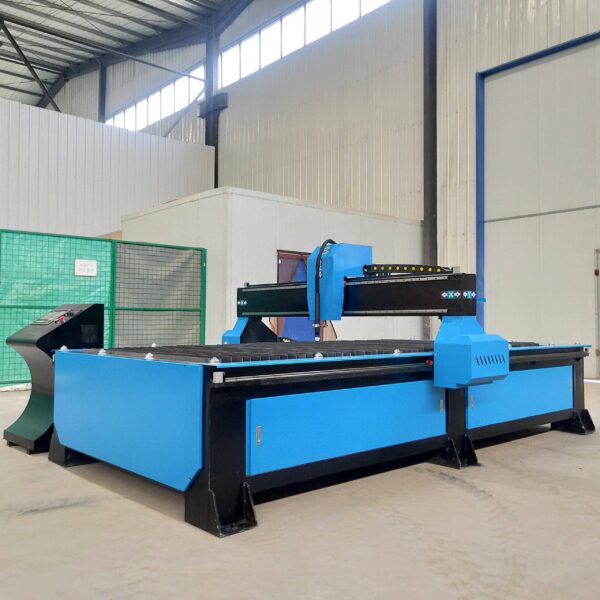
P3015 plasma cutting machine
-

LFP3015 Fiber Laser Cutter
-
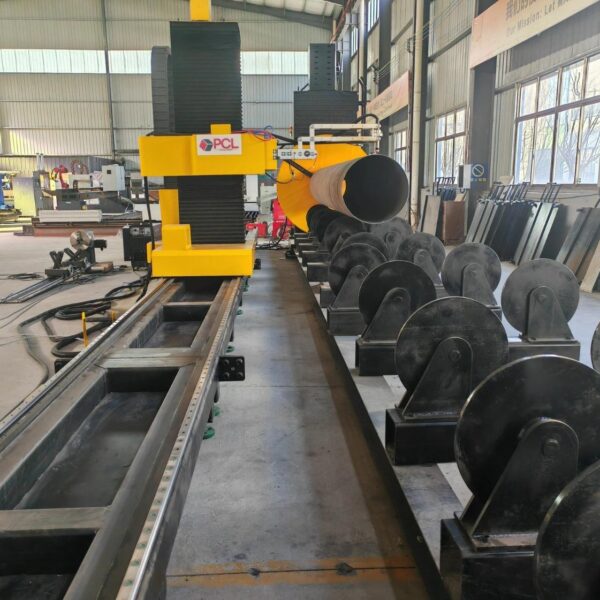
pipe plasma cutting machine
-
LFH 4020 Fiber Laser Cutting Machine
-
LFP4020
-
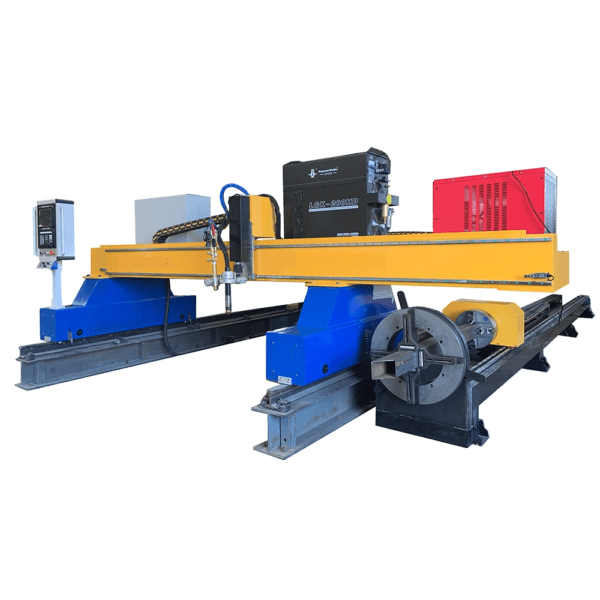
gantry plasma air cutting machine
-
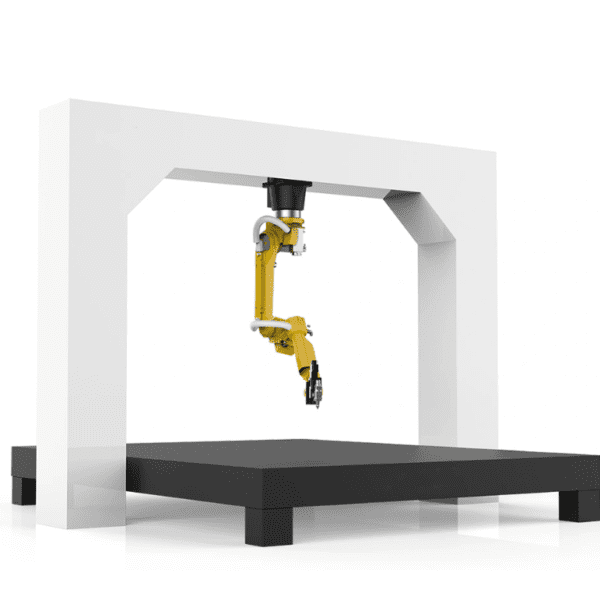
3D robot cutting machine
-
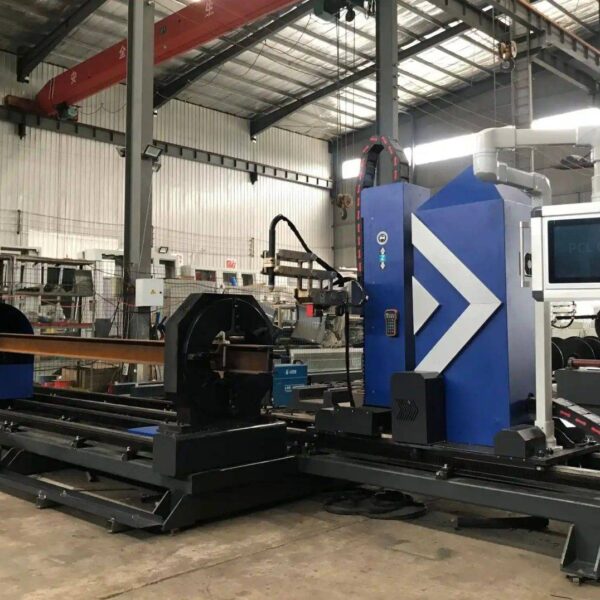
8 axis plasma cutting machine
-
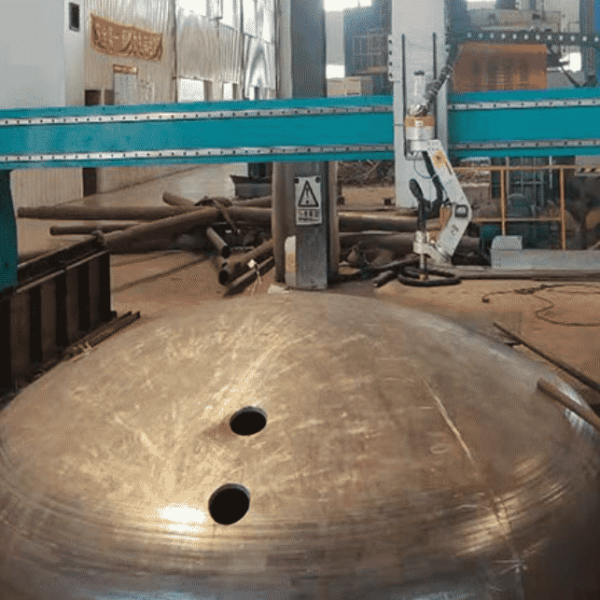
5 axis plasma cutting machine
-

LT360 tube laser cutting machine
-
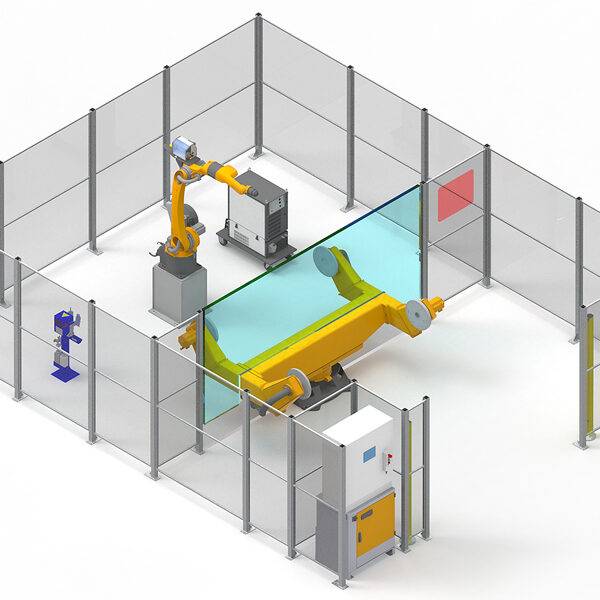
robot welding workstation
-
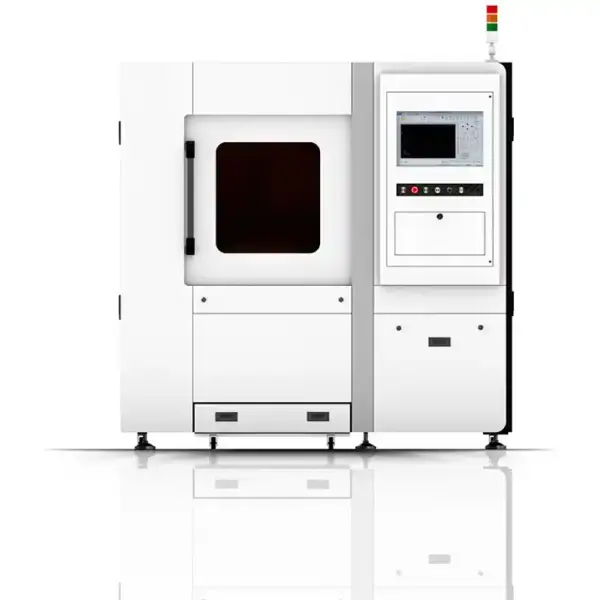
SF6060 fiber laser cutting machine
Advanced Fiber Laser Tube Processing Technology
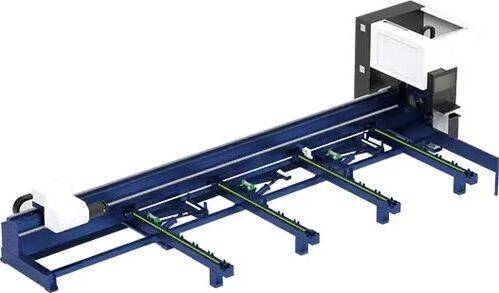
Our CNC Fiber Laser Tube Cutting systems revolutionize metal fabrication by integrating high-precision cutting, punching, and profiling into a single automated workflow. Designed for versatility, this technology handles a wide array of profiles including Round, Square, Rectangular, and Oval tubes, as well as complex L-shaped and U-shaped channels.
- Precision Punching: High-speed hole punching with micron-level accuracy, eliminating the need for mechanical drilling or die-stamping.
- Complex Profiling: Advanced 3D pathing allows for intricate interlocking joints and specialized notch cuts, ideal for structural frames.
- High Material Efficiency: Intelligent nesting software minimizes scrap, reducing raw material costs across large production runs.
- Clean Finish: Delivers oxide-free, burr-free edges that require zero secondary grinding before welding.

Seamlessly processing multiple profiles with consistent precision.
Global Delivery & Logistics



From our high-tech manufacturing facility directly to your global site. PCL WeldCut ensures secure packaging, professional handling, and reliable international logistics to safeguard your equipment throughout the entire journey.