Field Engineering Report: Heavy-Duty MAG Cobot Welder Deployment
1. Project Overview and Site Conditions
This report details the operational integration and performance validation of the heavy-duty MAG Cobot Welder at a primary structural fabrication facility located in the Ain Sebaâ industrial zone, Casablanca, Morocco. The facility specializes in the production of heavy-duty chassis and pressure vessel supports, primarily utilizing S355JR and S275JR grades. Prior to this deployment, the client relied heavily on manual Metal Active Gas (MAG) stations, which were suffering from throughput bottlenecks and inconsistent penetration profiles on multi-pass welds.
The Casablanca site presents specific environmental challenges. Being a coastal industrial hub, the high ambient humidity (often exceeding 70%) and the presence of airborne saline particulates necessitate a robust approach to material storage and shielding gas integrity. Our objective was to implement a comprehensive suite of Arc Welding Solutions that could bridge the gap between high-precision robotic automation and the flexibility required for low-volume, high-complexity Carbon Steel welding.
2. Technical Specifications of the MAG Cobot Welder
The core of the deployment is a 10kg-payload collaborative robot integrated with a 400A high-duty cycle power source. Unlike traditional 6-axis industrial robots that require extensive safety cage infrastructure, the MAG Cobot Welder was selected for its ability to work alongside human fitters in a shared workspace. This is critical in the Casablanca facility where floor space is at a premium.
2.1. Power Source and Torch Integration
The system utilizes an inverter-based power source capable of pulsed and double-pulsed MAG. For the Carbon Steel welding tasks, we calibrated the system for a 1.2mm solid wire (G4Si1 / ER70S-6). The torch is equipped with a specialized cooling neck to handle 100% duty cycles during long-seam welding on 15mm-thick plates.
2.2. Interface and Motion Control
A primary lesson learned during the first week was the importance of the “Lead-Through” programming. In a high-variability environment, the ability for a senior welder to manually move the MAG Cobot Welder to the start and end points of a fillet weld, rather than coding coordinates, reduced setup time by 65%. This “human-in-the-loop” approach ensures that the welder’s intuition regarding torch angle and standoff distance is captured by the software.
3. Implementation of Advanced Arc Welding Solutions
Success in this deployment was not merely about the robot arm; it was the synergy of the entire Arc Welding Solutions package. We moved away from standard CO2 shielding to an Argon/CO2 (82/18) mixture to stabilize the arc in high-humidity conditions.

3.1. Adaptive Arc Parameters
The “Arc Welding Solutions” software layer allows for real-time adjustments. During the initial runs on 10mm T-joints, we observed slight undercut issues due to the heat sink effect of the heavy base plates. By leveraging the cobot’s native communication with the power source, we implemented an adaptive “weave” pattern that synchronized with the pulse frequency. This resulted in a significantly flatter bead profile and superior toe-blend, reducing post-weld grinding time by nearly 40%.
3.2. Data Logging and Quality Assurance
In the Casablanca plant, traceability is a requirement for export-grade components destined for European markets. The integrated Arc Welding Solutions package logs every weld parameter—voltage, amperage, gas flow, and travel speed—indexed against the specific serial number of the component. This digital twin of the weld process allows us to identify deviations before the part even reaches the NDT (Non-Destructive Testing) station.
4. Analysis of Carbon Steel Welding Applications
The primary focus of this site remains Carbon Steel welding, specifically heavy plate fabrication. Carbon steel, while forgiving, presents challenges in terms of mill scale and hydrogen-induced cracking when working in coastal environments like Morocco.
4.1. Root Pass Penetration
For 12mm V-groove joints, we utilized the MAG Cobot Welder to perform the root pass using a modified short-circuit transfer mode. The cobot’s ability to maintain a consistent 1.5mm arc length—something a manual welder struggles with over a 2-meter seam—resulted in 100% penetration without the need for ceramic backing strips.
4.2. Managing Heat Input
Excessive heat input on S355 carbon steel can lead to grain coarsening in the Heat Affected Zone (HAZ). The precision of the MAG Cobot Welder allowed us to maintain a travel speed of 350mm/min on the fill passes, keeping the interpass temperature strictly below 250°C. This level of thermal management is virtually impossible to maintain manually over an eight-hour shift, where operator fatigue leads to slower travel speeds and excessive localized heating.
5. Casablanca Site-Specific Challenges and Solutions
Engineering in Morocco requires an understanding of local infrastructure. We encountered two primary hurdles: power grid fluctuations and shielding gas purity.
5.1. Voltage Stability
The Ain Sebaâ grid experienced voltage drops during peak industrial hours (10:00 AM – 2:00 PM). This affected the arc stability of the MAG Cobot Welder, leading to intermittent spatter. Our solution was twofold: installing a dedicated line stabilizer and utilizing the “Arc Welding Solutions” software’s secondary voltage compensation feature, which allows the inverter to adjust its output within milliseconds of a primary drop.
5.2. Shielding Gas Integrity
The high humidity in Casablanca poses a risk of moisture contamination in the gas lines, leading to porosity in the Carbon Steel welding. We replaced the standard rubber hoses with low-permeability reinforced lines and implemented a mandatory “pre-flow” cycle of 3 seconds for the MAG Cobot Welder to clear any condensation from the torch neck before arc ignition.
6. Lessons Learned and Operational Takeaways
After 500 hours of operational uptime, several key engineering lessons have emerged from the Casablanca deployment:
- Jigging is Paramount: A cobot is only as good as the fit-up. While the MAG Cobot Welder can compensate for minor deviations via touch-sensing, significant gaps in Carbon Steel welding joints lead to burn-through. We had to upgrade the facility’s clamping fixtures to ensure a tolerance of +/- 0.5mm.
- The Role of the “Cobot Technician”: We found that the best operators were not programmers, but the veteran manual welders. Once they understood that the Arc Welding Solutions were tools to augment their skill, the adoption rate plummeted the defect rate from 4.2% to 0.8%.
- Maintenance of Consumables: In the Moroccan climate, nozzle dip and anti-spatter spray are non-negotiable. The MAG Cobot Welder was programmed to perform an automated nozzle cleaning cycle every 30 minutes of arc-on time to prevent gas turbulence.
7. Synergy: The Future of Fabrication in North Africa
The synergy between the MAG Cobot Welder and the broader Arc Welding Solutions ecosystem has transformed the Casablanca facility from a manual shop to a precision engineering center. The ability to weld Carbon Steel with repeatable, aerospace-level accuracy using a collaborative system has proven that high-tier automation is viable without the complexity of traditional robotics.
The data collected over the last quarter indicates a 30% increase in overall equipment effectiveness (OEE). Moving forward, we recommend the integration of laser-seam tracking for the second phase of the project to further enhance the MAG Cobot Welder’s autonomy on warped plates. The Casablanca deployment stands as a successful blueprint for regional industrial upgrades, proving that localized challenges can be overcome with targeted technical solutions.
End of Report
Lead Welding Engineer: [Authored for Field Records]
Location: Casablanca, Morocco
Subject: MAG Cobot Welder Performance Audit
-
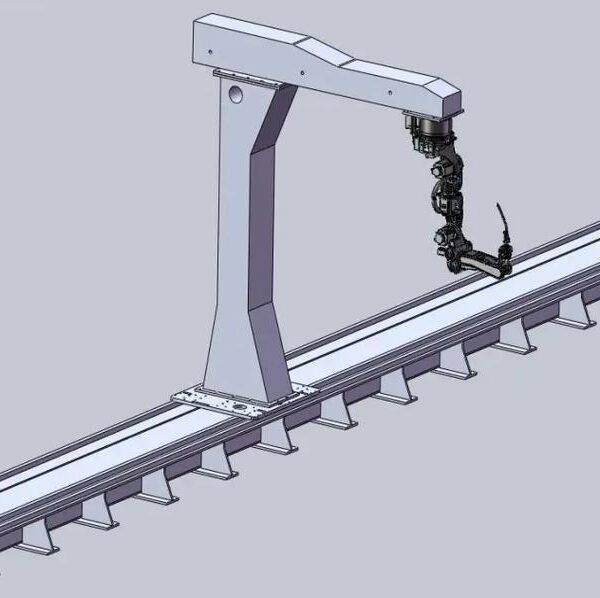

Cantilever Welding Robot solution
-
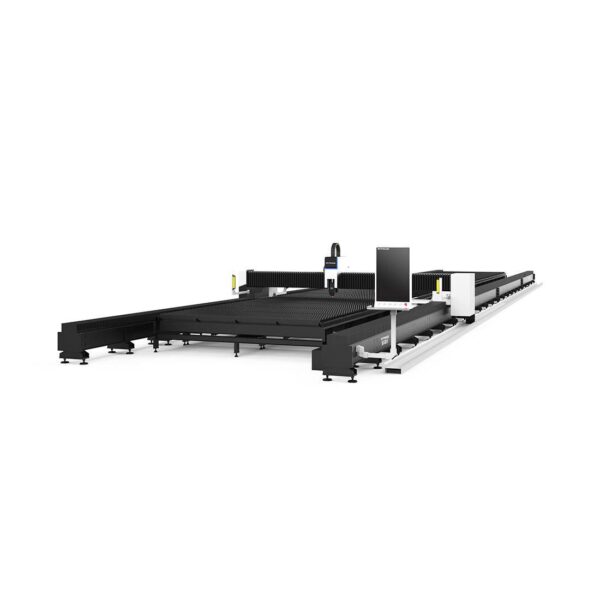

GF laser cutting machine
-
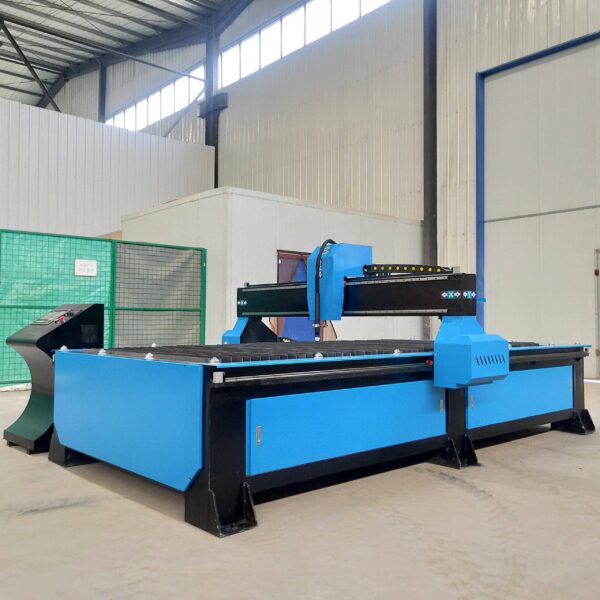
P3015 plasma cutting machine
-

LFP3015 Fiber Laser Cutter
-
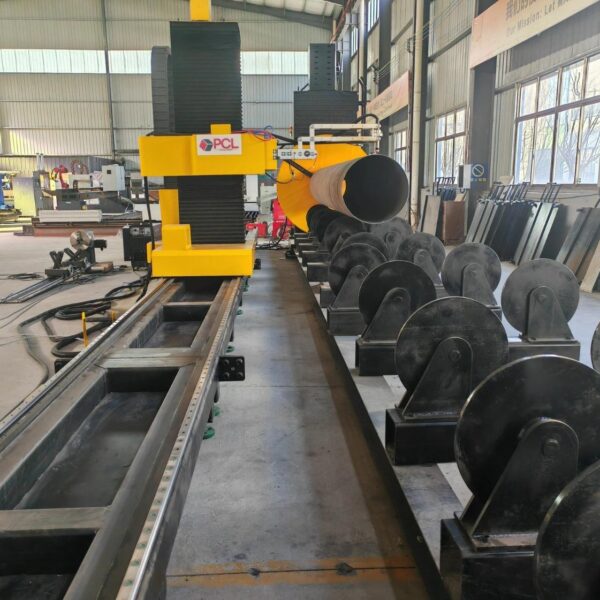
pipe plasma cutting machine
-
LFH 4020 Fiber Laser Cutting Machine
-
LFP4020
-
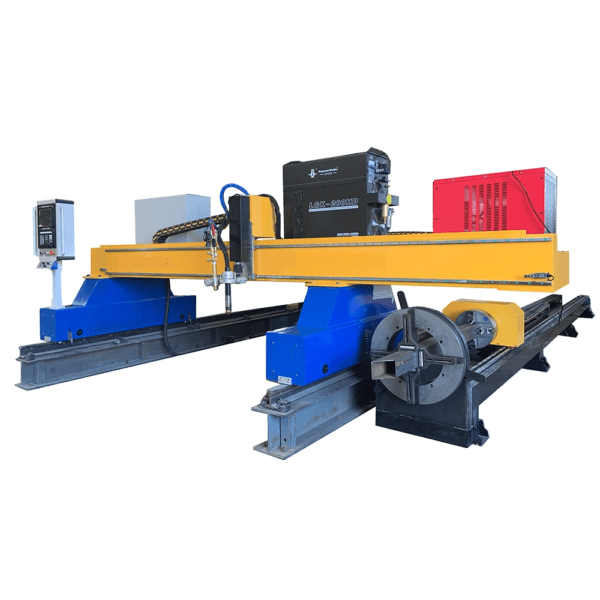
gantry plasma air cutting machine
-
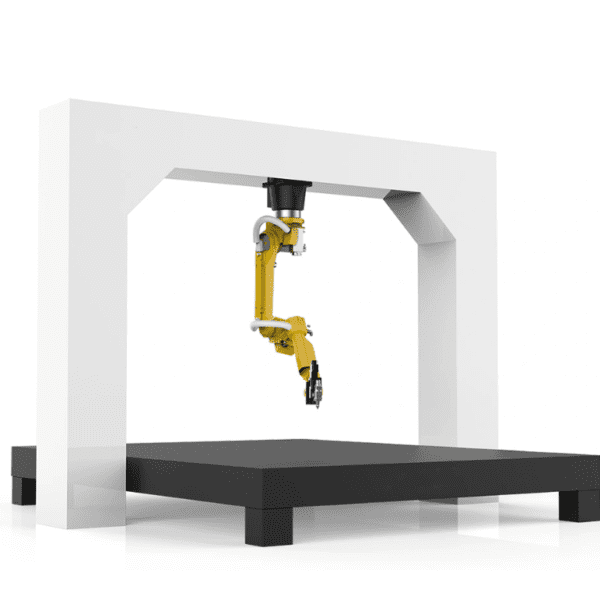
3D robot cutting machine
-
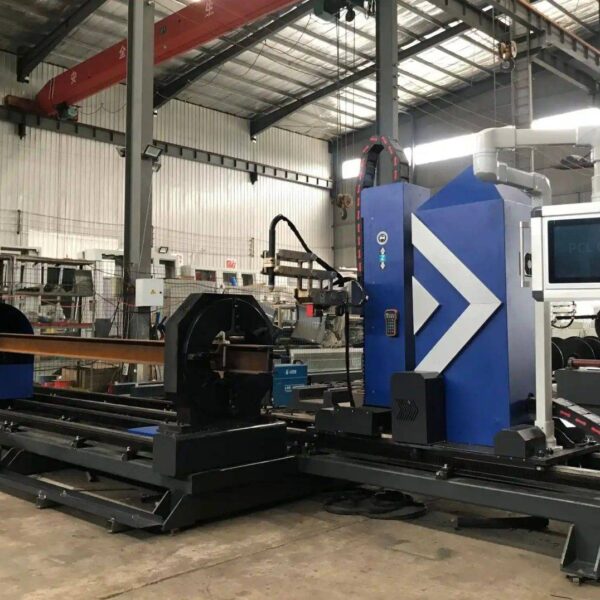
8 axis plasma cutting machine
-
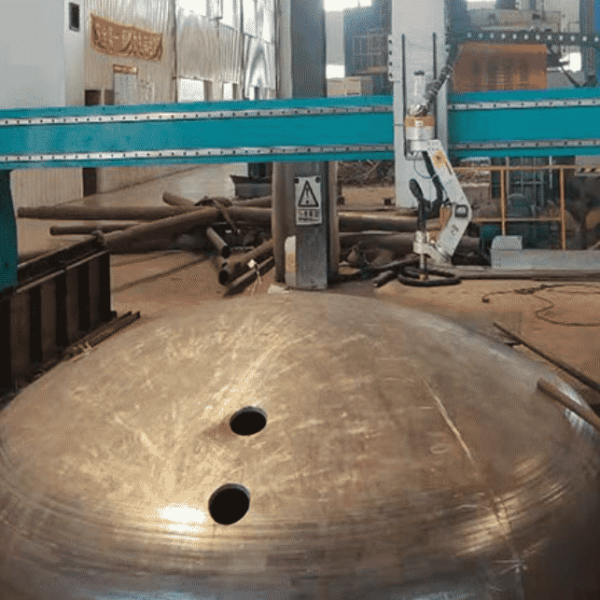
5 axis plasma cutting machine
-

LT360 tube laser cutting machine
-
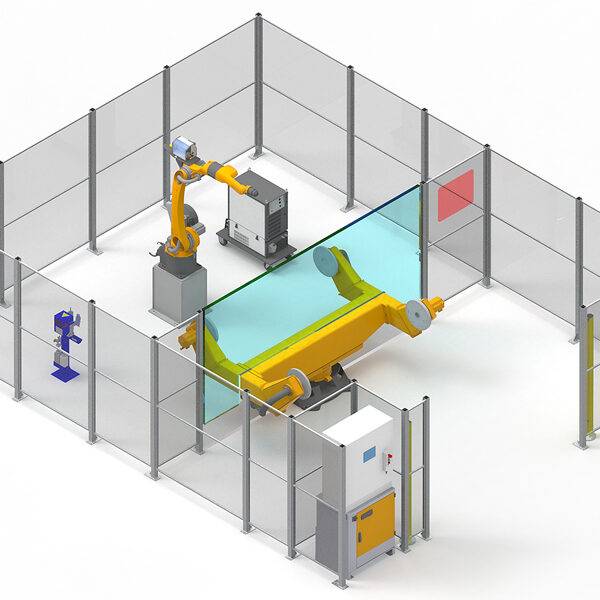
robot welding workstation
-
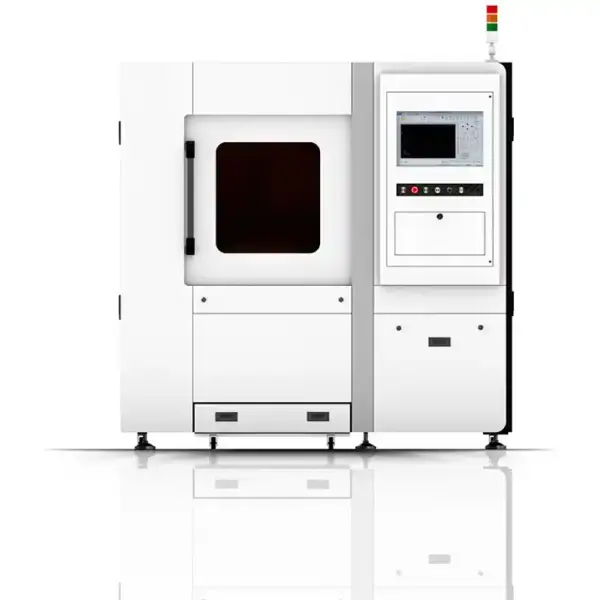
SF6060 fiber laser cutting machine
