Industrial Integration of Plasma Systems in Wind Tower Fabrication
The fabrication of wind tower internal components—specifically ladders, platforms, and structural stays—relies heavily on the throughput efficiency of H-beam processing. As turbine heights increase, the structural demands on the internal steel framework necessitate a transition from manual layout and mechanical sawing to automated Plasma Cutting systems. From an industrial engineering perspective, the objective is to minimize the “beam-to-beam” cycle time while maintaining strict adherence to tolerance standards.
In traditional structural steel shops, H-beams often undergo multiple handlings: sawing to length, drilling for bolt holes, and manual grinding for weld preparation. A modern H-Beam Production Line consolidates these processes into a single thermal cutting cell. By utilizing multi-axis plasma torches, the system can execute complex geometries, such as cope cuts, flange thinnings, and web penetrations, without the physical tool changes required by mechanical drilling or milling. This consolidation significantly reduces the footprint of the production line and eliminates the compounding errors associated with multiple workholding setups.
Intersection Accuracy and Geometric Precision
The Role of Multi-Axis Kinematics
One of the most critical challenges in wind tower steel internals is the precise fit-up of intersecting members. Whether it is a web-to-flange connection or a complex bracing angle, the Intersection Accuracy must be absolute to ensure the structural longevity of the tower. In a high-definition plasma environment, this is achieved through sophisticated motion control systems that compensate for beam deviations such as camber, sweep, and twist.
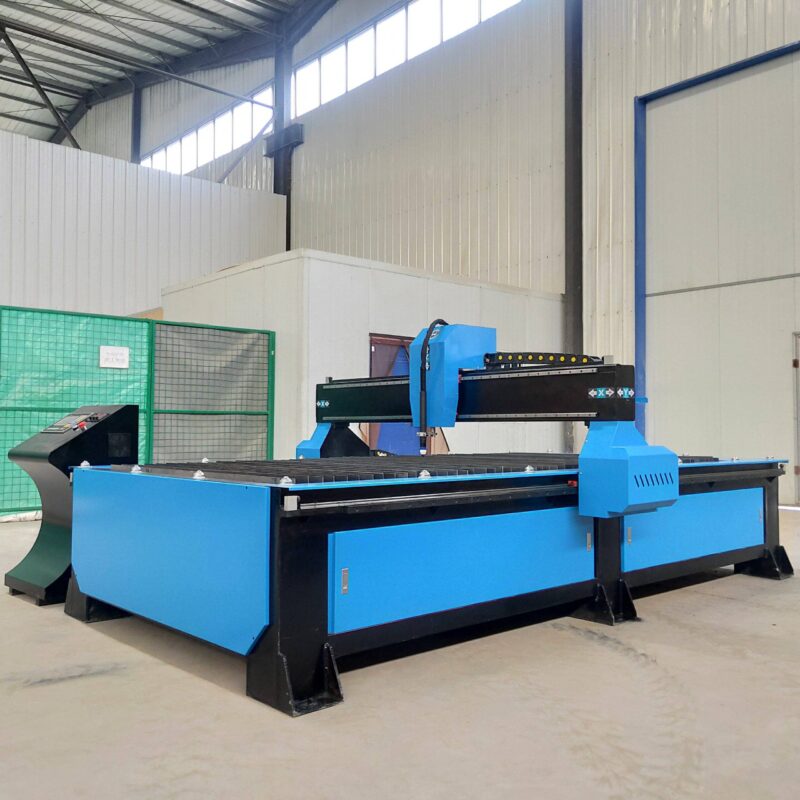
Sensors integrated into the plasma head perform real-time measurements of the H-beam’s actual cross-section. These data points are compared against the nominal CAD model. The system then adjusts the torch path dynamically. This “measure-and-cut” methodology ensures that intersections are tight, minimizing the gap that needs to be filled during subsequent assembly stages. For wind tower internals, where vibration and cyclic loading are constant, the precision of these thermal cuts is vital to preventing stress concentrations.
Offline Programming: Removing the Programming Bottleneck
Transitioning to OLP Environments
To maximize the return on investment (ROI) of an automated H-beam line, the machine must maintain a high duty cycle. Traditional “teach-pendant” programming or on-machine programming creates significant downtime, effectively turning an expensive production asset into a computer terminal. Offline Programming (OLP) addresses this by moving the entire path-planning process to a virtual environment.
OLP software utilizes the original BIM or CAD data to generate G-code or machine-specific instructions. Industrial engineers can simulate the entire cutting sequence, check for potential collisions between the torch head and the beam flanges, and optimize nesting to minimize scrap. This digital twin approach allows the production line to remain in operation on one job while the next five jobs are being programmed and validated in the office.
Digital Workflow Integration
The integration of OLP into the Structural Steel Fabrication workflow enables a seamless transition from design to execution. Since the software understands the specific kinematics of the plasma robot or gantry, it can automatically apply kerf compensation and lead-in/lead-out strategies tailored to the material thickness of the H-beam. This eliminates operator trial-and-error, ensuring that the first part cut is as accurate as the last.
Advanced Beveling for Weld Preparation
Wind tower components are subject to stringent weld quality standards, often requiring full-penetration or partial-penetration welds. Preparing the edges of H-beam flanges for these welds is a labor-intensive process if performed manually. High-definition plasma systems equipped with a tilt-rotate (Bevel) head can perform V, Y, X, and K-cut bevels in a single pass.
The ability to bevel the web and flanges of an H-beam with high thermal precision reduces the Heat Affected Zone (HAZ) and provides a clean, weld-ready surface. In an automated line, the bevel angle is controlled by the OLP software, which adjusts the torch angle relative to the material surface. This ensures a consistent root face and bevel angle throughout the entire length of the cut, which is essential for robotic assembly processes that follow later in the production sequence.
Maintenance Optimization and System Reliability
A primary advantage of plasma-based H-beam lines over mechanical alternatives is the reduced maintenance requirement. Mechanical systems (saws and drills) involve high-friction processes that lead to tool wear, coolant management issues, and significant vibration-induced wear on the machine frame.
Plasma cutting is a non-contact process. The only wear parts are the consumables (nozzle, electrode, shield, and swirl ring). For a wind tower fabrication facility, this means maintenance can be scheduled based on arc-on time rather than unpredictable tool breakage. The simplicity of a plasma torch—compared to a complex spindle and gearbox assembly—results in higher machine availability. Furthermore, modern plasma power supplies feature self-diagnostic capabilities that alert maintenance teams to gas flow irregularities or voltage fluctuations before they result in part defects.
Economic Impact on Wind Energy Infrastructure
The economics of wind energy rely on scaling production while lowering the cost per kilowatt-hour. This cost-down pressure is passed directly to the fabrication floor. Implementing a plasma-centric H-beam line with OLP capabilities reduces the labor cost per ton of processed steel. By automating the layout, cutting, and beveling stages, manufacturers can shift their skilled labor from repetitive manual tasks to high-value quality assurance and process oversight.
Furthermore, the reduction in material handling—moving a beam once into the plasma cell versus four times between various stations—drastically reduces the risk of workplace injuries and material damage. The result is a leaner, more responsive production environment capable of meeting the rapid delivery schedules required by global wind farm developments.
Strategic Conclusion for Process Engineering
The convergence of high-definition plasma technology and OLP software represents the current state-of-the-art for H-beam fabrication in the wind energy sector. By prioritizing Intersection Accuracy and automated beveling, facilities can achieve the high-tolerance requirements of wind tower internal structures without the overhead of mechanical tooling. For the industrial engineer, the focus remains on the data-driven optimization of these systems, ensuring that the thermal cutting process is fully integrated into the broader digital manufacturing ecosystem. This approach provides a robust, low-maintenance solution that scales with the growing demands of the renewable energy market.
-
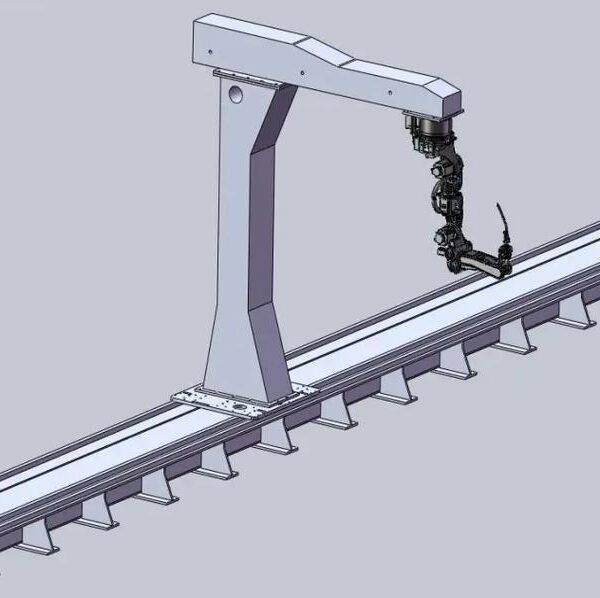

Cantilever Welding Robot solution
-
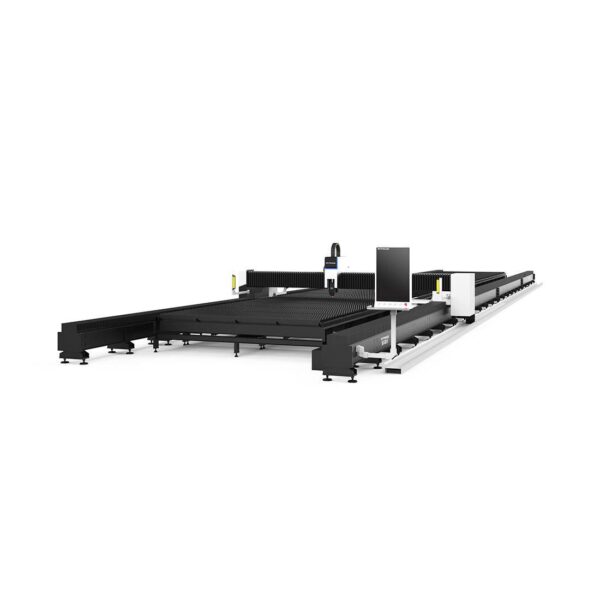

GF laser cutting machine
-
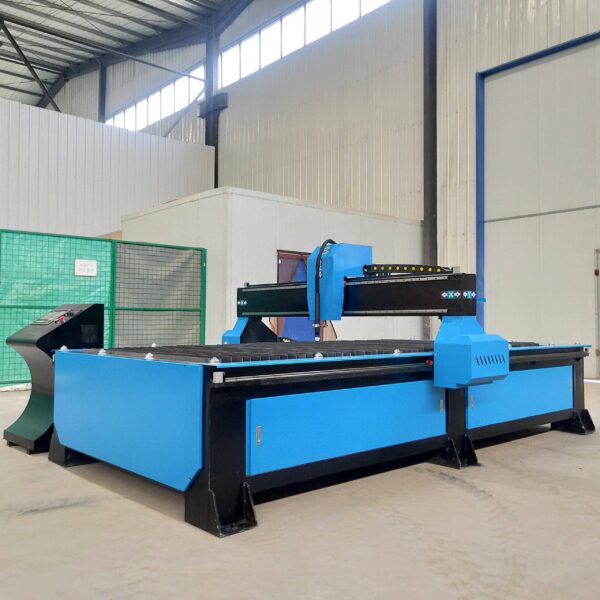
P3015 plasma cutting machine
-

LFP3015 Fiber Laser Cutter
-
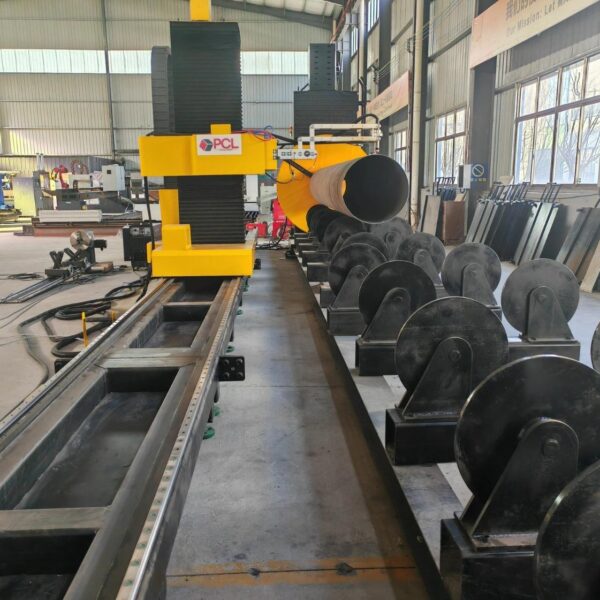
pipe plasma cutting machine
-
LFH 4020 Fiber Laser Cutting Machine
-
LFP4020
-
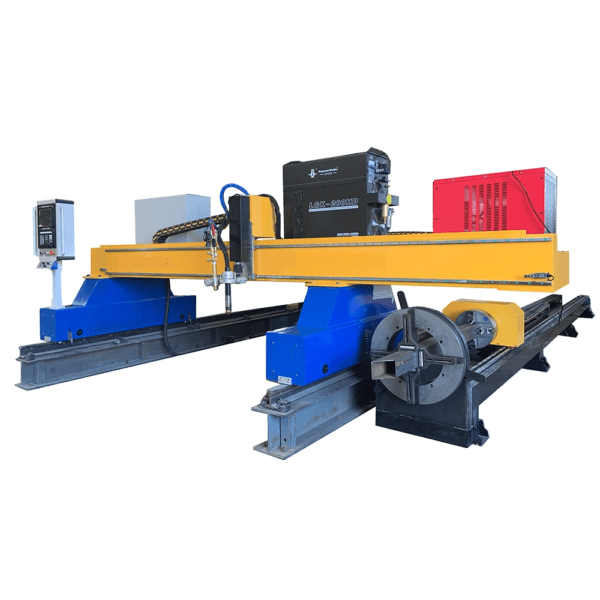
gantry plasma air cutting machine
-
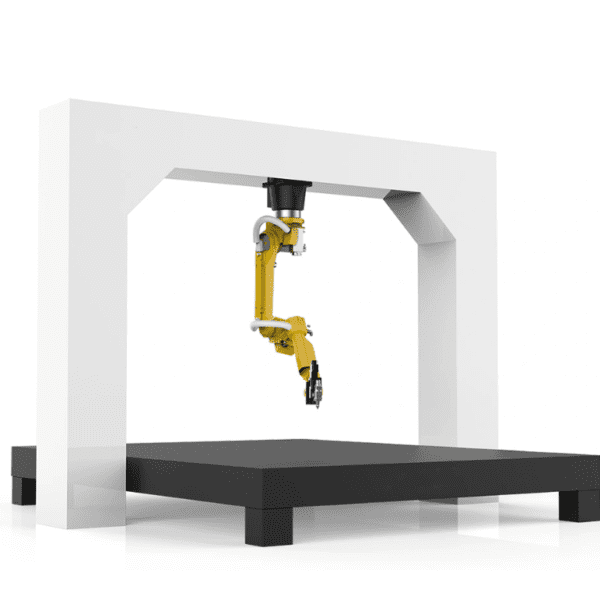
3D robot cutting machine
-
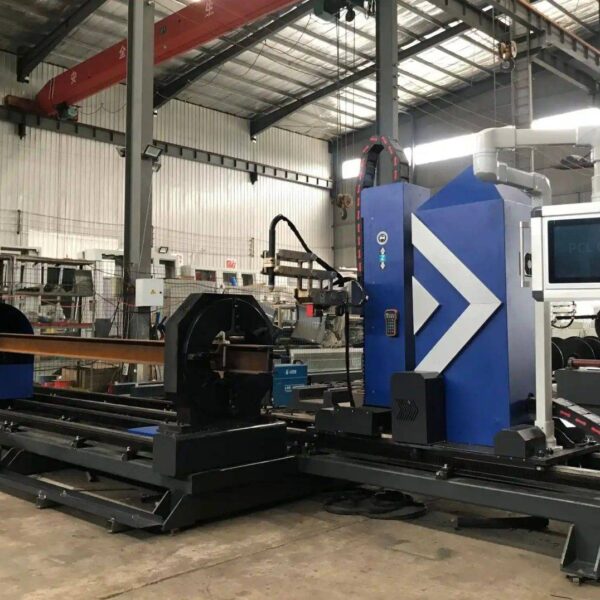
8 axis plasma cutting machine
-
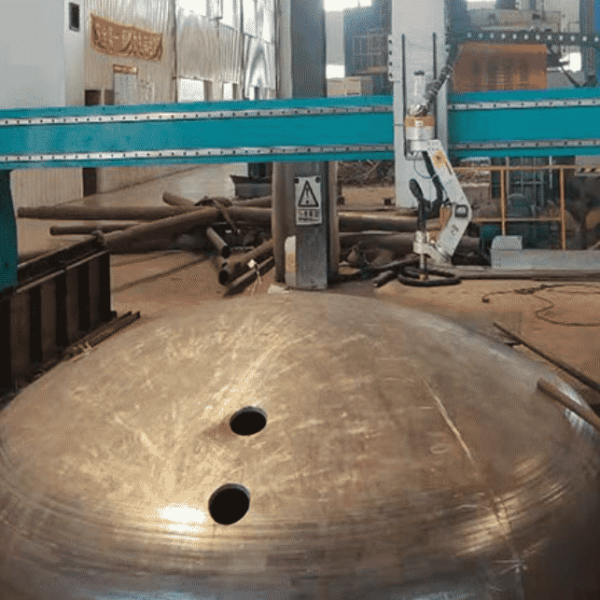
5 axis plasma cutting machine
-

LT360 tube laser cutting machine
-
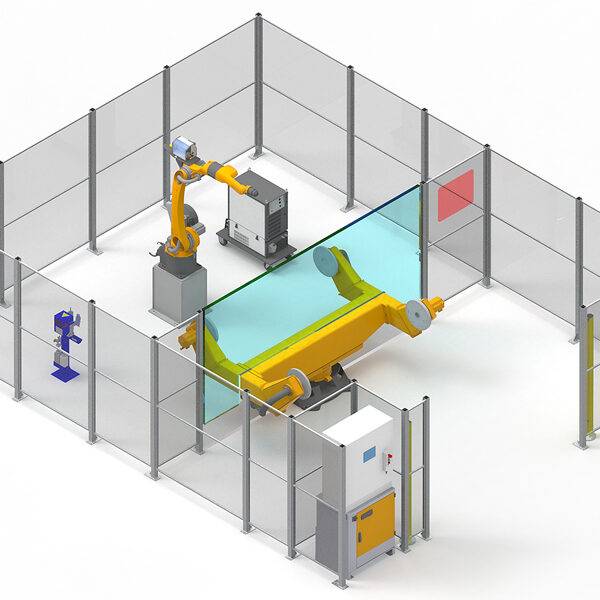
robot welding workstation
-
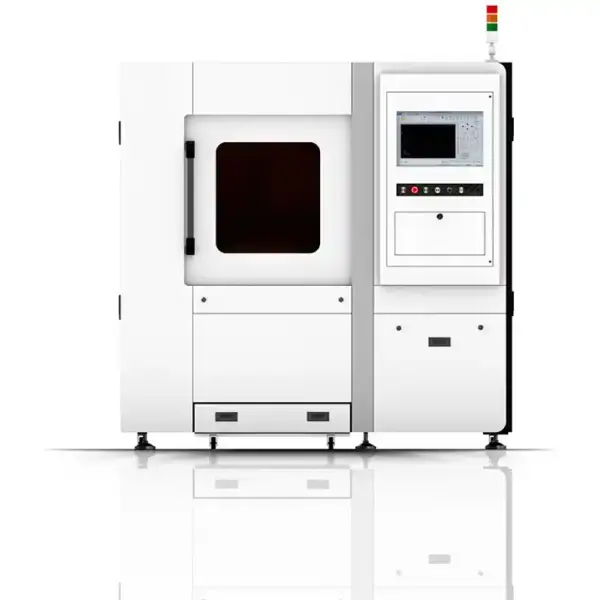
SF6060 fiber laser cutting machine
Advanced Fiber Laser Tube Processing Technology
Our CNC Fiber Laser Tube Cutting systems revolutionize metal fabrication by integrating high-precision cutting, punching, and profiling into a single automated workflow. Designed for versatility, this technology handles a wide array of profiles including Round, Square, Rectangular, and Oval tubes, as well as complex L-shaped and U-shaped channels.
- Precision Punching: High-speed hole punching with micron-level accuracy, eliminating the need for mechanical drilling or die-stamping.
- Complex Profiling: Advanced 3D pathing allows for intricate interlocking joints and specialized notch cuts, ideal for structural frames.
- High Material Efficiency: Intelligent nesting software minimizes scrap, reducing raw material costs across large production runs.
- Clean Finish: Delivers oxide-free, burr-free edges that require zero secondary grinding before welding.

Seamlessly processing multiple profiles with consistent precision.
Global Delivery & Logistics



From our high-tech manufacturing facility directly to your global site. PCL WeldCut ensures secure packaging, professional handling, and reliable international logistics to safeguard your equipment throughout the entire journey.