Optimizing H-Beam Production in Shipbuilding via Plasma Systems
Shipbuilding demands an extraordinary level of structural integrity and dimensional precision. The primary structural components, often H-beams and universal beams, serve as the backbone for hulls, decks, and bulkheads. Transitioning from manual layout to an automated Automated Plasma Cutting environment is no longer a luxury but a requirement for maintaining global competitiveness. The efficiency of a production line is dictated by its ability to process high volumes of structural steel with minimal intervention. In this context, the focus shifts toward the precision of the cut and the reliability of the thermal process.
The core challenge in H-beam fabrication for maritime applications lies in the complexity of the geometry. Unlike simple plate cutting, H-beams require processing across three surfaces—the web and two flanges. This necessitates a multi-axis approach where the cutting torch can navigate around the profile without losing the arc or compromising the structural properties of the steel. Plasma technology remains the industrial standard here due to its balance of speed, thickness capacity, and the ability to handle the “dirty” environment typical of heavy industries like shipbuilding.
The Critical Role of Offline Programming (OLP)
The bottleneck in traditional robotic cutting lines is often the “teach pendant” method, where a technician manually guides the robot through its path. In a shipyard where every H-beam might have a unique length, hole pattern, or bevel requirement, manual programming is a catastrophic drain on productivity. This is where Offline Programming (OLP) becomes the central nervous system of the production line.
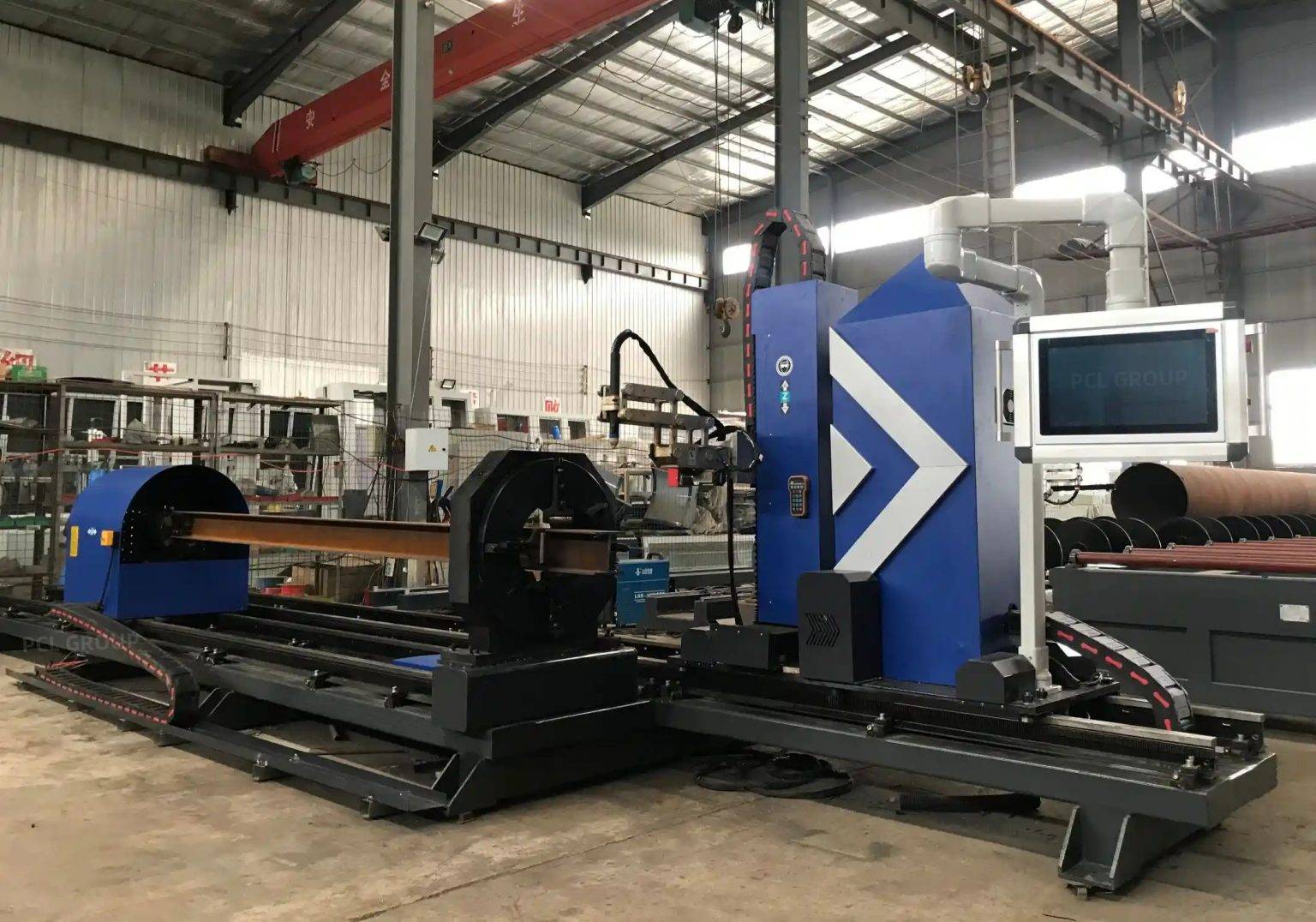
OLP allows engineers to generate cutting paths directly from 3D CAD models (such as those from Tekla, AVEVA, or ShipConstructor) without interrupting the machine’s operation. The software calculates the kinematic limits of the robot, identifies potential collisions with the beam’s flanges, and optimizes the torch angle for beveling. By simulating the entire cutting sequence in a virtual environment, the shipyard ensures that the first cut on the actual steel is accurate. This leads to a “just-in-time” fabrication flow where the machine spends its time cutting rather than being programmed.
Achieving Superior Intersection Accuracy
In shipbuilding, H-beams rarely meet at 90-degree angles. They intersect at complex skews to follow the curvature of the hull. Intersection Precision is vital because even a 2mm gap can lead to significant issues during the assembly phase, requiring expensive manual rework or excessive filler material. Automated plasma lines equipped with OLP utilize sophisticated algorithms to calculate the exact “cope” or “mouse hole” required for these intersections.
To maintain this accuracy, the production line must account for the physical deviations of the beam itself. Structural steel is rarely perfectly straight; it possesses inherent camber and sweep from the rolling mill. Modern plasma lines integrate mechanical or laser probing systems that “sense” the actual position of the web and flanges before the cut begins. The OLP software then shifts the theoretical cutting path to match the real-world geometry of the beam, ensuring that every bolt hole and interlocking notch aligns perfectly with the mating part.
Advanced Beveling for Structural Integrity
Shipbuilding involves rigorous inspections of joints. To meet these standards, H-beams must undergo precise edge preparation. Structural Steel Beveling via plasma involves rotating the torch head across multiple axes to create V, Y, or K-shaped profiles. This preparation is essential for ensuring full penetration during subsequent assembly stages.
The advantage of plasma beveling over mechanical milling or oxy-fuel cutting is the speed and the relatively small heat-affected zone (HAZ). With modern high-definition plasma power sources, the bevel angle can be maintained with a tolerance of +/- 0.5 degrees. This level of repeatability is critical for the modular construction techniques used in modern shipyards, where pre-fabricated sections must fit together with surgical precision. The OLP software automatically adjusts the torch height and kerf compensation based on the angle of the bevel, which is a calculation far too complex for manual input.
Low Maintenance and High Uptime Requirements
Industrial engineers prioritize the “Total Cost of Ownership” (TCO). Plasma systems are favored in H-beam lines because they are inherently robust and require significantly lower maintenance compared to other thermal cutting technologies in a shipyard environment. A plasma system does not have sensitive optical components that can be compromised by the dust, vibration, and humidity typical of a waterfront facility.
The maintenance routine for a plasma-based H-beam line is straightforward, focusing primarily on consumables like nozzles and electrodes. These can be swapped out in minutes by the operator, ensuring that the machine remains operational across multiple shifts. Furthermore, the mechanical components of the gantry and the robotic arm are designed for high duty cycles. When the system is paired with a well-integrated OLP workflow, the mechanical wear is also reduced, as the software ensures smooth, fluid movements rather than jerky, poorly optimized paths that put undue stress on the motors and gearboxes.
Integration with Material Handling
A production line is only as fast as its slowest component. For H-beams, the material handling system—conveyors, cross-transfers, and measuring carriages—must work in perfect synchronization with the plasma unit. The OLP system often manages the nesting of multiple parts on a single long beam to minimize “drop” or scrap. By calculating the exact placement of each cut, the software can sequence the operations to prevent the beam from shifting due to thermal expansion or weight redistribution during the process.
Conclusion of Process Advantages
The synthesis of high-definition plasma cutting and sophisticated offline programming transforms H-beam fabrication from a manual craft into a high-precision manufacturing process. For the shipyard, the benefits are clear: reduced lead times, lower labor costs per ton of steel, and an unprecedented level of accuracy at the assembly stage. By focusing on the fundamentals of Automated Plasma Cutting and the elimination of manual programming bottlenecks, industrial engineers can ensure a robust, scalable production environment that meets the grueling demands of maritime construction.
-
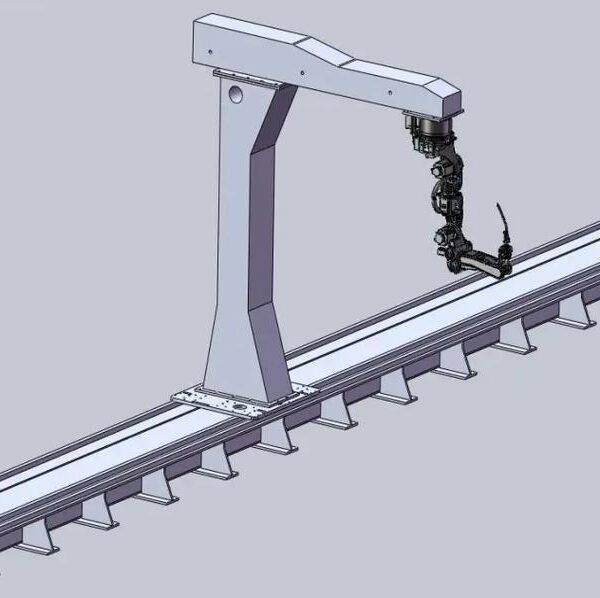

Cantilever Welding Robot solution
-
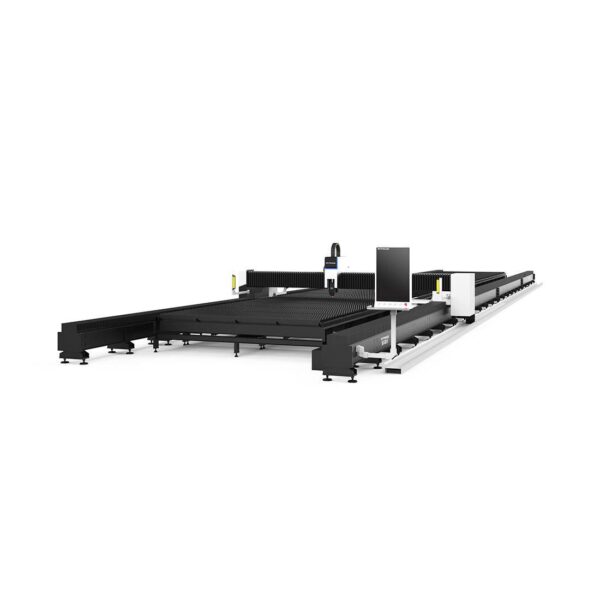

GF laser cutting machine
-
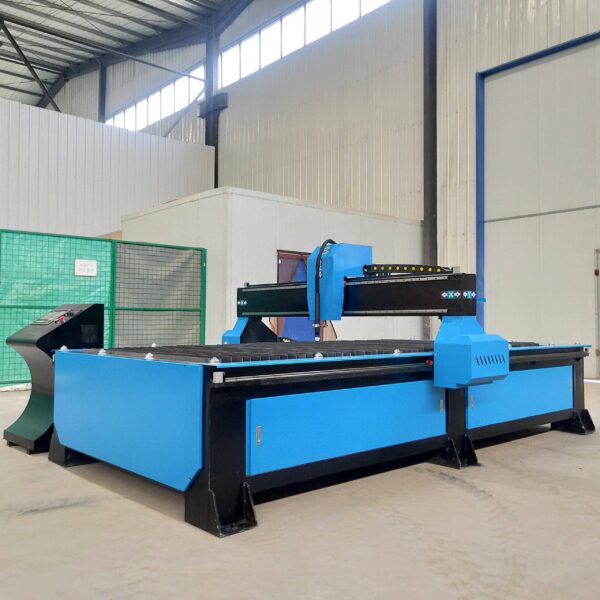
P3015 plasma cutting machine
-

LFP3015 Fiber Laser Cutter
-
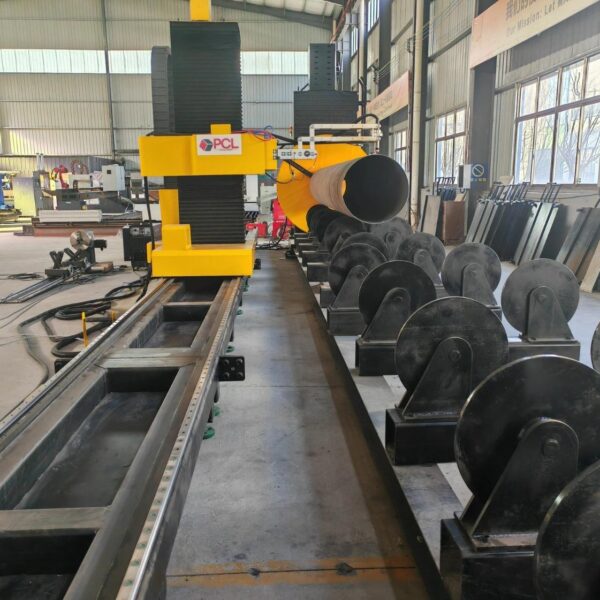
pipe plasma cutting machine
-
LFH 4020 Fiber Laser Cutting Machine
-
LFP4020
-
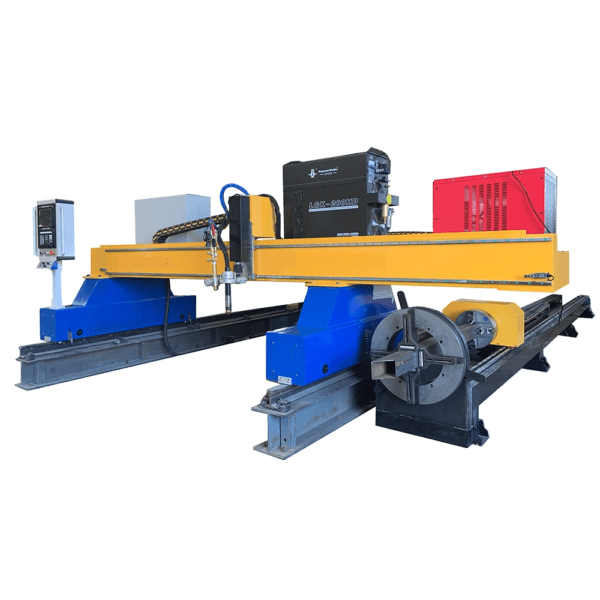
gantry plasma air cutting machine
-
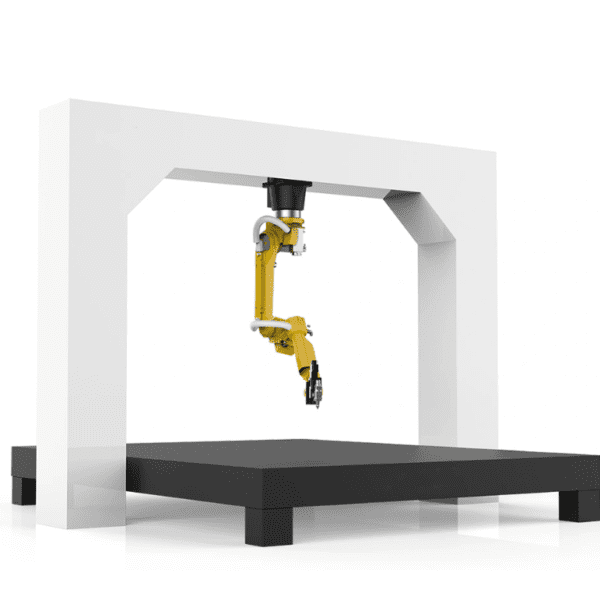
3D robot cutting machine
-
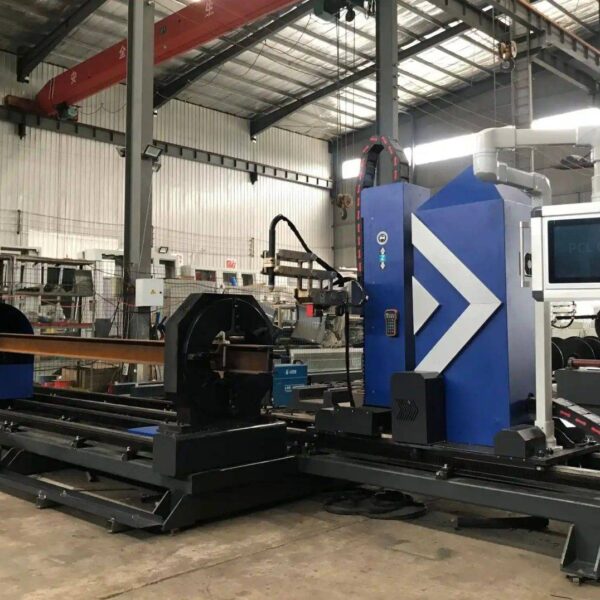
8 axis plasma cutting machine
-
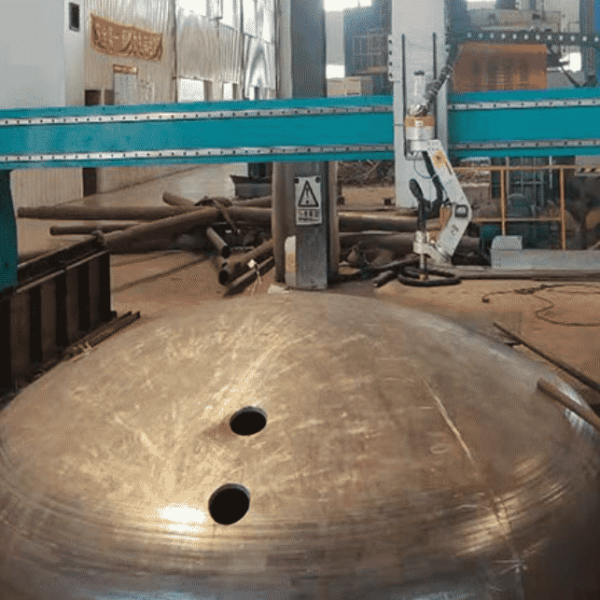
5 axis plasma cutting machine
-

LT360 tube laser cutting machine
-
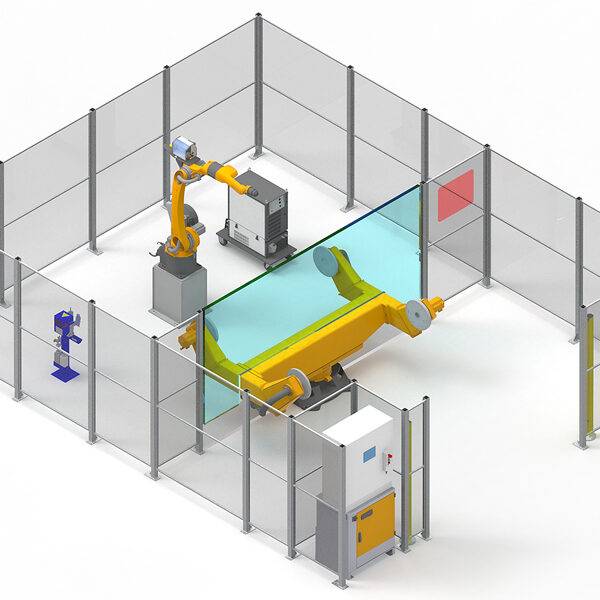
robot welding workstation
-
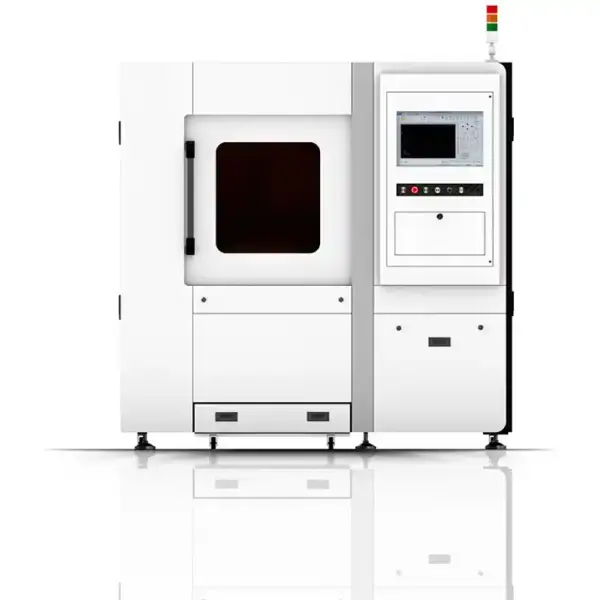
SF6060 fiber laser cutting machine
Advanced Fiber Laser Tube Processing Technology
Our CNC Fiber Laser Tube Cutting systems revolutionize metal fabrication by integrating high-precision cutting, punching, and profiling into a single automated workflow. Designed for versatility, this technology handles a wide array of profiles including Round, Square, Rectangular, and Oval tubes, as well as complex L-shaped and U-shaped channels.
- Precision Punching: High-speed hole punching with micron-level accuracy, eliminating the need for mechanical drilling or die-stamping.
- Complex Profiling: Advanced 3D pathing allows for intricate interlocking joints and specialized notch cuts, ideal for structural frames.
- High Material Efficiency: Intelligent nesting software minimizes scrap, reducing raw material costs across large production runs.
- Clean Finish: Delivers oxide-free, burr-free edges that require zero secondary grinding before welding.

Seamlessly processing multiple profiles with consistent precision.
Global Delivery & Logistics



From our high-tech manufacturing facility directly to your global site. PCL WeldCut ensures secure packaging, professional handling, and reliable international logistics to safeguard your equipment throughout the entire journey.