Optimizing H-Beam Fabrication for Pressure Vessel Integrity
In the heavy industrial sector, specifically within the manufacturing of pressure vessels and large-scale storage tanks, the structural integrity of support frames is non-negotiable. H-beams serve as the primary skeletal components for these vessels, demanding rigorous adherence to geometric tolerances and material specifications. Traditional manual layout and cutting methods often introduce human error, leading to poor fit-up and extended rework cycles. The transition to an automated H-Beam Production Line, driven by Plasma Cutting automation, represents a fundamental shift toward precision engineering and lean manufacturing principles.
The core challenge in pressure vessel fabrication lies in the complex intersections where the cylindrical vessel meets the H-beam saddle or support structure. These intersections require non-linear cuts and variable bevel angles to ensure full-penetration welds. By utilizing robotic plasma systems paired with sophisticated offline programming, engineers can simulate these complex geometries in a virtual environment, ensuring that the physical cut matches the theoretical design within sub-millimeter tolerances.
The Role of Offline Programming (OLP) in Throughput
Offline programming is the architectural backbone of modern H-beam lines. In a conventional setup, programming a robot or a CNC machine via a teach pendant requires the machine to stop, effectively halting production. For pressure vessel components, which are often bespoke or produced in small batches, this downtime is economically unsustainable. OLP allows the industrial engineer to import CAD data directly into a simulation environment to generate cutting paths without interrupting the active machinery.
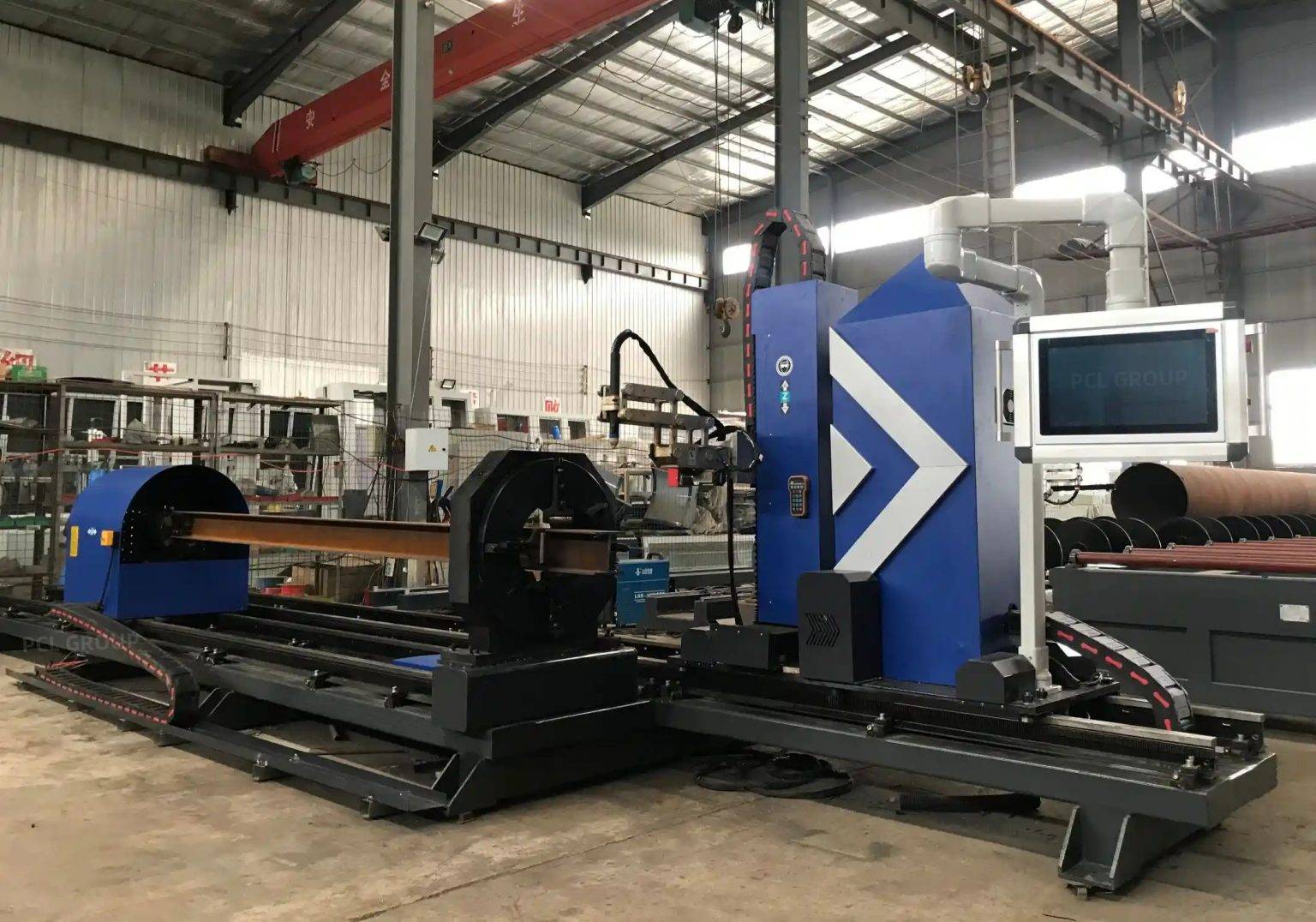
This methodology provides several distinct advantages:
Collision Avoidance and Kinematic Validation
H-beams are bulky and difficult to maneuver. OLP software validates the robot’s kinematics to ensure that the torch head can reach all necessary flanges and webs without colliding with the workpiece or the conveyor system. This is particularly critical when performing deep bevels on thick-walled beams.
Automated Kerf Compensation
The software calculates the exact kerf width based on the plasma gas chemistry and amperage used. By adjusting the tool path automatically, the system maintains intersection accuracy, ensuring that when the H-beam is moved to the assembly floor, it aligns perfectly with the vessel curvature.
Precision Plasma Cutting and Intersection Accuracy
In the context of pressure vessels, the intersection between the H-beam and the vessel shell is a critical stress point. If the cut is inaccurate, gaps are formed that must be bridged by excess filler metal, which can introduce thermal stress and potential points of failure. High-definition plasma systems offer the requisite arc stability to produce clean, dross-free edges on heavy structural sections.
The accuracy of these intersections is further enhanced by integrated sensing technologies. Before the cut begins, the plasma system uses touch-sensing or laser profiling to locate the actual position of the H-beam on the bed. Since structural steel can have slight deviations in flange squareness or web centering, the OLP-generated path is shifted in real-time to match the physical reality of the beam. This ensures that the saddle cut perfectly contours to the vessel shell, providing a uniform root gap for subsequent welding processes.
Advanced Beveling for Weld Preparation
Pressure vessel standards, such as ASME Section VIII, mandate specific weld preparations to ensure structural soundness. Plasma cutting systems equipped with multi-axis tilt-rotator heads are capable of executing complex robotic beveling profiles, including V, Y, X, and K-cuts, in a single pass.
The ability to bevel the web and the flanges of an H-beam simultaneously is a significant efficiency gain. For example, when a support beam must be welded to a reinforced pad on the vessel, a variable bevel may be required to accommodate the change in transition geometry. The plasma torch, controlled by the OLP software, adjusts its angle dynamically as it moves along the cut path. This precision eliminates the need for secondary grinding, which is one of the most labor-intensive and ergonomically hazardous tasks in a fabrication shop.
Maintenance Efficiency and System Longevity
From an industrial engineering perspective, the “Total Cost of Ownership” (TCO) is a primary metric for equipment selection. Plasma cutting systems are favored in H-beam lines due to their low maintenance requirements and high duty cycles. Unlike other thermal cutting technologies that may be sensitive to the dusty, vibration-prone environment of a structural steel shop, modern plasma power supplies are ruggedized for heavy-duty performance.
Simplified Consumable Management
The primary maintenance requirement for plasma systems involves the periodic replacement of the nozzle, electrode, and shield cap. Modern systems feature “cartridge” style consumables that eliminate assembly errors and can be replaced in seconds. This ensures that the arc remains constricted and precise, preserving the quality of the bevel over long production runs.
Mechanical Robustness
The mechanical components of a plasma H-beam line—specifically the rack-and-pinion drives and the heavy-duty conveyors—are designed to handle the scale of industrial beams. Because plasma cutting is a non-contact process, there is no mechanical force exerted on the torch head, reducing wear and tear on the robotic arm or CNC gantry. This results in higher uptime and more predictable maintenance schedules, which are essential for meeting the strict delivery timelines of the oil, gas, and power generation industries.
Environmental and Operational Considerations
Integrating an automated plasma line also addresses environmental and safety concerns. Advanced fume extraction systems, often integrated into the cutting bed or the robotic enclosure, capture particulate matter at the source. Furthermore, the reduction in manual torch operations significantly lowers the risk of flash burns and respiratory issues among the workforce. By shifting the operator’s role from manual labor to system supervision and OLP management, the manufacturer improves both safety and job satisfaction.
The heat-affected zone (HAZ) in plasma cutting is also well-managed through high-speed processing. By optimizing the cutting speed through OLP, the duration of heat exposure to the H-beam is minimized, preserving the metallurgical properties of the steel. This is a vital consideration for pressure vessel supports, where material brittleness must be avoided to withstand cyclic loading and thermal expansion.
Conclusion
The implementation of an H-beam production line centered on plasma cutting and offline programming is a strategic necessity for fabricators targeting the pressure vessel market. The synergy between OLP-driven path planning and high-definition plasma execution ensures that complex intersections and bevels are achieved with mathematical precision. By focusing on intersection accuracy and leveraging the low-maintenance profile of plasma hardware, facilities can significantly increase their throughput while maintaining the highest safety and quality standards. As the industry moves toward further digitalization, the ability to transition seamlessly from a 3D model to a finished structural component will remain the hallmark of a competitive fabrication operation.
-
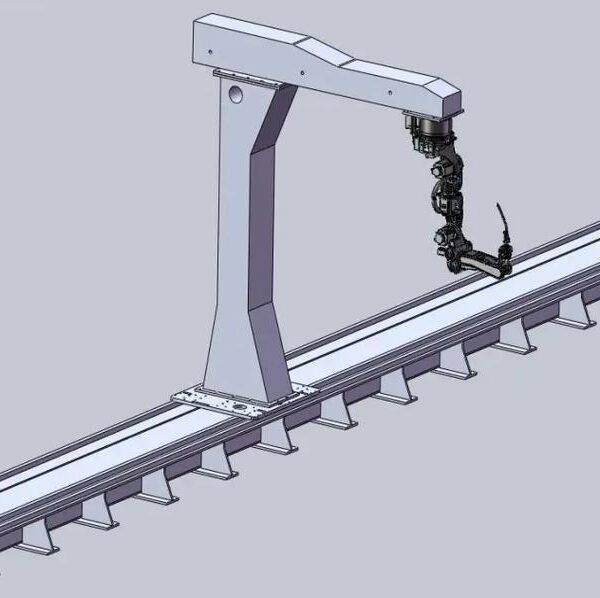

Cantilever Welding Robot solution
-
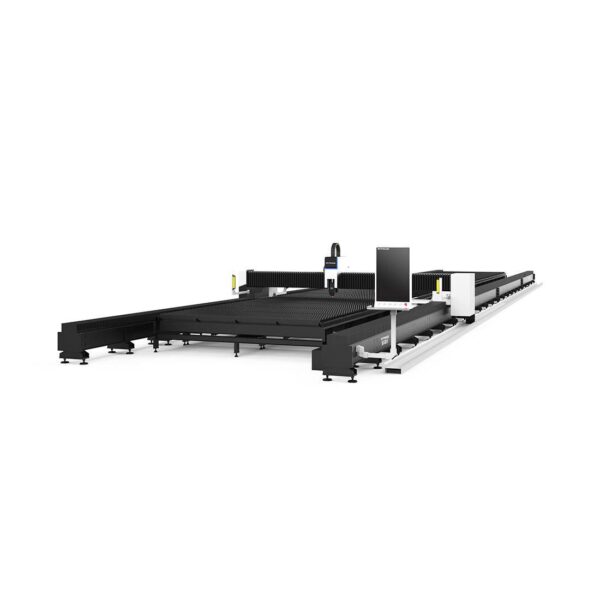

GF laser cutting machine
-
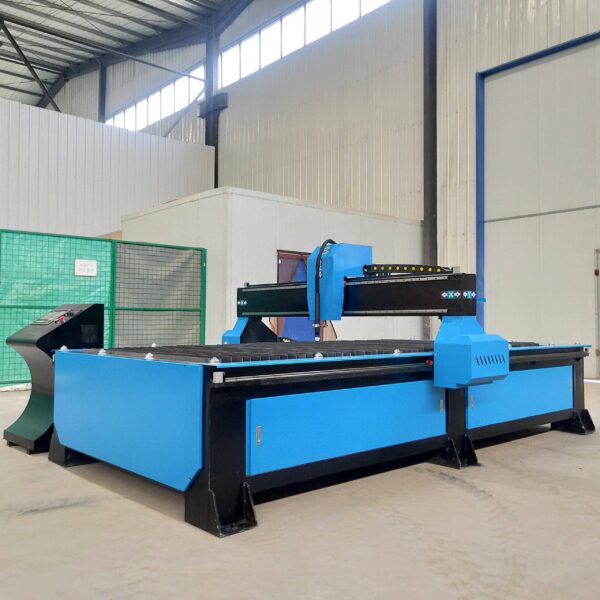
P3015 plasma cutting machine
-

LFP3015 Fiber Laser Cutter
-
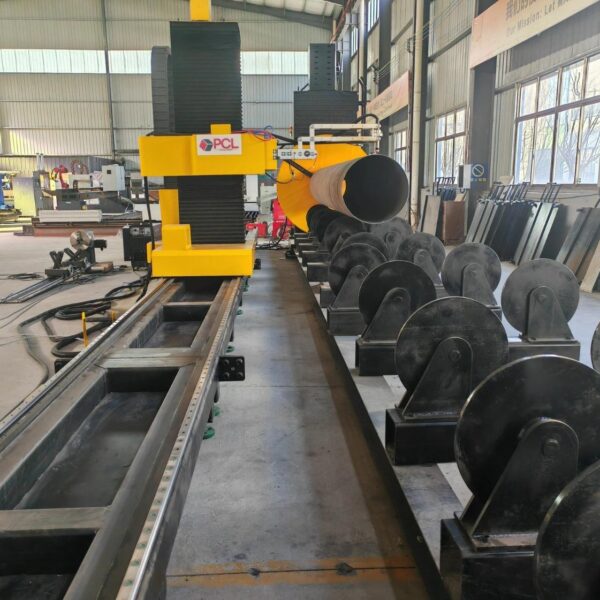
pipe plasma cutting machine
-
LFH 4020 Fiber Laser Cutting Machine
-
LFP4020
-
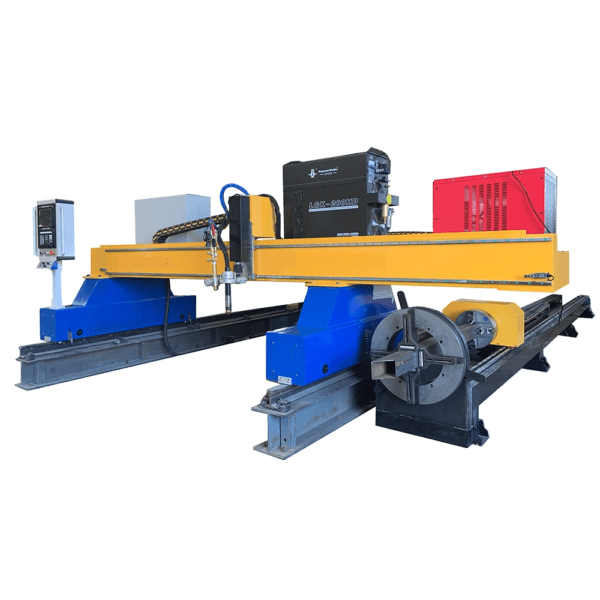
gantry plasma air cutting machine
-
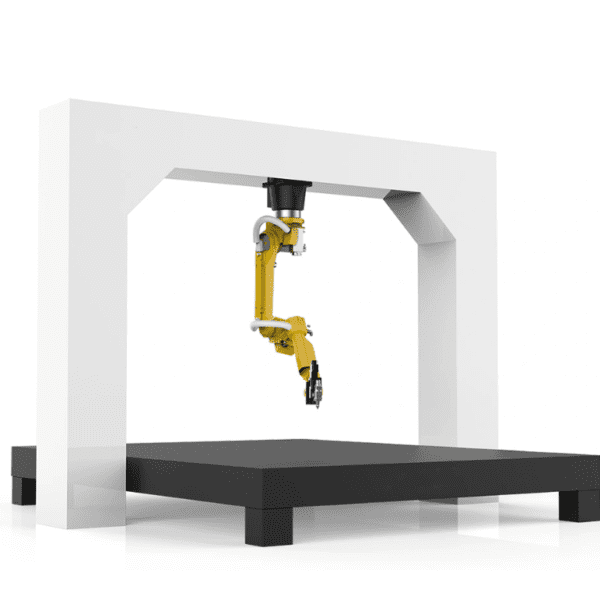
3D robot cutting machine
-
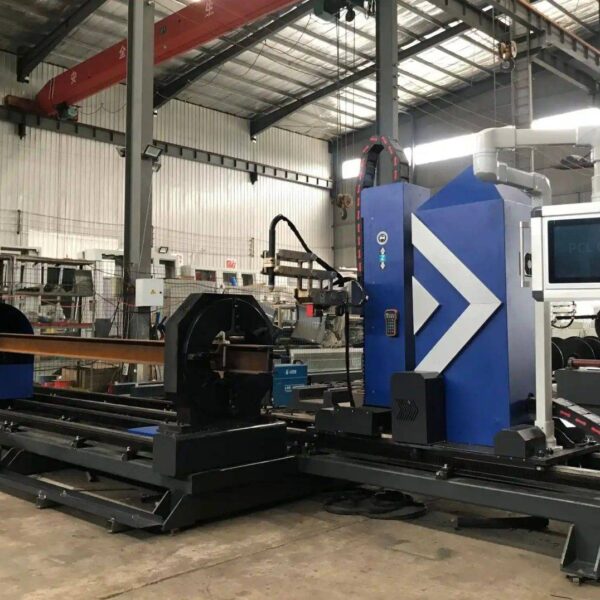
8 axis plasma cutting machine
-
5 axis plasma cutting machine
-

LT360 tube laser cutting machine
-
robot welding workstation
-
SF6060 fiber laser cutting machine
Advanced Fiber Laser Tube Processing Technology
Our CNC Fiber Laser Tube Cutting systems revolutionize metal fabrication by integrating high-precision cutting, punching, and profiling into a single automated workflow. Designed for versatility, this technology handles a wide array of profiles including Round, Square, Rectangular, and Oval tubes, as well as complex L-shaped and U-shaped channels.
- Precision Punching: High-speed hole punching with micron-level accuracy, eliminating the need for mechanical drilling or die-stamping.
- Complex Profiling: Advanced 3D pathing allows for intricate interlocking joints and specialized notch cuts, ideal for structural frames.
- High Material Efficiency: Intelligent nesting software minimizes scrap, reducing raw material costs across large production runs.
- Clean Finish: Delivers oxide-free, burr-free edges that require zero secondary grinding before welding.

Seamlessly processing multiple profiles with consistent precision.
Global Delivery & Logistics



From our high-tech manufacturing facility directly to your global site. PCL WeldCut ensures secure packaging, professional handling, and reliable international logistics to safeguard your equipment throughout the entire journey.
One thought on “H-Beam Production Line with Offline Programming for for Pressure Vessels”
Solid build quality. This is a heavy-duty machine designed for long shifts.