Optimizing H-Beam Fabrication via Automated Plasma Systems
In the production of heavy construction machinery, the structural integrity of the H-beam chassis and supporting frameworks is paramount. Traditional fabrication methods often suffer from high labor costs and inconsistent tolerances. The transition to a dedicated H-beam production line utilizing robotic Plasma Cutting has redefined the throughput capabilities of modern fabrication facilities. By centering the workflow on high-definition plasma technology, engineers can address the rigorous demands of material thickness and geometric complexity required for excavators, cranes, and mining equipment.
The Role of Offline Programming (OLP) in Process Efficiency
The primary bottleneck in robotic cutting has historically been the “teach-pendant” method, where the machine must be taken offline to program new paths. In a high-mix environment like construction machinery, this leads to unacceptable downtime. Offline Programming (OLP) software mitigates this by allowing engineers to create, simulate, and optimize cutting paths in a digital environment using CAD data. This ensures the physical production line remains active while the next project is staged digitally.
Kinematic Simulation and Collision Avoidance
OLP software utilizes the exact kinematic model of the robot and the H-beam’s dimensions. This allows for the precise calculation of torch angles, especially when navigating the transition between the web and the flanges. By simulating the cutting sequence, engineers identify potential collisions between the plasma torch and the workpiece before a single arc is struck. This predictive capability is essential for maintaining a continuous flow and protecting expensive hardware.
Achieving Superior Intersection Accuracy
Construction machinery often requires complex intersection accuracy where multiple beams join at non-orthogonal angles. Plasma cutting systems integrated with 3D sensing technology can compensate for material deviations such as “mill tolerances”—slight bows or twists in the raw steel. The combination of OLP and real-time sensing allows the robot to adjust its path dynamically, ensuring that the intersection profile is cut to within ±0.5mm of the design specification.
Thermal Distortion Management
While plasma is a thermal process, high-definition systems concentrate the energy into a narrow kerf. This localization of heat, combined with optimized cutting speeds calculated by the OLP software, minimizes the heat-affected zone (HAZ). For H-beams used in load-bearing machinery, maintaining the metallurgical properties of the steel near the cut edge is critical for long-term fatigue resistance.
Advanced Plasma Beveling for Weld Preparation
Heavy-duty construction equipment demands deep-penetration welds, necessitating precise beveling of H-beam ends and web openings. Plasma beveling on a multi-axis robotic line allows for the execution of V, Y, X, and K-cuts in a single pass. The OLP system calculates the necessary torch inclination and feed rate adjustments to maintain a consistent root face and bevel angle across the entire profile of the beam.
Complex Geometry and Notching
Beyond simple end-cuts, H-beams in machinery often require “rat holes” or coping for clearance. The flexibility of a 6-axis or 7-axis robotic plasma arm allows for these intricate geometries to be cut with the same precision as a standard straight cut. This eliminates the need for secondary manual grinding or secondary machining stations, significantly reducing the total cycle time per component.
Low Maintenance and High Duty Cycle Operations
From an industrial engineering perspective, the H-beam production line must prioritize uptime. Plasma systems are inherently robust compared to mechanical cutting or high-sensitivity optical systems. The primary maintenance requirements are limited to consumable replacement (nozzles, electrodes, and shields) and routine cleaning of the dross collection system. Modern plasma power sources are designed for a 100% duty cycle, meaning they can operate continuously in the harsh, dusty environments typical of heavy machinery fabrication.
Consumable Life Tracking
Integrated OLP and control systems now include predictive maintenance modules. By tracking the number of pierces and the total arc-on time, the system can alert operators to replace consumables before cut quality degrades. This data-driven approach ensures that the “low maintenance” promise of plasma is realized through proactive rather than reactive servicing.
System Integration and Material Handling
The efficiency of the plasma cutting station is only as good as the material handling system surrounding it. Automated infeed and outfeed conveyors, equipped with cross-transfer systems, ensure that H-beams are positioned accurately for the robot. Sensor arrays detect the leading edge of the beam, triggering the OLP-generated sequence. This synchronization between mechanical handling and digital programming creates a seamless “dark factory” capability for the cutting phase of production.
Scrubbing and Fume Extraction
Industrial hygiene is a critical component of a modern production line. High-capacity downdraft tables or side-draft extraction systems are integrated into the cutting cell to capture particulate matter and gases. This not only protects the workforce but also prevents the accumulation of conductive dust on the robotic components, further contributing to the system’s low maintenance profile.
Economic Impact on Construction Machinery Manufacturing
The adoption of OLP-driven plasma cutting lines directly impacts the Total Cost of Ownership (TCO). By reducing the scrap rate through high intersection accuracy and eliminating the need for manual layout, manufacturers see a rapid return on investment. Furthermore, the ability to rapidly reconfigure the line for different beam sizes and cut profiles via software updates—rather than hardware retooling—provides the agility needed to respond to fluctuating market demands in the construction sector.
Conclusion
The integration of offline-programmed plasma cutting into H-Beam Production Lines represents a significant advancement for Construction Machinery fabrication. By focusing on the precision of robotic motion, the versatility of plasma beveling, and the reliability of the thermal cutting process, manufacturers can achieve high-volume output without sacrificing the exacting tolerances required for heavy equipment. The result is a streamlined, low-maintenance solution that sets a new benchmark for structural steel processing.
-


LT240S tube laser cutting machine
-
LT120S tube laser cutting machine
-
Sale

Tank Fillet Welding Machine
Original price was: $1,000.00.$900.00Current price is: $900.00. -
Sale

MAK100 tube laser cutting machine
Original price was: $5,500.00.$5,000.00Current price is: $5,000.00. -

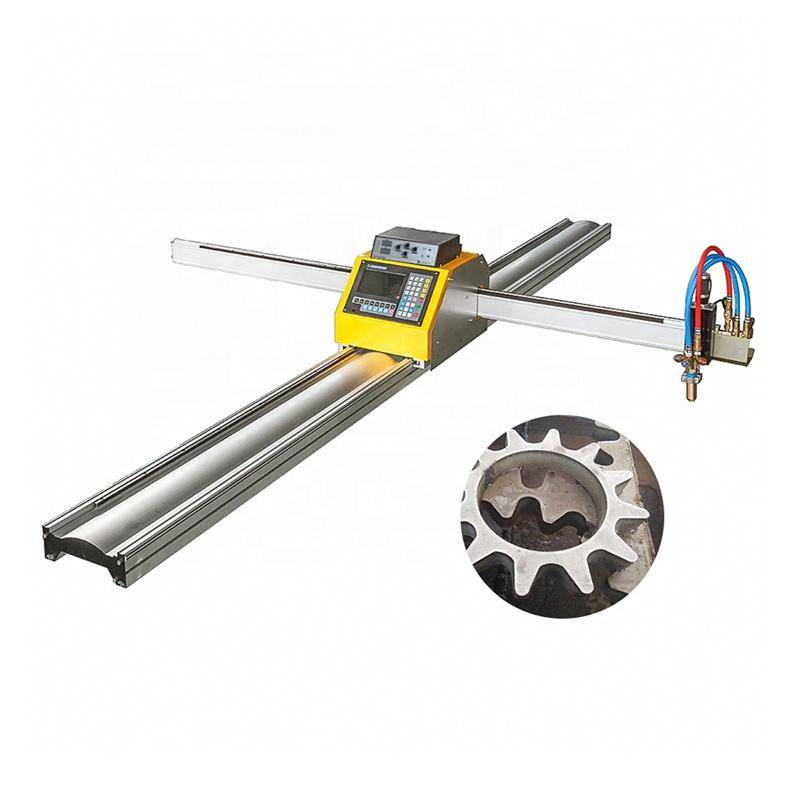
portable plasma air cutting machine
$1,200.00 -

2in1 fiber laser cutting machine
-

Air cooling Laser welding machine
-

HF h beam laser cutting machine
-

LT240 laser cutting machine
-

Laser welding machine
-


Cobot Welding Station
-

Gantry welding robot solution
-

Tracked Wheeled AGV Welding robot
-

LFH6020 Fiber laser cutting machine
-
LFP6020
-

robotic welidng machine
Advanced Fiber Laser Tube Processing Technology
Our CNC Fiber Laser Tube Cutting systems revolutionize metal fabrication by integrating high-precision cutting, punching, and profiling into a single automated workflow. Designed for versatility, this technology handles a wide array of profiles including Round, Square, Rectangular, and Oval tubes, as well as complex L-shaped and U-shaped channels.
- Precision Punching: High-speed hole punching with micron-level accuracy, eliminating the need for mechanical drilling or die-stamping.
- Complex Profiling: Advanced 3D pathing allows for intricate interlocking joints and specialized notch cuts, ideal for structural frames.
- High Material Efficiency: Intelligent nesting software minimizes scrap, reducing raw material costs across large production runs.
- Clean Finish: Delivers oxide-free, burr-free edges that require zero secondary grinding before welding.

Seamlessly processing multiple profiles with consistent precision.
Global Delivery & Logistics



From our high-tech manufacturing facility directly to your global site. PCL WeldCut ensures secure packaging, professional handling, and reliable international logistics to safeguard your equipment throughout the entire journey.