Optimizing H-Beam Production via High-Definition Plasma Cutting
The fabrication of wind towers demands structural components that can withstand extreme cyclic loading and environmental stressors. Central to the internal architecture of these towers are heavy-duty H-beams, which serve as the primary support for platforms, cable ladders, and mechanical housing. To achieve the necessary structural throughput, the integration of a Narrow Gap Welding (NGW) strategy is essential. However, the success of NGW is entirely dependent on the precision of the upstream processes, specifically the cutting and edge preparation phases.
In an industrial H-Beam Production Line, the plasma cutting station serves as the foundation for geometric integrity. High-definition plasma systems are selected for this role due to their ability to process thick-walled structural steel with high thermal efficiency. Unlike legacy mechanical methods, plasma cutting provides a non-contact solution that minimizes material deformation while maximizing the speed of the fabrication cycle.
Achieving Superior Intersection Accuracy
Intersection accuracy refers to the precision with which the plasma torch navigates the complex geometry of an H-beam, particularly where the web meets the flanges. In wind tower internals, H-beams often require intricate copes, notches, and bolt-hole patterns to facilitate rapid field assembly. Any deviation in the X or Y axis during the cutting phase can lead to significant fit-up issues during the welding stage.
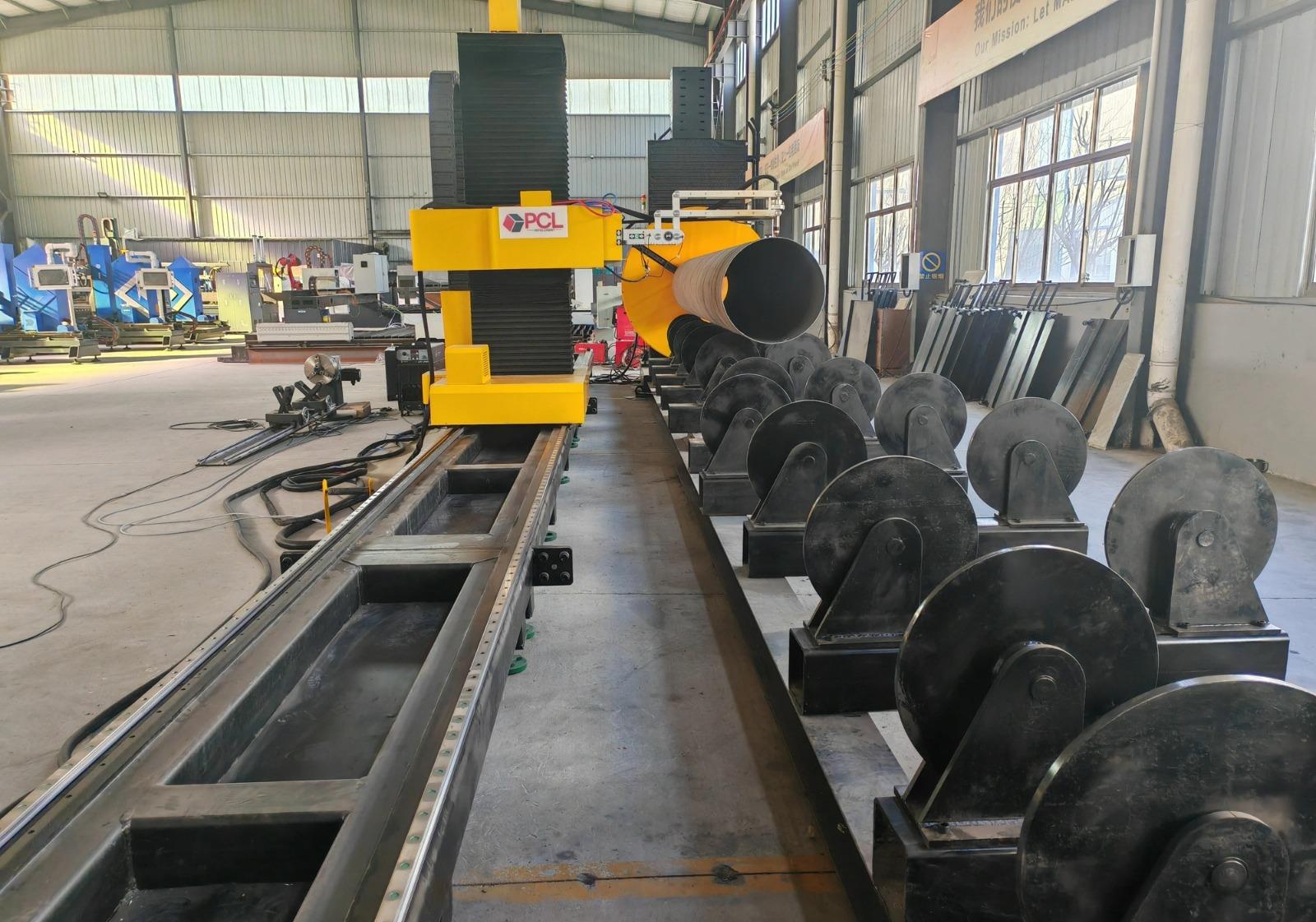
Modern H-Beam Fabrication lines employ multi-axis robotic arms or specialized gantry systems equipped with high-definition plasma torches. These systems use advanced CNC algorithms to compensate for the beam’s inherent rolling tolerances. By utilizing laser scanning or touch-probing before the cut, the system maps the actual dimensions of the beam, ensuring that intersections are cut with a tolerance of +/- 0.5mm. This level of accuracy is vital for narrow gap preparations, where even a slight misalignment in the groove geometry can result in lack of fusion or excessive weld volume, both of which compromise the structural integrity of the wind tower component.
High-Precision Beveling for Narrow Gap Preparation
The transition to narrow gap welding protocols requires a fundamental shift in edge preparation. Traditional wide-angle V-grooves are replaced by tight, deep-groove geometries designed to minimize the amount of filler metal required. This necessitates a Plasma Cutting Accuracy that can produce consistent bevel angles across long spans of material.
High-definition plasma units are capable of performing complex beveling—such as V, Y, X, and K cuts—in a single pass. For H-beam production, the torch must be able to tilt and rotate dynamically to maintain the correct angle relative to the material thickness. In wind tower applications, where plate thicknesses can exceed 50mm, the plasma system must provide a clean, dross-free surface. A precisely beveled edge reduces the need for secondary grinding, which is a significant bottleneck in traditional fabrication. By delivering a weld-ready edge directly from the cutting station, the production line maintains a continuous flow, feeding the narrow gap welding stations without interruption.
Low Maintenance Requirements in Heavy Industrial Environments
From an industrial engineering perspective, the Total Cost of Ownership (TCO) is a critical metric for any production line. Plasma cutting systems are favored in H-beam lines because of their robust, low maintenance characteristics. Unlike alternative thermal cutting methods that involve sensitive optical components or complex gas mixing manifolds, modern plasma systems are designed for high-duty cycle operations in dusty, vibratory environments common in heavy steel fabrication.
The primary maintenance concerns in a plasma system are limited to consumables—specifically nozzles, electrodes, and swirl rings. Advanced power sources now include “smart” consumable monitoring that alerts operators before a failure occurs, preventing damage to the torch head and ensuring consistent cut quality. Furthermore, the liquid-cooled nature of high-amperage plasma torches ensures that the system can operate at 100% duty cycle, which is a prerequisite for the high-volume output required in global wind energy projects. The simplified mechanical structure of a plasma gantry also means that routine alignments and cleaning procedures can be performed by on-site staff without the need for specialized external technicians.
The Impact of Thermal Distortion Control
One of the challenges in cutting thick H-beams for wind towers is managing the Heat Affected Zone (HAZ). Excessive heat input during the cutting process can lead to longitudinal warping of the beam, which complicates the narrow gap welding process. High-definition plasma technology addresses this by employing a constricted arc with higher energy density. This results in faster cutting speeds and a narrower kerf, which significantly limits the total heat input into the workpiece.
By controlling the thermal profile, the production line ensures that the H-beam remains straight and true. This dimensional stability is paramount when the beams are moved to the NGW station, as the automated welding heads require a perfectly linear path to maintain the precise arc gap. The synergy between high-speed plasma cutting and low-heat-input narrow gap welding creates a production loop that maximizes material throughput while minimizing rework.
Standardizing Throughput for Renewable Energy Infrastructure
The scale of wind tower production necessitates a standardized approach to H-beam fabrication. Every component must be a geometric replicate of the previous one to ensure compatibility during modular assembly. The integration of plasma cutting technology into a unified CNC workflow allows for the storage of digital cutting programs that can be executed with 100% repeatability.
As the industry moves toward larger towers and deeper offshore installations, the demand for thicker materials and more complex geometries will only increase. The adaptability of plasma—specifically its ability to handle various grades of carbon steel and high-strength alloys without significant reconfiguration—makes it the most versatile tool in the H-beam production line. By focusing on the intersection of accuracy, low maintenance, and advanced beveling, industrial engineers can ensure that the fabrication facility meets the rigorous quality standards of the energy sector.
Conclusion on Technical Integration
In summary, the efficiency of a wind tower H-beam production line is fundamentally tethered to the performance of its plasma cutting system. The ability to achieve high-precision intersections and specialized bevels for narrow gap welding prep allows for a streamlined manufacturing process. By reducing downtime through low-maintenance hardware and ensuring tight dimensional tolerances, manufacturers can achieve the high throughput necessary to support the global expansion of wind energy infrastructure.
-
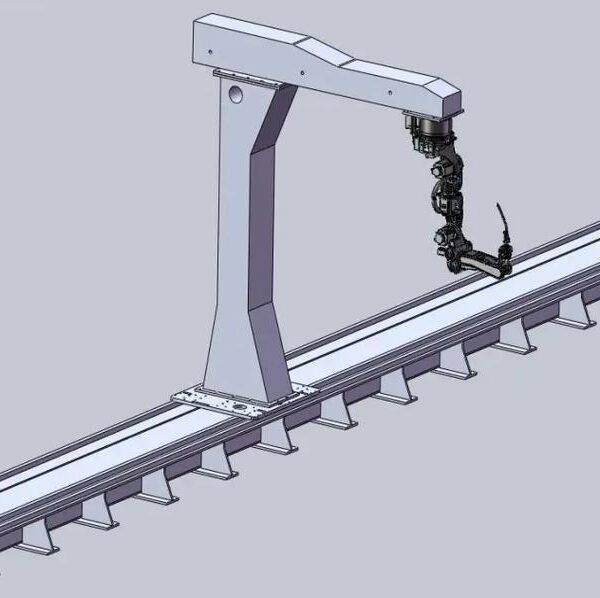

Cantilever Welding Robot solution
-
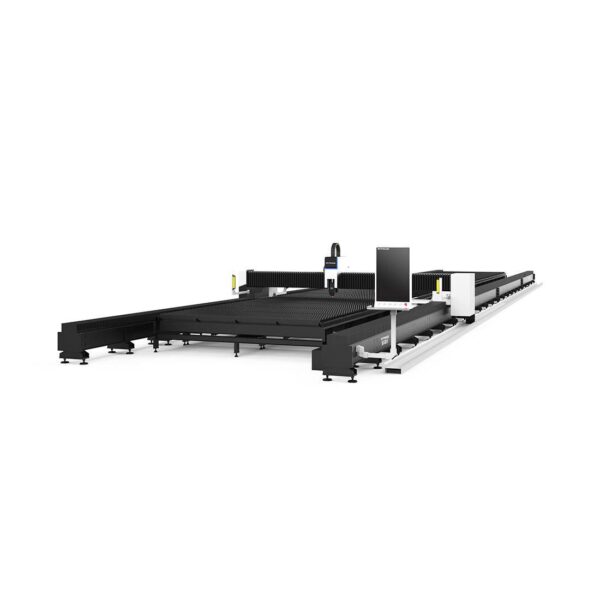

GF laser cutting machine
-
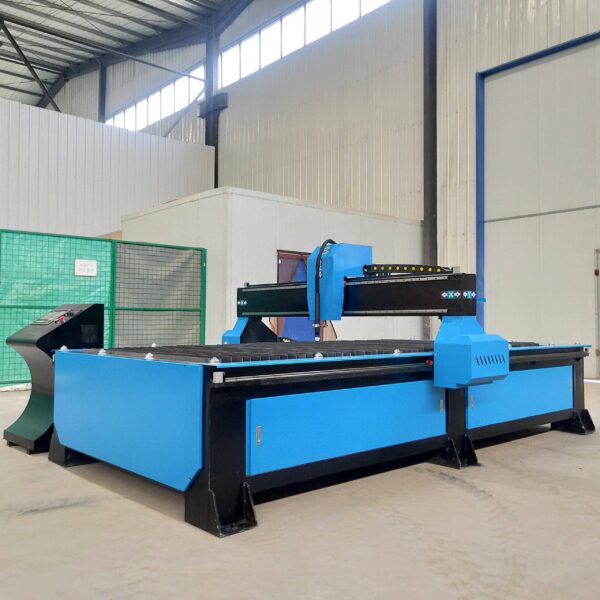
P3015 plasma cutting machine
-

LFP3015 Fiber Laser Cutter
-
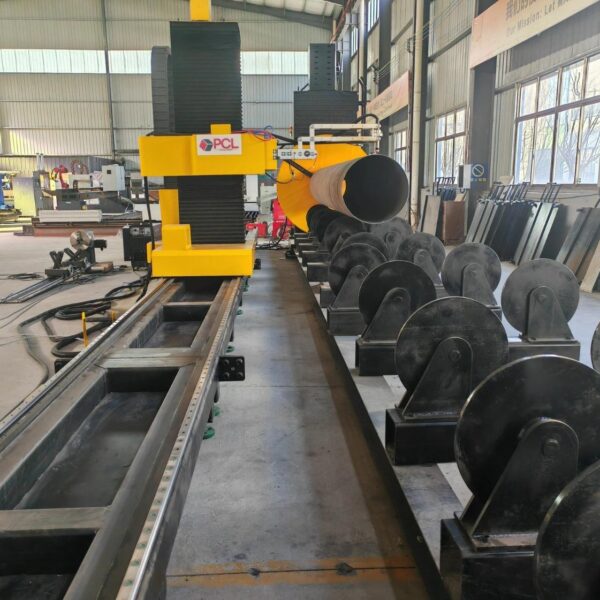
pipe plasma cutting machine
-
LFH 4020 Fiber Laser Cutting Machine
-
LFP4020
-
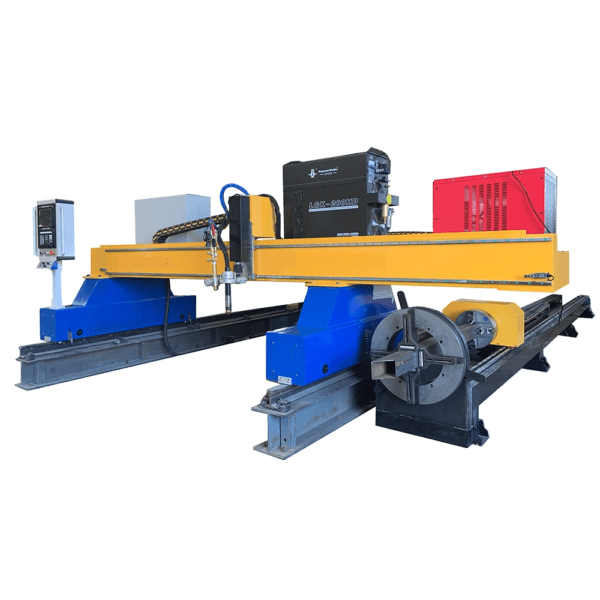
gantry plasma air cutting machine
-
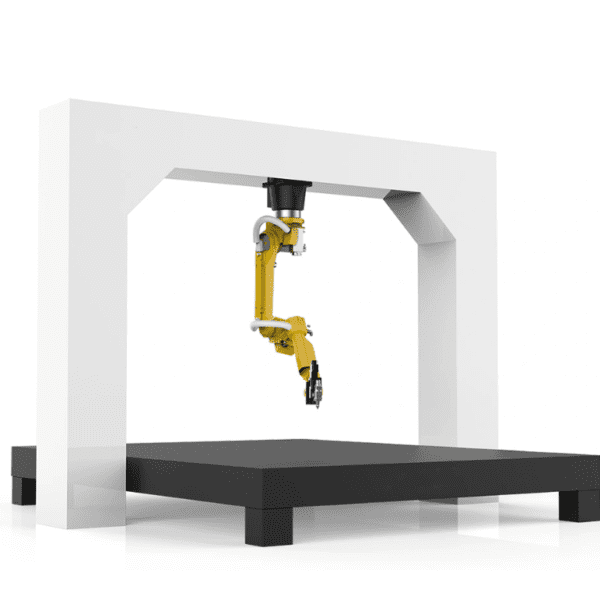
3D robot cutting machine
-
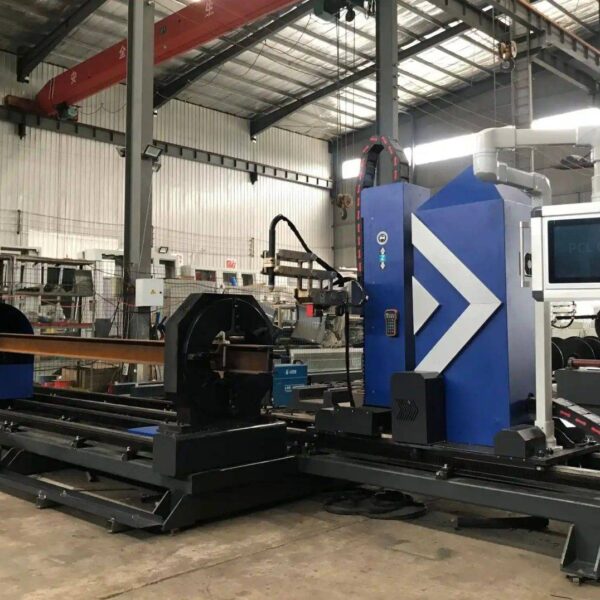
8 axis plasma cutting machine
-
5 axis plasma cutting machine
-

LT360 tube laser cutting machine
-
robot welding workstation
-
SF6060 fiber laser cutting machine
Advanced Fiber Laser Tube Processing Technology
Our CNC Fiber Laser Tube Cutting systems revolutionize metal fabrication by integrating high-precision cutting, punching, and profiling into a single automated workflow. Designed for versatility, this technology handles a wide array of profiles including Round, Square, Rectangular, and Oval tubes, as well as complex L-shaped and U-shaped channels.
- Precision Punching: High-speed hole punching with micron-level accuracy, eliminating the need for mechanical drilling or die-stamping.
- Complex Profiling: Advanced 3D pathing allows for intricate interlocking joints and specialized notch cuts, ideal for structural frames.
- High Material Efficiency: Intelligent nesting software minimizes scrap, reducing raw material costs across large production runs.
- Clean Finish: Delivers oxide-free, burr-free edges that require zero secondary grinding before welding.

Seamlessly processing multiple profiles with consistent precision.
Global Delivery & Logistics



From our high-tech manufacturing facility directly to your global site. PCL WeldCut ensures secure packaging, professional handling, and reliable international logistics to safeguard your equipment throughout the entire journey.