Engineering Precision in H-Beam Production via Plasma Cutting
In the current landscape of heavy industrial fabrication, the production of H-beams for large-scale steel structures demands a rigorous adherence to geometric tolerances and metallurgical standards. The shift toward narrow gap welding techniques has necessitated a fundamental re-evaluation of the upstream cutting processes. Unlike traditional welding preparations, narrow gap configurations require an exacting fit-up that can only be achieved through high-definition plasma cutting technology. This process serves as the primary stage in the production line, determining the overall throughput and the structural viability of the final assembly.
From an industrial engineering perspective, the selection of plasma as the primary cutting medium is driven by its ability to handle thick-plate carbon steel with high thermal efficiency. The focus remains on optimizing the duty cycle of the equipment while ensuring that the resulting edges are prepared for the specific requirements of narrow gap deep penetration. By utilizing high-current density plasma arcs, manufacturers can achieve clean, square cuts that minimize the need for secondary grinding operations, thereby reducing the total labor hours per ton of steel processed.
The Critical Role of Intersection Accuracy
The structural integrity of a steel framework depends heavily on the precision of the beam-to-column and beam-to-beam intersections. In a high-volume production line, intersection accuracy is the primary metric for evaluating the performance of the CNC cutting station. When preparing H-beams, the web and flange must be cut with a degree of synchronization that accounts for material deformation and thermal expansion during the cutting process.
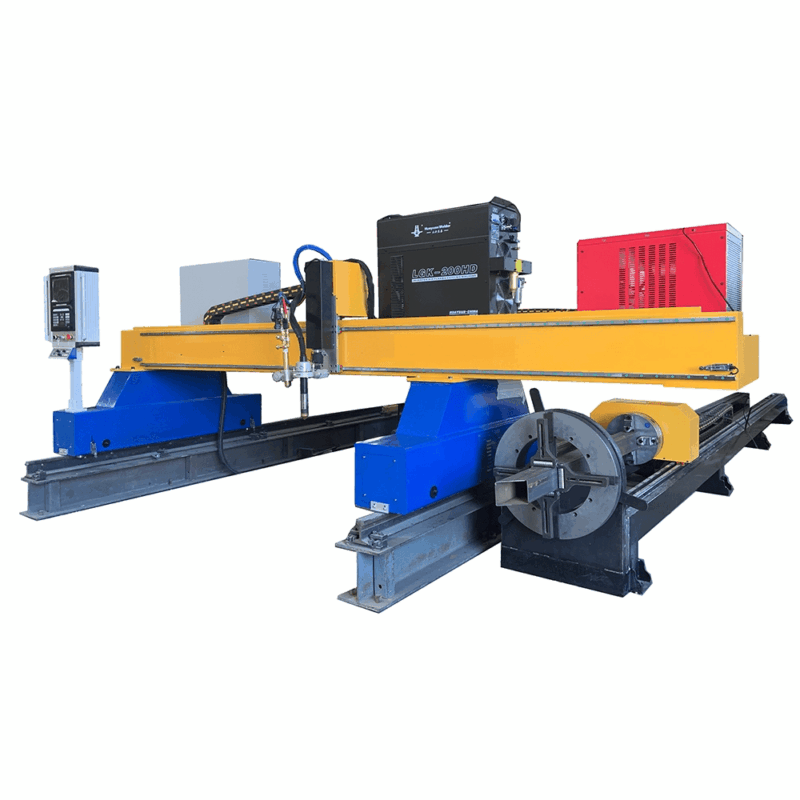
Modern plasma systems utilize sophisticated motion control algorithms to maintain the torch’s position relative to the workpiece. This is particularly vital when dealing with structural profiles that may have inherent mill tolerances or slight deviations in flatness. By employing real-time sensing and adaptive height control, the plasma system ensures that the cut path remains consistent. This level of accuracy is the prerequisite for narrow gap welding, where even a two-millimeter deviation in the root opening can lead to fusion defects or excessive weld volume, both of which compromise the economic and structural goals of the project.
Optimizing Narrow Gap Welding Preparation
Narrow gap welding is characterized by a significantly reduced groove angle, which minimizes the amount of filler metal required and reduces the total heat input into the joint. However, this technique is unforgiving regarding edge preparation. The narrow gap welding preparation must be performed with a verticality and surface finish that prevents arc wandering and ensures consistent sidewall fusion. Plasma cutting, when configured with high-definition consumables, provides the necessary edge quality to meet these demands.
The industrial engineer must calculate the kerf compensation precisely to ensure the final dimensions of the H-beam components align perfectly within the welding jig. The narrow groove necessitates a smooth surface to facilitate the stable travel of the welding torch. Any irregularities or dross on the cut surface can lead to gas pockets or slag inclusions during the welding phase. Therefore, the plasma system’s gas flow dynamics and arc voltage must be calibrated to produce a dross-free finish on the first pass.
Advanced Beveling Capabilities for Complex Geometries
Structural steel designs often require complex bevel geometries to accommodate specific loading conditions and joint designs. High-end H-Beam Production Lines integrate multi-axis robotic or gantry-mounted plasma heads capable of automated beveling. This allows for the creation of V, Y, X, and K-shaped bevels in a single pass, which is essential for facilitating the deep penetration required in narrow gap applications.
The ability to program varying bevel angles along the length of a cut or around an intersection allows for greater design flexibility. From a production efficiency standpoint, performing the beveling at the cutting station eliminates the need for separate chamfering machines. This consolidation of processes reduces material handling and the associated risks of damage or misalignment. The beveling accuracy ensures that the root face is consistent, which is the most critical factor in maintaining a stable weld pool in narrow gap joints.
H-Beam Low Maintenance and Operational Reliability
In a continuous production environment, downtime is the single greatest threat to profitability. Plasma systems are favored in heavy steel sectors due to their robust mechanical nature and the relatively simple maintenance requirements of the torch assembly. Achieving H-beam low maintenance targets involves selecting systems with durable consumable designs and simplified gas delivery circuits. Unlike more sensitive cutting technologies, plasma is resilient against the dust and vibrations common in structural steel shops.
The longevity of the electrode and nozzle is a key KPI for the industrial engineer. Modern “long-life” oxygen plasma technologies have significantly extended the interval between consumable changes, allowing for longer continuous runs. Furthermore, the modular design of current plasma power supplies enables rapid diagnostics and repair. By maintaining a strict preventive maintenance schedule focused on the cooling system and the rail alignment, facilities can achieve equipment uptime exceeding 95%, ensuring the production line remains synchronized with the welding and assembly stations.
Thermal Management and Material Integrity
While plasma cutting is a thermal process, the high speed of the arc minimizes the Heat Affected Zone (HAZ). For structural H-beams, maintaining the base metal’s mechanical properties is non-negotiable. Industrial engineers monitor the cutting speed and gas mixture to ensure that the HAZ does not lead to localized hardening or embrittlement, which could interfere with the subsequent welding process. The narrow gap technique relies on a predictable metallurgical response from the base material; therefore, the plasma cut must be executed with a thermal profile that preserves the steel’s structural characteristics.
Economic Implications of Plasma Integration
The decision to utilize plasma cutting in an H-beam line is ultimately validated by the cost-per-cut and the downstream savings in the welding department. By achieving high intersection accuracy and precise beveling, the volume of weld metal consumed is significantly reduced. In large-scale steel structure projects, where kilometers of welding are required, the reduction in filler material and shielding gas provides a substantial competitive advantage.
Furthermore, the reduction in manual rework—thanks to the high-quality edges produced by automated plasma systems—directly translates to lower overhead. The industrial engineer’s focus on the cutting stage ensures that the “First Time Right” ratio is maximized. As the industry moves toward more complex architectural shapes and higher-strength steel grades, the role of plasma cutting as the foundation of the H-beam production line becomes increasingly vital. It provides the necessary balance of speed, precision, and reliability required to sustain modern steel fabrication workflows.
Conclusion on Systemic Efficiency
To summarize, the optimization of an H-beam production line for narrow gap welding hinges on the technical performance of the plasma cutting stage. By prioritizing intersection accuracy and leveraging advanced beveling kinematics, manufacturers can ensure that the subsequent welding processes are as efficient as possible. The low maintenance requirements of the plasma hardware further ensure that the production line meets its throughput targets, providing a robust solution for the demanding requirements of global steel structure construction.
-
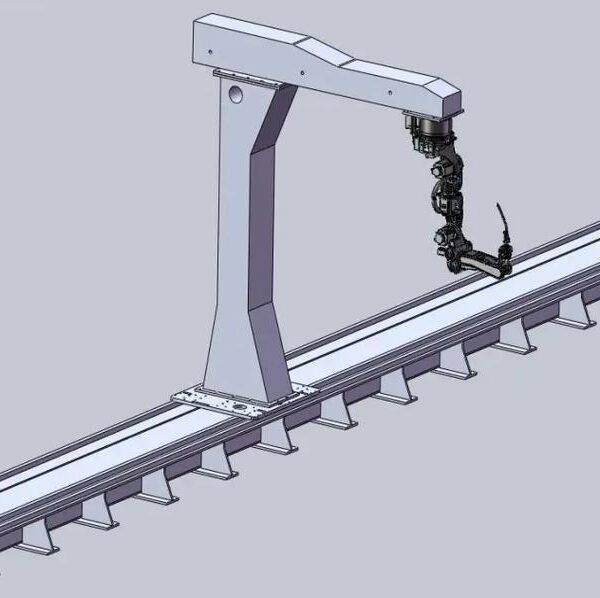

Cantilever Welding Robot solution
-
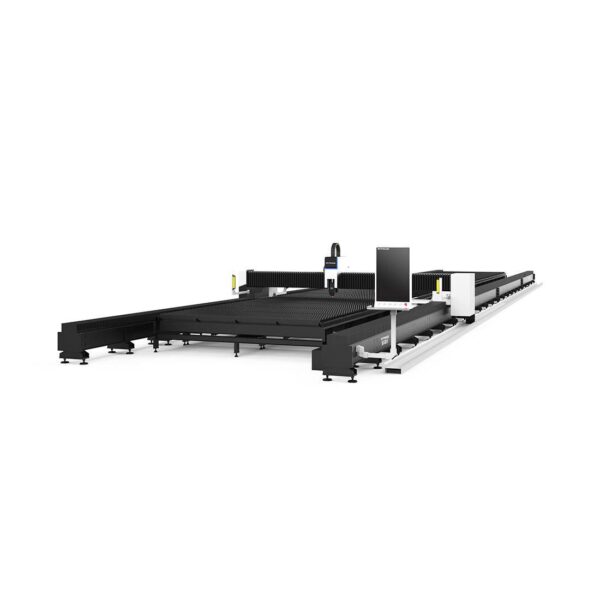

GF laser cutting machine
-
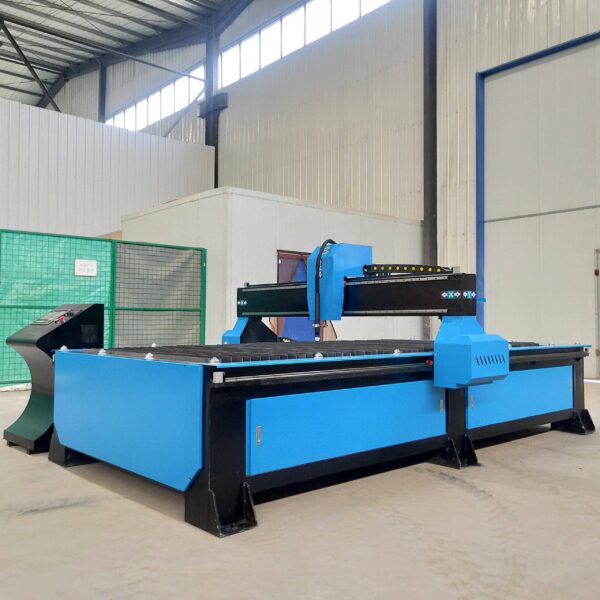
P3015 plasma cutting machine
-

LFP3015 Fiber Laser Cutter
-
pipe plasma cutting machine
-
LFH 4020 Fiber Laser Cutting Machine
-
LFP4020
-
gantry plasma air cutting machine
-
3D robot cutting machine
-
8 axis plasma cutting machine
-
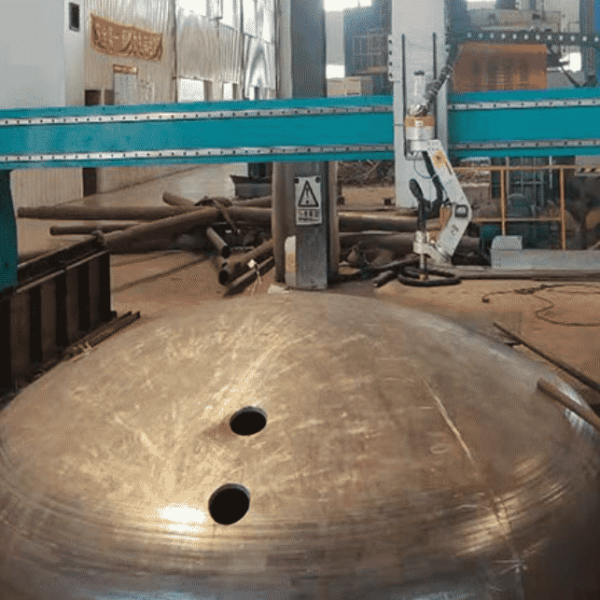
5 axis plasma cutting machine
-

LT360 tube laser cutting machine
-
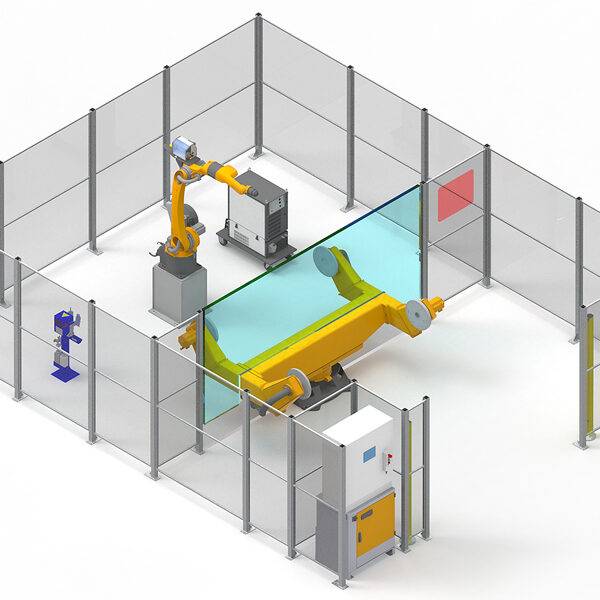
robot welding workstation
-
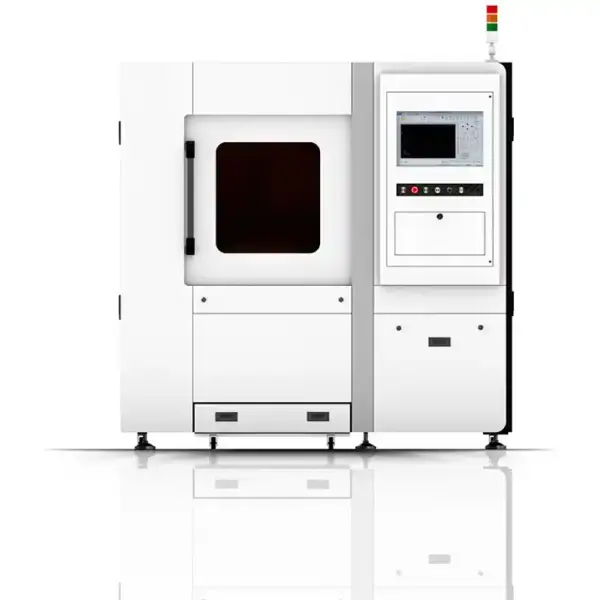
SF6060 fiber laser cutting machine
Advanced Fiber Laser Tube Processing Technology
Our CNC Fiber Laser Tube Cutting systems revolutionize metal fabrication by integrating high-precision cutting, punching, and profiling into a single automated workflow. Designed for versatility, this technology handles a wide array of profiles including Round, Square, Rectangular, and Oval tubes, as well as complex L-shaped and U-shaped channels.
- Precision Punching: High-speed hole punching with micron-level accuracy, eliminating the need for mechanical drilling or die-stamping.
- Complex Profiling: Advanced 3D pathing allows for intricate interlocking joints and specialized notch cuts, ideal for structural frames.
- High Material Efficiency: Intelligent nesting software minimizes scrap, reducing raw material costs across large production runs.
- Clean Finish: Delivers oxide-free, burr-free edges that require zero secondary grinding before welding.

Seamlessly processing multiple profiles with consistent precision.
Global Delivery & Logistics



From our high-tech manufacturing facility directly to your global site. PCL WeldCut ensures secure packaging, professional handling, and reliable international logistics to safeguard your equipment throughout the entire journey.