Optimizing H-Beam Fabrication via Advanced Plasma Cutting Systems
In the heavy industries of maritime construction, the H-Beam Production Line serves as the fundamental architecture for hull reinforcement and deck support. The shift toward automated thermal cutting has replaced traditional manual marking and mechanical sawing, primarily due to the demand for higher throughput and superior edge quality. For shipbuilders, the objective is to move from raw steel sections to weld-ready components with minimal manual intervention. Plasma cutting technology has emerged as the industrial standard for this transition, offering a balance of speed, thickness capacity, and metallurgical consistency that is essential for the high-stress environments of ocean-going vessels.
Precision Kinematics and Intersection Accuracy
The structural integrity of a ship’s frame relies heavily on the fit-up between intersecting longitudinal and transverse members. Intersection accuracy in H-beam production refers to the ability of the cutting system to create complex “rat holes,” scallops, and coping cuts that align perfectly with the mating surfaces of other structural elements. High-definition plasma systems, mounted on multi-axis robotic arms or gantry-based CNC units, utilize advanced interpolation algorithms to maintain consistent torch standoff distances even when traversing the web and flange transitions.
Mechanical deviations in H-beam geometry—such as flange out-of-squareness or web off-center conditions—are common in hot-rolled sections. Modern plasma cutting cells incorporate laser or tactile probing to map the actual profile of each beam before the cut begins. This “measure-and-compensate” workflow ensures that every notch and bolt hole is placed relative to the actual steel dimensions rather than a theoretical CAD model. This level of precision is critical for maintaining the tight tolerances required by automated welding systems downstream, where even a two-millimeter gap can lead to burn-through or excessive filler metal consumption.
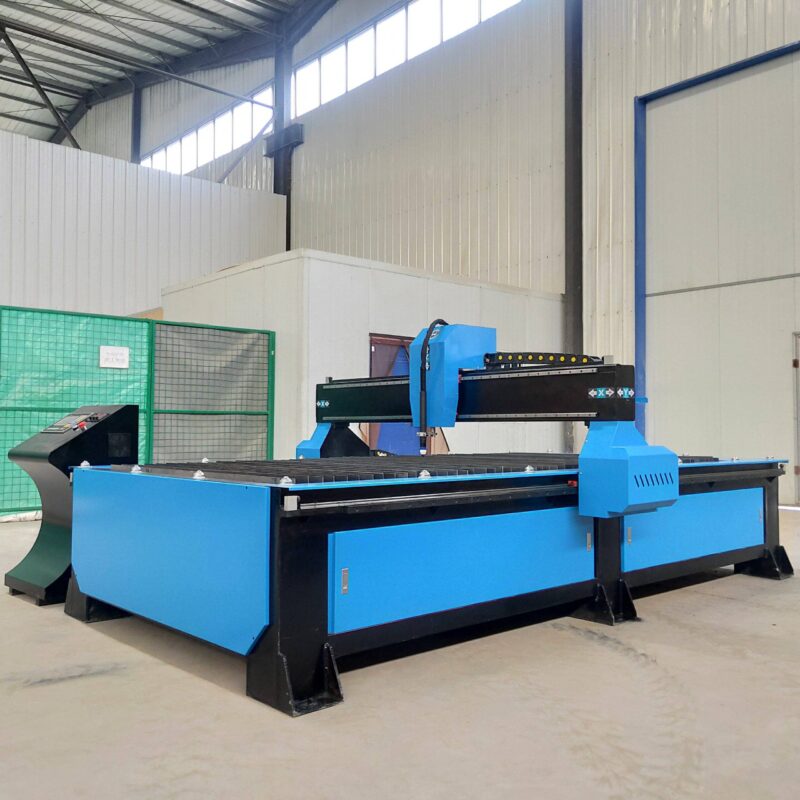
Advanced Beveling for Narrow Gap Welding Preparation
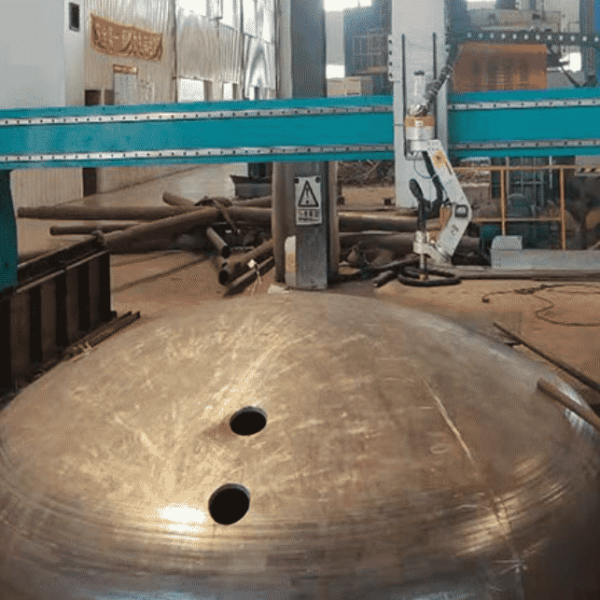
One of the most significant bottlenecks in shipbuilding is the volume of weld metal required for thick-plate joinery. To combat this, Narrow Gap welding has been adopted to reduce the groove angle, thereby decreasing the number of passes and the total heat input. However, the success of this process is entirely dependent on the geometry of the joint preparation. Plasma cutting excels in this area by providing 5-axis beveling capabilities that can create precise V, Y, and K profiles with extreme angular consistency.
In a Narrow Gap configuration, the bevel angle is often reduced to between 3 and 10 degrees. Achieving this consistently on an H-beam flange requires a plasma torch capable of maintaining arc stability at acute angles. High-definition plasma power sources use specialized gas swirl technology to constrict the arc, resulting in a narrower kerf and a smaller heat-affected zone (HAZ). This precise control allows the production line to produce H-beams that are immediately ready for deep-penetration welding, eliminating the need for secondary grinding or edge dressing, which are both labor-intensive and ergonomically hazardous.
Metallurgical Impact and Edge Quality
The thermal cycle of Plasma Cutting is significantly faster than oxy-fuel processes. This speed is not merely a matter of productivity; it is a metallurgical necessity. Rapid cutting minimizes the time the base metal spends at critical temperatures, which prevents excessive grain growth and maintains the toughness of the marine-grade steel. for Shipbuilding steels like DH36 or EH36, preserving the mechanical properties of the edge is vital for fatigue resistance. The resulting edge is clean, with minimal dross attachment, ensuring that the subsequent welding arc is not contaminated by oxides or carbon inclusions.
H-Beam Low Maintenance and Operational Robustness
From an industrial engineering perspective, the Total Cost of Ownership (TCO) of a production line is dictated by its uptime. H-beam low maintenance characteristics are a primary reason why plasma remains the preferred thermal cutting medium in shipyards. Unlike more delicate optical systems, plasma systems are inherently robust and designed to operate in high-dust, high-vibration environments. The components of a plasma torch—nozzles, electrodes, and swirl rings—are consumable items designed for rapid replacement, often featuring “quick-change” designs that allow the line to resume operation in minutes.
The maintenance profile is further improved by the elimination of complex water-cooling systems for optics or sensitive gas delivery paths. Modern plasma power supplies are inverter-based, offering high electrical efficiency and self-diagnostic capabilities that alert operators to gas pressure fluctuations or electrode wear before cut quality degrades. In a continuous production environment, this predictability allows for scheduled preventative maintenance, avoiding the catastrophic failures that can halt an entire shipyard’s fabrication flow.
Integration with Automated Material Handling
A high-performance H-beam line integrates the plasma cutting station with sophisticated material handling systems. Cross-transfers, infeed conveyors, and outfeed buffers ensure that the plasma torch has a high duty cycle. By utilizing “floating” or “split” gantry designs, one beam can be loaded or unloaded while another is being processed. The software integration between the CNC controller and the shipyard’s PLM (Product Lifecycle Management) system allows for real-time tracking of parts, ensuring that every cut H-beam is sequenced correctly for the block assembly stage.
Efficiency Through Arc Stability and Consumable Life
The economic viability of plasma cutting in shipbuilding is tied to the longevity of its consumables. Recent innovations in “long-life” oxygen plasma technology have doubled the number of pierces possible before a nozzle change is required. By controlling the ramp-up and ramp-down of gas pressures and current, the system prevents the “blowback” of molten metal that typically damages the torch. For an H-beam production line, this means fewer interruptions during long beveling cuts on thick flanges, where a mid-cut failure could result in the scrapping of an expensive structural member.
Conclusion: Scaling Production for Modern Marine Requirements
The transition to Narrow Gap welding in shipbuilding necessitates a fundamental shift in how H-beams are prepared. The reliance on plasma cutting for its intersection accuracy and beveling precision provides the necessary technical foundation for this evolution. By prioritizing a production line that emphasizes low maintenance and high geometric fidelity, shipbuilders can achieve the throughput required to meet aggressive delivery schedules. As the industry continues to move toward higher levels of automation, the role of the plasma-cutting cell as the primary engine of fabrication remains unchallenged, providing the speed, versatility, and reliability essential for modern naval architecture.
-
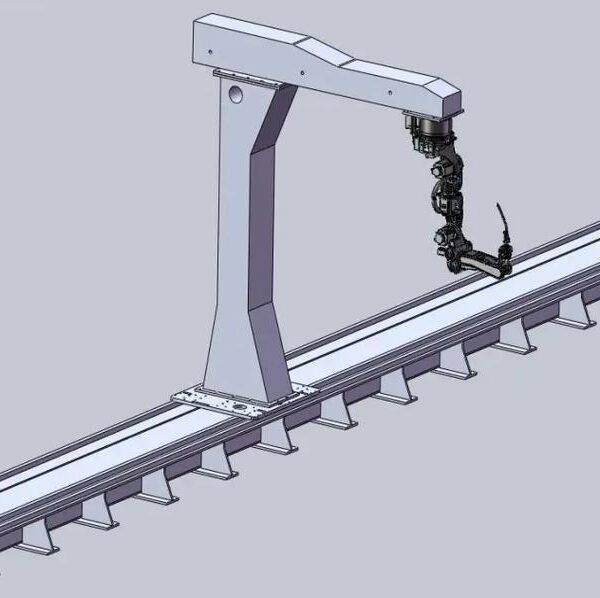

Cantilever Welding Robot solution
-
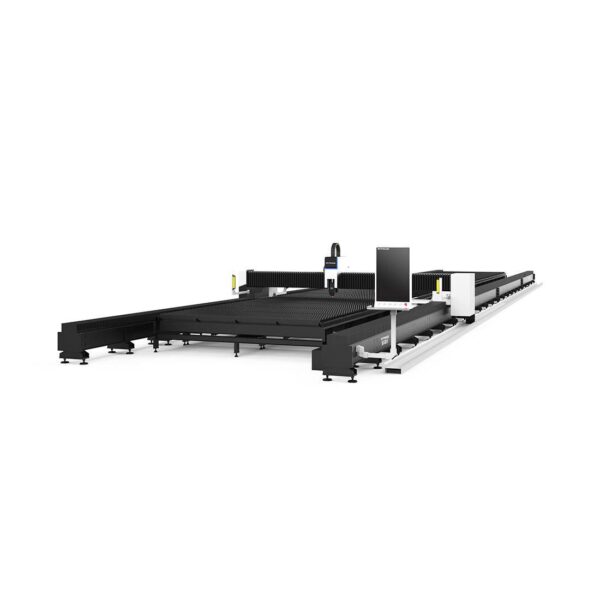

GF laser cutting machine
-
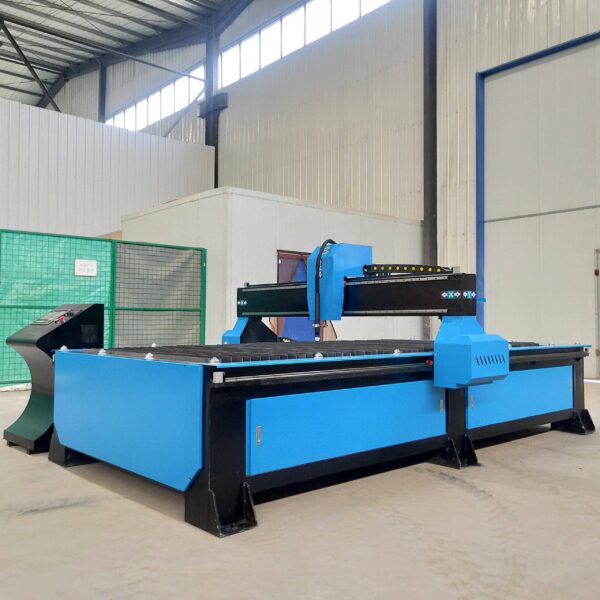
P3015 plasma cutting machine
-

LFP3015 Fiber Laser Cutter
-
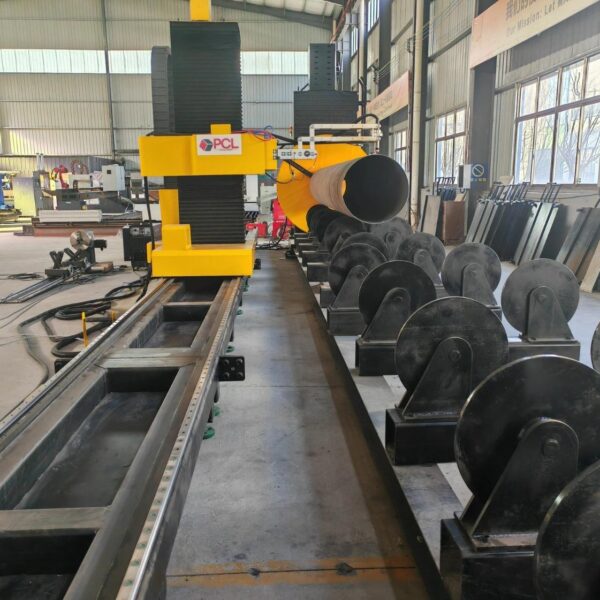
pipe plasma cutting machine
-
LFH 4020 Fiber Laser Cutting Machine
-
LFP4020
-
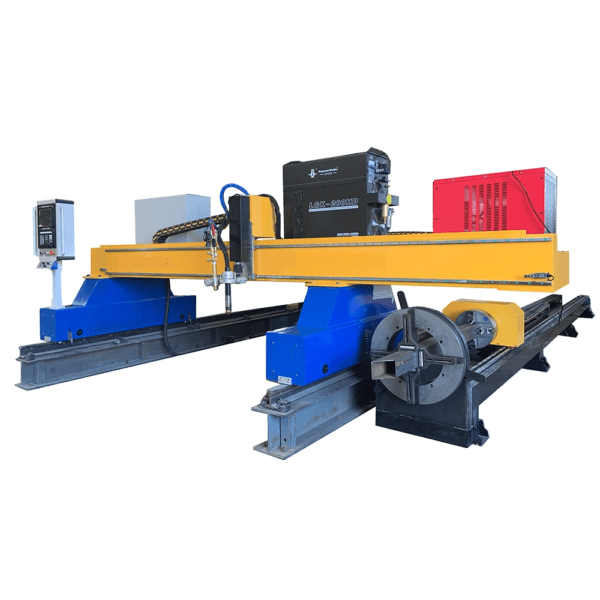
gantry plasma air cutting machine
-
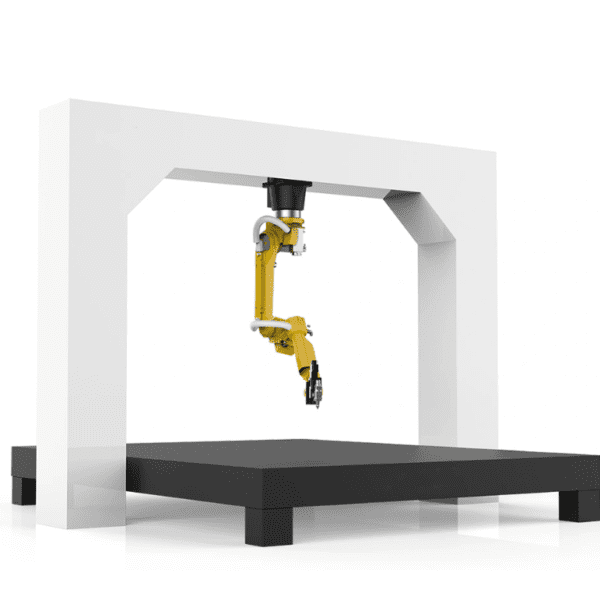
3D robot cutting machine
-
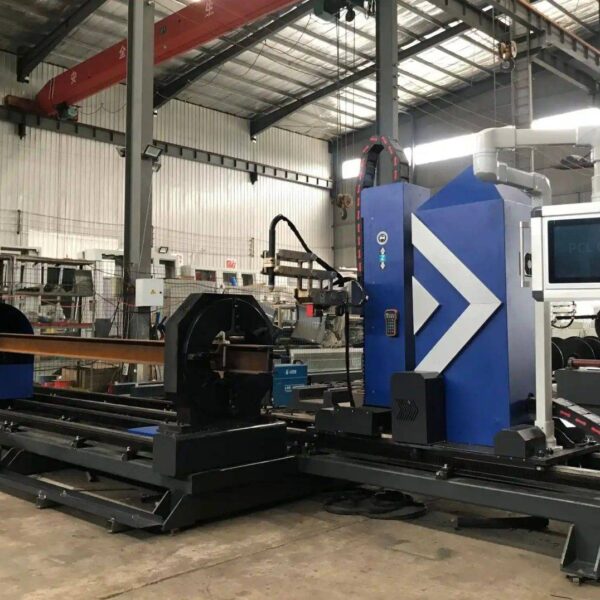
8 axis plasma cutting machine
-
5 axis plasma cutting machine
-

LT360 tube laser cutting machine
-
robot welding workstation
-
SF6060 fiber laser cutting machine
Advanced Fiber Laser Tube Processing Technology
Our CNC Fiber Laser Tube Cutting systems revolutionize metal fabrication by integrating high-precision cutting, punching, and profiling into a single automated workflow. Designed for versatility, this technology handles a wide array of profiles including Round, Square, Rectangular, and Oval tubes, as well as complex L-shaped and U-shaped channels.
- Precision Punching: High-speed hole punching with micron-level accuracy, eliminating the need for mechanical drilling or die-stamping.
- Complex Profiling: Advanced 3D pathing allows for intricate interlocking joints and specialized notch cuts, ideal for structural frames.
- High Material Efficiency: Intelligent nesting software minimizes scrap, reducing raw material costs across large production runs.
- Clean Finish: Delivers oxide-free, burr-free edges that require zero secondary grinding before welding.

Seamlessly processing multiple profiles with consistent precision.
Global Delivery & Logistics



From our high-tech manufacturing facility directly to your global site. PCL WeldCut ensures secure packaging, professional handling, and reliable international logistics to safeguard your equipment throughout the entire journey.