Optimization of H-Beam Production via High-Definition Plasma Cutting
In the construction of large-scale Oil and Gas storage tanks, the structural foundation relies heavily on H-beams that can withstand immense hydrostatic loads and environmental stresses. The efficiency of the H-Beam Production Line is dictated by the precision of the initial fabrication stages, specifically the cutting and preparation of the web and flange components. High-definition plasma cutting has emerged as the industrial standard for this application, offering a balance of speed, thickness capacity, and Plasma Cutting Accuracy that is essential for downstream narrow gap welding processes.
The transition from traditional mechanical sawing or standard oxy-fuel cutting to automated plasma systems addresses the critical need for geometric consistency. In the context of Oil and Gas infrastructure, where material grades such as ASTM A572 or A992 are common, the plasma process provides a refined thermal energy density that minimizes the Heat Affected Zone (HAZ), preserving the metallurgical integrity of the structural steel.
Intersection Accuracy in Complex Structural Frameworks
One of the primary challenges in H-beam fabrication for tank supports is the accuracy of intersections. These beams often require complex notches, cope cuts, and bolt hole clusters to facilitate modular assembly on-site. The integration of 5-axis plasma heads allows for the simultaneous cutting of the web and flanges with a single pass, ensuring that the spatial relationship between all cut features remains within a sub-millimeter tolerance range.
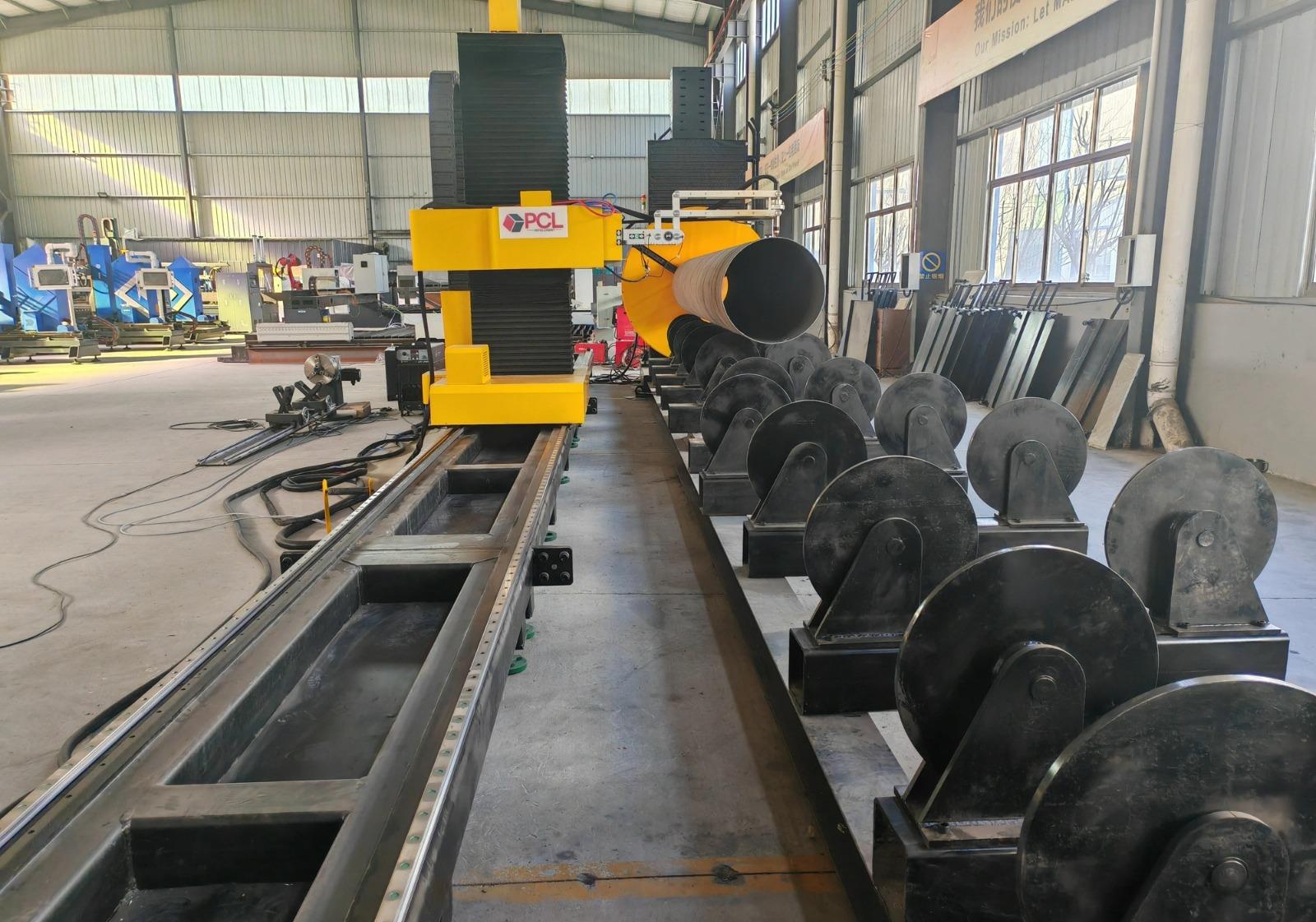
Precision in intersection geometry is not merely an aesthetic requirement; it is a structural necessity. When H-beams are joined to form the circular or grid-based support structures of a tank, any deviation in the cut angle leads to fit-up gaps. These gaps necessitate excessive filler material and increase the risk of hydrogen-induced cracking. High-definition plasma systems utilize sophisticated Torch Height Control (THC) and real-time voltage sensing to compensate for any inherent plate waviness, ensuring that the H-Beam Structural Integrity is maintained through perfectly squared or angled intersections.
Advanced Beveling for Narrow Gap Welding Preparation
Narrow gap welding (NGW) is the preferred joining method for thick-walled H-beams in the energy sector due to its ability to reduce the volume of weld metal and minimize total heat input. However, NGW is extremely sensitive to groove geometry. The plasma cutting station must be capable of producing consistent V, Y, or K-bevels with a tight tolerance on the root face and bevel angle.
Modern plasma power supplies, paired with specialized gas consoles, allow for the use of oxygen-nitrogen or argon-hydrogen gas mixtures to produce clean, dross-free bevels. The Narrow Gap Welding Preparation stage involves a steep-angle bevel (often between 3 and 7 degrees) that requires the plasma arc to remain stable at varying standoff distances. By utilizing high-definition plasma, the production line can achieve a surface finish that often bypasses the need for secondary grinding, directly feeding the NGW stations and significantly reducing the cycle time per beam.
Metallurgical Considerations and Edge Quality
The chemistry of the cut edge is vital in Oil and Gas applications, where the weld must pass rigorous non-destructive testing (NDT), including ultrasonic and radiographic inspections. Plasma cutting, when calibrated correctly, produces an edge with minimal carbon enrichment. This is achieved by controlling the secondary gas flow, which shields the molten pool during the kerf exit. For narrow gap applications, a clean edge ensures that the fusion zone is free from inclusions, which is critical when the tank is subjected to cryogenic or high-temperature cycles during operation.
Operational Efficiency and Low Maintenance Requirements
Industrial engineers prioritize uptime and Mean Time Between Failures (MTBF). Plasma systems are engineered for the rugged environment of a structural steel mill. Unlike more delicate cutting technologies, plasma torches are resilient to dust, vibration, and the slight material imperfections common in hot-rolled H-beams. The maintenance profile of a plasma-based line is centered on predictable consumable wear.
The evolution of “long-life” oxygen consumables has drastically reduced the frequency of electrode and nozzle changes. In a high-volume H-beam facility, this translates to longer continuous shifts. Furthermore, the cooling systems in modern plasma power units are closed-loop, preventing internal contamination and ensuring that the high-duty cycles required for 24/7 production are met without thermal tripping. The Automated Beveling Cycles programmed into the CNC controller further reduce the reliance on highly skilled manual operators, mitigating the risk of human error in complex bevel geometries.
Integration with Automated Material Handling
An H-beam production line is only as fast as its slowest bottleneck. To maximize the throughput of the plasma cutting station, integrated material handling systems are employed. Infeed conveyors equipped with laser measurement sensors pre-scan the H-beam’s dimensions, accounting for mill tolerances in flange height and web thickness. This data is fed into the plasma CNC, which adjusts the cutting path dynamically.
This “measure-and-cut” workflow ensures that even if the raw material has slight dimensional variances, the final cut parts are identical. This level of automation is essential for the narrow gap welding process, as the welding robots expect a highly standardized groove. The synergy between the plasma’s mechanical precision and the software’s adaptive algorithms results in a production line that maximizes material yield and minimizes scrap.
Conclusion: Technical Dominance of Plasma in Heavy Fabrication
For the specialized requirements of Oil and Gas tank construction, the selection of plasma cutting technology within the H-beam production line is a strategic engineering decision. The capability to handle large-scale structural sections while delivering the precision required for narrow gap welding makes it indispensable. By focusing on intersection accuracy, robust maintenance protocols, and advanced beveling capabilities, industrial facilities can ensure they meet the stringent safety and quality standards demanded by the energy industry. The resulting structures are not only fabricated faster but possess the long-term reliability required for critical infrastructure.
-
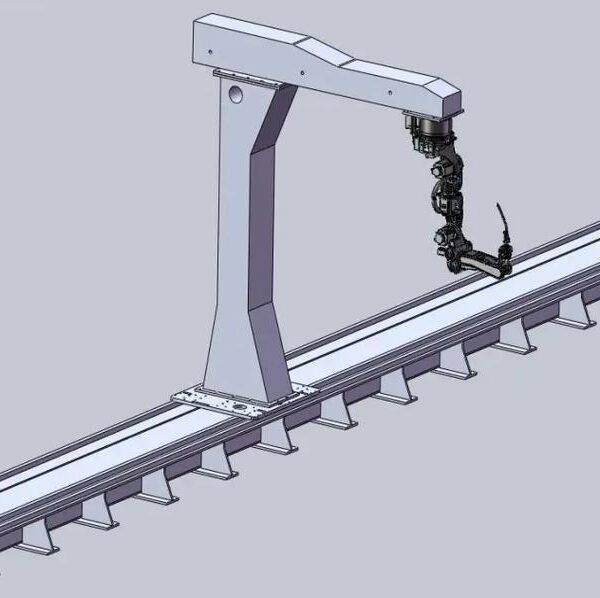

Cantilever Welding Robot solution
-
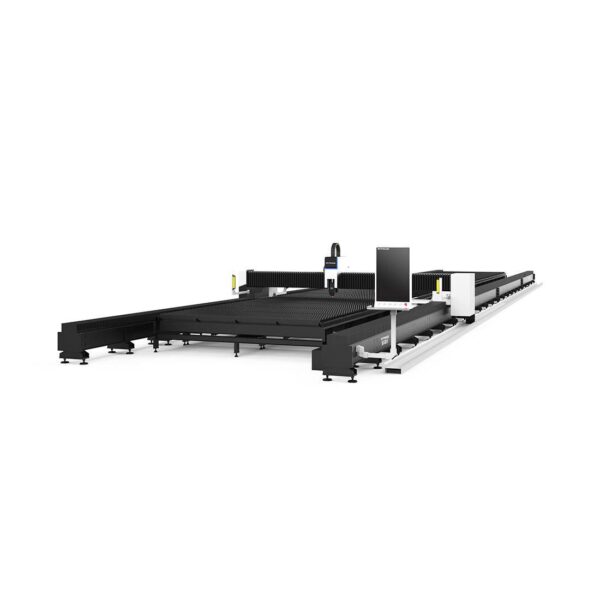

GF laser cutting machine
-
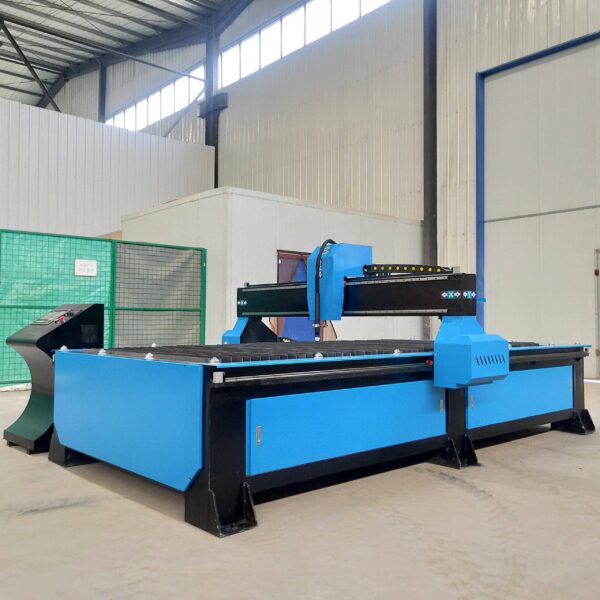
P3015 plasma cutting machine
-

LFP3015 Fiber Laser Cutter
-

pipe plasma cutting machine
-
LFH 4020 Fiber Laser Cutting Machine
-
LFP4020
-
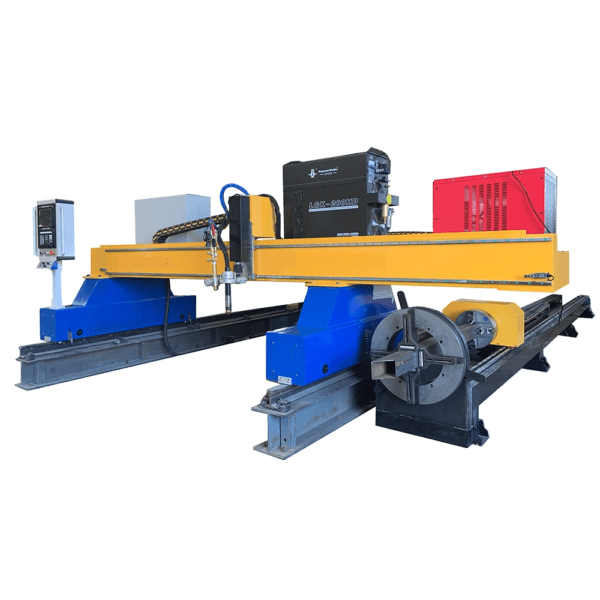
gantry plasma air cutting machine
-
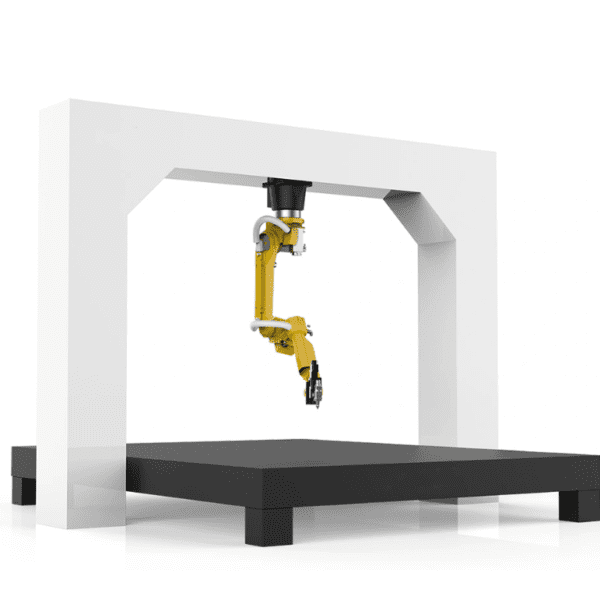
3D robot cutting machine
-
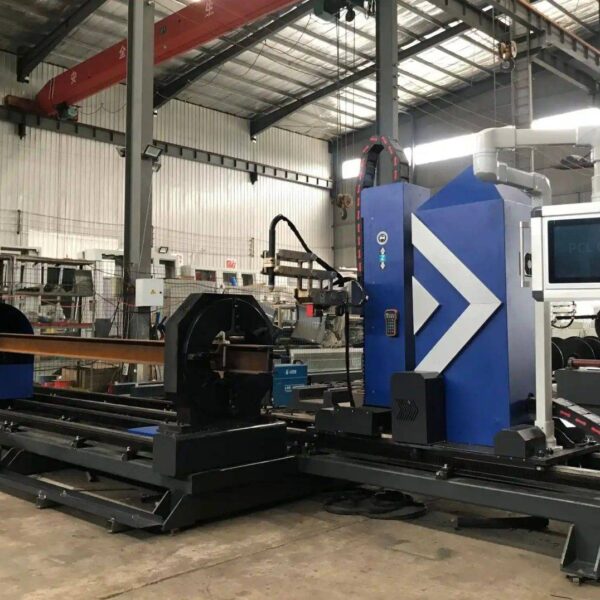
8 axis plasma cutting machine
-
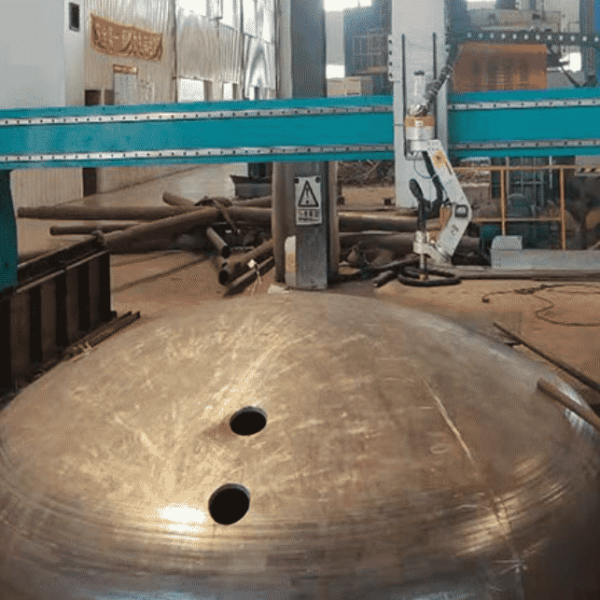
5 axis plasma cutting machine
-

LT360 tube laser cutting machine
-
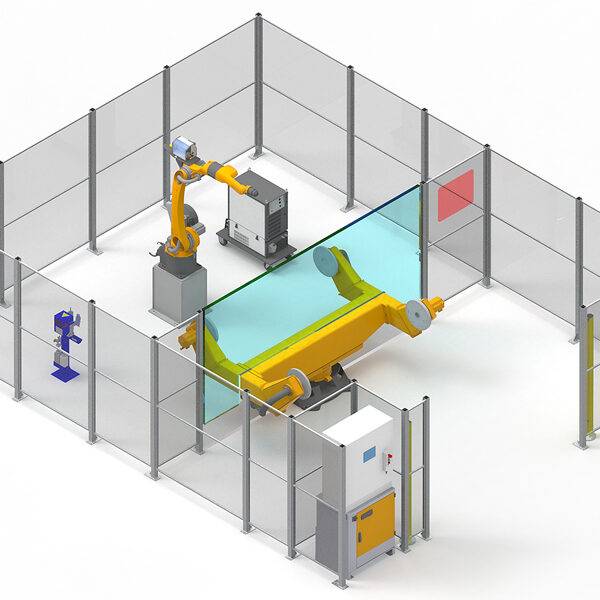
robot welding workstation
-
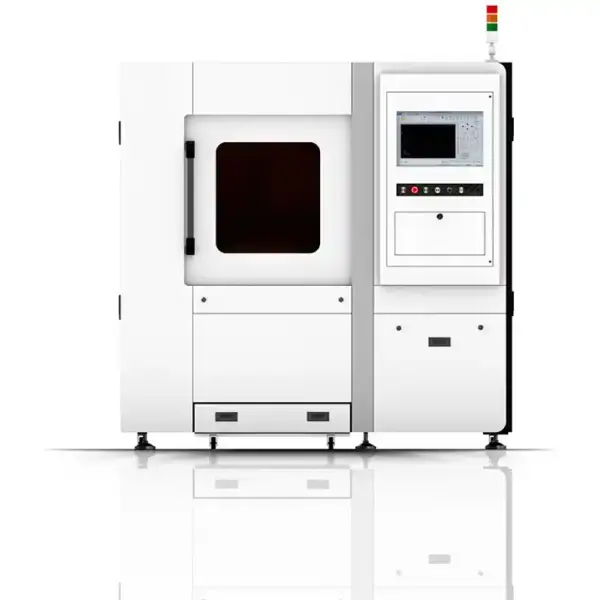
SF6060 fiber laser cutting machine
Advanced Fiber Laser Tube Processing Technology
Our CNC Fiber Laser Tube Cutting systems revolutionize metal fabrication by integrating high-precision cutting, punching, and profiling into a single automated workflow. Designed for versatility, this technology handles a wide array of profiles including Round, Square, Rectangular, and Oval tubes, as well as complex L-shaped and U-shaped channels.
- Precision Punching: High-speed hole punching with micron-level accuracy, eliminating the need for mechanical drilling or die-stamping.
- Complex Profiling: Advanced 3D pathing allows for intricate interlocking joints and specialized notch cuts, ideal for structural frames.
- High Material Efficiency: Intelligent nesting software minimizes scrap, reducing raw material costs across large production runs.
- Clean Finish: Delivers oxide-free, burr-free edges that require zero secondary grinding before welding.

Seamlessly processing multiple profiles with consistent precision.
Global Delivery & Logistics



From our high-tech manufacturing facility directly to your global site. PCL WeldCut ensures secure packaging, professional handling, and reliable international logistics to safeguard your equipment throughout the entire journey.