In the construction of Oil & Gas storage tanks, the structural skeleton often relies on heavy-duty H-beams designed to withstand immense hydrostatic pressure and environmental loading. The transition toward automated production lines has highlighted a critical bottleneck: the preparation of joints for deep-penetration welding. To achieve the requisite structural integrity, industrial engineers are increasingly prioritizing high-definition Plasma Cutting stations. Unlike traditional mechanical sawing or manual oxy-fuel methods, plasma technology integrated into a synchronized H-beam line offers the precision necessary for narrow gap weld preparations, ensuring that the finished tank assembly meets API 650 or similar international standards.
Precision Intersection Accuracy in Heavy H-Beam Fabrication
The core challenge in H-beam fabrication for the energy sector lies in the geometry of the intersection points. When a web plate meets a flange, or when cross-members intersect a primary support beam, the fit-up must be nearly seamless. Plasma cutting systems equipped with advanced CNC controllers provide intersection accuracy within tolerances of plus or minus 0.5mm. This level of precision is not merely for aesthetics; it is a functional requirement for narrow gap welding processes.
Narrow gap welding involves a reduced groove angle, which significantly decreases the volume of filler metal required and minimizes the heat input into the base material. However, this process is highly sensitive to variations in the joint gap. If the plasma-cut edge deviates even slightly, the automated welding torch may experience fluctuations in arc voltage or improper sidewall fusion. By utilizing high-definition plasma with sophisticated kerf compensation algorithms, engineers can ensure that the “land” and the “groove” are perfectly aligned across the entire length of the H-beam. This consistency eliminates the need for manual grinding or “buttering” of the joints, directly increasing the Overall Equipment Effectiveness (OEE) of the production line.
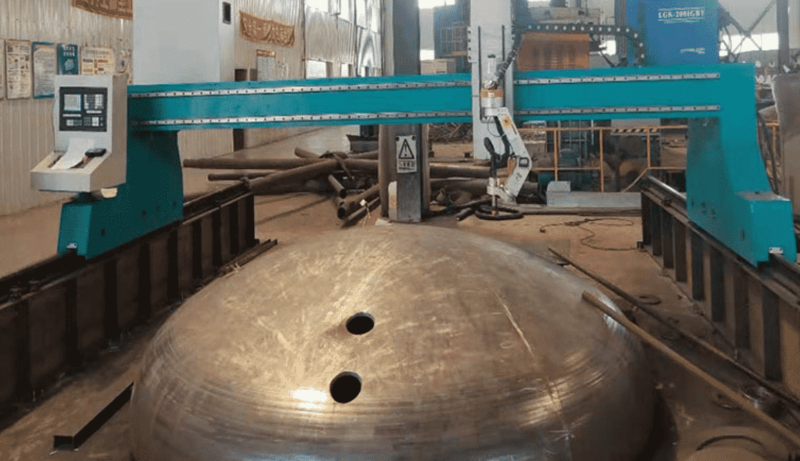
Kinematic Calibration and Motion Control
Achieving high intersection accuracy requires a robust mechanical platform. In an H-beam line, the plasma torch is typically mounted on a multi-axis gantry or a robotic arm. The integration of thermal cutting precision relies on the synchronization between the longitudinal travel of the beam and the transverse movement of the torch. Industrial engineers focus on the stiffness of the gantry and the resolution of the servo motors to prevent vibrations that could cause “scalloping” on the cut surface. Smooth, dross-free cuts are essential because any surface irregularity can act as a stress concentrator in an Oil & Gas environment, potentially leading to fatigue failure over decades of service.
Multi-Axis Beveling for Narrow Gap Preparation
Standard perpendicular cuts are rarely sufficient for the high-pressure requirements of tank reinforcements. Multi-axis plasma heads allow for complex beveling, including V, Y, X, and K-groove profiles. For narrow gap welding, the ability to produce a J-groove or a steep-angle V-bevel is paramount. The plasma system must maintain a constant standoff distance, even when the torch is tilted at an extreme angle. This is achieved through advanced Torch Height Control (THC) systems that respond in milliseconds to any slight warping in the steel plate.
Optimizing the Heat Affected Zone (HAZ)
One of the primary concerns in Oil & Gas metallurgy is the Heat Affected Zone. While all thermal cutting processes introduce heat, modern high-definition plasma systems use secondary shielding gases or water-injection techniques to constrict the arc. This constriction increases the energy density, allowing for faster travel speeds. Faster speeds result in a narrower HAZ, preserving the mechanical properties of the high-strength low-alloy (HSLA) steels typically used in H-beam production. By controlling the plasma gas flow and current ramp-down, the system ensures that the start and end of the cut (the lead-in and lead-out) do not leave divots or pockmarks that would compromise the narrow gap weld bead.
Reliability and Low Maintenance in Industrial Environments
From an operational standpoint, the H-Beam Production Line must maintain high uptime. Plasma systems are favored in heavy structural shops because they offer low maintenance compared to alternative technologies. In the dusty, vibration-heavy atmosphere of a tank fabrication facility, the robustness of the plasma torch is a significant advantage. There are no sensitive optics to align, and the consumables (nozzles, electrodes, and swirl rings) are designed for rapid replacement.
Consumable Lifecycle Management
Industrial engineers optimize the cost-per-foot of cutting by monitoring consumable wear. Modern plasma power supplies feature digital monitoring that alerts operators when a nozzle is approaching the end of its service life. This predictive maintenance prevents “blowouts” that could damage a costly H-beam section. Furthermore, the absence of complex beam-delivery systems means that the plasma station can be serviced by in-house maintenance teams without requiring specialized external technicians, reducing the Total Cost of Ownership (TCO).
Durable Mechanical Components
The lead screws, linear rails, and rack-and-pinion drives used in plasma H-beam lines are engineered for heavy-duty cycles. Since the process involves high-current electrical arcs, the shielding and grounding of the control electronics are critical to prevent Electromagnetic Interference (EMI). A well-designed line utilizes ruggedized components that can withstand the sparks and metallic dust inherent in the cutting process, ensuring that the system remains operational for three-shift schedules commonly found in large-scale energy projects.
Integration into the Automated Workflow
The plasma cutting station does not operate in isolation. In a modern H-beam line, it is the “brain” that dictates the flow of the subsequent welding stages. The CNC data used for cutting the web and flanges is often pulled directly from TEKLA or other BIM software, ensuring that every bolt hole, cope, and bevel is accurately placed. When the plasma-cut components move to the narrow gap welding station, the fit-up is guaranteed by the digital accuracy of the preceding cut.
This seamless data flow reduces the “buffer” time between stations. Because the plasma system can handle various thicknesses—from 10mm web plates to 50mm flanges—without needing a tool change, the production line remains flexible. This flexibility is vital for Oil & Gas projects where tank designs may vary significantly in height and diameter, requiring a mix of standard and custom H-beam profiles. By leveraging plasma arc stability, the production line achieves a level of repeatability that manual methods cannot match, directly contributing to the safety and longevity of the energy infrastructure.
Conclusion
For industrial engineers overseeing the fabrication of Oil & Gas storage tanks, the choice of cutting technology is a foundational decision. High-definition plasma cutting provides the necessary balance of speed, intersection accuracy, and beveling capability to feed an automated narrow gap welding line. By focusing on robust mechanical design and low-maintenance operation, facilities can produce high-strength H-beams that meet the most rigorous safety standards while maintaining a competitive edge in production efficiency. The integration of plasma technology ensures that the structural backbone of our energy storage systems is built with the precision required for long-term reliability.
-
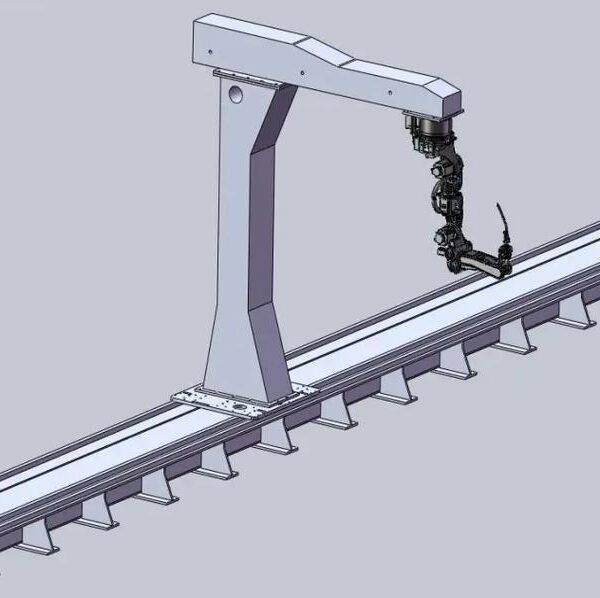

Cantilever Welding Robot solution
-
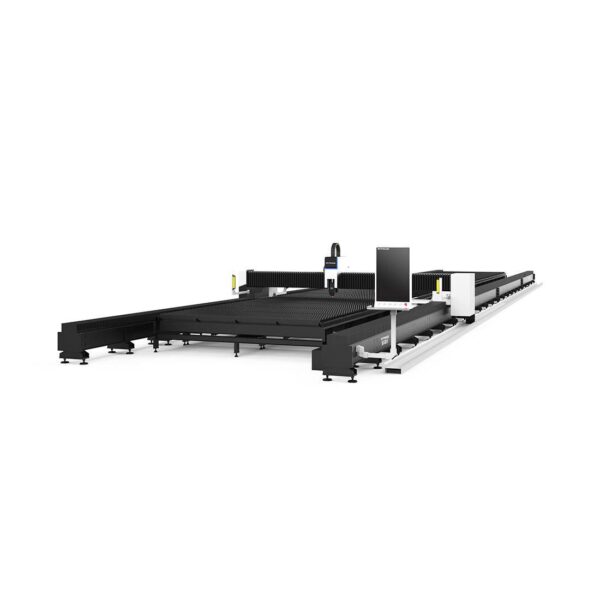

GF laser cutting machine
-
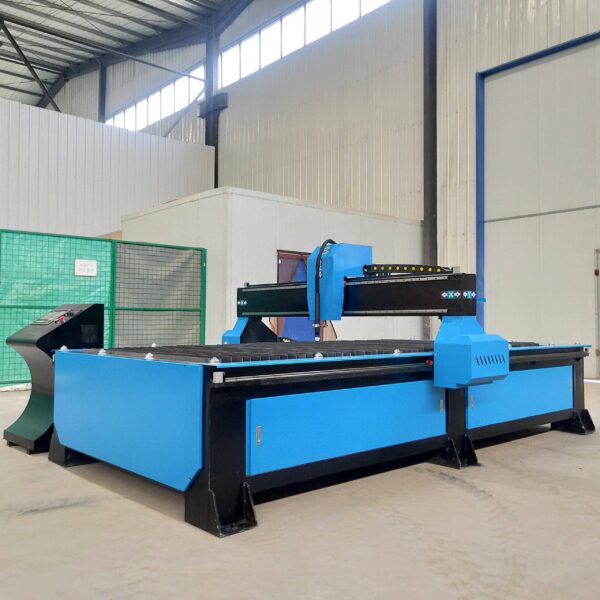
P3015 plasma cutting machine
-

LFP3015 Fiber Laser Cutter
-
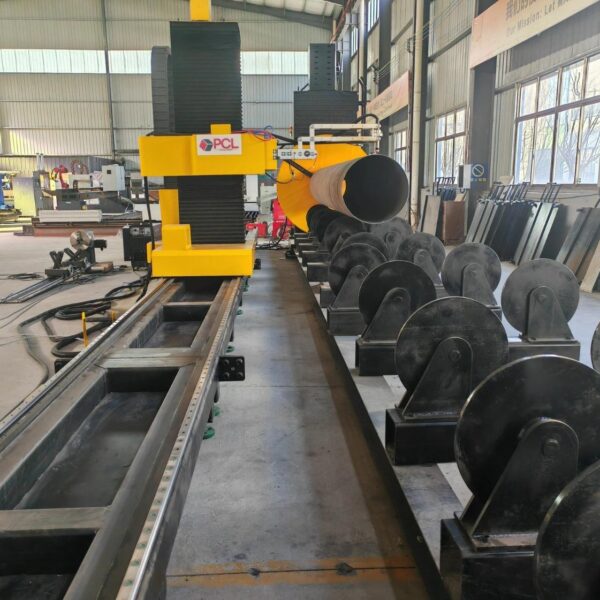
pipe plasma cutting machine
-
LFH 4020 Fiber Laser Cutting Machine
-
LFP4020
-
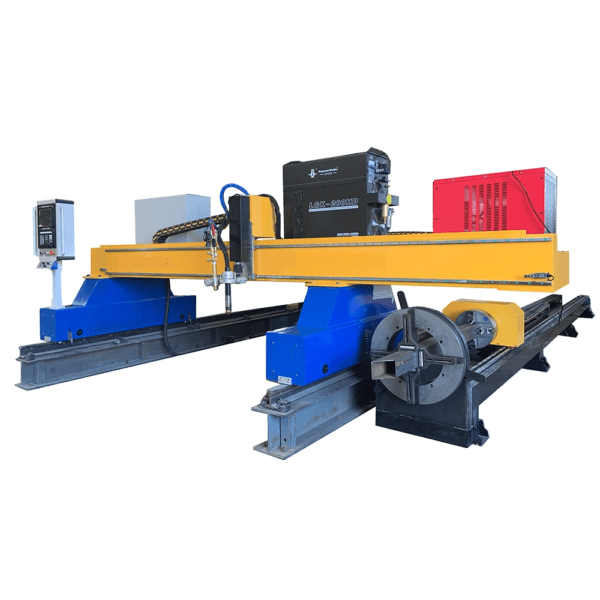
gantry plasma air cutting machine
-
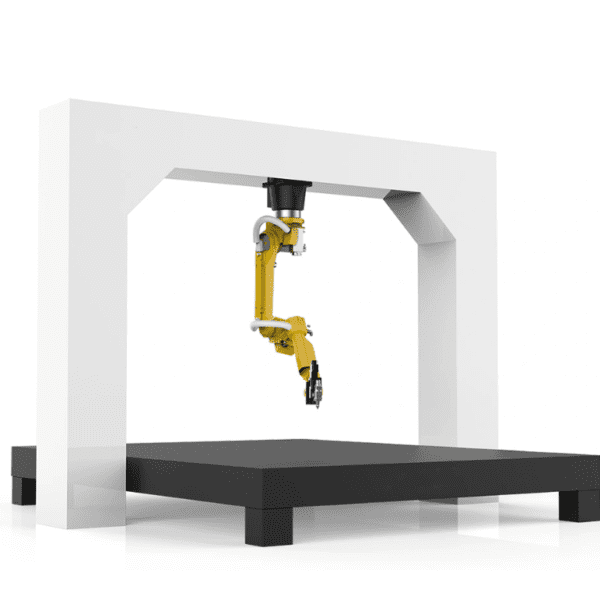
3D robot cutting machine
-
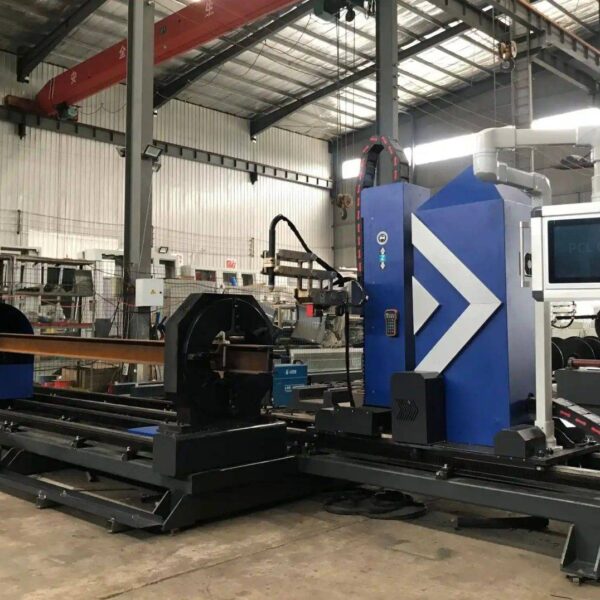
8 axis plasma cutting machine
-
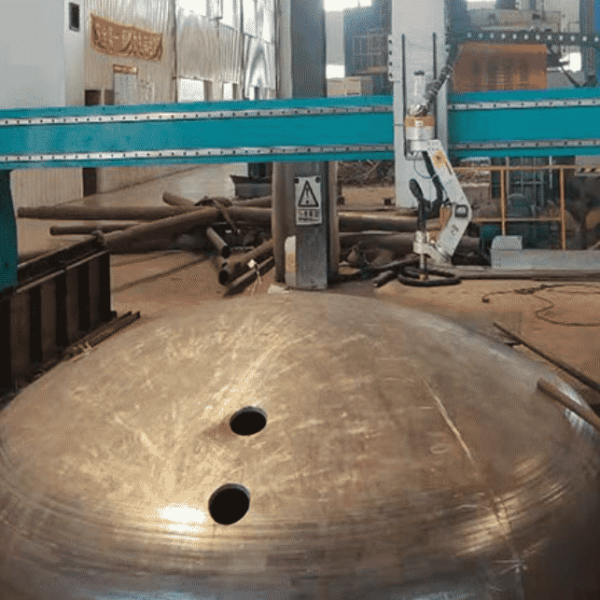
5 axis plasma cutting machine
-

LT360 tube laser cutting machine
-
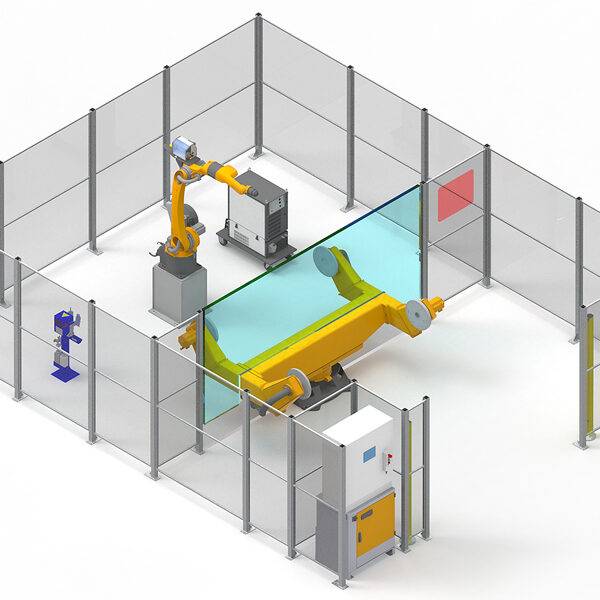
robot welding workstation
-
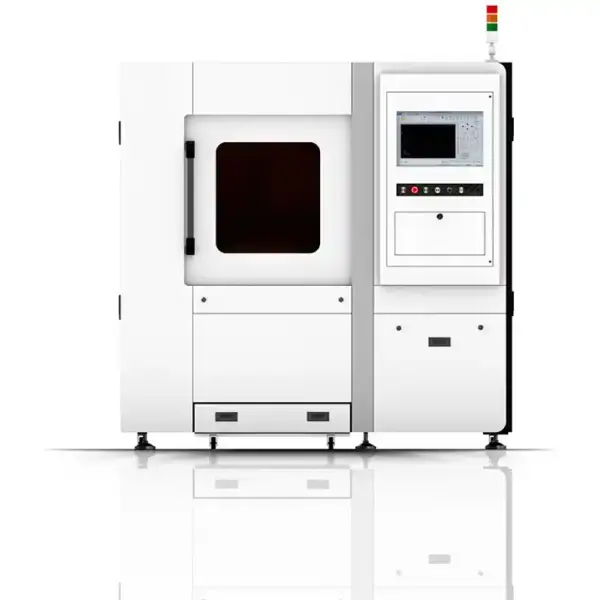
SF6060 fiber laser cutting machine
Advanced Fiber Laser Tube Processing Technology
Our CNC Fiber Laser Tube Cutting systems revolutionize metal fabrication by integrating high-precision cutting, punching, and profiling into a single automated workflow. Designed for versatility, this technology handles a wide array of profiles including Round, Square, Rectangular, and Oval tubes, as well as complex L-shaped and U-shaped channels.
- Precision Punching: High-speed hole punching with micron-level accuracy, eliminating the need for mechanical drilling or die-stamping.
- Complex Profiling: Advanced 3D pathing allows for intricate interlocking joints and specialized notch cuts, ideal for structural frames.
- High Material Efficiency: Intelligent nesting software minimizes scrap, reducing raw material costs across large production runs.
- Clean Finish: Delivers oxide-free, burr-free edges that require zero secondary grinding before welding.

Seamlessly processing multiple profiles with consistent precision.
Global Delivery & Logistics



From our high-tech manufacturing facility directly to your global site. PCL WeldCut ensures secure packaging, professional handling, and reliable international logistics to safeguard your equipment throughout the entire journey.