The Engineering Requirement for H-Beams in LNG Infrastructure
Liquefied Natural Gas (LNG) projects represent some of the most demanding structural environments in the industrial sector. The structural framework, primarily composed of heavy-duty H-beams, must withstand extreme cryogenic temperatures, high seismic loads, and corrosive marine atmospheres. In these applications, the H-Beam Production Line must transition from generic fabrication to a high-precision manufacturing cell. The standard for structural integrity in LNG modules is dictated by the quality of the welded joints, which begins not at the welding power source, but at the initial cutting and preparation stage.
The shift toward narrow gap welding in these projects is driven by the need for reduced heat input and minimized weld metal volume. However, the success of a narrow gap process is entirely contingent upon the geometry of the joint. In an automated production line, Plasma Cutting serves as the primary technology for achieving the necessary tolerances. By focusing on the intersection accuracy and the repeatability of the plasma torch, engineers can mitigate the risks of lack of fusion or excessive distortion that often plague heavy-section beam welding.
Plasma Cutting Precision and Intersection Accuracy
In a sophisticated H-beam production line, the intersection where the web meets the flange—or where secondary bracing meets the primary H-beam—requires absolute geometric fidelity. Intersection accuracy is the metric that defines the gap consistency along the entire length of the joint. for LNG Projects, where beam depths can exceed 1000mm and thicknesses are substantial, even a 1mm deviation can compromise the narrow gap welding parameters.
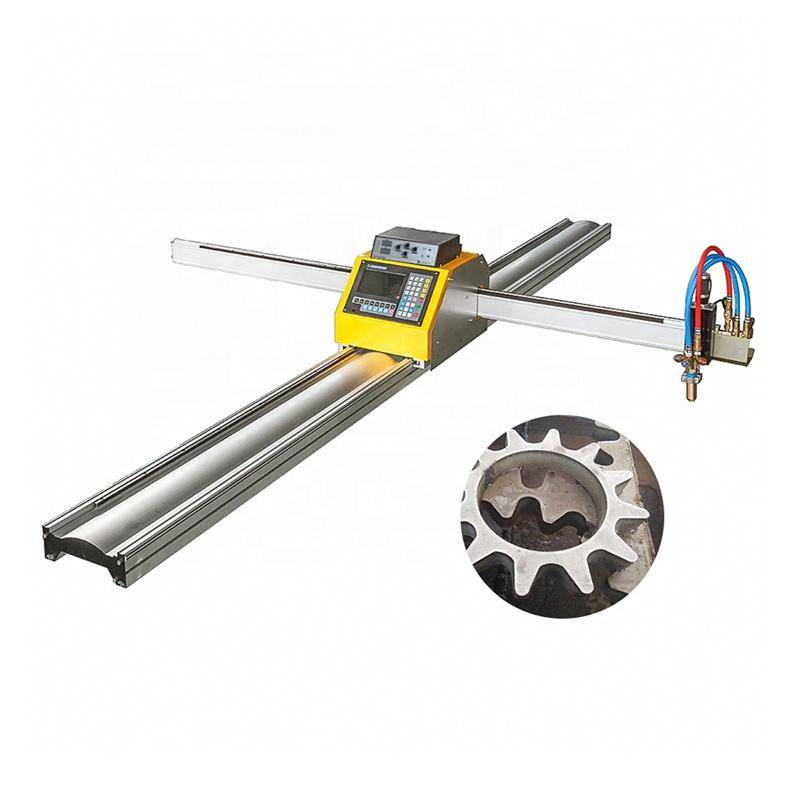
Modern plasma systems utilize high-definition (HD) technology to maintain a constricted, stable arc. This stability is critical when the torch transitions through the varied thickness of an H-beam profile. CNC-controlled plasma heads use real-time kerf compensation and voltage height control to ensure that the “landing” or the root face of the cut remains consistent. This precision eliminates the need for manual grinding or secondary fit-up adjustments, which are time-consuming and introduce human error into the structural assembly.
Advanced CNC Integration for Beam Profiling
The integration of 5-axis or 6-axis robotic plasma heads allows for the complex profiling of beam ends. In LNG module construction, H-beams are often notched or coped to fit into tight structural nodes. The intersection accuracy provided by plasma cutting ensures that these complex geometries snap together with minimal clearance. This tight fit-up is a prerequisite for narrow gap welding, as it allows the automated welding head to maintain a constant arc length and travel speed without reacting to fluctuating gap widths.
Complex Beveling for Narrow Gap Welding Prep
Narrow gap welding requires a specific groove geometry, typically a deep V or J-groove with a very narrow included angle, often between 5 and 20 degrees. Achieving this with traditional methods is inefficient for high-volume H-beam production. Beveling via plasma cutting provides a high-speed solution that can handle the thick plates required for LNG structural supports.
The plasma beveling process must manage the “bevel angle deviation” across the length of the cut. By employing specialized plasma gases—such as oxygen for carbon steel or H35 (argon-hydrogen) for stainless and high-alloy steels—the production line can produce dross-free, weld-ready edges. In the context of narrow gap welding, the bevel must be perfectly uniform to ensure that the welding torch, which often operates with very limited lateral clearance, does not collide with the side walls of the groove.
Thermal Management and Edge Quality
Industrial engineers must also consider the Heat Affected Zone (HAZ) during the beveling process. High-definition plasma cutting minimizes the HAZ compared to oxy-fuel cutting, preserving the metallurgical properties of the S355 or S460 grades commonly used in LNG projects. A cleaner, more precise bevel results in a more stable weld pool, which is essential when the narrow gap technique is used to deposit multiple layers of weld metal in a confined space.
H-Beam Low Maintenance and Operational Uptime
One of the primary reasons plasma cutting is favored in heavy H-beam production lines over other thermal cutting methods is the H-beam low maintenance profile of the equipment. In a high-output LNG project environment, downtime is exceptionally costly. Plasma systems are inherently rugged and designed for the “dirty” environment of a steel fabrication shop.
Unlike sensitive optical systems, plasma torches are resilient to the vibrations and dust associated with handling massive steel beams. The maintenance cycle for a plasma system focuses primarily on consumables—nozzles, electrodes, and swirl rings. These can be replaced in minutes by a standard operator, whereas other high-precision technologies might require specialized technicians. Furthermore, modern plasma power supplies feature self-diagnostic tools that predict consumable end-of-life, preventing torch failure mid-cut and ensuring the H-beam production line remains operational during peak cycles.
Consumable Efficiency and Long-Term Reliability
The evolution of “LongLife” technology in plasma cutting has significantly extended the lifespan of electrodes and nozzles. For an industrial engineer, this translates to fewer stops in the production flow. When processing H-beams for LNG projects, where a single beam may require dozens of meters of high-precision beveling, the ability of the plasma system to maintain arc consistency over several hours of arc-on time is a critical performance indicator. This reliability ensures that the beveling quality at the end of the shift is identical to that at the beginning.
Synchronizing Cutting and Welding for LNG Success
The ultimate goal of focusing on plasma cutting precision is the seamless transition to narrow gap welding. The production line should be viewed as a continuous value stream where the plasma station dictates the pace and quality of the welding station. By achieving high intersection accuracy, the downstream narrow gap welding system can operate at its maximum efficiency, using pre-programmed parameters without the need for constant “on-the-fly” adjustments by the welder.
In summary, the H-beam production line for LNG projects relies on the synergy between precise preparation and advanced joining. Plasma cutting provides the necessary beveling capabilities and geometric accuracy while maintaining a low maintenance overhead. By removing the variables associated with poor fit-up and inconsistent groove geometry, industrial engineers can guarantee the structural integrity of the LNG infrastructure while maximizing the throughput of the fabrication facility. The focus on plasma technology is not merely a choice of cutting tool, but a strategic decision to ensure the repeatability and reliability of the entire H-beam manufacturing process.
Technical Conclusion
As LNG projects continue to scale in complexity and volume, the demand for narrow gap welding will only increase. Industrial engineers must ensure their H-beam production lines are equipped with plasma systems capable of delivering the requisite accuracy. The robustness of plasma technology, combined with its ability to produce complex bevels with minimal maintenance, makes it the cornerstone of modern heavy-section beam fabrication.
-
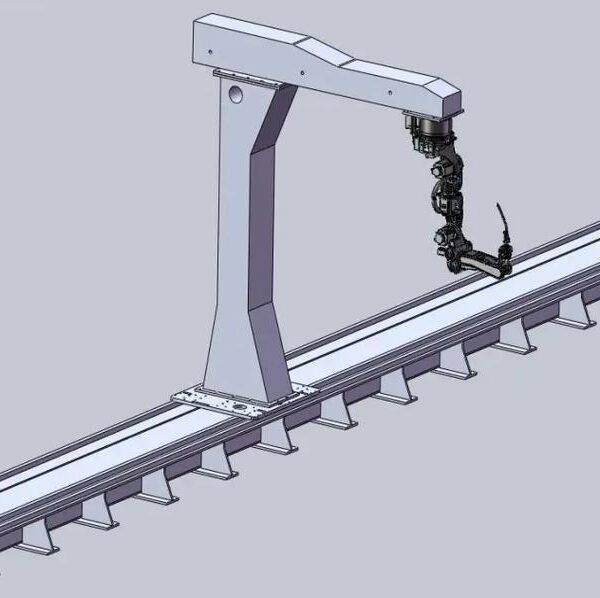

Cantilever Welding Robot solution
-
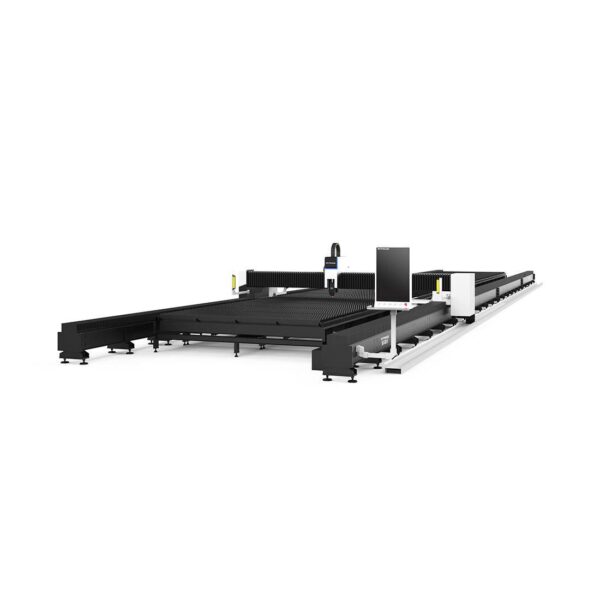

GF laser cutting machine
-
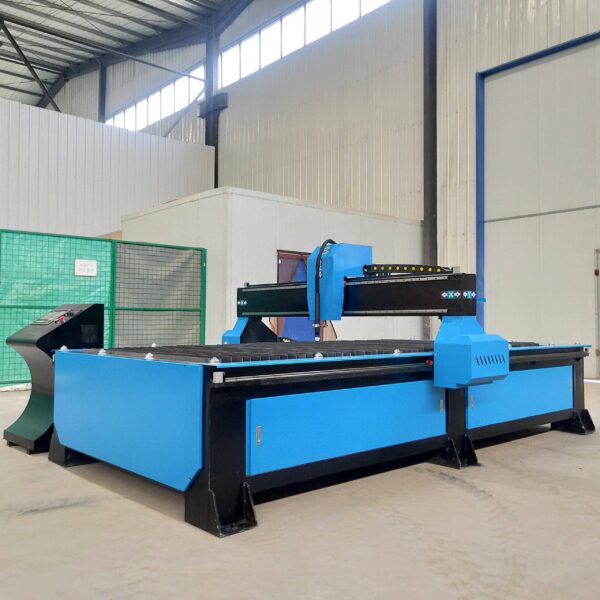
P3015 plasma cutting machine
-

LFP3015 Fiber Laser Cutter
-

pipe plasma cutting machine
-
LFH 4020 Fiber Laser Cutting Machine
-
LFP4020
-
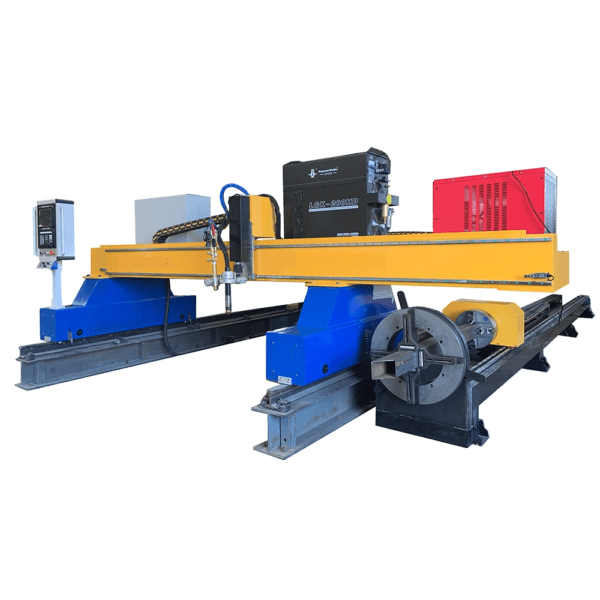
gantry plasma air cutting machine
-
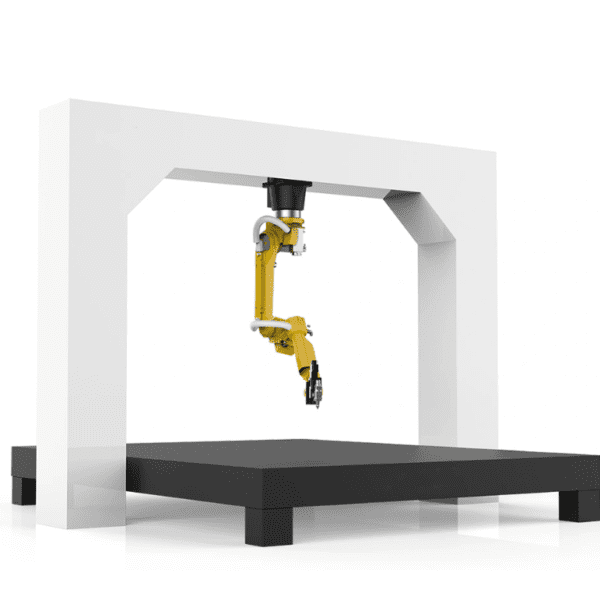
3D robot cutting machine
-
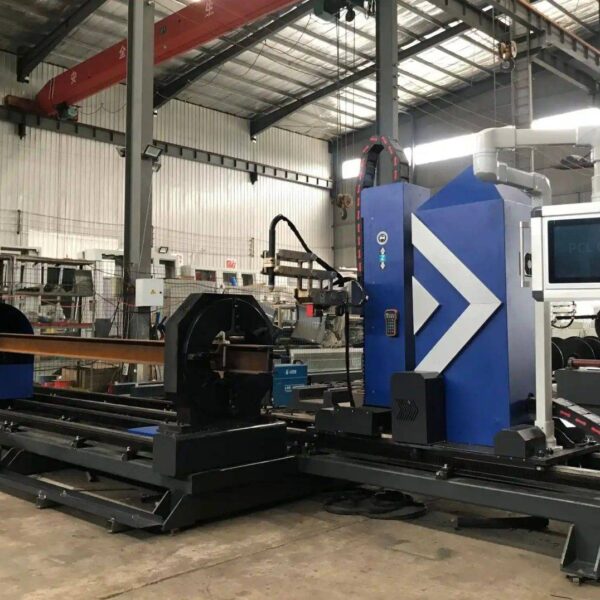
8 axis plasma cutting machine
-
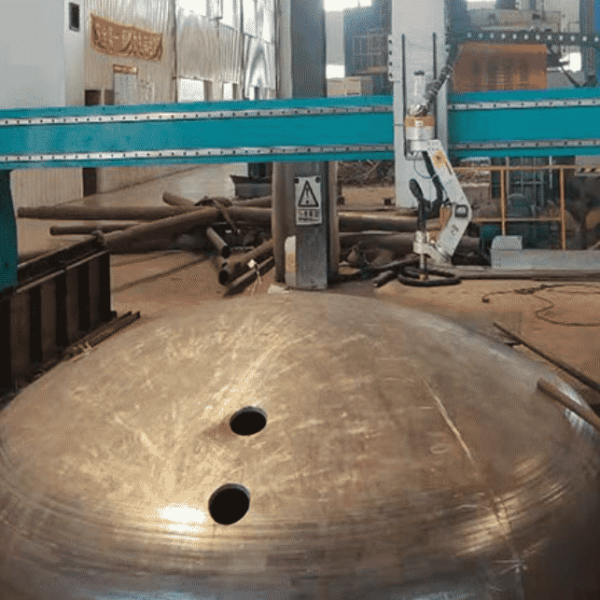
5 axis plasma cutting machine
-

LT360 tube laser cutting machine
-
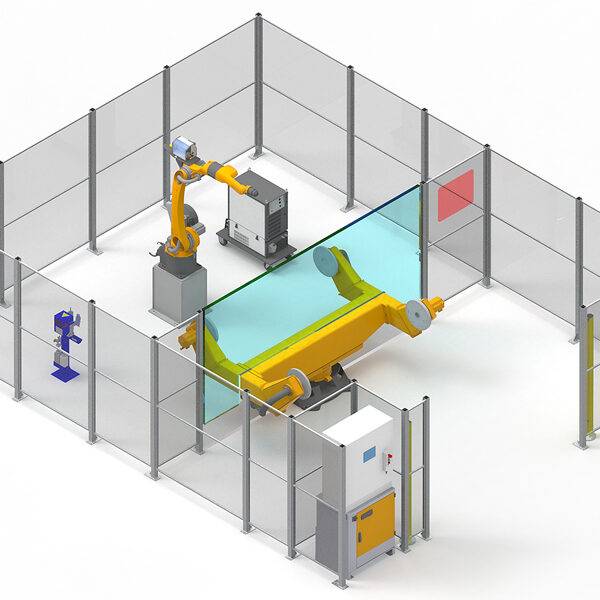
robot welding workstation
-
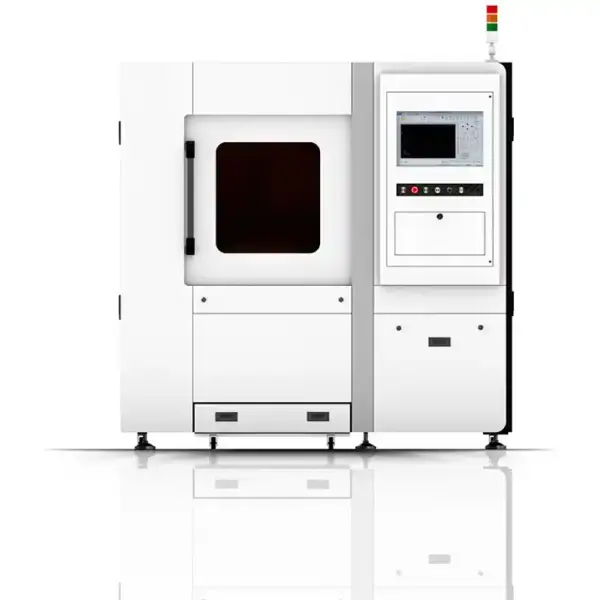
SF6060 fiber laser cutting machine
Advanced Fiber Laser Tube Processing Technology
Our CNC Fiber Laser Tube Cutting systems revolutionize metal fabrication by integrating high-precision cutting, punching, and profiling into a single automated workflow. Designed for versatility, this technology handles a wide array of profiles including Round, Square, Rectangular, and Oval tubes, as well as complex L-shaped and U-shaped channels.
- Precision Punching: High-speed hole punching with micron-level accuracy, eliminating the need for mechanical drilling or die-stamping.
- Complex Profiling: Advanced 3D pathing allows for intricate interlocking joints and specialized notch cuts, ideal for structural frames.
- High Material Efficiency: Intelligent nesting software minimizes scrap, reducing raw material costs across large production runs.
- Clean Finish: Delivers oxide-free, burr-free edges that require zero secondary grinding before welding.

Seamlessly processing multiple profiles with consistent precision.
Global Delivery & Logistics



From our high-tech manufacturing facility directly to your global site. PCL WeldCut ensures secure packaging, professional handling, and reliable international logistics to safeguard your equipment throughout the entire journey.