Advanced H-Beam Fabrication for Wind Tower Infrastructure
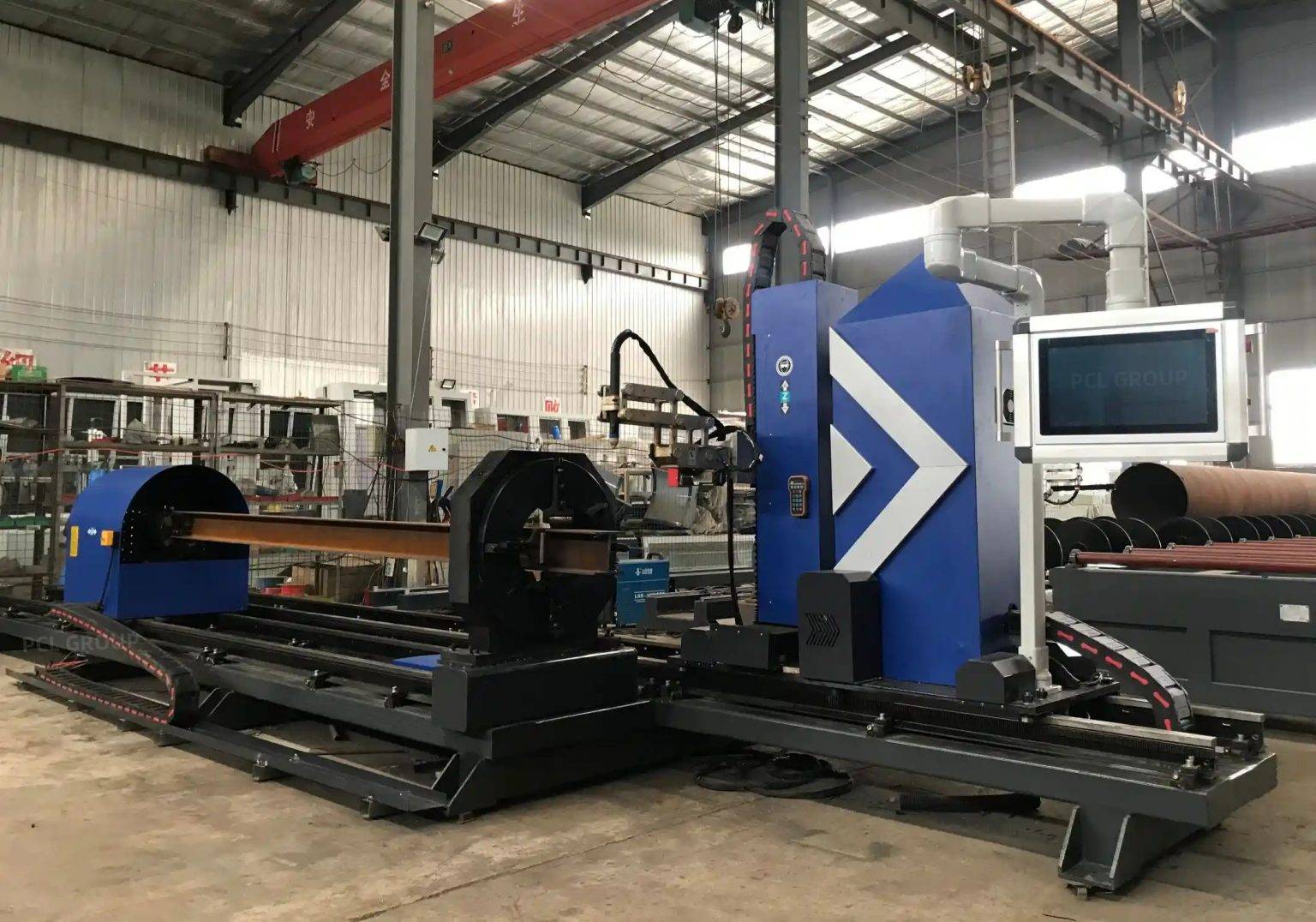
The manufacturing of wind tower internals and secondary support structures requires a level of structural integrity that standard commercial construction often bypasses. H-beams used in these environments must withstand harmonic vibrations, extreme torque, and corrosive atmospheres. For an industrial engineer, the focus is not merely on the assembly, but on the precision of the raw material preparation. Utilizing a dedicated H-Beam Structural Fabrication line equipped with Plasma Cutting technology ensures that these beams meet the stringent tolerances required for offshore and onshore wind applications.
The Mechanics of Arc Voltage Height Control
One of the most significant variables in plasma cutting efficiency is the standoff distance between the torch nozzle and the workpiece. In H-beam production, especially when dealing with hot-rolled steel that may have slight deviations or camber, maintaining a consistent distance manually is impossible. This is where Arc Voltage Height Control (AVC) becomes the primary driver of quality.
The AVC system works by monitoring the voltage of the plasma arc itself. As the distance between the torch and the H-beam changes, the voltage fluctuates. The control system interprets these fluctuations in real-time, sending commands to the Z-axis motor to raise or lower the torch instantaneously. This maintains a constant arc length, which is directly proportional to the kerf width and the angle of the cut. For wind tower components, where consistency across a 12-meter beam is mandatory, AVC eliminates the risk of “diving” torches or inconsistent penetration depths caused by material warping.
Achieving Precision in Intersection Accuracy
Wind tower platforms and internal ladders rely on complex beam-to-beam intersections. Traditionally, these were marked and cut by hand, leading to significant gaps that required excessive filler material. Modern plasma lines utilize multi-axis robotic heads or specialized gantries to execute 3D cuts on the web and flanges of the H-beam.
The intersection accuracy provided by automated plasma systems allows for “bolt-ready” or “weld-ready” fit-ups. By integrating CNC data directly from structural detailing software, the plasma torch can execute coping cuts, block-outs, and bolt holes with a tolerance of +/- 0.5mm. This precision ensures that when the beams are transported to the tower assembly site, the components align perfectly, reducing the need for field corrections which are incredibly costly in the renewable energy sector.
Plasma Beveling: Preparing High-Strength Joints
In wind tower fabrication, many structural joints require full penetration. This necessitates complex beveling on the edges of the H-beam flanges. Plasma Arc Cutting systems equipped with a tilting torch head (often referred to as a V, K, or X-type bevel) allow these profiles to be cut in a single pass.
Unlike mechanical milling or grinding, plasma beveling is significantly faster and can handle the thick-walled sections common in heavy-duty wind turbine foundations. The AVC system remains active during the beveling process, adjusting for the increased arc length required when the torch is at an angle. This ensures that the bevel face remains uniform, which is critical for the subsequent automated joining processes. By automating the beveling on the H-beam line, the engineer removes a bottleneck that typically occurs in the secondary processing area.
Operational Reliability and Low Maintenance Advantages
From a facility management perspective, the choice of plasma over other thermal cutting methods is often dictated by the harshness of the production environment. Wind tower fabrication facilities are often high-dust, high-vibration zones. Wind Tower Components must be produced on machinery that can maintain uptime despite these conditions.
Plasma systems are inherently robust. The primary consumables—electrodes and nozzles—are inexpensive and can be swapped out in minutes by a trained operator. Because the process does not rely on sensitive optics or mirrors that can be misaligned by floor vibrations or obscured by smoke, the maintenance overhead remains low. Modern plasma power supplies also feature self-diagnostic tools that predict consumable end-of-life, allowing maintenance teams to perform swaps during scheduled breaks rather than during active production cycles.
Thermal Management and Material Integrity
Industrial engineers must also consider the Heat Affected Zone (HAZ) when selecting cutting parameters. While plasma is a high-heat process, the speed at which a modern CNC plasma line operates minimizes the duration of thermal exposure to the H-beam. By optimizing the cutting speed and gas pressures (often using an oxygen-plasma or nitrogen-water shield mix), the metallurgical properties of the H-beam are preserved. This is vital for wind towers, where the fatigue life of the steel is a primary design constraint.
Maximizing Throughput with Automated Loading
An H-Beam Production Line is only as fast as its slowest component. To complement the speed of the plasma cutting and the precision of the AVC, integrated conveyor systems and cross-transfers are used to move material through the “cell.” Automated probing at the start of the cycle allows the CNC system to “find” the beam’s actual position in 3D space, adjusting the programmed cutting path to the physical reality of the beam on the bed.
This level of integration means that once the H-beam is placed on the infeed conveyor, human intervention is minimal until the finished, beveled, and holed component reaches the outfeed. For large-scale wind projects requiring hundreds of identical or similar beams, this automation is the only way to maintain the necessary delivery schedule without compromising on the safety or quality of the structural members.
Final Technical Synthesis
In conclusion, the deployment of a plasma-based H-beam production line with Arc Voltage Control represents a strategic investment for wind tower manufacturers. The synergy between AVC and multi-axis plasma heads provides the intersection accuracy required for complex structural designs while keeping maintenance costs at a minimum. By focusing on the precision of the initial cut and the efficiency of the beveling process, industrial engineers can ensure that the structural backbone of the wind energy sector is built to last, with optimized cycle times and reduced material waste.
-
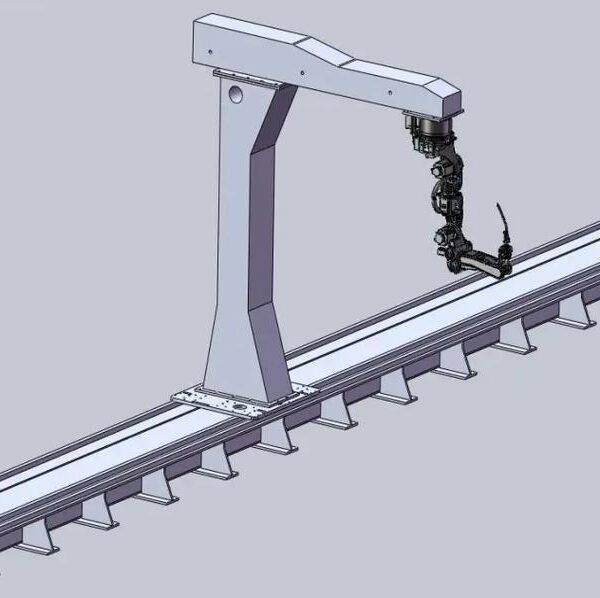

Cantilever Welding Robot solution
-
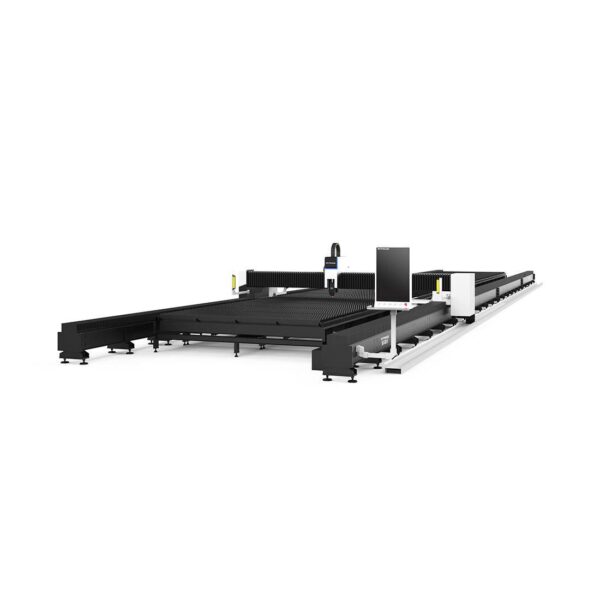

GF laser cutting machine
-
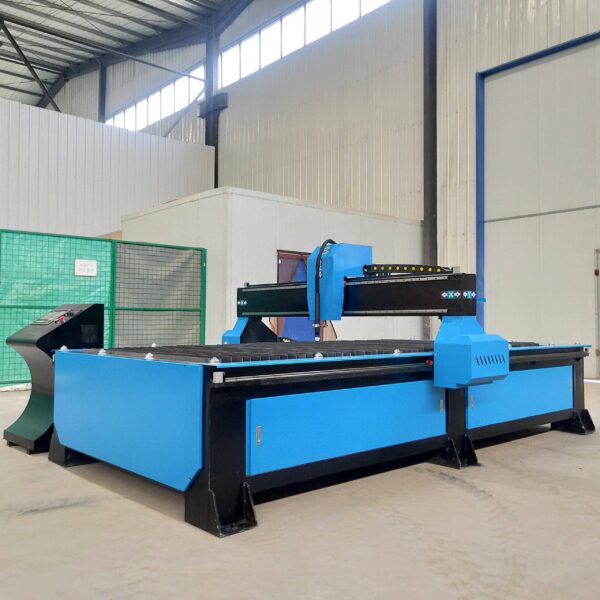
P3015 plasma cutting machine
-

LFP3015 Fiber Laser Cutter
-
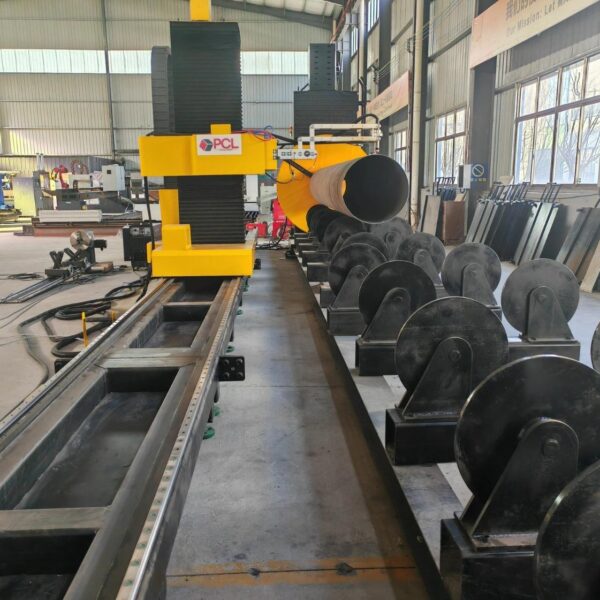
pipe plasma cutting machine
-
LFH 4020 Fiber Laser Cutting Machine
-
LFP4020
-
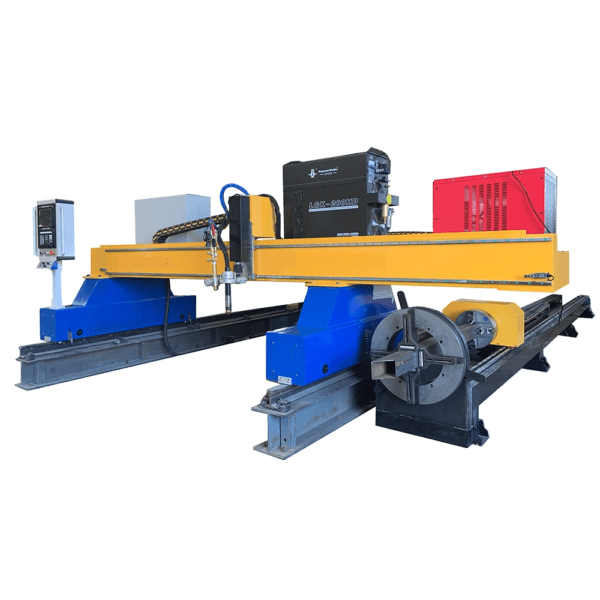
gantry plasma air cutting machine
-
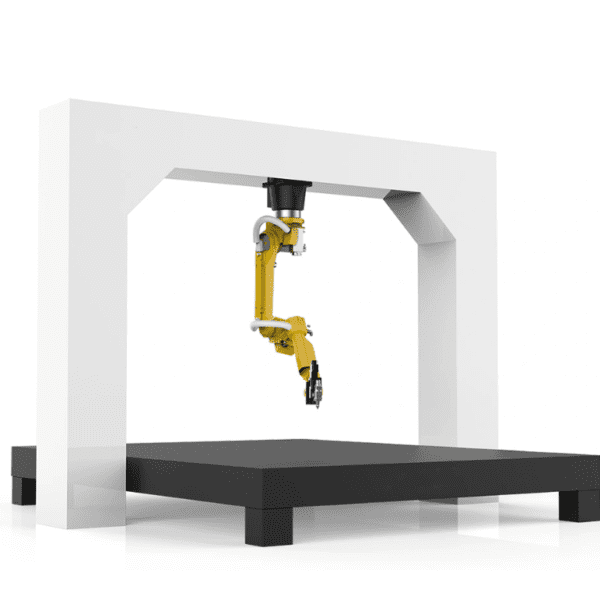
3D robot cutting machine
-
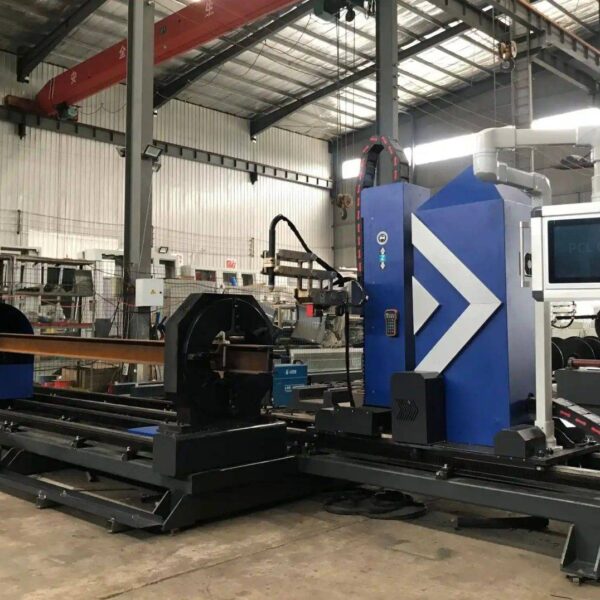
8 axis plasma cutting machine
-
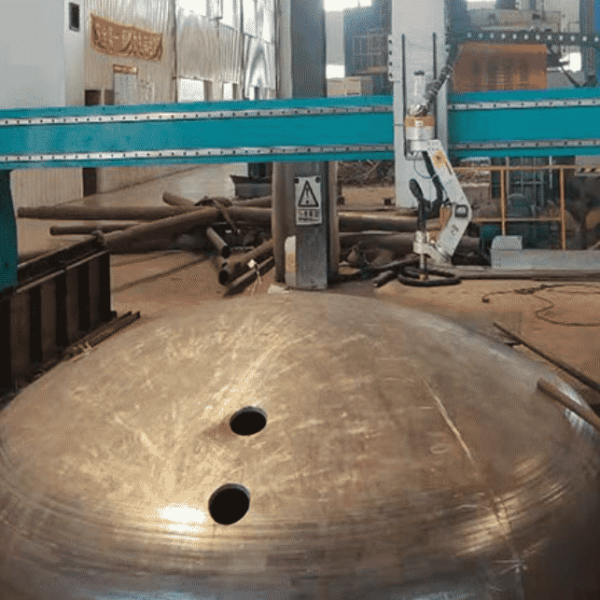
5 axis plasma cutting machine
-

LT360 tube laser cutting machine
-
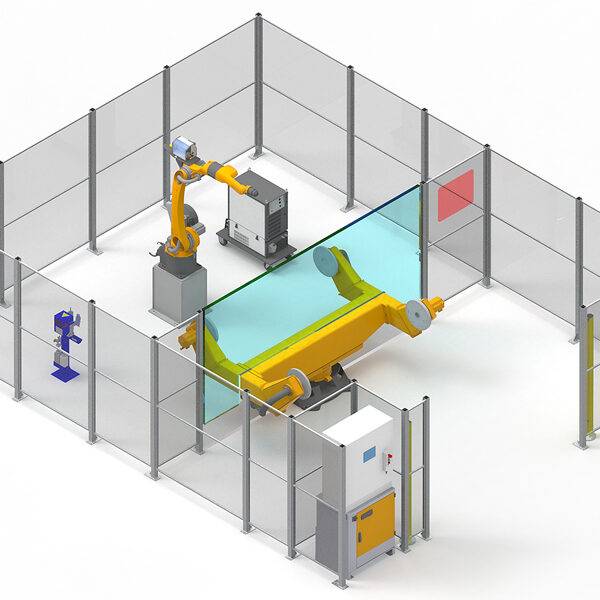
robot welding workstation
-
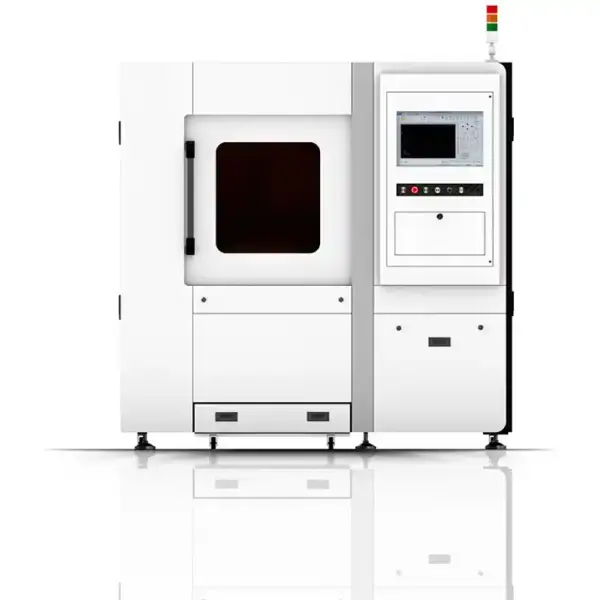
SF6060 fiber laser cutting machine
Advanced Fiber Laser Tube Processing Technology
Our CNC Fiber Laser Tube Cutting systems revolutionize metal fabrication by integrating high-precision cutting, punching, and profiling into a single automated workflow. Designed for versatility, this technology handles a wide array of profiles including Round, Square, Rectangular, and Oval tubes, as well as complex L-shaped and U-shaped channels.
- Precision Punching: High-speed hole punching with micron-level accuracy, eliminating the need for mechanical drilling or die-stamping.
- Complex Profiling: Advanced 3D pathing allows for intricate interlocking joints and specialized notch cuts, ideal for structural frames.
- High Material Efficiency: Intelligent nesting software minimizes scrap, reducing raw material costs across large production runs.
- Clean Finish: Delivers oxide-free, burr-free edges that require zero secondary grinding before welding.

Seamlessly processing multiple profiles with consistent precision.
Global Delivery & Logistics



From our high-tech manufacturing facility directly to your global site. PCL WeldCut ensures secure packaging, professional handling, and reliable international logistics to safeguard your equipment throughout the entire journey.