Optimizing H-Beam Production via Arc Voltage Control
In the heavy-duty environment of a shipyard, structural H-beams serve as the skeletal framework for bulkheads, decks, and support structures. The efficiency of a production line is measured by its ability to maintain high throughput while adhering to the stringent tolerances required by maritime classification societies. The integration of Arc Voltage Control (AVC) into automated Plasma Cutting stations has revolutionized how these beams are processed. By monitoring the electrical potential between the plasma electrode and the steel workpiece, the system ensures a consistent standoff distance, which is paramount when dealing with large-scale structural sections that may possess inherent mill tolerances or slight deformations.
The Mechanics of Precision Intersection Accuracy
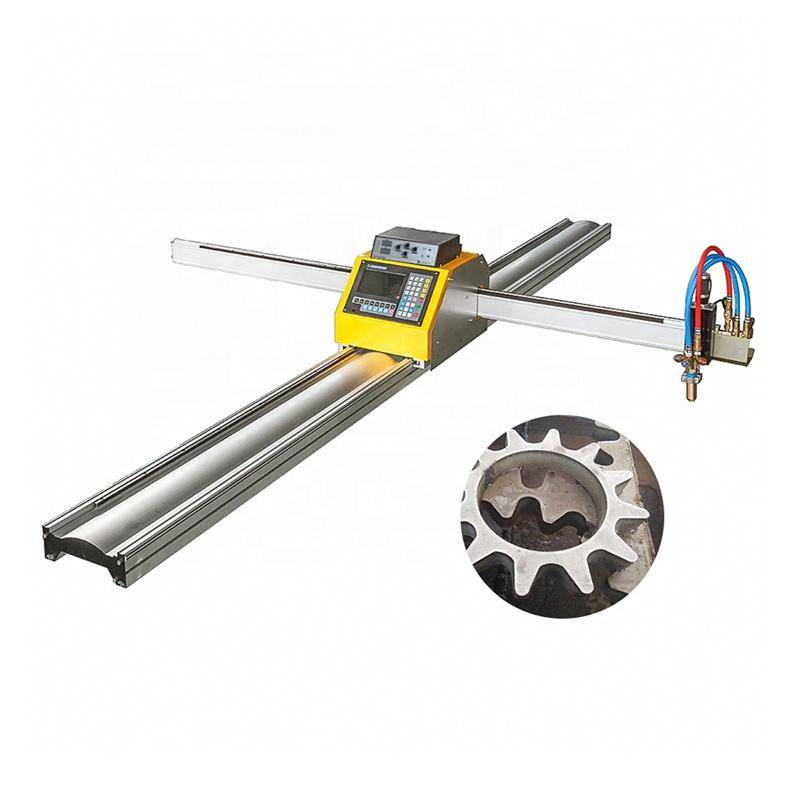
Shipbuilding requires complex structural intersections where H-beams must be notched, coped, or slit to accommodate intersecting longitudinals or piping systems. Achieving millimeter-level intersection accuracy is a primary challenge due to the geometry of the beam. A standard plasma torch without height modulation risks inconsistent kerf widths and potential mechanical interference.
The AVC system functions as a high-speed feedback loop. As the plasma torch traverses the web or flanges of the H-beam, the arc voltage fluctuates based on the distance between the nozzle and the metal. The control system samples this voltage at frequencies often exceeding 100Hz, initiating immediate Z-axis corrections. This ensures that the plasma arc remains at the optimal focal point of its thermal energy. In the context of intersections, this prevents “rounding” of corners and ensures that the cut path aligns perfectly with the CAD/CAM layout, eliminating the need for manual grinding or secondary fit-up adjustments.
Thermal Dynamics and Kerf Compensation
Precision in H-beam processing is not merely a matter of mechanical positioning; it is an exercise in managing thermal dynamics. Plasma cutting generates a localized heat-affected zone (HAZ). If the torch height varies, the arc’s shape changes, leading to a tapered cut or excessive dross accumulation. By stabilizing the arc voltage, the engineer ensures a uniform plasma cutting accuracy across the entire length of the beam. This stability is critical when cutting slots or holes in the web of the beam, where the structural integrity of the member depends on the cleanliness of the cut and the absence of thermal micro-cracks.
Low Maintenance Requirements in Plasma Systems
Industrial engineers prioritize equipment uptime. Compared to other thermal cutting methods, modern high-definition plasma systems designed for H-beam lines offer a H-beam low maintenance profile that is highly suited for the aggressive dust and vibration of a shipyard. The robust nature of plasma power supplies and the evolution of long-life consumable technology allow for extended duty cycles.
Maintenance reduction is achieved through several design features:
- Shield gas technology that protects the nozzle from molten metal blowback during piercing.
- Liquid-cooled torch bodies that prevent thermal degradation of internal components during continuous 100% duty cycle operations.
- Modular components that allow for rapid replacement of electrodes and nozzles without recalibrating the entire CNC gantry.
Furthermore, the absence of complex optical paths or sensitive alignment mirrors—common in other high-energy processes—means that the plasma station is less susceptible to the environmental contaminants typically found in heavy fabrication halls.
Advanced Beveling for Maritime Structural Integrity
The requirement for full-penetration welds in shipbuilding necessitates precise edge preparation. Automated beveling on an H-Beam Production Line involves multi-axis torch heads capable of performing V, X, and Y-type cuts on both the flanges and the web. The AVC is particularly critical during beveling operations because the effective distance between the torch and the material increases as the torch tilts.
Advanced control algorithms compensate for this “slant distance,” adjusting the voltage setpoint to maintain the correct arc length throughout the bevel. This ensures that the root face and the bevel angle remain consistent. In shipbuilding, where beams may be dozens of meters long, even a half-degree deviation in a bevel can lead to significant increases in weld metal volume and labor costs. Automated plasma beveling eliminates these variables, providing a uniform groove that facilitates high-quality structural joints.
Reducing Post-Process Rework
A significant portion of shipbuilding labor is often dedicated to “rework”—the cleaning and correction of poorly cut parts. By utilizing a production line equipped with AVC and high-definition plasma, shipyards can achieve “weld-ready” cuts directly from the machine. The precision of the beveling process ensures that the gap between joined members is minimized, reducing the risk of distortion during the subsequent assembly phases. This process-driven approach moves the quality control upstream, ensuring that the H-beam leaves the cutting station with the exact dimensions required for the master assembly plan.
Integration with CNC Workflow
The modern H-beam production line is a data-driven environment. The AVC system is integrated directly into the CNC controller, allowing for real-time monitoring of cutting parameters. Engineers can track consumable wear through voltage shift analysis, predicting when a nozzle change is required before it impacts the cut quality. This predictive maintenance model is essential for maintaining the high-volume throughput demanded by modern naval architecture schedules.
By focusing on the mechanical synergy between the AVC and the plasma torch, the production line overcomes the traditional challenges of structural steel fabrication. The result is a system that delivers high-speed processing, exceptional intersection accuracy, and a durable, low-maintenance footprint that survives the rigors of the shipbuilding industry.
Conclusion
In summary, the implementation of Arc Voltage Control in plasma-based H-beam lines represents a critical evolution in structural steel processing. By ensuring constant torch standoff, the system guarantees the accuracy of complex intersections and the consistency of bevel profiles. For the industrial engineer, this translates to a predictable, high-uptime production environment where the focus remains on throughput and structural reliability rather than equipment failure or manual correction. The plasma process remains the backbone of maritime heavy fabrication due to its balance of speed, cost-efficiency, and robust operational characteristics.
-
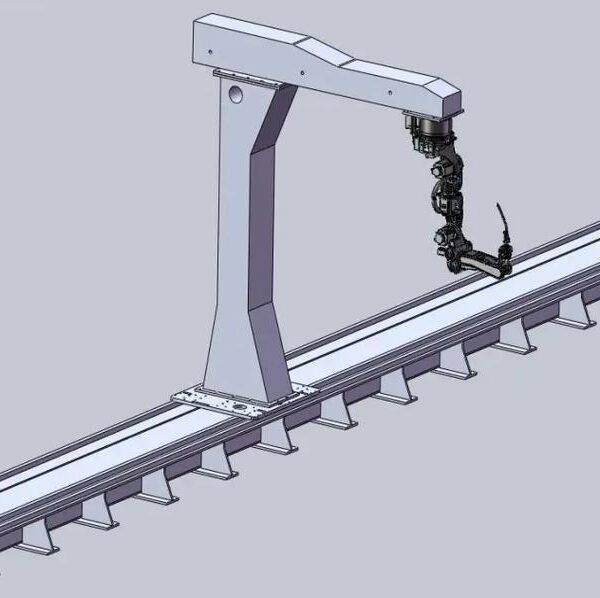

Cantilever Welding Robot solution
-
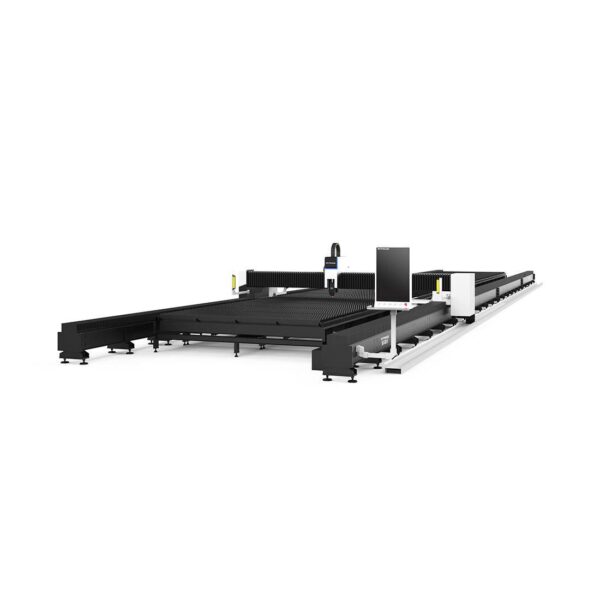

GF laser cutting machine
-
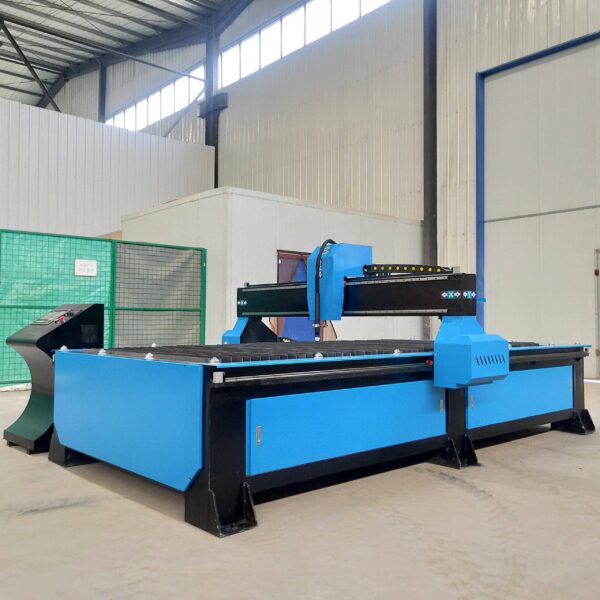
P3015 plasma cutting machine
-

LFP3015 Fiber Laser Cutter
-
pipe plasma cutting machine
-
LFH 4020 Fiber Laser Cutting Machine
-
LFP4020
-
gantry plasma air cutting machine
-
3D robot cutting machine
-
8 axis plasma cutting machine
-
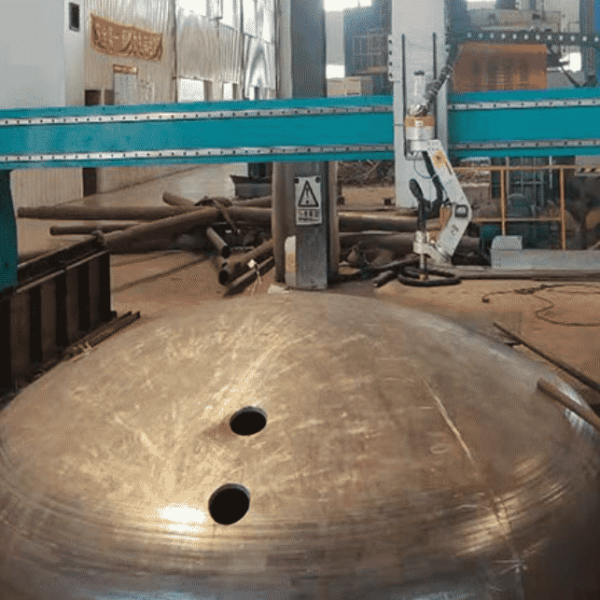
5 axis plasma cutting machine
-

LT360 tube laser cutting machine
-
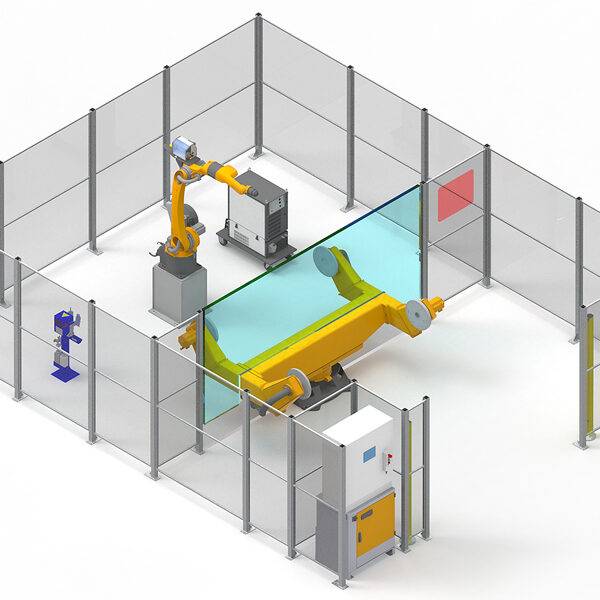
robot welding workstation
-
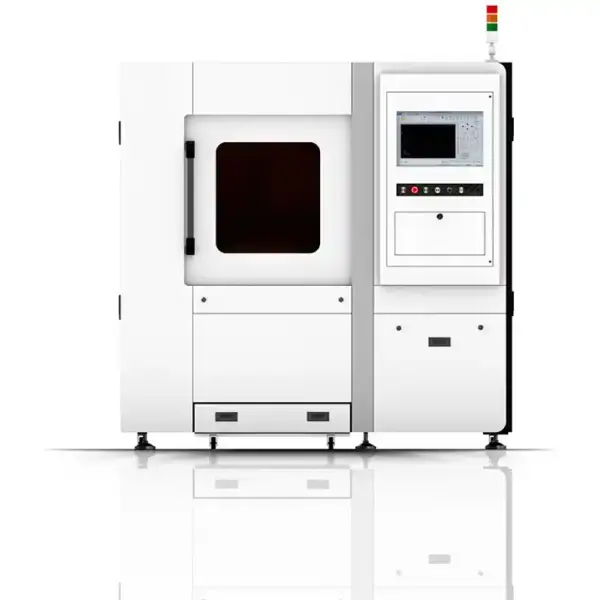
SF6060 fiber laser cutting machine
Advanced Fiber Laser Tube Processing Technology
Our CNC Fiber Laser Tube Cutting systems revolutionize metal fabrication by integrating high-precision cutting, punching, and profiling into a single automated workflow. Designed for versatility, this technology handles a wide array of profiles including Round, Square, Rectangular, and Oval tubes, as well as complex L-shaped and U-shaped channels.
- Precision Punching: High-speed hole punching with micron-level accuracy, eliminating the need for mechanical drilling or die-stamping.
- Complex Profiling: Advanced 3D pathing allows for intricate interlocking joints and specialized notch cuts, ideal for structural frames.
- High Material Efficiency: Intelligent nesting software minimizes scrap, reducing raw material costs across large production runs.
- Clean Finish: Delivers oxide-free, burr-free edges that require zero secondary grinding before welding.

Seamlessly processing multiple profiles with consistent precision.
Global Delivery & Logistics



From our high-tech manufacturing facility directly to your global site. PCL WeldCut ensures secure packaging, professional handling, and reliable international logistics to safeguard your equipment throughout the entire journey.