Structural Integrity and Precision in LNG Infrastructure
Liquefied Natural Gas (LNG) projects represent some of the most demanding engineering environments in the modern industrial sector. The structural skeletons of these facilities—comprising massive modular skids, pipe racks, and processing units—rely on H-beams that must withstand extreme cryogenic temperatures and high mechanical loads. In this context, the precision of the H-Beam Production Line is not merely a matter of efficiency but a foundational requirement for safety and structural longevity. Traditional manual cutting methods fail to meet the tight tolerances required for modular assembly, where even a three-millimeter deviation can lead to catastrophic fit-up issues during site integration.
The transition toward automated LNG Structural Fabrication focuses on the elimination of human error and the standardization of thermal cutting processes. By utilizing advanced plasma systems integrated with robotic or CNC-driven gantries, engineers can achieve a level of repeatability that was previously unattainable. The focus remains on the structural geometry of the H-beam, ensuring that flanges and webs are processed with surgical accuracy to facilitate rapid downstream assembly.
The Role of Arc Voltage Control (AVC) in Plasma Cutting
At the heart of high-performance plasma cutting lies the mechanism of Arc Voltage Control (AVC). In the fabrication of heavy H-beams, material inconsistency is a common challenge. Structural steel often exhibits slight warping, surface irregularities, or crowning across the flange. Without active compensation, a fixed-height cutting torch would either collide with the workpiece or move too far away, resulting in lost arc stability, excessive dross, or incorrect kerf width.
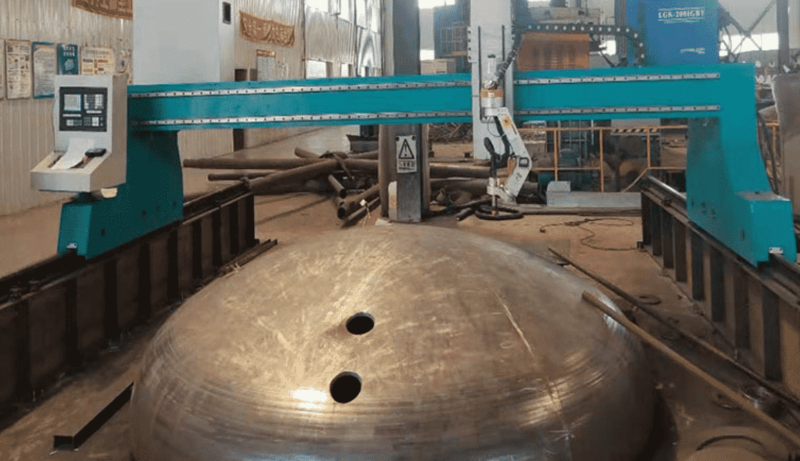
AVC functions by continuously monitoring the electrical potential between the plasma electrode and the steel beam. Since the voltage of a plasma arc is directly proportional to the arc length, the control system can detect minute changes in the distance between the torch and the material. As the beam surface rises or falls, the AVC system sends real-time signals to the Z-axis motor, adjusting the torch height instantaneously. This constant feedback loop ensures that the plasma jet remains at the optimal focal point, which is critical for maintaining verticality in thick-section flange cuts.
Optimizing Plasma Intersection Cutting Accuracy
In complex LNG modules, H-beams rarely exist as simple linear elements. They are characterized by complex intersections, including “bird’s mouth” cuts, cope cuts, and intricate web penetrations for piping systems. Achieving Plasma Intersection Cutting accuracy requires a multi-axis approach where the torch can maneuver around the profile of the beam without losing its orientation relative to the theoretical centerline.
Precision at these intersection points is vital for load distribution. When two H-beams meet at an angle, the plasma system must execute a cut that accounts for the radius of the beam’s inner fillet while maintaining a clean, weld-ready edge. Advanced software algorithms calculate the transition between the flange and the web, ensuring the plasma arc transitions smoothly across varying thicknesses. This level of control eliminates the need for manual grinding or secondary re-work, directly shortening the fabrication cycle for large-scale LNG components.
Advanced Beveling for High-Integrity Structural Joints
Structural joints in LNG facilities are subject to rigorous Non-Destructive Testing (NDT), including ultrasonic and radiographic inspections. To pass these tests, the H-beam edges must be prepared with precise bevel profiles—V, Y, K, or X cuts—depending on the engineering specification. Plasma systems equipped with 5-axis tilt-rotator heads allow for the creation of these bevels in a single pass.
The integration of Beveling Accuracy within the plasma line means that the angle is maintained consistently even as the torch traverses the uneven surface of a heavy-duty beam. By utilizing the AVC to stabilize the torch’s standoff distance during a tilted cut, the system prevents “bevel deviation,” where the angle shifts due to height fluctuations. This ensures that when the beams are brought together for joining, the root gap and land thickness are uniform, facilitating full-penetration results that meet global cryogenic standards.
Industrial Engineering and Low Maintenance Protocols
From an industrial engineering perspective, the total cost of ownership (TCO) of a production line is heavily influenced by maintenance requirements. Plasma systems designed for H-beam lines are engineered for high-duty cycles in harsh environments. Unlike other thermal cutting technologies that may be sensitive to dust or mechanical vibration, modern plasma torches are robust and feature simplified consumable sets.
Low maintenance is achieved through several design features. First, the use of liquid-cooled torches prevents overheating during continuous shifts, extending the life of nozzles and electrodes. Second, the implementation of “soft-start” arc ignition reduces the wear on internal components. Finally, automated dross management systems and heavy-duty dust extraction units ensure that the mechanical rails and racks of the production line remain free of debris. For an LNG fabrication yard, where downtime can cost thousands of dollars per hour, the reliability of a plasma-based line is a significant strategic advantage.
Thermal Input Management and Material Properties
A critical concern in LNG structural engineering is the Heat Affected Zone (HAZ). Excessive thermal input can alter the grain structure of the steel, potentially compromising its toughness at sub-zero temperatures. Plasma cutting, particularly when optimized with high-definition settings and precise speed control, minimizes the HAZ compared to oxy-fuel cutting. The concentrated energy density of the plasma arc allows for higher travel speeds, which reduces the duration of heat exposure to the base metal.
The AVC system contributes to this thermal management by preventing arc stalling and erratic movements. By maintaining a steady arc, the energy distribution remains uniform across the cut path. This results in a cleaner edge with minimal metallurgical transformation, ensuring that the H-beams retain their specified mechanical properties for cryogenic service.
Conclusion: Economic and Technical Synthesis
The integration of arc voltage control in plasma H-beam production lines represents a significant leap forward for LNG infrastructure fabrication. By prioritizing intersection accuracy and sophisticated beveling, facilities can produce structural components that meet the highest global standards for fit-up and integrity. The inherent robustness of the plasma process, combined with automated height stabilization, provides a low-maintenance solution that thrives in the high-volume, high-stakes environment of energy sector construction. For the industrial engineer, the choice of a plasma-centric line is a decision to prioritize throughput, precision, and long-term operational stability.
-
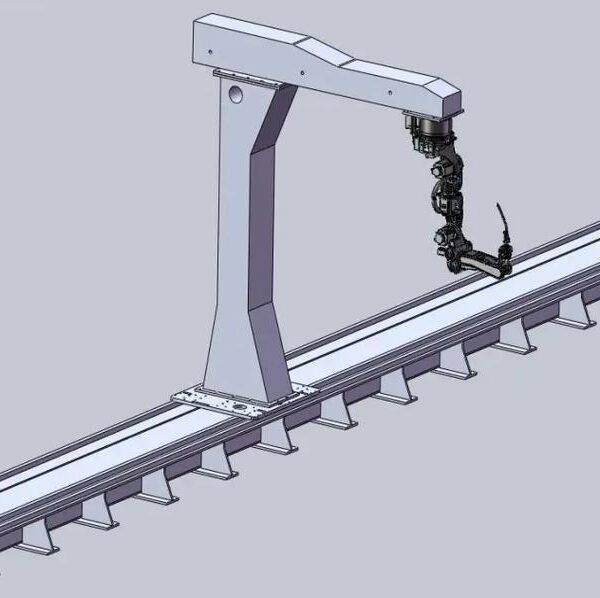

Cantilever Welding Robot solution
-
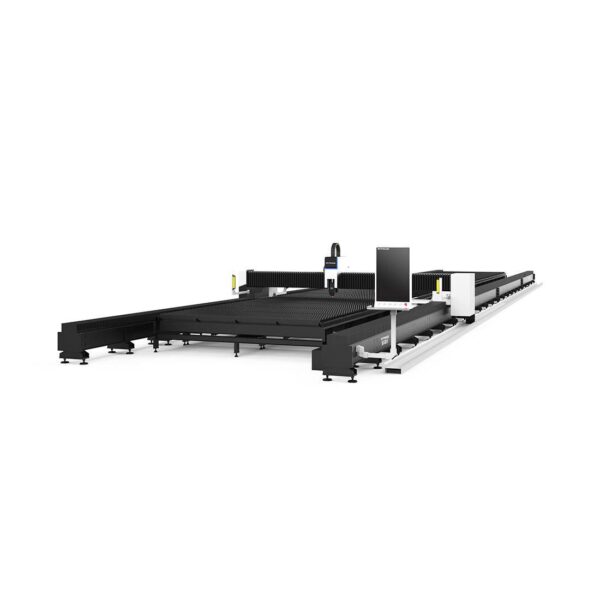

GF laser cutting machine
-
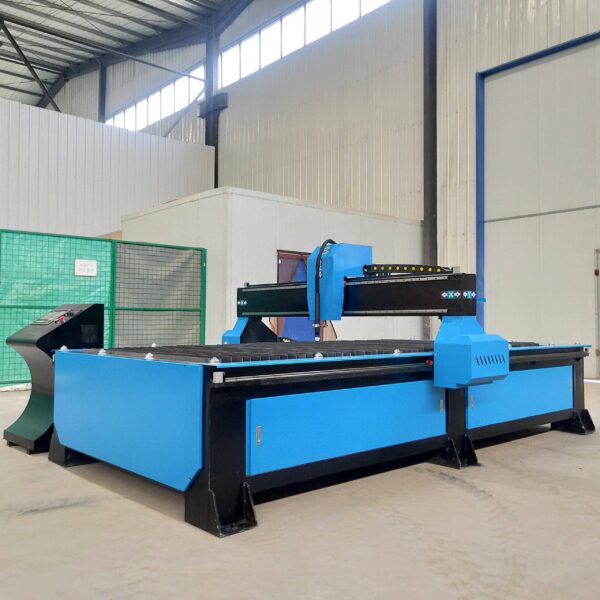
P3015 plasma cutting machine
-

LFP3015 Fiber Laser Cutter
-
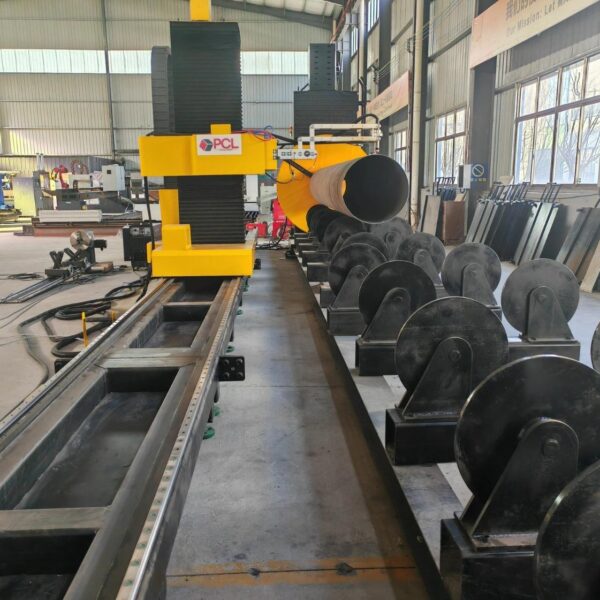
pipe plasma cutting machine
-
LFH 4020 Fiber Laser Cutting Machine
-
LFP4020
-
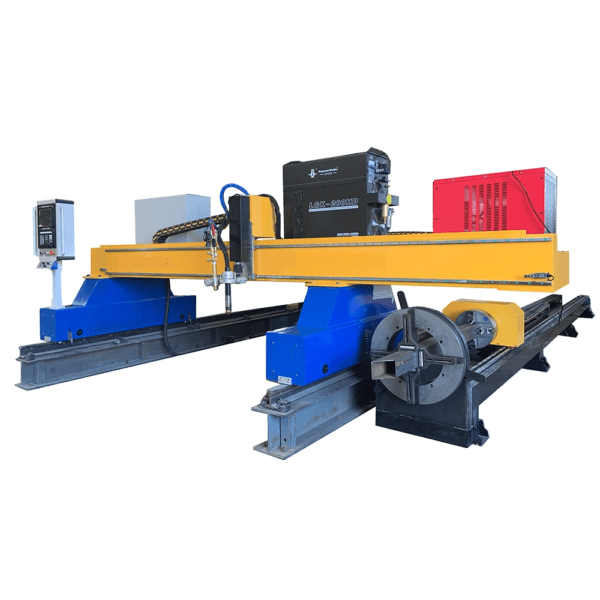
gantry plasma air cutting machine
-
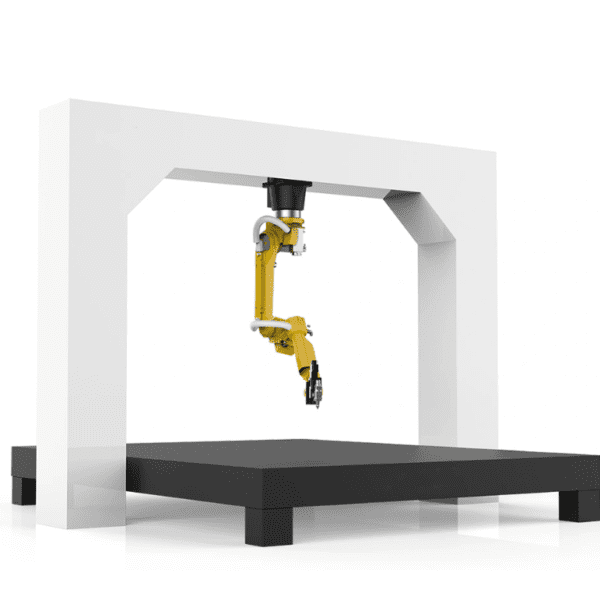
3D robot cutting machine
-
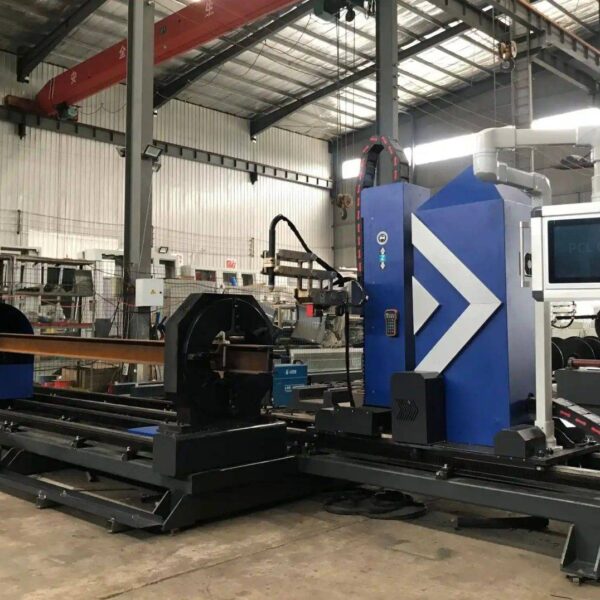
8 axis plasma cutting machine
-
5 axis plasma cutting machine
-

LT360 tube laser cutting machine
-
robot welding workstation
-
SF6060 fiber laser cutting machine
Advanced Fiber Laser Tube Processing Technology
Our CNC Fiber Laser Tube Cutting systems revolutionize metal fabrication by integrating high-precision cutting, punching, and profiling into a single automated workflow. Designed for versatility, this technology handles a wide array of profiles including Round, Square, Rectangular, and Oval tubes, as well as complex L-shaped and U-shaped channels.
- Precision Punching: High-speed hole punching with micron-level accuracy, eliminating the need for mechanical drilling or die-stamping.
- Complex Profiling: Advanced 3D pathing allows for intricate interlocking joints and specialized notch cuts, ideal for structural frames.
- High Material Efficiency: Intelligent nesting software minimizes scrap, reducing raw material costs across large production runs.
- Clean Finish: Delivers oxide-free, burr-free edges that require zero secondary grinding before welding.

Seamlessly processing multiple profiles with consistent precision.
Global Delivery & Logistics



From our high-tech manufacturing facility directly to your global site. PCL WeldCut ensures secure packaging, professional handling, and reliable international logistics to safeguard your equipment throughout the entire journey.