Advanced H-Beam Fabrication for LNG Infrastructure
The construction of Liquefied Natural Gas (LNG) facilities demands a level of structural integrity that exceeds standard industrial building codes. H-beams utilized in these projects serve as the primary skeleton for cryogenic tank supports, modular process skids, and pipe racks. Given the extreme thermal gradients and seismic considerations inherent in LNG terminal design, the H-Beam Production Line must deliver components with zero-tolerance for geometric deviation.
In this high-stakes engineering environment, Plasma Cutting has emerged as the definitive process for heavy-section structural steel. By integrating Arc Voltage Control (AVC), manufacturers can ensure that the plasma torch maintains an optimal distance from the workpiece, regardless of material deformation or beam surface irregularities. This technical focus on plasma-based processing ensures that the structural foundations of energy infrastructure meet global safety and longevity standards.
Mechanics of Arc Voltage Control in Plasma Systems
Arc Voltage Control is a closed-loop feedback mechanism essential for maintaining the quality of the cut during the processing of large H-beams. In a typical production environment, structural steel beams are rarely perfectly flat. Web crowning or flange warping can occur during the rolling process or while the beam is positioned on the conveyor system.
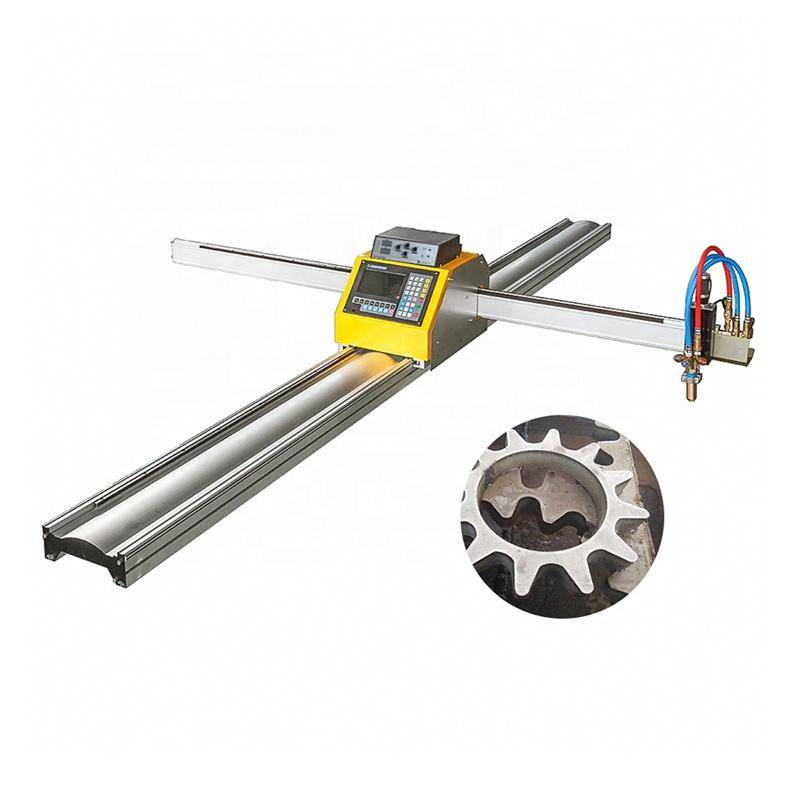
The AVC system works by measuring the electrical potential between the plasma torch electrode and the steel beam. Since the voltage of a plasma arc is directly proportional to the arc length, the system can detect minute changes in the distance between the nozzle and the metal. When the beam surface rises or falls, the AVC sends a real-time signal to the Z-axis motor, adjusting the torch height instantaneously. This constant height maintenance is critical for intersection accuracy, as any variation in torch distance would lead to kerf width fluctuations and angular errors in the cut face.
Achieving Precision in Complex Intersection Cutting
LNG modular structures frequently require complex intersections where secondary H-beams or bracing members join the main structural columns. These intersections often involve “fish-mouth” cuts or intricate cope geometries that must fit perfectly to ensure load-bearing efficiency.
Utilizing a multi-axis plasma robotic head within the production line allows for 3D pathing that follows the interior and exterior contours of the H-beam. The accuracy of these intersections is driven by the synchronization of the CNC controller with the plasma power source. Because plasma cutting generates a high-energy density arc, it can penetrate thick flanges with minimal heat-affected zones (HAZ). for LNG Projects, minimizing the HAZ is vital to prevent the embrittlement of the steel, which could lead to stress fractures under cryogenic conditions.
Plasma Beveling for High-Strength Connections
Weld preparation is perhaps the most critical stage in H-beam processing for energy sectors. Unlike standard structural applications, LNG framework often requires full-penetration joints that demand precise bevel profiles—specifically V, X, Y, and K cuts.
The plasma beveling head can tilt up to 45 or 50 degrees, allowing the production line to perform edge preparation simultaneously with the primary cut. By utilizing plasma beveling, engineers eliminate the need for secondary grinding or manual torching, which are prone to human error. The consistency of the bevel angle ensures that when the beams reach the assembly stage, the fit-up is seamless, reducing the volume of filler metal required and ensuring a uniform structural bond across the entire cross-section of the flange.
Optimizing Maintenance and Operational Continuity
In the context of industrial engineering, uptime is a primary metric of success. Plasma systems integrated into H-beam lines are designed for high duty cycles and low maintenance. Unlike mechanical sawing or punching, plasma is a non-contact process, meaning there is no tool wear or mechanical stress exerted on the machine components.
Modern plasma systems feature “quick-change” consumable cartridges and automated gas consoles that monitor flow rates and pressure. The absence of complex optical components or high-precision mechanical blades translates to a robust system capable of operating in the dusty, high-vibration environments typical of heavy fabrication shops. For an LNG project with tight delivery windows, the reliability of a plasma line ensures that the production schedule remains on track without the frequent downtime associated with more delicate cutting technologies.
Material Handling and Positional Repeatability
The integration of the plasma cutting station with an automated conveyor system is essential for maintaining the throughput required for large-scale LNG terminals. The production line utilizes hydraulic clamping and laser-based measurement sensors to “zero” the beam before the plasma arc is struck.
Once the H-beam is indexed, the CNC system correlates the digital twin of the beam with its physical position. This ensures that every bolt hole, cope, and bevel is placed with a positional repeatability of within +/- 0.5mm. In the assembly of modular LNG process units, where thousands of beams must be bolted or joined in remote field locations, this level of precision is not a luxury—it is a fundamental requirement for structural safety and project feasibility.
Conclusion: The Future of Plasma in Heavy Structural Fabrication
The shift toward highly automated plasma cutting lines with integrated Arc Voltage Control represents a significant leap forward for industrial steel processing. By prioritizing intersection accuracy and automated beveling, manufacturers can provide the LNG industry with H-beams that exceed traditional quality benchmarks. The combination of high-speed thermal cutting and intelligent height regulation creates a production environment that is both efficient and incredibly precise.
As global demand for LNG infrastructure continues to grow, the reliance on robust, low-maintenance plasma technology will only increase. For the industrial engineer, the goal remains clear: deploy systems that maximize material utilization, minimize manual intervention, and guarantee the structural integrity of the energy transition’s most critical components.
-


Cantilever Welding Robot solution
-


GF laser cutting machine
-

P3015 plasma cutting machine
-

LFP3015 Fiber Laser Cutter
-

pipe plasma cutting machine
-
LFH 4020 Fiber Laser Cutting Machine
-
LFP4020
-

gantry plasma air cutting machine
-

3D robot cutting machine
-

8 axis plasma cutting machine
-

5 axis plasma cutting machine
-

LT360 tube laser cutting machine
-

robot welding workstation
-

SF6060 fiber laser cutting machine
Advanced Fiber Laser Tube Processing Technology
Our CNC Fiber Laser Tube Cutting systems revolutionize metal fabrication by integrating high-precision cutting, punching, and profiling into a single automated workflow. Designed for versatility, this technology handles a wide array of profiles including Round, Square, Rectangular, and Oval tubes, as well as complex L-shaped and U-shaped channels.
- Precision Punching: High-speed hole punching with micron-level accuracy, eliminating the need for mechanical drilling or die-stamping.
- Complex Profiling: Advanced 3D pathing allows for intricate interlocking joints and specialized notch cuts, ideal for structural frames.
- High Material Efficiency: Intelligent nesting software minimizes scrap, reducing raw material costs across large production runs.
- Clean Finish: Delivers oxide-free, burr-free edges that require zero secondary grinding before welding.

Seamlessly processing multiple profiles with consistent precision.
Global Delivery & Logistics



From our high-tech manufacturing facility directly to your global site. PCL WeldCut ensures secure packaging, professional handling, and reliable international logistics to safeguard your equipment throughout the entire journey.