Optimizing H-Beam Production Through Advanced Plasma Control
In the fabrication of construction machinery—such as excavator frames, crane booms, and heavy-duty chassis—the structural integrity of H-beams is non-negotiable. Traditional mechanical cutting and manual layout methods no longer meet the throughput or precision requirements of modern industrial engineering. The implementation of Plasma Cutting technology equipped with Arc Voltage Control (AVC) has emerged as the definitive standard for processing heavy structural steel. This system focuses on maintaining a constant distance between the plasma torch and the workpiece, a variable that is frequently compromised by the inherent surface irregularities and thermal warping found in large-scale H-beams.
The Engineering Logic of Arc Voltage Control
Arc Voltage Control is a closed-loop feedback mechanism essential for high-definition plasma systems. In an H-Beam Production Line, the Z-axis (vertical) positioning of the torch is governed by the measured voltage between the electrode and the H-beam surface. Because the voltage of a plasma arc is directly proportional to the arc length, the AVC system can detect minute variations in distance.
Dynamic Height Stabilization
During the processing of long H-beams, material “bow” or “twist” is common. Without AVC, a fixed-height torch would either collide with the rising flange or move too far away, causing the arc to extinguish or the kerf width to fluctuate. The AVC system adjusts the torch height in real-time, often at millisecond intervals, ensuring that the plasma energy density remains uniform. This stability is the cornerstone of achieving clean, dross-free cuts on both the web and the flanges of the beam.
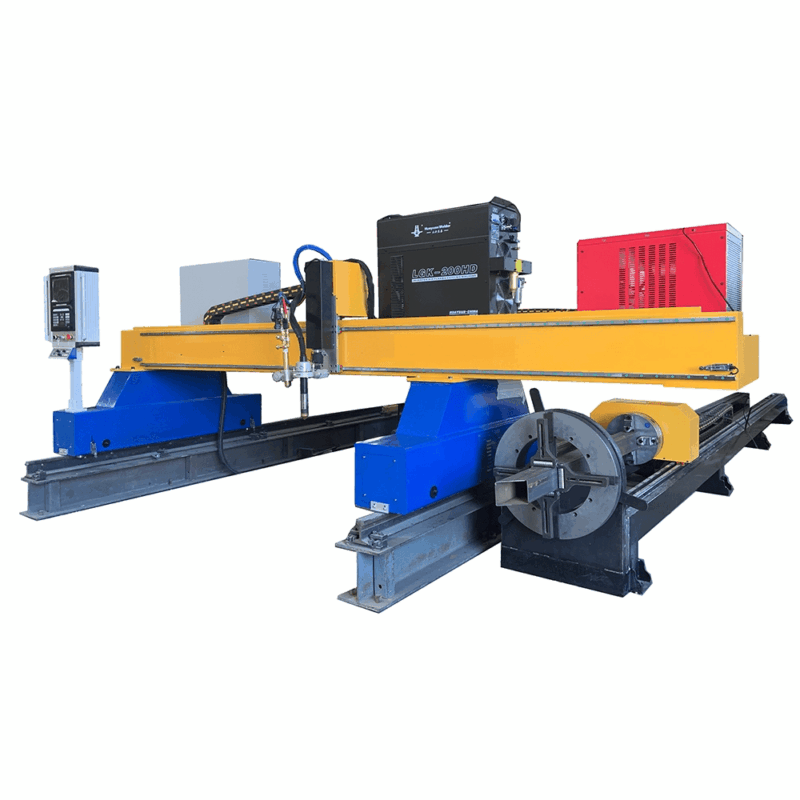
Maximizing Intersection Accuracy for Structural Frames
Construction machinery components often require complex “fish-mouth” cuts or coped joints where one H-beam intersects another at a specific angle. The arc voltage control ensures that as the plasma head traverses the transition point between the flange and the web, the arc remains stable despite the change in material orientation.
Precision Path Programming
Intersection accuracy is a function of both the robotic motion control and the plasma arc’s stability. In a 5-axis or 6-axis plasma system, the software calculates the intersection geometry. However, physical accuracy depends on the “spot size” of the plasma arc. By keeping the arc length consistent via AVC, the kerf compensation remains predictable. This allows engineers to design tight-tolerance joints that require zero secondary grinding or fit-up adjustment, directly reducing the total lead time in the production cycle.
Thermal Distortion Mitigation
Heavy-duty plasma cutting generates significant heat. In thin-walled sections, this can lead to localized expansion. AVC compensates for this “heat heave” by retracting the torch as the material expands upward, preventing tip damage and maintaining the programmed cut path. for Construction Machinery, where dimensional accuracy over a 12-meter beam might be capped at ±1mm, this control is critical.
Automated Beveling for Heavy-Duty Structural Preparation
Beveling is perhaps the most demanding application in H-beam production. For construction equipment, H-beams often require V, Y, X, or K-style bevels to prepare for full-penetration structural joints. Plasma cutting excels here due to its ability to maintain high speeds through thick material while tilting the torch at aggressive angles.
Multi-Axis Beveling Geometry
When a plasma torch tilts for a bevel cut, the effective thickness of the material increases (the slant height). Advanced AVC systems are programmed to adjust the voltage setpoint automatically based on the tilt angle. This ensures that the bevel face is smooth and the “land” at the bottom of the cut is consistent. In H-beam structural integrity assessments, a consistent bevel land is vital for ensuring that subsequent assembly stages proceed without gaps or alignment issues.
Consistency Across Flange Variations
H-beams produced by different mills often have slight variations in flange thickness. A rigid, non-AVC system would produce inconsistent bevel depths. The AVC-driven plasma line senses the actual surface of the flange for every cut, ensuring the bevel geometry is relative to the actual material surface rather than a theoretical CAD model.
Low Maintenance Design and Lifecycle Reliability
Industrial engineers prioritize uptime. Plasma systems used in H-beam lines are engineered for the harsh environments of heavy fabrication shops. Unlike more delicate optical systems, plasma components are inherently rugged and designed for high-dust, high-vibration areas.
Torch Protection and Consumable Longevity
The AVC system acts as the first line of defense against torch damage. By preventing “tip-ups” (where a cut piece flips up and strikes the torch), the system significantly extends the life of the nozzle and electrode. Modern H-beam lines also feature “collision sensors” that work in tandem with AVC to instantly stop motion if an obstruction is detected, protecting the expensive 3D torch head from catastrophic failure.
Reduced Secondary Operations
Maintenance isn’t just about fixing the machine; it’s about reducing the workload on the rest of the factory. By producing high-accuracy cuts and clean bevels, the plasma line eliminates the need for manual chipping, grinding, and rework. This “first-time-right” capability reduces the wear and tear on secondary handheld tools and lowers the labor burden per ton of steel processed.
Integration into Construction Machinery Manufacturing
The final objective of implementing robotic beveling solutions with arc voltage control is seamless integration into the wider production flow. When the plasma line delivers a perfectly coped and beveled H-beam, the downstream assembly becomes a deterministic process.
Data-Driven Throughput
Engineers can now track “arc-on” time and consumable wear through digital interfaces linked to the AVC. This data allows for predictive maintenance scheduling, ensuring that consumables are replaced during planned shifts rather than during peak production.
Environmental and Safety Considerations
Modern plasma H-beam lines are equipped with integrated fume extraction that moves with the gantry. Because the AVC keeps the torch at an optimal distance, the fume generation is more predictable and easier to capture compared to manual oxy-fuel cutting or unstable arc processes. This creates a safer, cleaner environment for the operators.
Conclusion
For the industrial engineer, the choice of a plasma-based H-beam production line is a strategic decision based on reliability and precision. The integration of Arc Voltage Control transforms plasma from a simple cutting tool into a high-precision machining process. By mastering intersection accuracy, facilitating automated beveling, and maintaining a low-maintenance profile, these systems provide the structural foundation upon which heavy construction machinery is built. The result is a significant reduction in cost-per-part and a substantial increase in structural reliability across the entire product lifecycle.
-
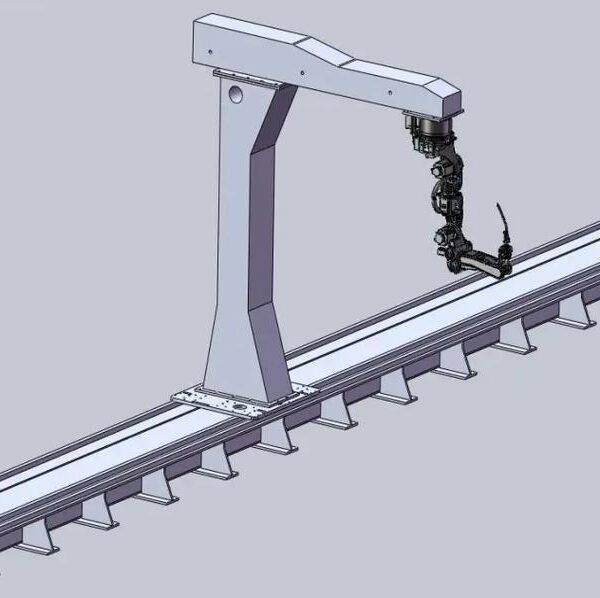

Cantilever Welding Robot solution
-
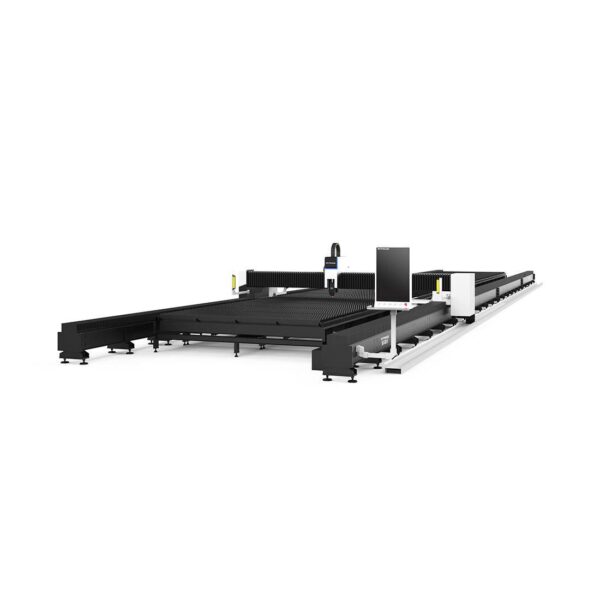

GF laser cutting machine
-
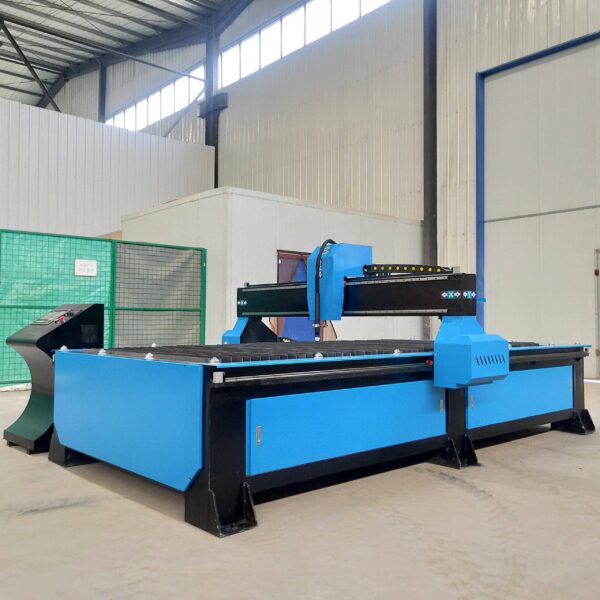
P3015 plasma cutting machine
-

LFP3015 Fiber Laser Cutter
-
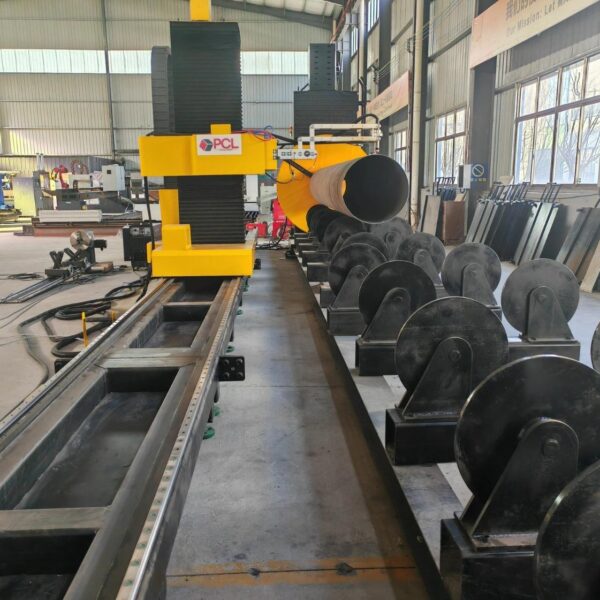
pipe plasma cutting machine
-
LFH 4020 Fiber Laser Cutting Machine
-
LFP4020
-
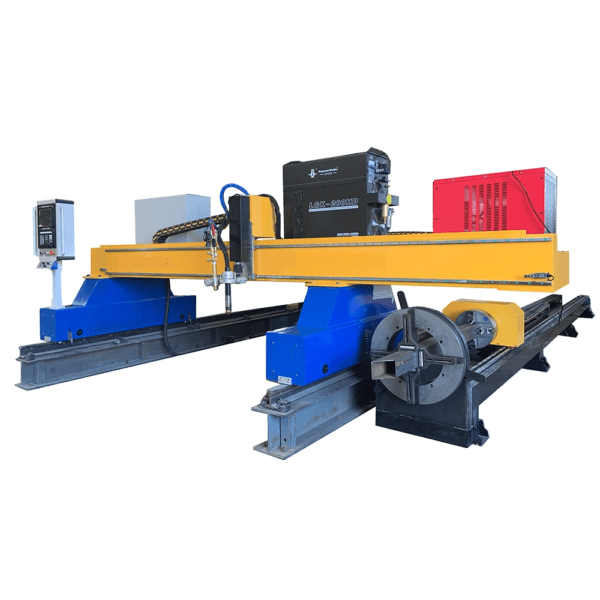
gantry plasma air cutting machine
-
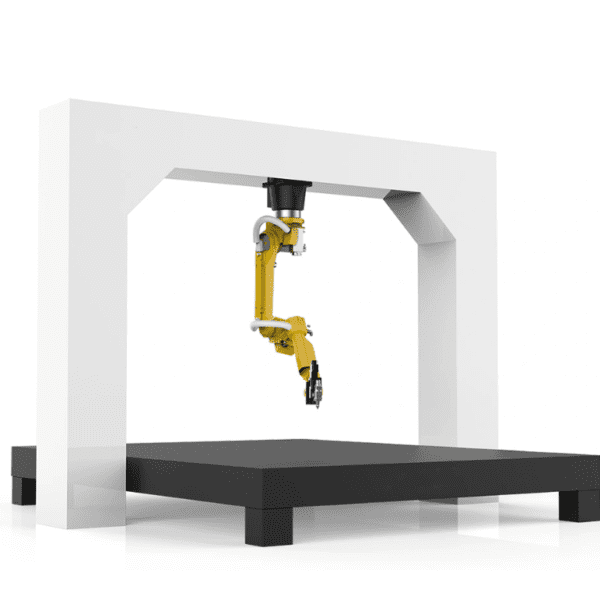
3D robot cutting machine
-
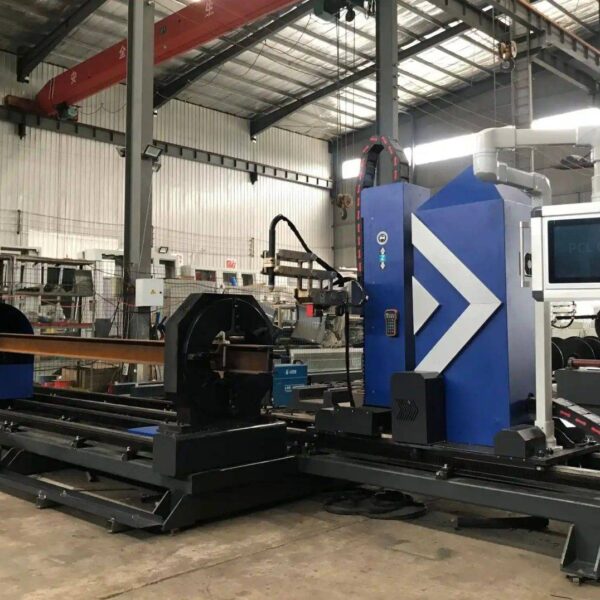
8 axis plasma cutting machine
-
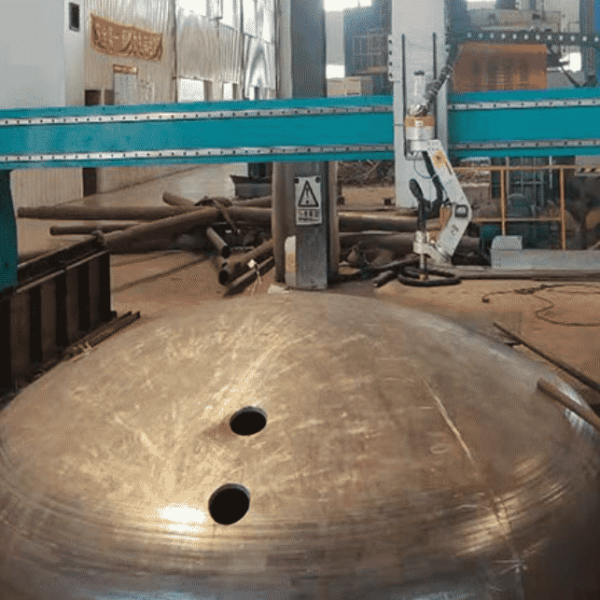
5 axis plasma cutting machine
-

LT360 tube laser cutting machine
-
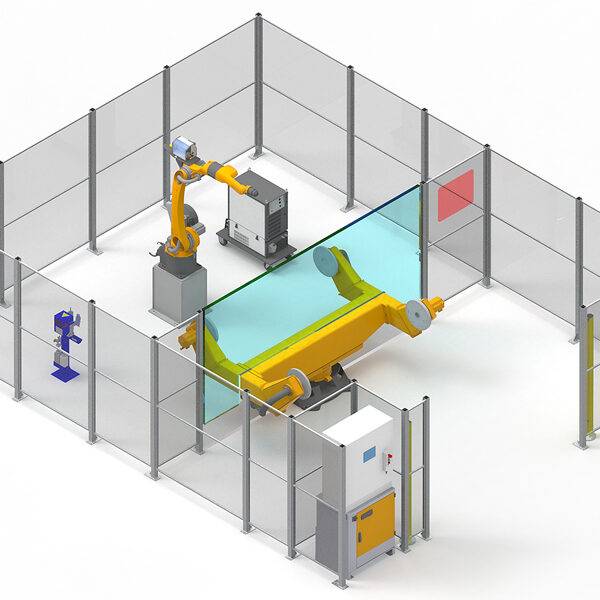
robot welding workstation
-
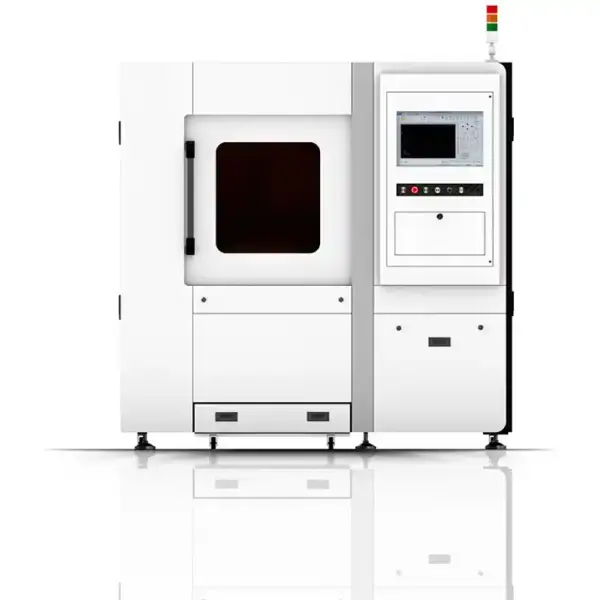
SF6060 fiber laser cutting machine
Advanced Fiber Laser Tube Processing Technology
Our CNC Fiber Laser Tube Cutting systems revolutionize metal fabrication by integrating high-precision cutting, punching, and profiling into a single automated workflow. Designed for versatility, this technology handles a wide array of profiles including Round, Square, Rectangular, and Oval tubes, as well as complex L-shaped and U-shaped channels.
- Precision Punching: High-speed hole punching with micron-level accuracy, eliminating the need for mechanical drilling or die-stamping.
- Complex Profiling: Advanced 3D pathing allows for intricate interlocking joints and specialized notch cuts, ideal for structural frames.
- High Material Efficiency: Intelligent nesting software minimizes scrap, reducing raw material costs across large production runs.
- Clean Finish: Delivers oxide-free, burr-free edges that require zero secondary grinding before welding.

Seamlessly processing multiple profiles with consistent precision.
Global Delivery & Logistics



From our high-tech manufacturing facility directly to your global site. PCL WeldCut ensures secure packaging, professional handling, and reliable international logistics to safeguard your equipment throughout the entire journey.