Optimizing Bridge Truss Fabrication through Advanced Plasma Integration
In the realm of heavy structural engineering, the production of bridge trusses demands a level of precision that reconciles massive scale with minute tolerances. The H-beam production line has evolved from manual layout and mechanical sawing to integrated thermal processing cells. These cells utilize high-definition plasma systems to execute complex geometries, copes, and notches required for truss nodes. Unlike traditional methods, the modern plasma-centric line prioritizes throughput and repeatability by automating the most variable aspect of the process: the relationship between the cutting tool and the workpiece.
The Mechanics of Arc Voltage Control in H-Beam Processing
The core of modern Plasma Cutting efficiency lies in arc voltage control (AVC). This technology functions as a closed-loop feedback system that regulates the torch’s Z-axis height during the cutting cycle. In H-beam production, the material is rarely perfectly flat or straight. Rolling tolerances, internal stresses, and thermal expansion during the cut can cause the beam’s flanges or web to shift by several millimeters.
Voltage Feedback and Stand-Off Distance
AVC monitors the electrical potential between the plasma electrode and the H-beam. Because the voltage of a plasma arc is directly proportional to the distance between the nozzle and the metal, the system can detect changes in surface elevation instantaneously. If the beam flange bows upward, the voltage drops; the AVC system interprets this signal and commands the Z-axis motor to retract the torch, maintaining a constant stand-off distance. This consistency is vital for maintaining the focal point of the plasma jet, ensuring the kerf width remains uniform across the entire length of a 12-meter bridge chord.
Achieving Sub-Millimeter Intersection Accuracy
Bridge trusses are defined by their intersections. Whether it is a Warren, Pratt, or K-truss design, the points where diagonal members meet the top and bottom chords must be processed with extreme intersection accuracy. Even a 2mm deviation in a cope profile can lead to significant gaps during assembly, requiring expensive corrective measures or excessive filler material.
3D Profiling and Kerf Compensation
Advanced plasma lines utilize multi-axis robotic heads or specialized gantry systems that can rotate and tilt the plasma torch. To achieve high intersection accuracy, the control software must account for the beam’s actual dimensions rather than relying solely on theoretical CAD data. Modern lines incorporate laser or mechanical probing prior to the cut to map the beam’s “as-built” profile. This data, combined with real-time AVC, allows the system to adjust the cutting path dynamically. The result is a notch or hole that accounts for web-to-flange transitions and radius deviations, ensuring that the intersecting member fits with high structural integrity.
Strategic Beveling for High-Strength Connections
For bridge applications, simple perpendicular cuts are rarely sufficient. Structural joints require specific edge preparations to facilitate full-penetration joints. Plasma cutting systems excel in this area by providing automated beveling capabilities on both the web and the flanges of the H-beam.
Multi-Axis Bevel Geometries
The ability to execute V, Y, X, and K-bevels in a single pass is a primary advantage of plasma technology. In a bridge truss, the diagonal braces often meet the chord at acute angles. The plasma torch, controlled via a 5-axis or 6-axis kinematic model, can vary the bevel angle along a contoured cut. This ensures that the weld preparation is consistent relative to the joining member’s geometry. By integrating this into the initial cutting phase, the production line eliminates the need for secondary grinding or manual bevelling, which are labor-intensive and prone to human error.
Operational Reliability and Low Maintenance Requirements
Industrial engineers prioritize equipment uptime, and in the harsh environment of a structural steel plant, the robustness of the cutting system is paramount. Plasma systems are inherently suited for bridge truss fabrication due to their resilience against the dust, scale, and vibration typical of heavy manufacturing.
Durability of Plasma Components
Compared to other thermal cutting technologies, plasma systems offer an H-beam low maintenance profile that is highly attractive for 24/7 operations. The primary wear components are the electrode and nozzle, which are designed for rapid replacement. Modern power supplies feature diagnostic tools that predict consumable end-of-life, preventing unexpected downtime. Furthermore, the absence of sensitive optical components means the system is less susceptible to the environmental contaminants found in steel mills.
Thermal Management and System Longevity
The latest generation of plasma torches utilizes advanced liquid cooling systems that extend the life of the torch body and consumables even when operating at high duty cycles. This thermal management, coupled with the AVC’s ability to prevent torch-to-workpiece collisions, significantly reduces the frequency of mechanical repairs. From an engineering perspective, the lower complexity of the plasma delivery system translates to a higher Mean Time Between Failures (MTBF) and a lower Total Cost of Ownership (TCO) over the lifecycle of the production line.
Workflow Integration: From Raw Beam to Finished Component
The efficiency of a plasma cutting line is maximized when it is treated as a holistic system. The process begins with automated material handling where H-beams are loaded onto a conveyor system. Sensors detect the leading edge of the beam, and the AVC-enabled torch prepares for the initial trim cut. As the beam moves through the cutting station, the software coordinates the movement of the gantry and the rotation of the torch to execute all bolt holes, copes, and bevels in a single setup.
By eliminating the need to move the beam between different machines for sawing, drilling, and bevelling, the production line reduces the risk of material handling damage and cumulative measurement errors. The integration of arc voltage control ensures that even if the beam has a significant longitudinal sweep, the torch will follow the contour precisely, maintaining the specified bevel angle and depth of cut throughout the entire geometry.
Conclusion: The Engineering Rationale for Plasma-Based Lines
For the industrial engineer tasked with optimizing bridge truss production, the selection of a plasma-based H-beam line is a decision based on mechanical efficiency and structural requirements. The combination of AVC for height stability, multi-axis motion for intersection accuracy, and the inherent durability of plasma hardware creates a production environment that is both high-output and high-precision. By focusing on the fundamentals of thermal cutting and automated feedback loops, manufacturers can meet the rigorous standards of modern bridge engineering while maintaining a lean and reliable operational footprint.
-


LT240S tube laser cutting machine
-
LT120S tube laser cutting machine
-
Sale

Tank Fillet Welding Machine
Original price was: $1,000.00.$900.00Current price is: $900.00. -
Sale

MAK100 tube laser cutting machine
Original price was: $5,500.00.$5,000.00Current price is: $5,000.00. -

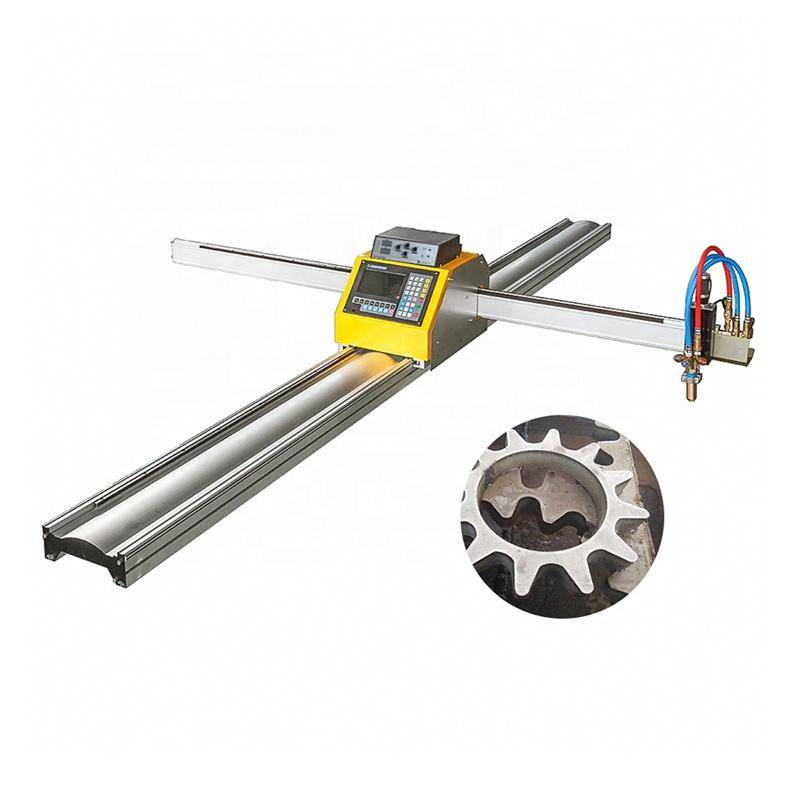
portable plasma air cutting machine
$1,200.00 -

2in1 fiber laser cutting machine
-

Air cooling Laser welding machine
-

HF h beam laser cutting machine
-

LT240 laser cutting machine
-

Laser welding machine
-


Cobot Welding Station
-

Gantry welding robot solution
-

Tracked Wheeled AGV Welding robot
-

LFH6020 Fiber laser cutting machine
-
LFP6020
-

robotic welidng machine
Advanced Fiber Laser Tube Processing Technology
Our CNC Fiber Laser Tube Cutting systems revolutionize metal fabrication by integrating high-precision cutting, punching, and profiling into a single automated workflow. Designed for versatility, this technology handles a wide array of profiles including Round, Square, Rectangular, and Oval tubes, as well as complex L-shaped and U-shaped channels.
- Precision Punching: High-speed hole punching with micron-level accuracy, eliminating the need for mechanical drilling or die-stamping.
- Complex Profiling: Advanced 3D pathing allows for intricate interlocking joints and specialized notch cuts, ideal for structural frames.
- High Material Efficiency: Intelligent nesting software minimizes scrap, reducing raw material costs across large production runs.
- Clean Finish: Delivers oxide-free, burr-free edges that require zero secondary grinding before welding.

Seamlessly processing multiple profiles with consistent precision.
Global Delivery & Logistics



From our high-tech manufacturing facility directly to your global site. PCL WeldCut ensures secure packaging, professional handling, and reliable international logistics to safeguard your equipment throughout the entire journey.