Optimization of Bridge Truss Fabrication via High-Power Fiber Laser Technology
In contemporary structural engineering, the bridge truss represents a critical assembly where dimensional accuracy and material integrity are non-negotiable. Traditional methods of preparing structural profiles—such as H-beams, I-beams, and large-diameter tubes—often involve fragmented workflows that introduce cumulative error. The implementation of a high-power Fiber Laser Cutting Machine transforms this process by providing a unified platform for high-velocity thermal cutting, precision marking, and hole creation without mechanical contact.
The transition to fiber optics allows for a concentrated energy density that exceeds previous CO2 benchmarks. for Bridge Trusses, which require thick-walled sections to handle immense dead and live loads, the fiber laser provides a stable beam with a wavelength of approximately 1.06 microns. This allows for superior absorption in reflective metals and carbon steels, resulting in a narrow kerf width and a minimal Heat Affected Zone (HAZ). By controlling the thermal input at a granular level, engineers ensure that the metallurgical properties of the truss members remain within design specifications, preventing the brittleness often associated with less precise thermal processes.
The Mechanics of Zero-Tailing Technology in Profile Cutting
Material cost accounts for a significant portion of the total expenditure in bridge construction. Conventional CNC laser machines typically leave a substantial “tailing” or remnant at the end of a long profile, often ranging from 300mm to 1000mm, because the chucks cannot physically move the material past the cutting head while maintaining stability. Zero-tailing technology addresses this inefficiency through the use of multi-chuck synchronized systems.
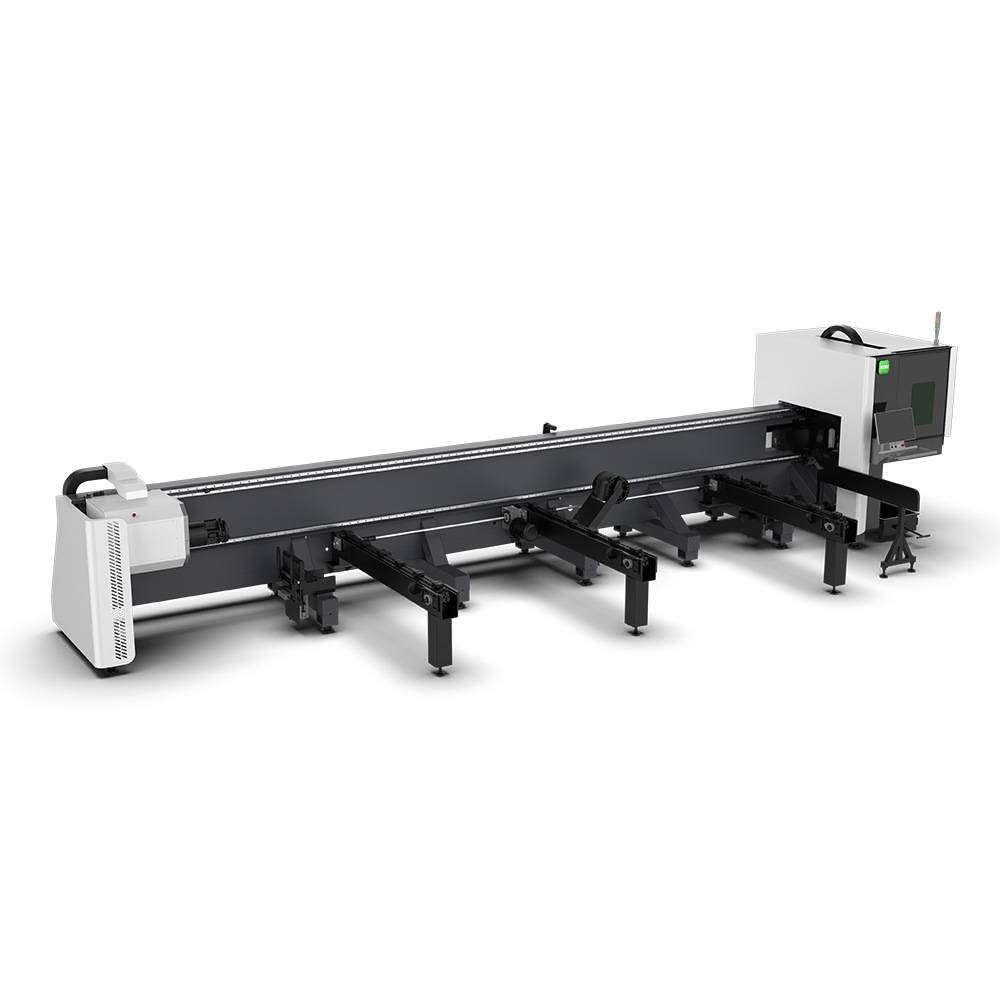
In a typical three-chuck or four-chuck configuration, the machine utilizes an intelligent handover mechanism. As the cutting head approaches the final sections of a structural beam, the intermediate and rear chucks coordinate their movement to push the material through the final cutting zone. This allows the laser to execute cuts right to the very edge of the stock material. For large-scale bridge projects requiring thousands of linear meters of steel, the reduction of scrap from 5-10% down to near-zero provides a direct and measurable improvement in the Return on Investment (ROI) and Overall Equipment Effectiveness (OEE).
Precision Engineering: Punching and Marking Integration
A primary bottleneck in bridge truss assembly is the secondary processing required for bolt holes and assembly markers. A Fiber Laser Cutting Machine eliminates these steps by performing high-speed “laser punching” and surface marking in the same program as the primary cut. The laser can produce perfectly circular holes with diameters smaller than the material thickness—a feat traditionally difficult for mechanical punches or older thermal methods.
Marking is equally vital. Bridge trusses are complex 3D puzzles; each node and chord must be precisely oriented. The fiber laser can etch part numbers, alignment lines, and welding prep markers directly onto the surface of the steel. Because the laser’s focal point is adjusted via software, the depth of these marks is controlled to prevent any compromise in structural thickness while ensuring the marks remain visible through subsequent coating or painting processes. This level of traceability is essential for meeting international bridge safety standards and quality audits.
Eliminating Post-Process Grinding and Edge Preparation
One of the most significant labor sinks in heavy steel fabrication is the requirement for grinding. When edges are cut with low-precision equipment, dross or slag accumulation necessitates manual cleanup to ensure proper fit-up and coating adhesion. Fiber laser cutting, particularly when using high-pressure nitrogen or oxygen assist gases, produces a clean, square edge with a surface roughness (Ra) that often requires no further mechanical treatment.
For bridge trusses, where the fatigue life of the joint is paramount, the smoothness of the cut edge is a critical variable. Micro-cracks or irregularities on a cut surface can act as stress concentrators. The high-frequency modulation of the fiber laser ensures a consistent edge profile. By removing the grinding stage, the industrial workflow becomes a continuous “load-cut-unload” cycle, drastically reducing the total man-hours per ton of fabricated steel.
Structural Integrity and Heat Affected Zone Management
The structural performance of Bridge Truss Fabrication is dependent on the localized impact of heat during the cutting process. Fiber lasers, due to their high cutting speeds and concentrated energy, move across the material so rapidly that the heat has little time to dissipate into the surrounding metal. This results in a much smaller HAZ compared to traditional thermal cutting.
In the context of high-strength structural steels (such as S355 or S460), maintaining the grain structure near the cut edge is vital. A narrow HAZ ensures that the yield strength and ductility of the truss components are not degraded. This precision allows designers to utilize the full theoretical strength of the material without adding “safety fat” to compensate for manufacturing-induced weaknesses. Furthermore, the absence of mechanical force during the laser process means there is no risk of deforming the profile’s cross-section, which is common with mechanical shearing or punching.
Workflow Automation and Nesting Optimization
To maximize the benefits of zero-tailing fiber lasers, advanced nesting software is utilized to arrange the various truss components on a single length of raw material. The software calculates the optimal sequence of cuts to minimize head movement and maximize the use of the zero-tailing chuck system. This digital-to-physical workflow ensures that the data from the bridge’s BIM (Building Information Modeling) software is translated directly into the cutting path with sub-millimeter accuracy.
The automation extends to the material handling phase. Automated loading and unloading systems can be synchronized with the laser’s cycle, allowing for “lights-out” manufacturing in some environments. For bridge components that are often bulky and heavy, reducing the number of times a part is touched by a crane or forklift reduces the risk of surface damage and improves facility safety. The industrial engineer can thus focus on throughput optimization rather than troubleshooting manual errors.
Summary of Technical Advantages
The integration of fiber laser technology into the bridge sector represents a shift toward Structural Steel Precision. By adopting a system that handles cutting, punching, and marking in one pass, while simultaneously eliminating material waste via zero-tailing chucks, manufacturers achieve a higher standard of production. The resulting components fit together more accurately during field assembly, reducing the need for on-site adjustments and ensuring that the bridge meets its design lifespan with minimal maintenance requirements. In the competitive landscape of heavy infrastructure, the efficiency gains provided by the fiber laser are the primary drivers of modern fabrication excellence.
-
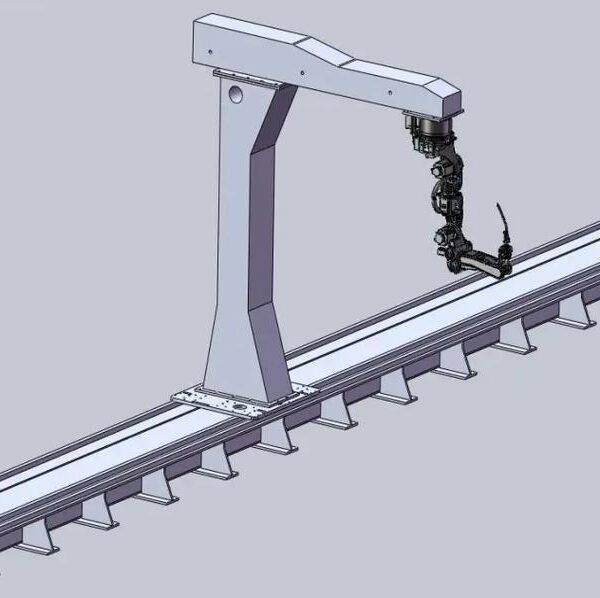

Cantilever Welding Robot solution
-
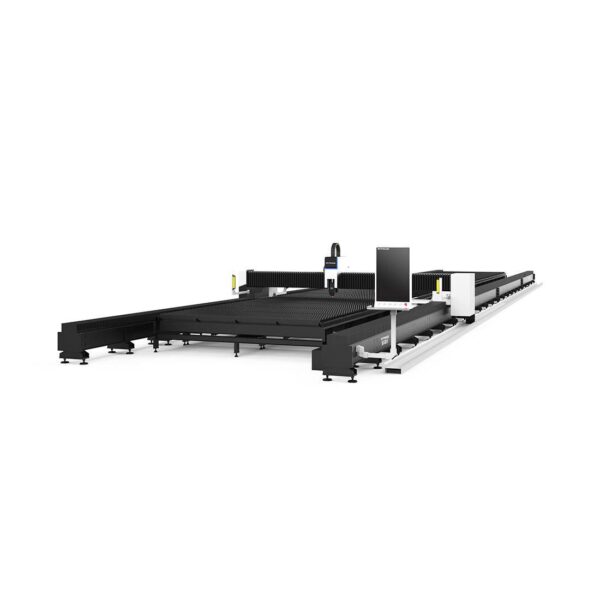

GF laser cutting machine
-
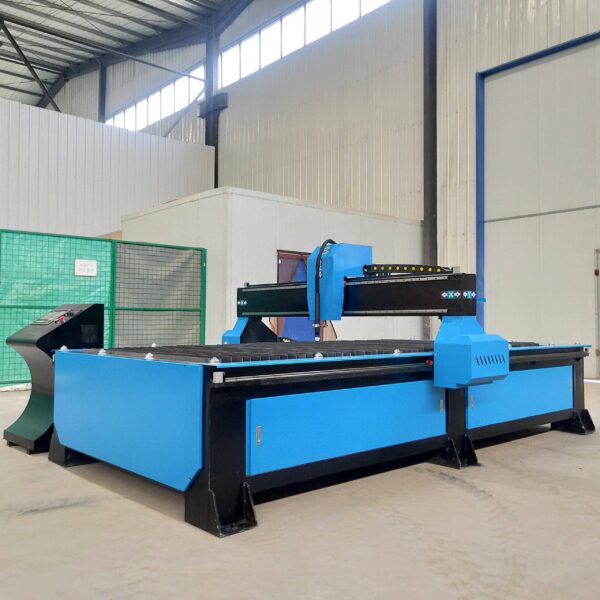
P3015 plasma cutting machine
-

LFP3015 Fiber Laser Cutter
-
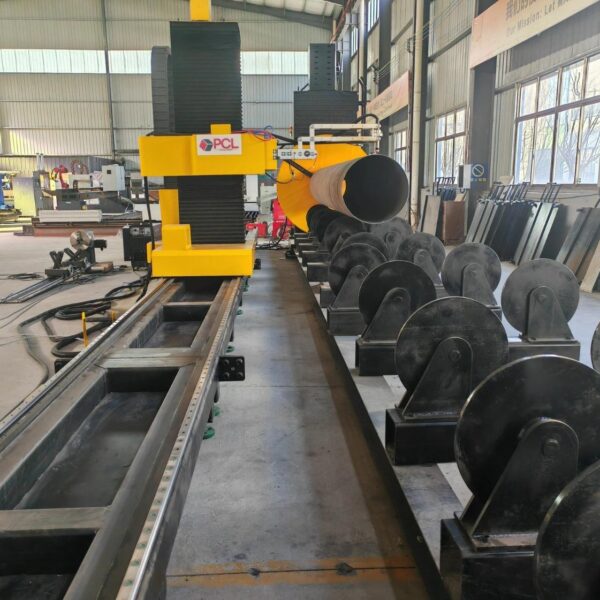
pipe plasma cutting machine
-
LFH 4020 Fiber Laser Cutting Machine
-
LFP4020
-
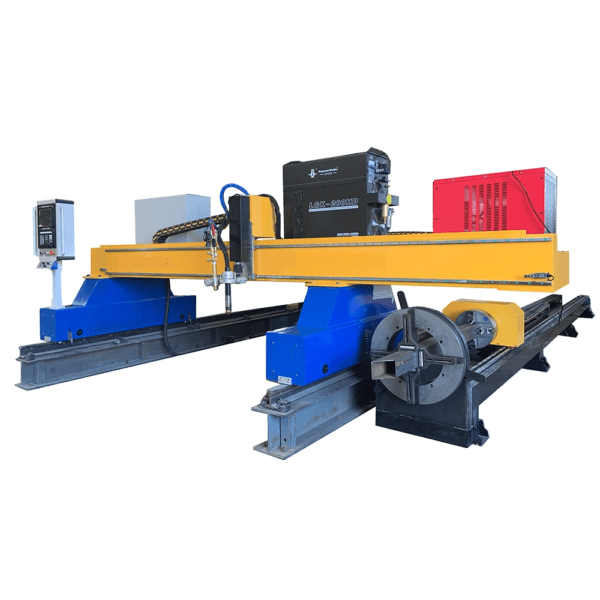
gantry plasma air cutting machine
-
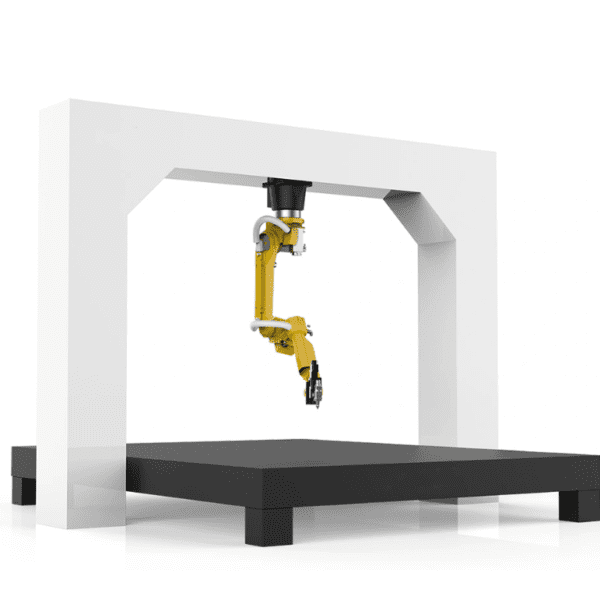
3D robot cutting machine
-
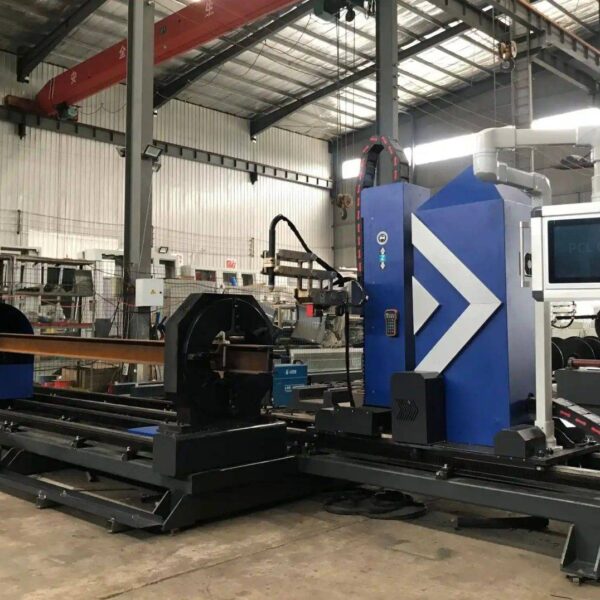
8 axis plasma cutting machine
-
5 axis plasma cutting machine
-

LT360 tube laser cutting machine
-
robot welding workstation
-
SF6060 fiber laser cutting machine
Advanced Fiber Laser Tube Processing Technology
Our CNC Fiber Laser Tube Cutting systems revolutionize metal fabrication by integrating high-precision cutting, punching, and profiling into a single automated workflow. Designed for versatility, this technology handles a wide array of profiles including Round, Square, Rectangular, and Oval tubes, as well as complex L-shaped and U-shaped channels.
- Precision Punching: High-speed hole punching with micron-level accuracy, eliminating the need for mechanical drilling or die-stamping.
- Complex Profiling: Advanced 3D pathing allows for intricate interlocking joints and specialized notch cuts, ideal for structural frames.
- High Material Efficiency: Intelligent nesting software minimizes scrap, reducing raw material costs across large production runs.
- Clean Finish: Delivers oxide-free, burr-free edges that require zero secondary grinding before welding.

Seamlessly processing multiple profiles with consistent precision.
Global Delivery & Logistics



From our high-tech manufacturing facility directly to your global site. PCL WeldCut ensures secure packaging, professional handling, and reliable international logistics to safeguard your equipment throughout the entire journey.