Advanced Integration of Fiber Laser Cutting in Structural Engineering
In the current landscape of industrial fabrication, the transition from stationary CNC machinery to mobile automation represents a significant shift in operational efficiency. The implementation of a Fiber laser cutting technology mounted on a magnetic crawler system addresses the inherent challenges of processing large-scale steel structures. Traditional methods often require moving heavy workpieces to a fixed machine tool, creating logistical bottlenecks. By reversing this dynamic—bringing the tool to the workpiece—manufacturers can significantly reduce material handling time and improve throughput.
The core of this system is a high-density fiber laser source coupled with a precision-controlled mobile platform. Unlike traditional thermal cutting processes, the fiber laser utilizes a solid-state gain medium, resulting in a beam with a shorter wavelength (typically 1.064 microns). This characteristic allows for superior absorption rates in reflective metals and structural carbon steel, facilitating a narrow kerf width and a highly concentrated energy zone.
The Mechanics of the Magnetic Crawler System
The Magnetic crawler system serves as the mobile chassis for the laser cutting head. Engineered with high-flux permanent magnets or switchable electromagnets, the crawler maintains a constant refractive distance from the steel surface, even when operating on vertical or inverted planes. This adhesion is critical for maintaining the focal point of the laser beam, ensuring consistent cutting quality across the entire geometry of an H-beam, box girder, or large plate.
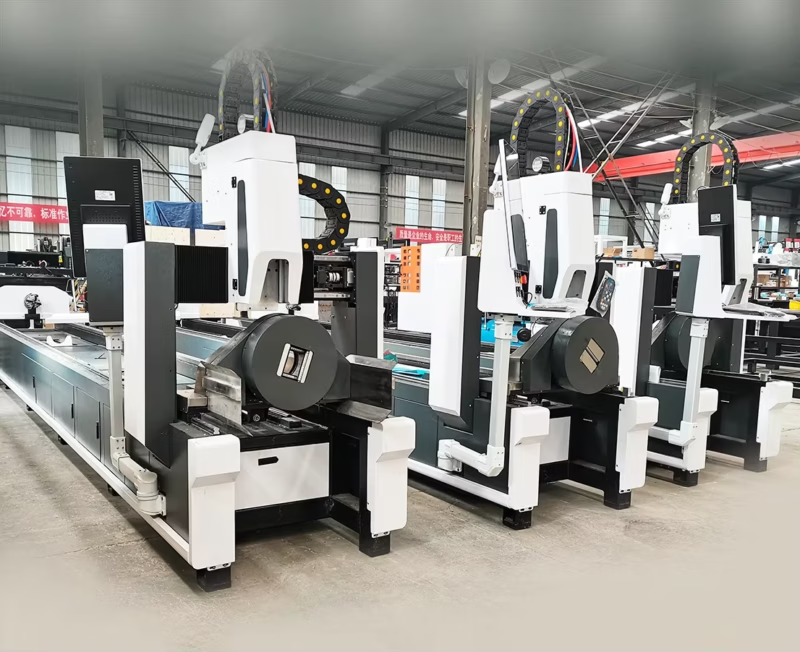
Drive systems for these crawlers typically employ high-torque servo motors integrated with planetary gearboxes. This setup provides the necessary resolution for fine-path movements required during complex marking or small-diameter punching operations. By utilizing dual-axis synchronization, the crawler compensates for surface irregularities, maintaining a steady feed rate which is essential for achieving a high-quality surface finish.
Tri-Functional Processing: Punch, Mark, and Cut
One of the most significant advantages of fiber laser integration is the ability to perform three distinct operations—punching, marking, and cutting—in a single programming sequence. This multi-process capability eliminates the need for separate workstations and manual layout marking.
High-Precision Punching and Hole Piercing
In structural steel, bolt holes must meet stringent tolerance levels for alignment during assembly. The fiber laser system executes “punching” through rapid piercing cycles that result in perfectly cylindrical holes. Because the heat input is localized, the metallurgical properties around the hole remain stable, preventing the work-hardening often seen with mechanical drills or the distorted edges common in lower-energy processes.
Automated Layout Marking
The system utilizes low-power modulation to etch layout lines, part numbers, and assembly guides directly onto the steel surface. This Structural steel fabrication step is performed at high speeds with high contrast, ensuring that downstream assembly teams have clear, permanent instructions. This digital-to-physical transfer of data reduces the probability of human error in complex structural layouts.
Precision Profile Cutting
The final phase is the high-power profile cut. The fiber laser’s ability to maintain a narrow kerf means that complex geometries, such as rat holes, cope cuts, and weld preparations, can be executed with sub-millimeter accuracy. The precision of the magnetic crawler’s motion control ensures that the start and stop points of the cut are seamless, which is vital for the structural integrity of the component.
Elimination of Secondary Grinding Operations
A primary driver for the adoption of fiber laser crawlers in steel construction is the “clean-cut” characteristic. Industrial engineers focus on reducing non-value-added activities, and grinding is often the most labor-intensive post-processing step.
The high-energy density of the fiber laser, combined with optimized auxiliary gas delivery (typically oxygen for carbon steel or nitrogen for stainless variants), results in a cut surface that is virtually free of dross and slag. The Heat Affected Zone (HAZ) is significantly minimized compared to other thermal methods. Because the HAZ is so narrow, the edge remains ductile and ready for immediate fit-up. The surface roughness (Rz) achieved by a fiber laser is often within the range that allows for direct painting or coating without prior mechanical abrasion.
Workflow Optimization and Labor Efficiency
From an industrial engineering perspective, the fiber laser magnetic crawler optimizes the “Man-Machine-Material” triad. By automating the cutting and marking process on-site or in-situ, the following efficiencies are realized:
Reduction in Material Handling
Large structural members do not need to be loaded onto a gantry table. The crawler can be placed directly on the raw material as it arrives from the mill. This reduces the reliance on overhead cranes and heavy-duty forklifts, freeing up those assets for other tasks.
Digital Integration and BIM Compatibility
The control software for the crawler system typically accepts standard CAD/CAM files and can be integrated into Building Information Modeling (BIM) workflows. This ensures that the physical cuts made on the steel structure are identical to the digital twin, facilitating a “first-time-right” manufacturing philosophy.
Labor Shift from Manual to Technical
The role of the operator shifts from manual cutting and grinding to system monitoring and digital file management. This not only improves safety by removing the operator from the immediate vicinity of sparks and mechanical hazards but also increases the technical capacity of the workforce.
Economic Impact and ROI Analysis
The capital investment in a fiber laser crawler system is offset by the reduction in consumables and the elimination of secondary labor. Traditional drilling and mechanical cutting require frequent tool replacement and coolant management. Fiber lasers, being solid-state, have no moving parts in the laser-generating medium and boast wall-plug efficiencies of over 30%, which is significantly higher than older CO2 laser technologies.
Furthermore, the speed of fiber laser cutting—often several times faster than mechanical alternatives on thicknesses up to 20mm—allows for shorter lead times. When the total cost of ownership (TCO) is calculated, including the savings from not needing to grind edges or manually mark layouts, the return on investment (ROI) for high-volume structural fabricators becomes exceptionally clear.
Conclusion
The deployment of Fiber Laser Cutting Machines equipped with Magnetic Crawlers represents a pinnacle of mobile industrial automation. By providing a high-precision, multi-functional tool that adheres directly to the workpiece, the steel structure industry can achieve levels of accuracy and surface quality previously reserved for aerospace-grade manufacturing. The elimination of post-process grinding and the integration of punching and marking into a single autonomous cycle provide a robust solution for modernizing structural steel fabrication.
-
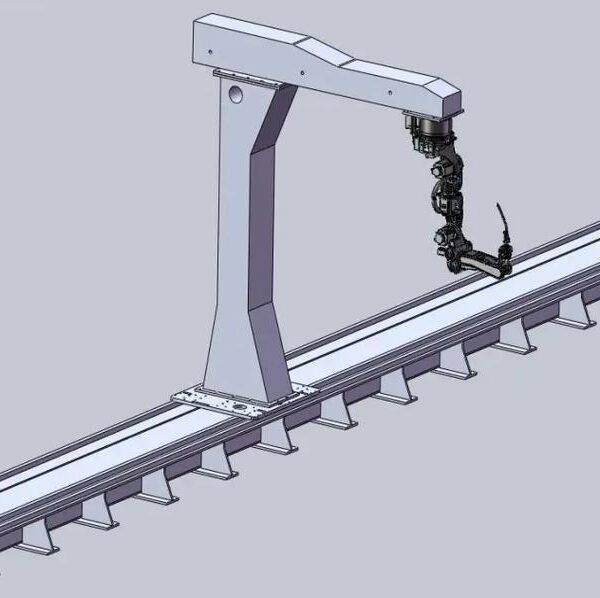

Cantilever Welding Robot solution
-
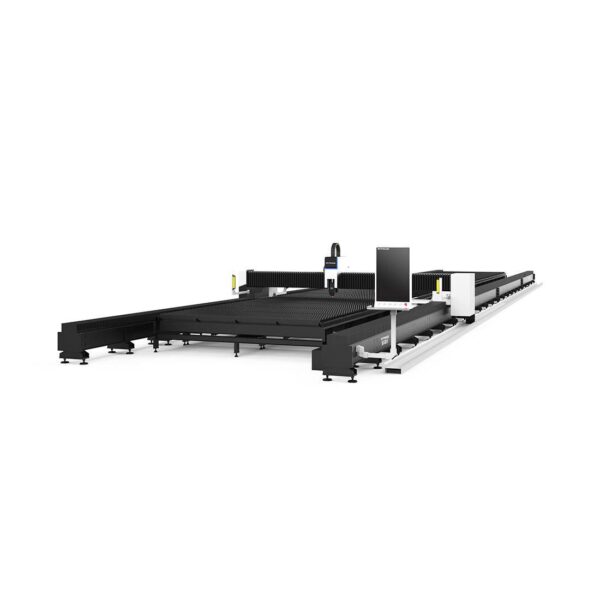

GF laser cutting machine
-
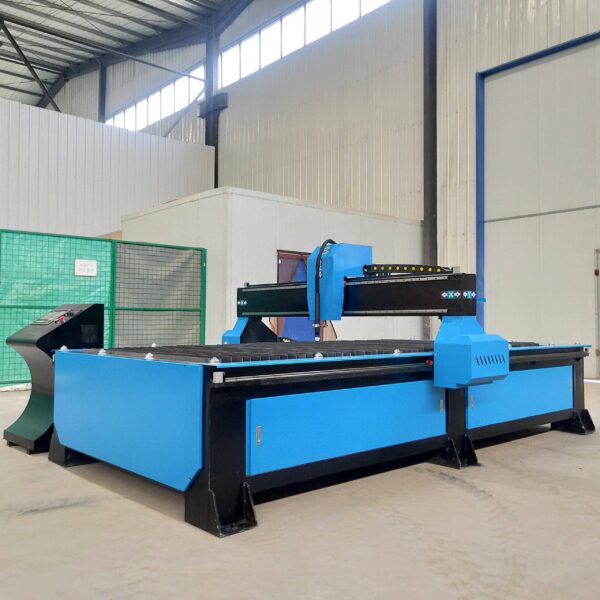
P3015 plasma cutting machine
-

LFP3015 Fiber Laser Cutter
-
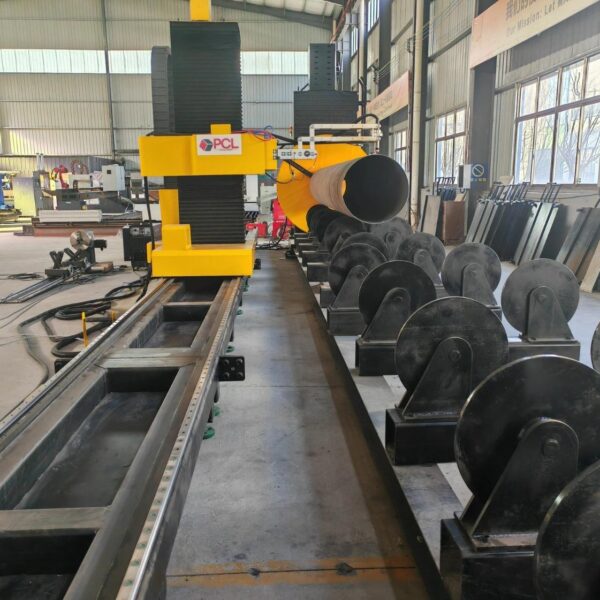
pipe plasma cutting machine
-
LFH 4020 Fiber Laser Cutting Machine
-
LFP4020
-
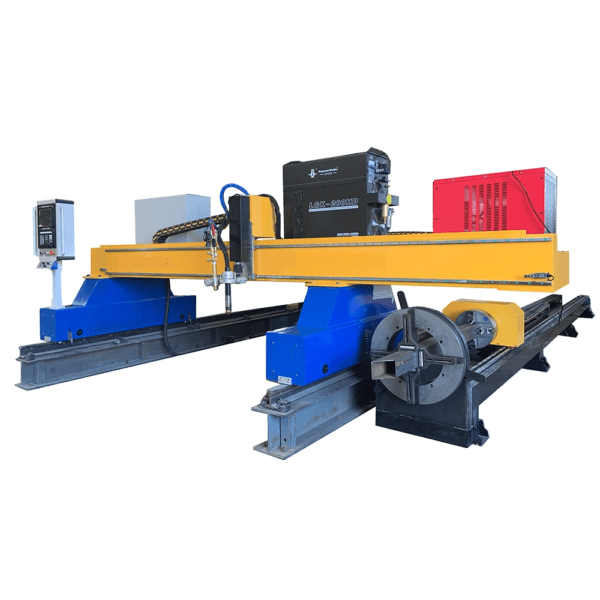
gantry plasma air cutting machine
-
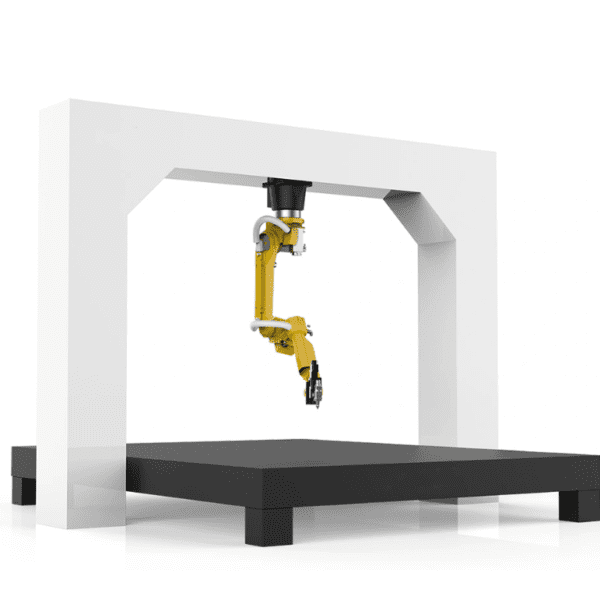
3D robot cutting machine
-
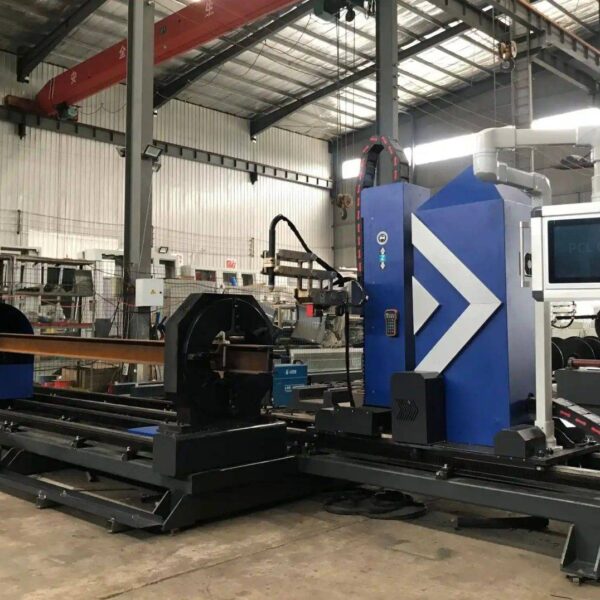
8 axis plasma cutting machine
-
5 axis plasma cutting machine
-

LT360 tube laser cutting machine
-
robot welding workstation
-
SF6060 fiber laser cutting machine
Advanced Fiber Laser Tube Processing Technology
Our CNC Fiber Laser Tube Cutting systems revolutionize metal fabrication by integrating high-precision cutting, punching, and profiling into a single automated workflow. Designed for versatility, this technology handles a wide array of profiles including Round, Square, Rectangular, and Oval tubes, as well as complex L-shaped and U-shaped channels.
- Precision Punching: High-speed hole punching with micron-level accuracy, eliminating the need for mechanical drilling or die-stamping.
- Complex Profiling: Advanced 3D pathing allows for intricate interlocking joints and specialized notch cuts, ideal for structural frames.
- High Material Efficiency: Intelligent nesting software minimizes scrap, reducing raw material costs across large production runs.
- Clean Finish: Delivers oxide-free, burr-free edges that require zero secondary grinding before welding.

Seamlessly processing multiple profiles with consistent precision.
Global Delivery & Logistics



From our high-tech manufacturing facility directly to your global site. PCL WeldCut ensures secure packaging, professional handling, and reliable international logistics to safeguard your equipment throughout the entire journey.