Optimization of Steel Structure Fabrication via Magnetic Crawler Fiber Laser Systems
In the current landscape of structural engineering, the demand for higher throughput and tighter dimensional tolerances has pushed traditional fabrication methods to their limits. The introduction of the magnetic crawler fiber laser has redefined how large-scale steel components, such as I-beams and heavy plates, are processed. Unlike stationary gantry systems that require the workpiece to be transported to the machine, the magnetic crawler brings the laser source directly to the steel structure. This shift in the manufacturing paradigm addresses the logistical challenges of handling massive structural members while maintaining the extreme precision inherent to fiber laser technology.
The Technical Superiority of Fiber Laser Integration
Fiber laser technology operates at a wavelength of approximately 1.06 microns, allowing for a focused spot size that is significantly smaller than CO2 alternatives. For structural steel, this translates to a high power density that vaporizes material instantly. The primary advantage in a magnetic crawler configuration is the ability to maintain a consistent focal point while traversing uneven or vertical surfaces. By utilizing a high-performance fiber source, the system delivers a narrow kerf width, which is essential for maintaining the structural integrity of the steel and ensuring that bolt holes and mating surfaces meet exact specifications.
From an industrial engineering perspective, the fiber laser’s efficiency is unmatched. With wall-plug efficiencies exceeding 30%, these systems consume less power while delivering faster cutting speeds on carbon steel and stainless steel sections. The absence of mirrors and complex beam delivery paths—replaced by flexible fiber optic cables—makes the laser unit resilient to the vibrations and movements associated with crawler-based locomotion.
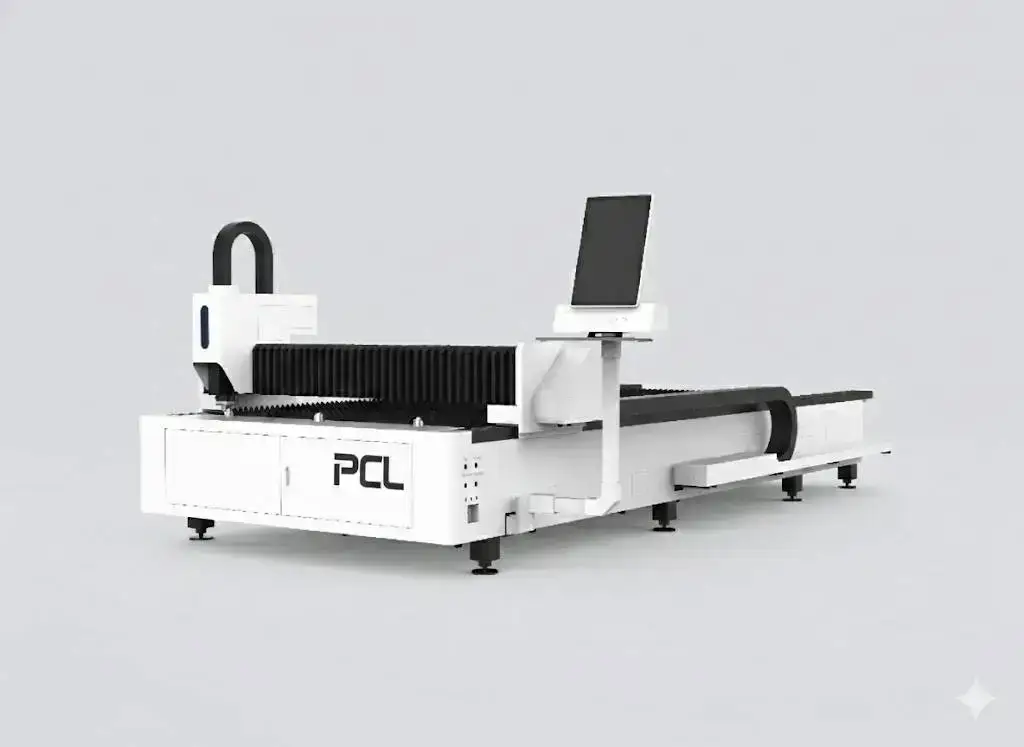
The Punch-Mark-Cut Methodology
One of the most significant advancements in steel structure fabrication is the “all-in-one” processing capability. A magnetic crawler equipped with a fiber laser does not simply cut shapes; it executes a three-stage sequence that eliminates several manual workstations:
1. Precision Punching and Center Point Location
Before the cutting sequence begins, the laser performs high-speed “punching” or dimpling. This creates precise center points for subsequent assembly or verification. Because the laser can pulse at high frequencies with extreme peak power, these dimples are uniform and accurately positioned according to the CAD/CAM data, replacing the need for manual center-punching.
2. Layout and Identification Marking
The crawler uses the fiber laser to etch layout lines, part numbers, and assembly instructions directly onto the steel surface. This marking is performed at a lower power setting to ensure the material’s surface is engraved without compromising the metallurgical properties. This internal traceability is vital for complex projects like bridges or high-rise frameworks where every component must be verified.
3. High-Speed Geometric Cutting
The final stage is the actual severance or profile cutting. The fiber laser’s high energy density ensures that the cut edge is smooth and perpendicular. By controlling the assist gas (typically oxygen or nitrogen), the system produces a clean edge that is free of dross and oxidation.
Achieving Secondary Grinding Elimination
Traditional thermal cutting processes often leave behind a hardened edge or significant slag, requiring workers to spend hours on manual grinding before the steel can be moved to the next phase of production. The secondary grinding elimination provided by fiber laser crawlers is a game-changer for shop floor productivity.
The fiber laser produces a Heat Affected Zone (HAZ) that is remarkably narrow. Because the heat input is so localized, the surrounding material retains its mechanical properties, and the cut edge achieves a surface roughness (Ra) that often meets or exceeds the requirements for immediate assembly. By removing the grinding bottleneck, industrial engineers can reallocate labor to higher-value tasks and reduce the overall lead time of the fabrication project.
Magnetic Crawler Dynamics and Stability
The mobility of the system relies on high-flux permanent magnets or electromagnets that allow the crawler to adhere to the steel surface with several kilonewtons of force. This adhesion is critical for maintaining the standoff distance between the laser head and the workpiece. In structural steel applications, surfaces are rarely perfectly flat; they may have mill scale, slight curvature, or surface irregularities.
Advanced magnetic crawlers utilize a height-sensing system that works in tandem with the fiber laser head. This capacitive sensing ensures that even as the crawler moves over an H-beam flange or a large gusset plate, the focal length remains constant. The result is a consistent cut quality regardless of the crawler’s orientation—whether it is moving horizontally, vertically, or even inverted.
Economic Impact and Workflow Integration
Implementing all-in-one laser processing through magnetic crawlers directly impacts the bottom line by reducing the Total Cost of Ownership (TCO). While the initial investment in fiber laser technology is higher than traditional mechanical methods, the operational savings are found in:
Reduced Material Handling
Since the crawler is portable, there is a drastic reduction in the use of overhead cranes and heavy-duty conveyors. The steel stays in its staging area while the “machine” comes to the work.
Consumable Efficiency
Fiber lasers have no internal moving parts in the resonator and no mirrors to clean or align. The primary consumables are the copper nozzles and protective windows, which have long service lives when properly maintained.
Digital Integration
These crawlers are typically driven by CNC controllers that accept standard DXF or G-code files. This allows for a seamless transition from the design office (BIM models) to the shop floor. The precision of the laser ensures that the physical component is a digital twin of the design, minimizing fit-up issues during on-site erection.
Conclusion: The Future of Heavy Fabrication
The synergy between magnetic crawler mobility and fiber laser precision represents the next evolution in industrial engineering for the steel sector. By focusing on high-speed, high-accuracy processing that handles punching, marking, and cutting in a single pass, manufacturers can achieve unprecedented levels of efficiency. The elimination of secondary grinding and the reduction in manual layout errors not only improves the quality of the final structure but also ensures a safer, more streamlined production environment. As infrastructure projects become more complex, the adoption of portable fiber laser technology will be the defining factor in competitive manufacturing.
-
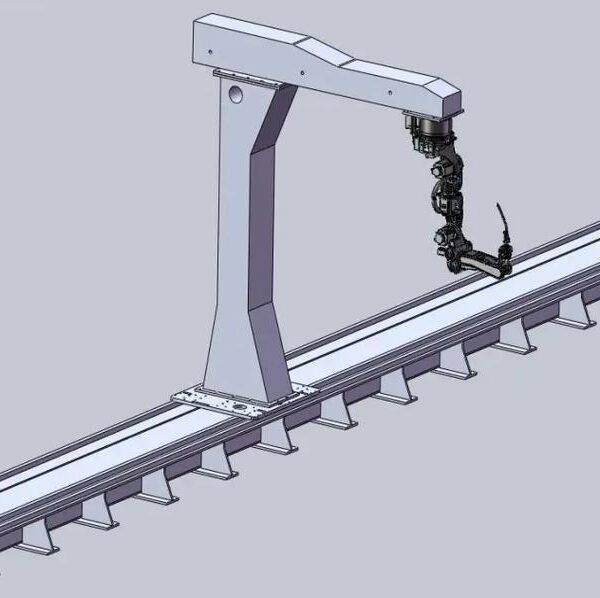

Cantilever Welding Robot solution
-
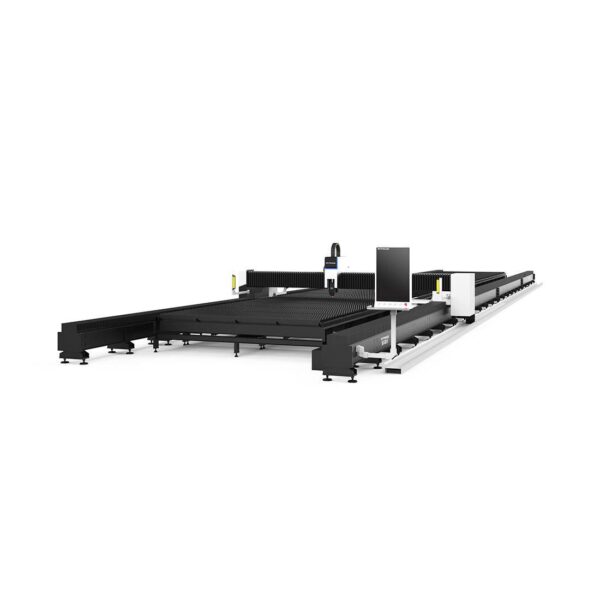

GF laser cutting machine
-
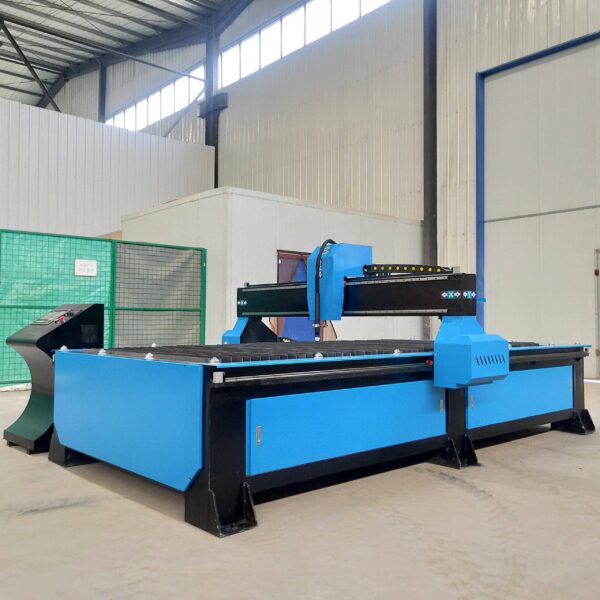
P3015 plasma cutting machine
-

LFP3015 Fiber Laser Cutter
-
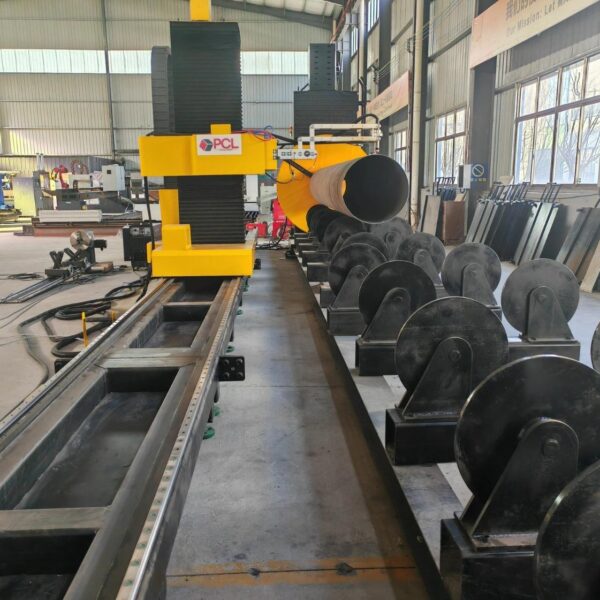
pipe plasma cutting machine
-
LFH 4020 Fiber Laser Cutting Machine
-
LFP4020
-
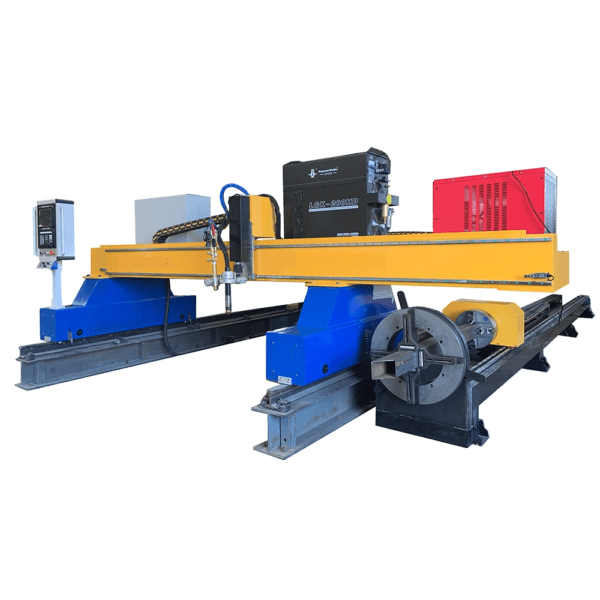
gantry plasma air cutting machine
-
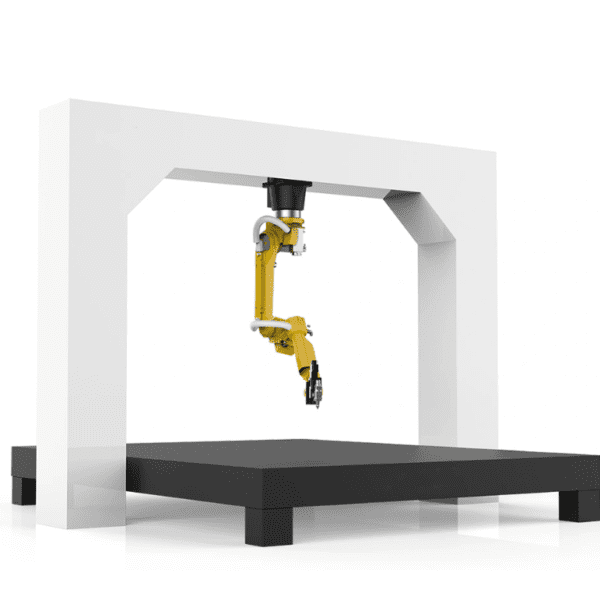
3D robot cutting machine
-
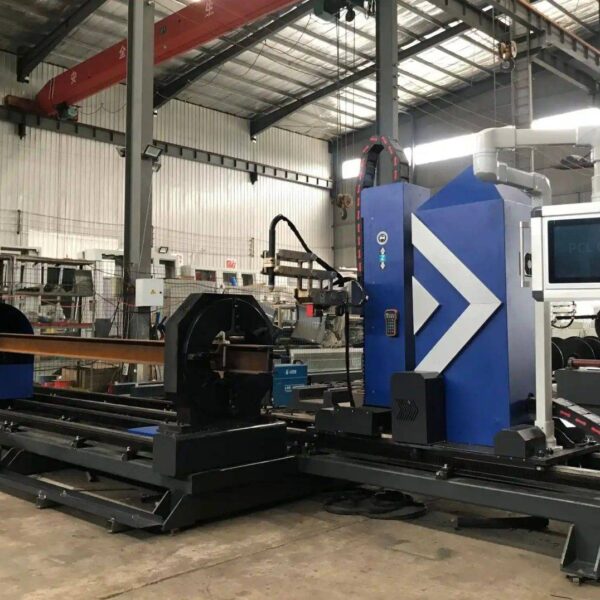
8 axis plasma cutting machine
-
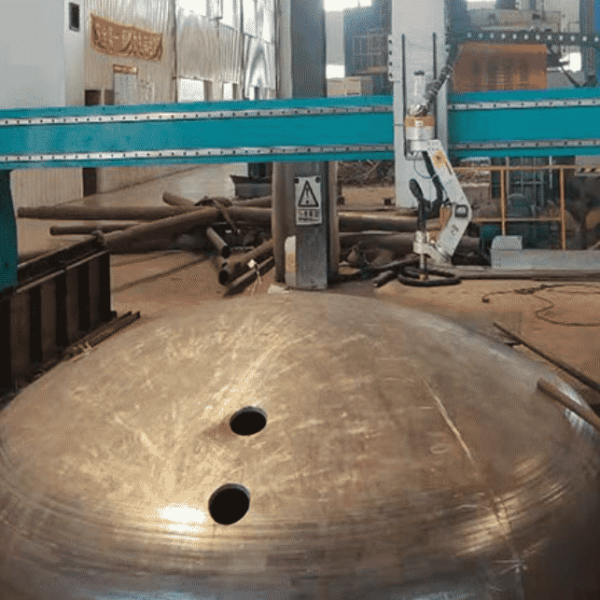
5 axis plasma cutting machine
-

LT360 tube laser cutting machine
-
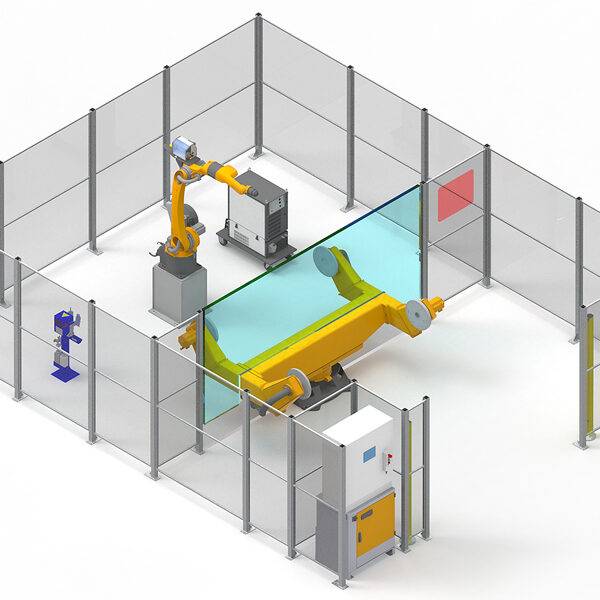
robot welding workstation
-
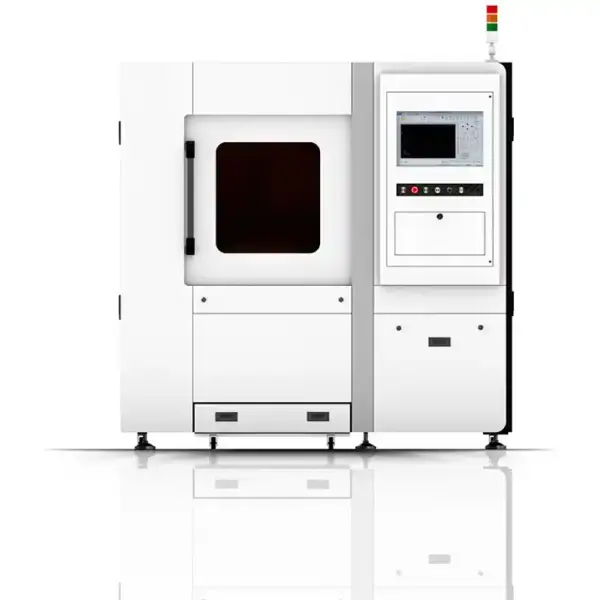
SF6060 fiber laser cutting machine
Advanced Fiber Laser Tube Processing Technology
Our CNC Fiber Laser Tube Cutting systems revolutionize metal fabrication by integrating high-precision cutting, punching, and profiling into a single automated workflow. Designed for versatility, this technology handles a wide array of profiles including Round, Square, Rectangular, and Oval tubes, as well as complex L-shaped and U-shaped channels.
- Precision Punching: High-speed hole punching with micron-level accuracy, eliminating the need for mechanical drilling or die-stamping.
- Complex Profiling: Advanced 3D pathing allows for intricate interlocking joints and specialized notch cuts, ideal for structural frames.
- High Material Efficiency: Intelligent nesting software minimizes scrap, reducing raw material costs across large production runs.
- Clean Finish: Delivers oxide-free, burr-free edges that require zero secondary grinding before welding.

Seamlessly processing multiple profiles with consistent precision.
Global Delivery & Logistics



From our high-tech manufacturing facility directly to your global site. PCL WeldCut ensures secure packaging, professional handling, and reliable international logistics to safeguard your equipment throughout the entire journey.