Advanced Engineering of Magnetic Crawler Fiber Laser Systems
The shipbuilding industry is currently undergoing a shift toward modular construction and high-precision pre-fabrication. Central to this evolution is the deployment of fiber Laser Cutting technology integrated with Magnetic Crawler platforms. Unlike traditional stationary laser beds, which are limited by the physical dimensions of the machine frame, a magnetic crawler allows the cutting apparatus to move directly across the surface of large-scale steel plates. This “tool-to-part” approach is essential for the fabrication of bulkheads, deck sections, and curved hull components.
Industrial engineers prioritize the magnetic crawler for its ability to maintain a constant focal distance while traversing vertical or inverted surfaces. The crawler utilizes high-strength permanent magnets or electromagnets to generate sufficient clamping force to overcome gravity and the dynamic loads of the fiber laser head. This stability is critical; any vibration or deviation in the Z-axis would compromise the beam’s focus, leading to inconsistent kerf widths and reduced edge quality.
The Technical Superiority of Fiber Laser Wavelengths in Maritime Steel
Fiber lasers operate at a wavelength of approximately 1.064 microns. From a metallurgical perspective, this wavelength is highly absorbed by the carbon steel and alloy steel plates commonly used in maritime construction. The energy density provided by a 10kW to 20kW fiber source allows for a narrow Heat Affected Zone (HAZ), which is vital for maintaining the certified tensile strength of marine-grade steel.
By utilizing precision plate processing, engineers can ensure that the thermal input is concentrated. This concentration results in minimal distortion of the plate, a frequent challenge when dealing with the high-thickness materials required for ice-class vessels or tankers. The fiber laser’s ability to maintain a stable beam quality (M2 factor) over long distances through flexible transport fibers makes it the ideal candidate for crawler-mounted applications where the power source remains stationary while the cutting head moves hundreds of feet away.
Streamlining Operations: The Punch, Mark, and Cut Methodology
A primary objective in industrial engineering is the reduction of “non-value-added” time. Traditional fabrication requires separate stations for layout marking, center-punching for drill hits, and the actual cutting. A magnetic crawler equipped with a fiber laser consolidates these three distinct operations into a single CNC programmed path.
Phase 1: Precision Marking
The fiber laser can be tuned to a low-power, high-frequency pulse mode to engrave assembly lines, bend instructions, and part identification numbers directly onto the steel. This marking is permanent enough to survive the shipyard environment but shallow enough not to create stress concentrators in the metal.
Phase 2: High-Speed Punching
Instead of mechanical drilling or center-punching for fastener locations, the fiber laser performs “pierce-hole” punching. By modulating the gas pressure and laser intensity, the system creates perfectly circular pilot holes with diameters as small as the material thickness. This level of precision ensures that during the assembly phase, bolted connections align without the need for manual reaming.
Phase 3: Final Contour Cutting
The final stage is the high-pressure oxygen or nitrogen-assisted cut. The fiber laser’s high power density allows for a narrow kerf, typically under 0.5mm. In shipbuilding, where plates can be 20mm to 50mm thick, the ability to produce a perpendicular cut with minimal dross is a significant advantage. The edge quality achieved often meets ISO 9013 Range 2 or 3 standards, effectively eliminating the need for post-cut grinding.
Eliminating Secondary Processes: The Economic Impact of “No Grinding”
In high-volume ship production, grinding is a labor-intensive bottleneck that introduces health and safety risks, such as metal dust inhalation and vibration-related injuries. A shipbuilding automation strategy centered on fiber laser crawlers addresses this by providing a finished edge directly from the machine.
The clean, oxide-free or low-oxide edges produced by fiber lasers allow for immediate fit-up. Because the laser cut is so precise, the gap tolerances during the assembly of hull blocks are minimized. This precision facilitates better robotic path planning in subsequent stages, as the joints are predictable and uniform. From an industrial engineering standpoint, removing the grinding stage reduces the total cycle time per plate by an estimated 15% to 25%.
Motion Control and Path Optimization on Large Surfaces
The effectiveness of a magnetic crawler is dictated by its motion control system. These crawlers typically use a four-wheel or tracked drive system governed by high-torque stepper or servo motors. To achieve the tolerances required for ship components (often ±0.5mm over several meters), the crawler must utilize a combination of rotary encoders and, in some advanced cases, laser-based positioning sensors that reference the plate edges or pre-installed tracks.
Path optimization software plays a crucial role here. The software must account for the unique kinematics of a mobile crawler. Unlike a gantry, which has a rigid coordinate system, a crawler must compensate for potential slippage or surface irregularities. Real-time feedback loops adjust the laser’s power and travel speed to ensure that even when moving over a weld seam or a slightly rusted surface, the cut quality remains constant.
Safety and Environmental Integration in Shipyards
Operating a fiber laser in an open shipyard environment requires specific safety protocols. Magnetic crawlers are often fitted with localized shielding—a “shroud”—that travels with the cutting head to prevent stray reflections of the Class 4 laser beam. This localized housing also serves as a vacuum extraction point, capturing the majority of fumes and particulates at the source.
Furthermore, the energy efficiency of fiber lasers is significantly higher than older CO2 technologies. With wall-plug efficiencies exceeding 30%, shipyards can reduce their total energy consumption. This efficiency, combined with the lack of consumables (other than nozzles and assist gases), leads to a lower Total Cost of Ownership (TCO) for the fabrication department.
Concluding Engineering Perspectives on Mobile Laser Cutting
The integration of fiber laser technology into magnetic crawler systems represents a peak in maritime manufacturing engineering. By focusing on high-precision beam delivery and versatile motion platforms, shipbuilders can bypass the limitations of stationary machinery. The ability to perform marking, punching, and cutting in a single pass with no required secondary finishing is not merely a technical upgrade; it is a fundamental shift in the production workflow.
As vessel designs become more complex and material specifications more stringent, the reliance on fiber laser cutting will only increase. Industrial engineers must continue to optimize the synchronization between the CNC controllers and the magnetic drive systems to ensure that the next generation of ships is built faster, safer, and with a level of structural integrity that only laser-precision can provide.
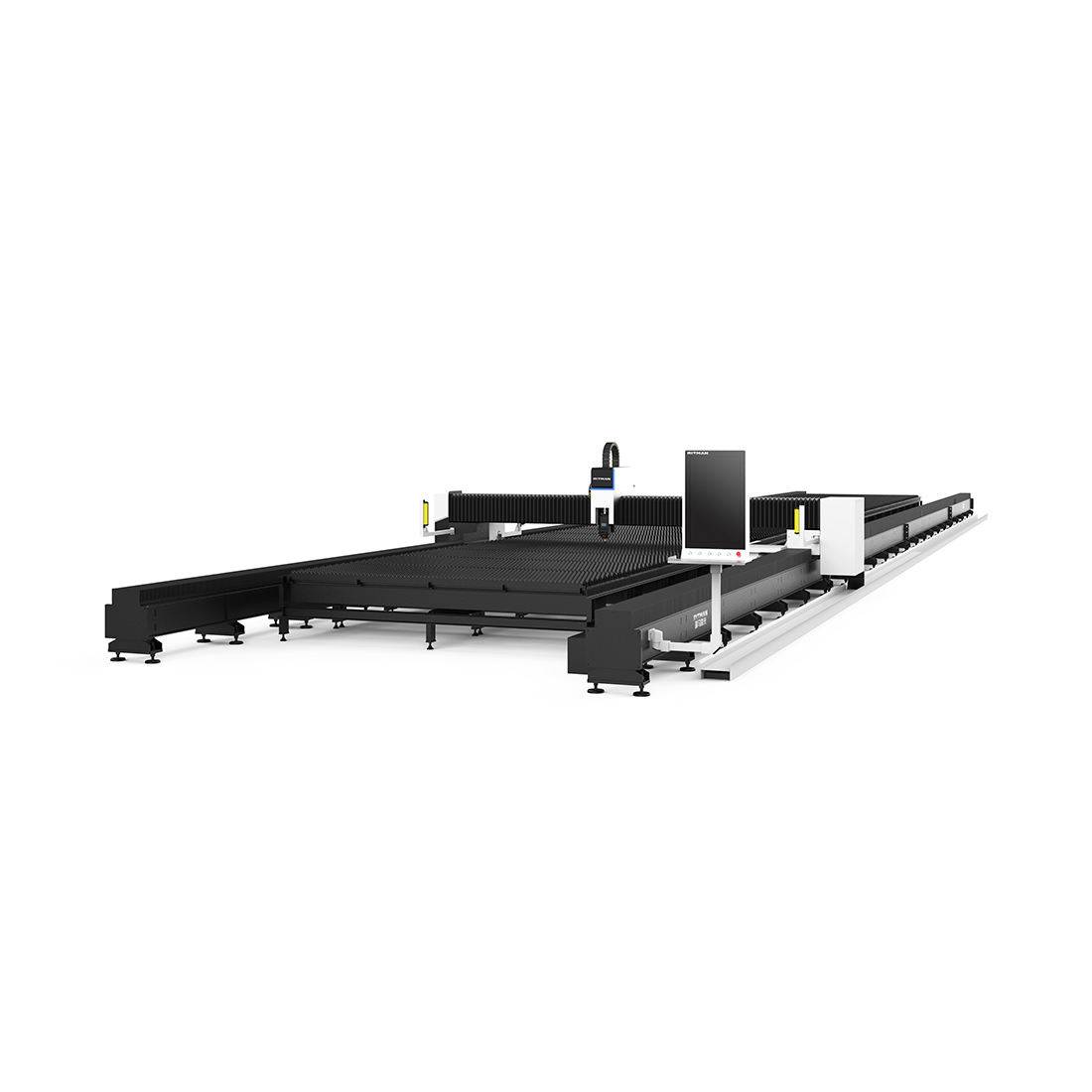
-


LT240S tube laser cutting machine
-
LT120S tube laser cutting machine
-
Sale

Tank Fillet Welding Machine
Original price was: $1,000.00.$900.00Current price is: $900.00. -
Sale

MAK100 tube laser cutting machine
Original price was: $5,500.00.$5,000.00Current price is: $5,000.00. -

portable plasma air cutting machine
$1,200.00 -

2in1 fiber laser cutting machine
-

Air cooling Laser welding machine
-

HF h beam laser cutting machine
-

LT240 laser cutting machine
-

Laser welding machine
-


Cobot Welding Station
-

Gantry welding robot solution
-

Tracked Wheeled AGV Welding robot
-

LFH6020 Fiber laser cutting machine
-
LFP6020
-

robotic welidng machine
Advanced Fiber Laser Tube Processing Technology
Our CNC Fiber Laser Tube Cutting systems revolutionize metal fabrication by integrating high-precision cutting, punching, and profiling into a single automated workflow. Designed for versatility, this technology handles a wide array of profiles including Round, Square, Rectangular, and Oval tubes, as well as complex L-shaped and U-shaped channels.
- Precision Punching: High-speed hole punching with micron-level accuracy, eliminating the need for mechanical drilling or die-stamping.
- Complex Profiling: Advanced 3D pathing allows for intricate interlocking joints and specialized notch cuts, ideal for structural frames.
- High Material Efficiency: Intelligent nesting software minimizes scrap, reducing raw material costs across large production runs.
- Clean Finish: Delivers oxide-free, burr-free edges that require zero secondary grinding before welding.

Seamlessly processing multiple profiles with consistent precision.
Global Delivery & Logistics



From our high-tech manufacturing facility directly to your global site. PCL WeldCut ensures secure packaging, professional handling, and reliable international logistics to safeguard your equipment throughout the entire journey.