Optimizing Tank Fabrication with Fiber Laser Magnetic Crawlers
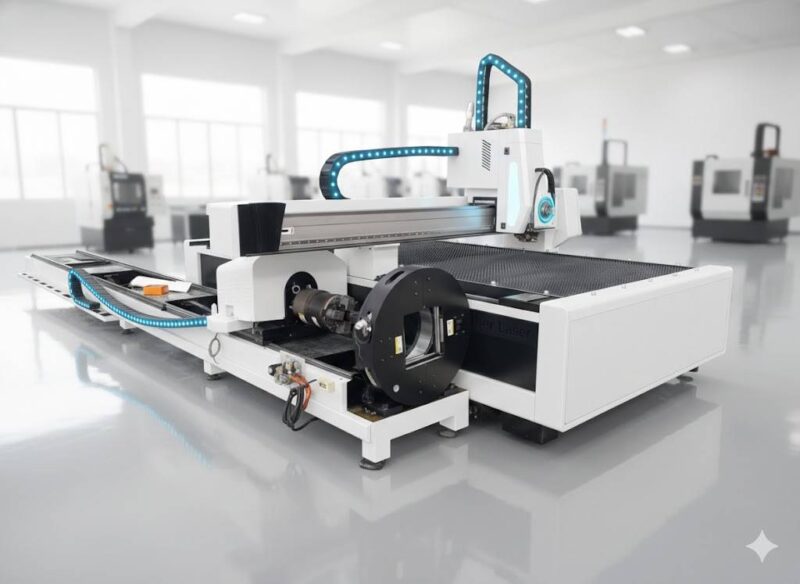
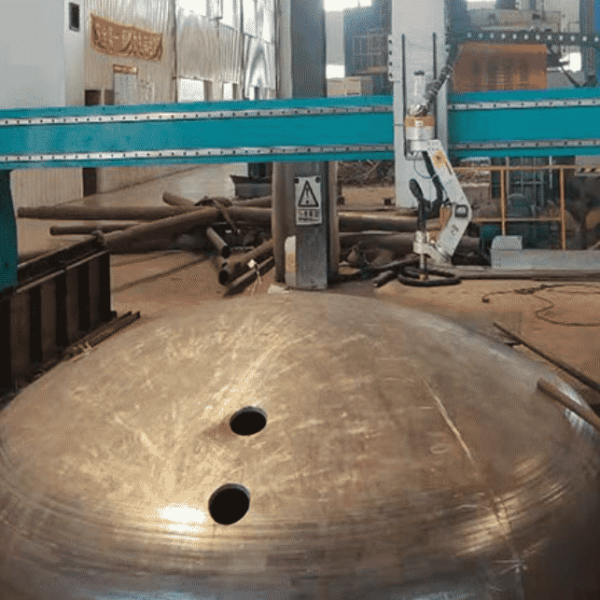
In the high-stakes environment of oil and gas infrastructure, structural integrity and precision are the primary drivers of long-term asset reliability. Traditional methods of preparing and cutting large-scale storage tanks often involve significant manual labor, multiple tool changes, and extensive post-processing. However, the introduction of the Fiber Laser Cutting Machine mounted on a magnetic crawler chassis has shifted the paradigm. This system allows for high-velocity, high-precision operations directly on the workpiece, whether it is a vertical shell plate or a curved roof section.
From an industrial engineering perspective, the objective is the reduction of non-value-added time. The magnetic crawler system achieves this by bringing the machine to the material rather than transporting massive steel plates to a stationary gantry. This mobility, combined with the inherent benefits of fiber laser technology, ensures that the Heat Affected Zone (HAZ) is minimized, and the edge quality remains superior to mechanical thermal alternatives.
Technical Integration of Fiber Optics and Magnetic Adhesion
The core of this system lies in the synergy between the fiber optic power source and the locomotive capability of the crawler. Unlike CO2 lasers that require complex mirror paths, a fiber laser delivers the beam through a flexible fiber cable. This flexibility is essential for a magnetic crawler laser system that must traverse uneven surfaces and maintain a consistent standoff distance. The magnetic modules utilize high-flux permanent magnets or switchable electromagnets to ensure a high adhesion-to-weight ratio, allowing the unit to carry the laser head, gas lines, and sensors without slipping on vertical planes.
Eliminating Secondary Processes: The No-Grinding Advantage
A significant bottleneck in traditional tank construction is the requirement for edge preparation. When metal is cut using low-precision thermal methods, the resulting dross and slag necessitate hours of manual grinding to meet API 650 or 653 standards. The fiber laser operates at a wavelength that is highly absorbed by steel, resulting in a narrow kerf and a clean, square edge. Because the process produces almost zero dross, the need for secondary grinding is eliminated. This translates directly to a reduction in man-hours and a decrease in consumable costs, such as grinding discs and abrasive materials.
Multifunctional Capabilities: Punching, Marking, and Cutting
The industrial utility of the crawler-mounted fiber laser is not limited to simple severance. Modern CNC controllers allow the machine to perform three distinct functions in a single programmed sequence:
- Marking: The laser can be modulated to etch identification numbers, alignment lines, and orientation marks onto the steel surface. This ensures traceability and simplifies the subsequent assembly of tank components.
- Punching: For bolt holes, drainage apertures, or nozzle attachments, the fiber laser provides “punch-quality” holes. The high-density energy beam creates perfectly circular openings with tight tolerances that meet mechanical fastening requirements without the need for a separate drilling rig.
- Precision Cutting: The primary function remains the high-speed cutting of plate edges. Whether the requirement is for straight lines or complex geometries for manway inserts, the laser maintains a positional accuracy often within +/- 0.1mm.
The Role of Automated Height Sensing
Large oil and gas tanks are rarely perfectly flat. Curvature and surface irregularities can disrupt the focal point of a laser beam, leading to poor cut quality or nozzle damage. The automated tank cutting crawler is equipped with non-contact capacitive height sensors. These sensors adjust the laser head in real-time, maintaining a constant focal distance from the plate. For the industrial engineer, this means a consistent process capability (CpK) across the entire surface of the tank, regardless of structural deformations or varying plate thickness.
Optimizing Gas Consumption and Power Efficiency
Efficiency is also measured by resource consumption. Fiber lasers boast a wall-plug efficiency of approximately 30-40%, which is significantly higher than older laser technologies. When paired with the crawler, the system uses assist gases (typically Oxygen or Nitrogen) with high precision. The narrow kerf means less material is vaporized, requiring less gas flow per linear meter of cut. This resource optimization is critical when working in remote oil field locations where logistics for gas cylinder refills can be challenging and costly.
Safety and Environmental Impact in Oil and Gas Environments
The transition to oil and gas tank fabrication via fiber laser crawlers also addresses environmental and safety concerns. Manual cutting and grinding expose workers to high levels of noise, vibration, and metallic dust. By automating the process, personnel can monitor the cutting operation from a safe distance using remote interfaces. Furthermore, the localized exhaust systems integrated into the crawler head can capture metal fumes more effectively than open-air manual setups, ensuring compliance with occupational health regulations.
Operational Data and ROI Analysis
When calculating the Return on Investment (ROI) for a magnetic crawler fiber laser, engineers must look beyond the initial capital expenditure. The value is found in the throughput. For instance, a 2kW fiber laser can cut 12mm carbon steel at speeds that far exceed manual methods. When you factor in the 100% reduction in grinding time and the consolidation of marking and punching tasks, the total cycle time for plate preparation can be reduced by as much as 60-70%. This accelerated timeline allows for faster tank commissioning and reduced downtime during repair intervals.
Conclusion: The Future of Field-Based Metal Processing
The magnetic crawler fiber laser represents the peak of field-based metal processing technology. By combining the precision of a factory-floor CNC machine with the rugged mobility required for the oil and gas industry, manufacturers can achieve unprecedented levels of quality. As project timelines tighten and the demand for structural integrity increases, the adoption of fiber laser technology is no longer an optional upgrade but a strategic necessity for competitive industrial operations.
-
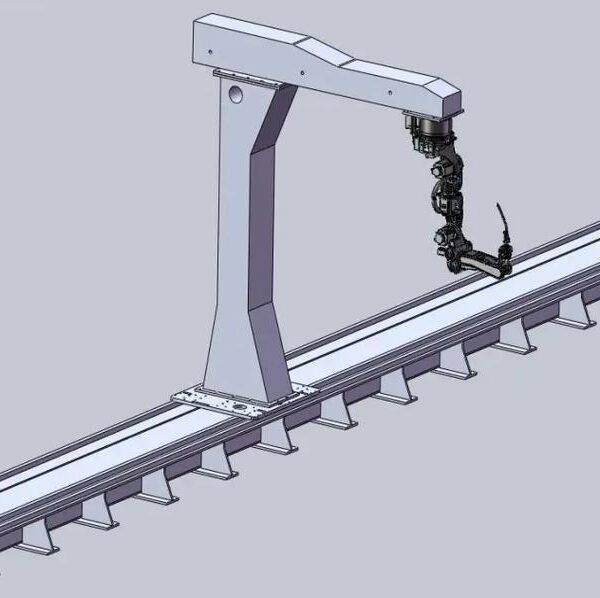

Cantilever Welding Robot solution
-
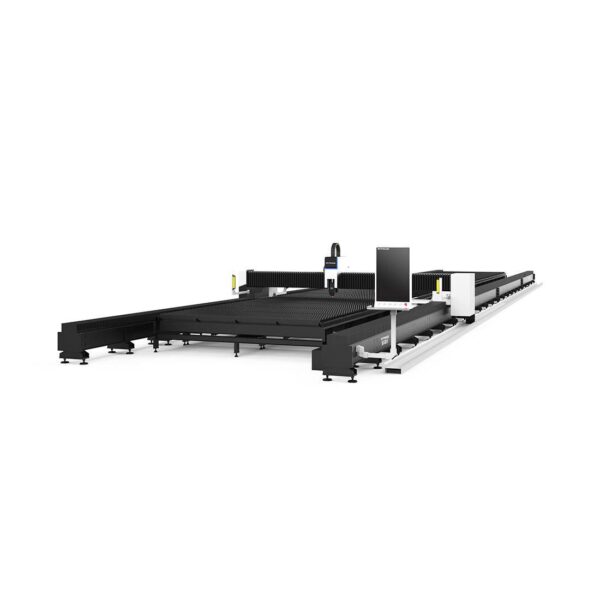

GF laser cutting machine
-
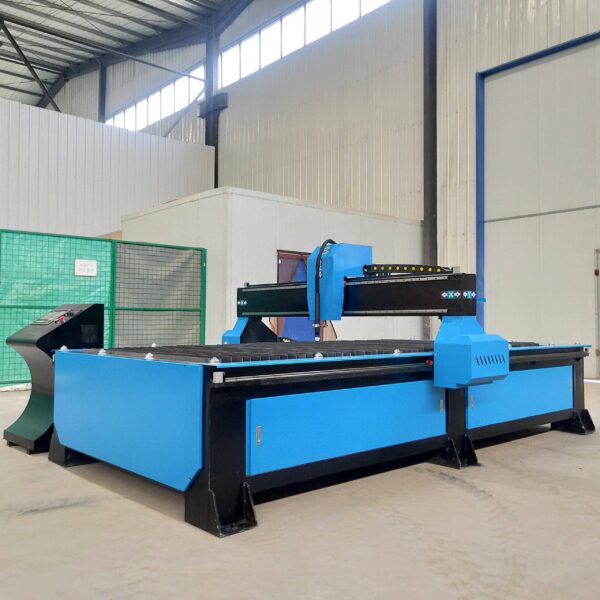
P3015 plasma cutting machine
-

LFP3015 Fiber Laser Cutter
-
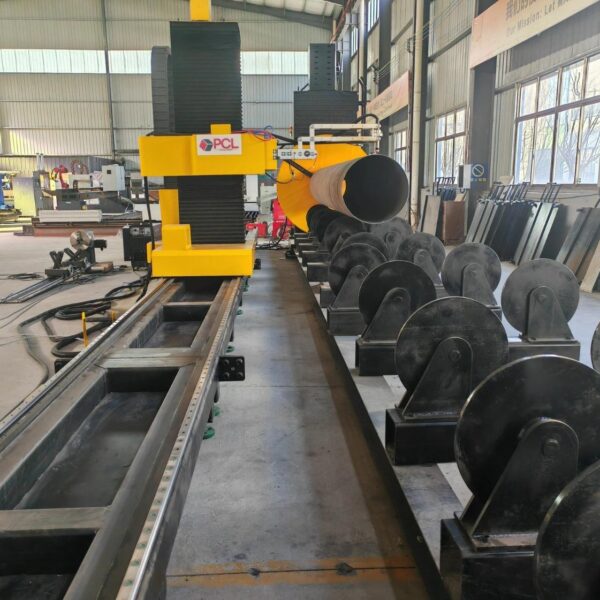
pipe plasma cutting machine
-
LFH 4020 Fiber Laser Cutting Machine
-
LFP4020
-
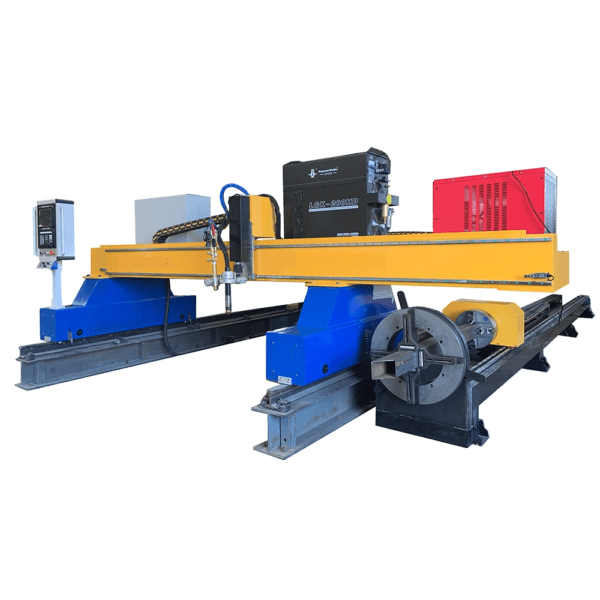
gantry plasma air cutting machine
-
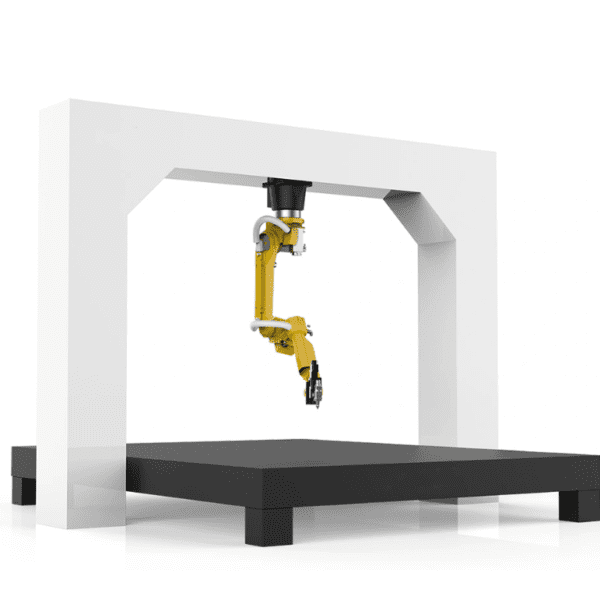
3D robot cutting machine
-
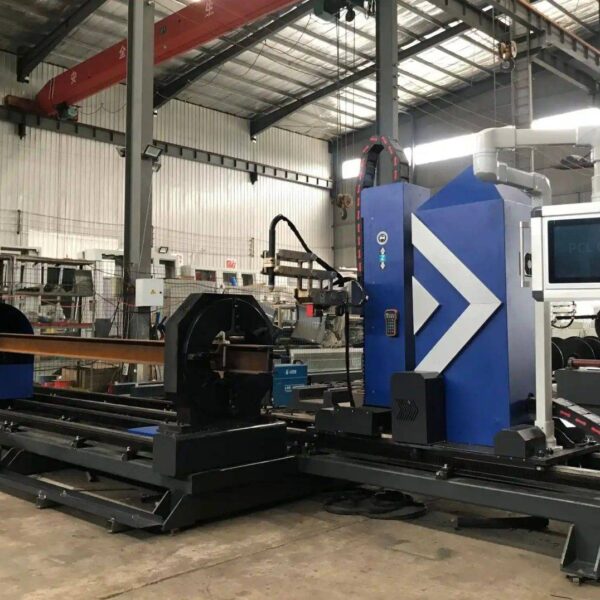
8 axis plasma cutting machine
-
5 axis plasma cutting machine
-

LT360 tube laser cutting machine
-
robot welding workstation
-
SF6060 fiber laser cutting machine
Advanced Fiber Laser Tube Processing Technology
Our CNC Fiber Laser Tube Cutting systems revolutionize metal fabrication by integrating high-precision cutting, punching, and profiling into a single automated workflow. Designed for versatility, this technology handles a wide array of profiles including Round, Square, Rectangular, and Oval tubes, as well as complex L-shaped and U-shaped channels.
- Precision Punching: High-speed hole punching with micron-level accuracy, eliminating the need for mechanical drilling or die-stamping.
- Complex Profiling: Advanced 3D pathing allows for intricate interlocking joints and specialized notch cuts, ideal for structural frames.
- High Material Efficiency: Intelligent nesting software minimizes scrap, reducing raw material costs across large production runs.
- Clean Finish: Delivers oxide-free, burr-free edges that require zero secondary grinding before welding.

Seamlessly processing multiple profiles with consistent precision.
Global Delivery & Logistics



From our high-tech manufacturing facility directly to your global site. PCL WeldCut ensures secure packaging, professional handling, and reliable international logistics to safeguard your equipment throughout the entire journey.