Advanced Fabrication Standards in LNG Infrastructure
The construction of Liquefied Natural Gas (LNG) storage tanks and transport vessels requires an unprecedented level of metallurgical integrity. Traditionally, the industry relied on mechanical or thermal methods that necessitated extensive post-processing. However, the introduction of the magnetic crawler fiber laser has redefined the workflow. By mounting a high-power fiber laser source onto a mobile, magnetically adhered carriage, engineers can now execute complex geometries on vertical and curved surfaces with micron-level precision.
In the context of LNG projects, the materials used—most notably 9% Nickel steel and high-grade stainless steels—are sensitive to thermal inputs. The fiber laser’s high energy density allows for extremely high cutting speeds, which minimizes the Heat-Affected Zone (HAZ). This preservation of material properties is critical for cryogenic applications where structural ductility at extremely low temperatures is non-negotiable.
Mechanical Configuration of the Magnetic Crawler
Adhesion and Motion Control
The crawler unit utilizes high-strength permanent magnets or switchable magnetic tracks to maintain a constant distance between the laser head and the workpiece. This is particularly vital for the spherical tanks and large-diameter pipelines found in LNG facilities. Unlike stationary gantries, the crawler moves along the workpiece, meaning the size of the component is no longer limited by the machine’s bed size.
Surface Adaptation and Stability
The crawler is engineered with a flexible chassis that compensates for slight surface irregularities. Integrated sensors provide real-time feedback to the motion controller, ensuring that the laser focal point remains consistent throughout the trajectory. For 9% nickel steel fabrication, this stability prevents kerf deviations that could lead to structural weaknesses.
The Triple Functionality: Punch, Mark, and Cut
One of the most significant advantages of deploying fiber laser crawlers in LNG projects is the consolidation of three distinct fabrication steps into a single continuous process.
High-Precision Punching for Hole Location
Before the actual cutting begins, the fiber laser can be programmed to “punch” or pierce pilot holes. These holes serve as precise locators for subsequent assembly bolts or instrumentation ports. Because the laser uses a non-contact method, there is no mechanical stress or deformation around the hole, ensuring that the structural integrity of the tank wall remains intact.
Integrated Marking for Traceability
LNG projects are subject to stringent regulatory oversight requiring full material traceability. The fiber laser system can switch parameters to perform surface etching or marking. This allows for the direct application of heat numbers, part IDs, and alignment guides onto the steel plates. This digital marking is permanent, legible, and does not create the stress concentrations associated with traditional stamping.
Final Precision Cutting
The cutting phase utilizes the full power of the fiber source to achieve a clean, narrow kerf. The high-frequency modulation of the laser beam allows for intricate profiles and sharp corners that were previously impossible to achieve on-site. The result is a component that meets the exact specifications of the engineering CAD model.
Elimination of Secondary Grinding Processes
In traditional fabrication, the edge quality left by thermal cutting often required manual grinding to remove dross, oxidation, or hardened layers. For an LNG tank with kilometers of seams, the labor cost for grinding is astronomical.
Surface Finish and Edge Squareness
Automated Laser Cutting for LNG produces an edge that is virtually dross-free. The fiber laser’s wavelength is highly absorbed by metallic surfaces, leading to a very clean vaporizing effect rather than a messy melting effect. The resulting surface finish is typically smooth enough to proceed directly to the next stage of assembly without any mechanical intervention.
Metallurgical Benefits of No Grinding
By eliminating grinding, the risk of introducing surface contaminants or creating localized friction-induced heat stress is removed. In the cryogenic sector, any surface imperfection can become a stress riser. The fiber laser’s ability to provide a “ready-to-use” edge directly from the crawler significantly increases the throughput of the fabrication yard.
Operational Efficiency and ROI
The transition to crawler-based fiber laser systems represents a significant capital investment, yet the Return on Investment (ROI) is realized through several key channels:
- Reduction in Labor: Fewer technicians are needed for setup, and the manual grinding crew is eliminated.
- Material Savings: The narrow kerf width (typically less than 0.5mm) allows for tighter nesting of parts, reducing scrap in expensive alloys.
- Speed: Fiber lasers cut significantly faster than traditional mechanical methods on thin-to-medium thickness plates commonly used in LNG vaporizers and storage components.
- Portability: The ability to bring the machine to the workpiece reduces the logistical overhead of moving massive steel plates across the facility.
Technical Specifications and Environmental Considerations
Modern systems are equipped with fiber laser beam delivery systems that are shielded from the harsh environments of coastal LNG terminals. The enclosed fiber cable protects the beam from dust and moisture, ensuring consistent power delivery. Furthermore, the efficiency of fiber lasers (approaching 30-40% wall-plug efficiency) makes them a more sustainable choice compared to older CO2 laser technologies.
Gas Assist Optimization
The choice of assist gas (typically Nitrogen or Oxygen) is integrated into the crawler’s control system. For LNG applications where oxidation must be avoided, high-pressure Nitrogen is used to blow away the molten material, leaving a bright, clean edge. This precision control over the gas flow is synchronized with the crawler’s travel speed to prevent turbulence and ensure a consistent cut profile.
Conclusion
The implementation of Fiber Laser Cutting Machines paired with Magnetic Crawler technology is no longer an optional upgrade but a necessity for modern LNG projects. By providing a three-in-one solution for punching, marking, and cutting, these systems remove the bottlenecks associated with traditional fabrication. The elimination of secondary grinding, combined with the ability to work on-site on large-scale vertical surfaces, provides the precision and efficiency required for the next generation of energy infrastructure.
-


LT240S tube laser cutting machine
-
LT120S tube laser cutting machine
-
Sale

Tank Fillet Welding Machine
Original price was: $1,000.00.$900.00Current price is: $900.00. -
Sale

MAK100 tube laser cutting machine
Original price was: $5,500.00.$5,000.00Current price is: $5,000.00. -

portable plasma air cutting machine
$1,200.00 -

2in1 fiber laser cutting machine
-

Air cooling Laser welding machine
-

HF h beam laser cutting machine
-

LT240 laser cutting machine
-

Laser welding machine
-


Cobot Welding Station
-

Gantry welding robot solution
-

Tracked Wheeled AGV Welding robot
-

LFH6020 Fiber laser cutting machine
-
LFP6020
-

robotic welidng machine
Advanced Fiber Laser Tube Processing Technology
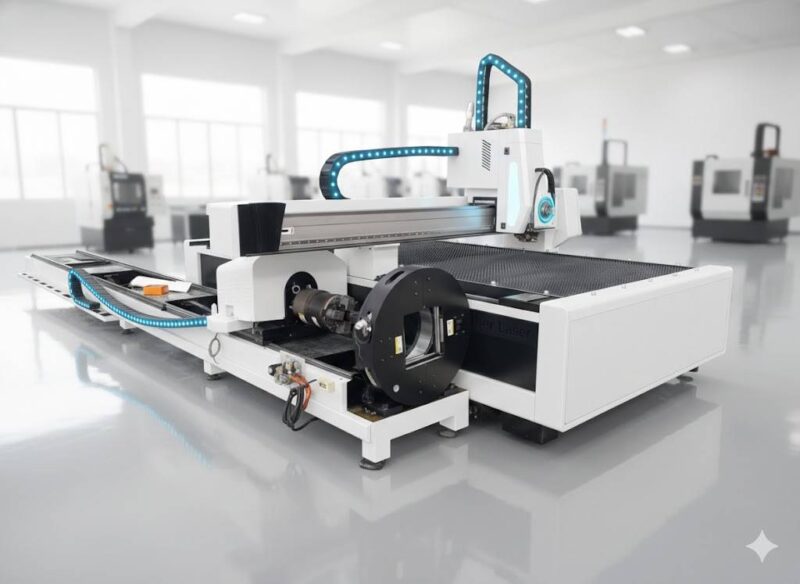
Our CNC Fiber Laser Tube Cutting systems revolutionize metal fabrication by integrating high-precision cutting, punching, and profiling into a single automated workflow. Designed for versatility, this technology handles a wide array of profiles including Round, Square, Rectangular, and Oval tubes, as well as complex L-shaped and U-shaped channels.
- Precision Punching: High-speed hole punching with micron-level accuracy, eliminating the need for mechanical drilling or die-stamping.
- Complex Profiling: Advanced 3D pathing allows for intricate interlocking joints and specialized notch cuts, ideal for structural frames.
- High Material Efficiency: Intelligent nesting software minimizes scrap, reducing raw material costs across large production runs.
- Clean Finish: Delivers oxide-free, burr-free edges that require zero secondary grinding before welding.

Seamlessly processing multiple profiles with consistent precision.
Global Delivery & Logistics



From our high-tech manufacturing facility directly to your global site. PCL WeldCut ensures secure packaging, professional handling, and reliable international logistics to safeguard your equipment throughout the entire journey.