Optimizing Construction Machinery Fabrication via Mobile Fiber Laser Integration
The manufacturing landscape for heavy-duty construction machinery—including excavators, loaders, and mobile cranes—requires the processing of large-format, high-strength steel plates. Traditional stationary cutting beds often face logistical bottlenecks when handling workpieces that exceed 12 meters in length. The transition toward a Magnetic Crawler Fiber Laser system represents a paradigm shift in industrial engineering. By bringing the machine to the workpiece rather than moving the material to a static gantry, manufacturers achieve unprecedented flexibility and precision.
Fiber laser technology, operating at a wavelength of approximately 1.06 microns, offers a concentrated energy density that exceeds previous CO2 iterations. When mounted on a synchronized magnetic crawler, this power is harnessed to perform complex geometries on vertical, horizontal, or inclined planes. The focus of this implementation is the elimination of non-value-added steps, specifically manual grinding and secondary surface preparation.
The Triple-Action Process: Punch, Mark, and Cut
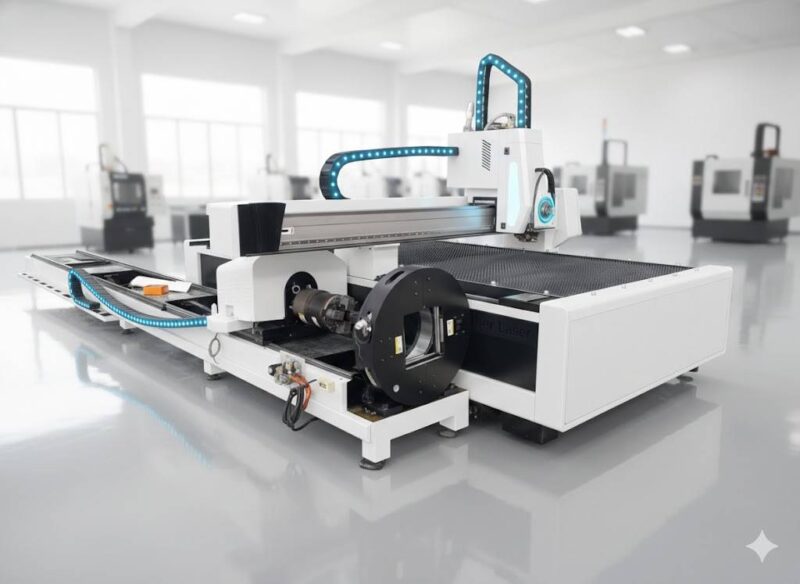
One of the primary advantages of utilizing fiber lasers in construction machinery production is the ability to execute a multi-stage fabrication sequence without tool changes or part repositioning. The CNC interface allows the crawler to perform three distinct operations in a single programmed path.
High-Speed Punching and Piercing
Initial penetration, or “punching,” is a critical phase where the laser creates a lead-in point. Unlike mechanical punching which can induce micro-fractures in high-tensile steel, the fiber laser uses a pulsed piercing method. This ensures that the structural integrity of the plate remains intact, which is vital for components subject to extreme cyclic loading, such as excavator booms.
Precision Part Marking
Construction machinery involves complex assemblies with hundreds of sub-components. The fiber laser can be de-focused or operated at lower power levels to etch assembly guides, part numbers, and QR codes directly onto the steel. This Automatic Punch-Mark-Cut capability ensures that downstream assembly teams have clear, permanent indicators for component placement, drastically reducing errors in the fit-up stage.
Final High-Precision Cutting
The core of the process is the high-precision cut. Because the fiber laser beam is delivered via flexible optical fiber, the crawler can maintain a consistent standoff distance even on plates with slight surface irregularities. The resulting kerf width is extremely narrow, allowing for tight nesting of parts and significant material savings.
Mechanical Stability of the Magnetic Crawler Platform
The efficacy of the cutting process is contingent upon the stability of the mobile platform. The magnetic crawler utilizes high-strength permanent magnets or electro-magnets to adhere to the ferromagnetic surfaces common in Construction Machinery Fabrication. This adhesion must counteract the gravitational forces acting on the laser head and the umbilical cables housing the fiber and assist gases.
Traction and Motion Control
Engineered with high-torque stepper motors and precision gearboxes, the crawler moves with micron-level repeatability. Integrated sensors monitor the surface condition, allowing the control system to adjust torque in real-time to prevent slippage. This level of control is what allows the system to achieve “no grinding” results. When the motion is fluid and the laser pulse frequency is perfectly synchronized with the travel speed, the resulting edge roughness (Rz) is so low that the part can move directly to the next stage of production.
Thermal Management and Distortion Control
A significant challenge in heavy plate fabrication is the Heat Affected Zone (HAZ). Traditional thermal cutting methods often result in warping or metallurgical changes that require edge milling or grinding. Fiber lasers, however, minimize the HAZ due to their high cutting speeds and concentrated focal point. The magnetic crawler further aids this by maintaining a constant velocity, ensuring that heat is not concentrated in any single area for longer than necessary.
Economic Impact: Secondary Processing Reduction
From an industrial engineering perspective, the most compelling argument for the magnetic crawler fiber laser is the Secondary Processing Reduction. In traditional workflows, edges must be ground to remove dross or oxide layers before they can be treated or painted. The fiber laser, particularly when using nitrogen as an assist gas, produces a clean, oxide-free edge.
Eliminating the Grinding Bottleneck
Grinding is labor-intensive, creates hazardous dust, and is inherently inconsistent. By achieving a “ready-to-assemble” finish directly from the crawler, a factory can reallocate labor to higher-value tasks. Analysis of production cycles indicates that removing the grinding phase can shorten the fabrication lead time for a standard loader frame by as much as 15% to 20%.
Material Utilization and Nesting
Because the magnetic crawler is not limited by the dimensions of a water tank or a gantry frame, engineers can utilize “infinite” nesting strategies. Large mother plates can be laid out on the factory floor, and the crawler can navigate across the entire surface. This reduces the remnant scrap rate, as parts can be nested closer together thanks to the narrow laser kerf and the absence of mechanical clamping requirements.
Integration with Modern Industry 4.0 Workflows
The modern fiber laser crawler is not a standalone tool but a node in a networked manufacturing environment. CAD/CAM files are uploaded directly to the crawler’s onboard controller via wireless protocols. This digital continuity ensures that the “as-built” component matches the “as-designed” model with tolerances typically within +/- 0.1mm.
Real-Time Monitoring and Diagnostics
Onboard sensors track the health of the protective lens, the temperature of the laser source, and the adhesion force of the magnets. If the system detects a deviation—such as a dip in gas pressure or a mechanical obstruction—it pauses the cycle immediately. This prevents the spoilage of expensive high-strength alloys used in construction equipment, such as Hardox or high-yield carbon steels.
Operational Safety and Ergonomics
By automating the cutting of large plates on the floor, the need for heavy overhead cranes to move massive plates onto cutting tables is reduced. This minimizes the risk of lifting-related accidents. Furthermore, the localized exhaust systems integrated into modern crawler heads capture fumes at the source, maintaining a cleaner working environment compared to open-air thermal cutting methods.
Technical Conclusion for Systems Implementation
For industrial facilities focused on the production of heavy earth-moving and construction equipment, the adoption of fiber laser magnetic crawlers addresses the three pillars of manufacturing excellence: Quality, Velocity, and Cost. The precision of the fiber source eliminates the need for manual edge finishing, the triple-functionality of the CNC path simplifies the workflow, and the mobile nature of the crawler overcomes the physical limitations of the traditional factory floor.
As the industry moves toward lighter yet stronger structural designs, the ability to process high-tensile materials without inducing thermal stress or mechanical deformation becomes a competitive necessity. The fiber laser magnetic crawler is not merely a cutting tool; it is a comprehensive fabrication solution that redefines the efficiency of heavy machinery production.
-

Cantilever Welding Robot solution
-

GF laser cutting machine
-
P3015 plasma cutting machine
-

LFP3015 Fiber Laser Cutter
-
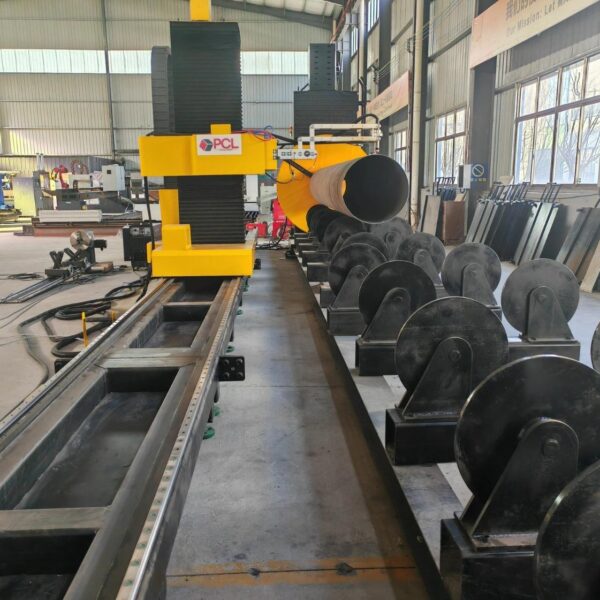
pipe plasma cutting machine
-
LFH 4020 Fiber Laser Cutting Machine
-
LFP4020
-
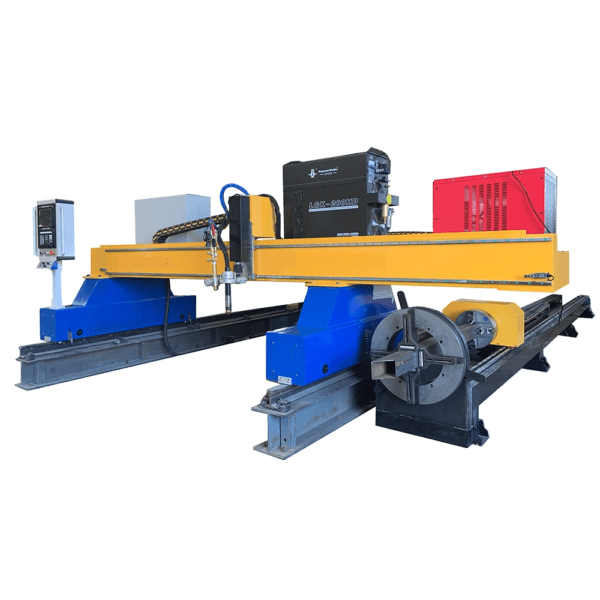
gantry plasma air cutting machine
-
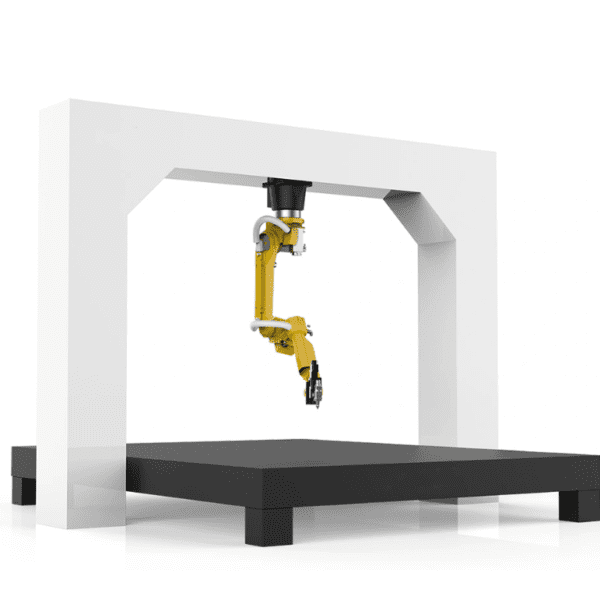
3D robot cutting machine
-
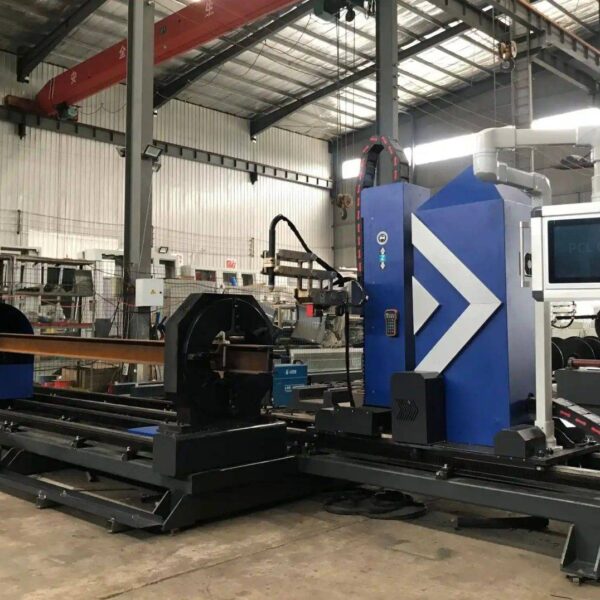
8 axis plasma cutting machine
-
5 axis plasma cutting machine
-

LT360 tube laser cutting machine
-
robot welding workstation
-
SF6060 fiber laser cutting machine
Advanced Fiber Laser Tube Processing Technology
Our CNC Fiber Laser Tube Cutting systems revolutionize metal fabrication by integrating high-precision cutting, punching, and profiling into a single automated workflow. Designed for versatility, this technology handles a wide array of profiles including Round, Square, Rectangular, and Oval tubes, as well as complex L-shaped and U-shaped channels.
- Precision Punching: High-speed hole punching with micron-level accuracy, eliminating the need for mechanical drilling or die-stamping.
- Complex Profiling: Advanced 3D pathing allows for intricate interlocking joints and specialized notch cuts, ideal for structural frames.
- High Material Efficiency: Intelligent nesting software minimizes scrap, reducing raw material costs across large production runs.
- Clean Finish: Delivers oxide-free, burr-free edges that require zero secondary grinding before welding.

Seamlessly processing multiple profiles with consistent precision.
Global Delivery & Logistics



From our high-tech manufacturing facility directly to your global site. PCL WeldCut ensures secure packaging, professional handling, and reliable international logistics to safeguard your equipment throughout the entire journey.