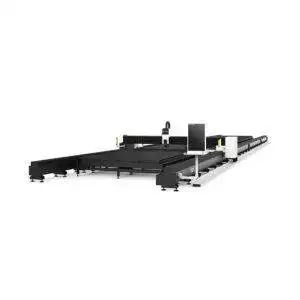
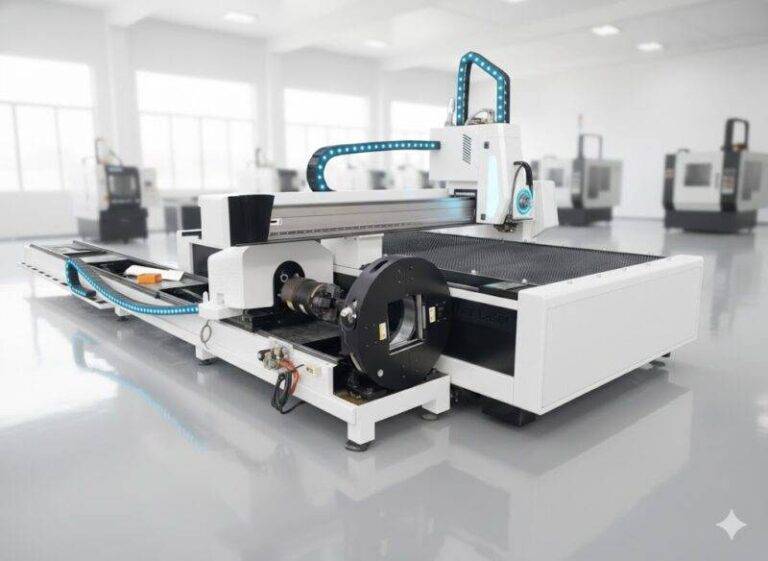
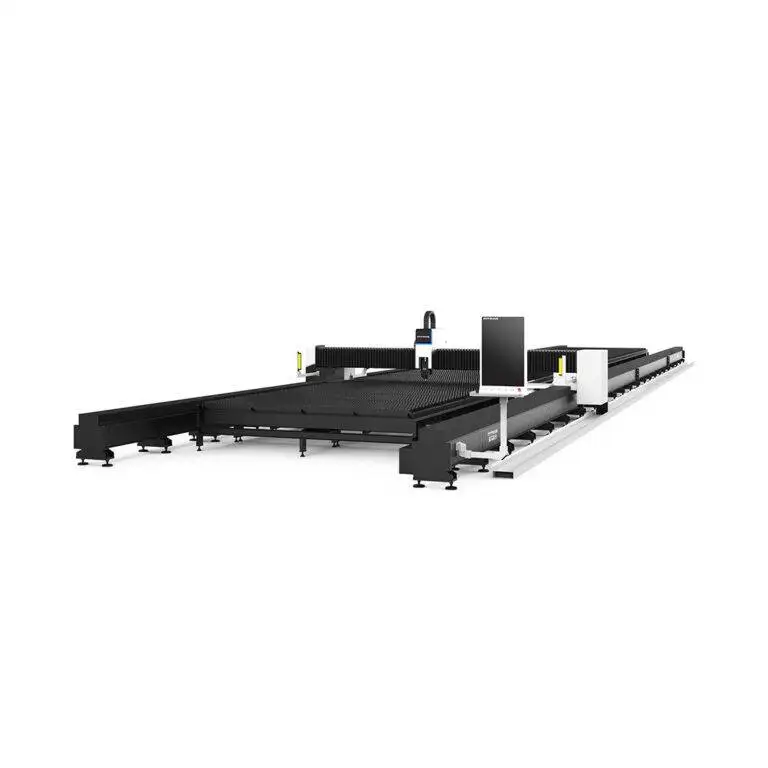
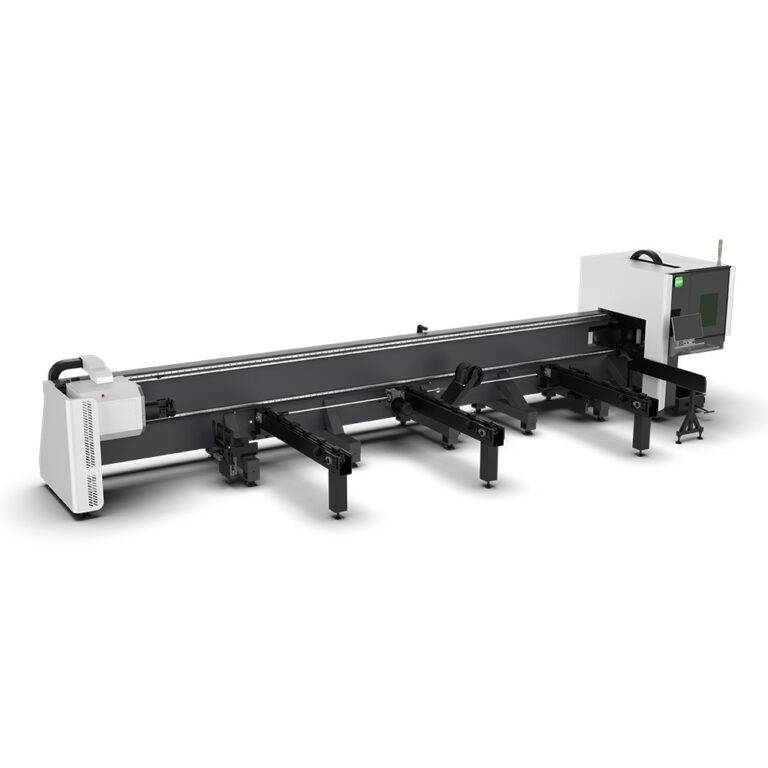
Fiber Laser Cutting Machine with Laser Seam Tracking for Pressure Vessels
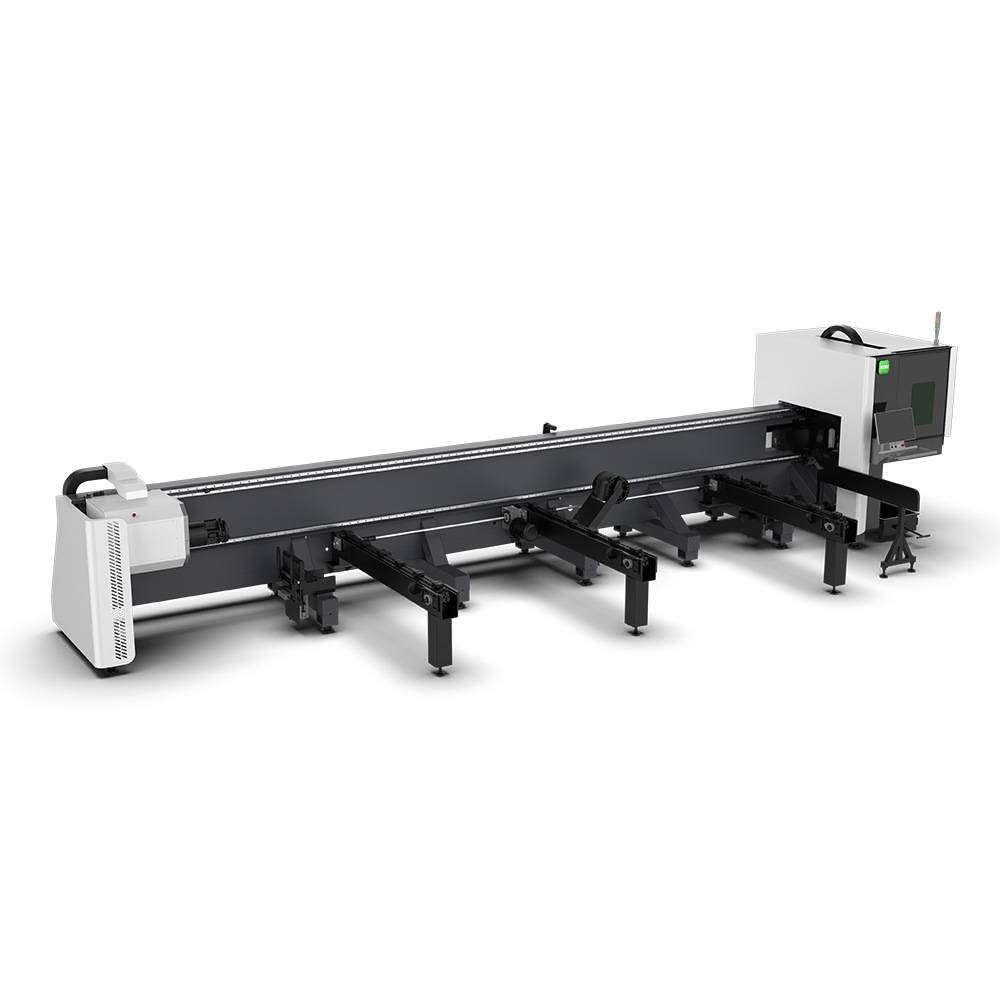
In this article
- Optimizing Pressure Vessel Geometry with Fiber Laser Technology
- The Precision of Fiber Optics in Heavy Plate Processing
- Real-Time Compensation: The Role of Laser Seam Tracking
- Eliminating Post-Process Grinding
- The Unified Workflow: Punch, Mark, and Cut
- Technical Advantages of Fiber Laser Integration
- Material Versatility and Thermal Management
- Conclusion: The Future of Vessel Fabrication
Optimizing Pressure Vessel Geometry with Fiber Laser Technology
In the landscape of heavy industrial fabrication, the production of pressure vessels requires rigorous adherence to geometric tolerances and material integrity. The transition toward a Fiber Laser Cutting Machine represents a significant leap in operational efficiency. Unlike legacy mechanical cutting or abrasive methods, fiber lasers utilize a solid-state gain medium to generate a high-intensity beam delivered via flexible fiber optics. For pressure vessel manufacturers, this technology ensures a concentrated heat-affected zone (HAZ), which is critical for maintaining the metallurgical properties of high-tensile steels and specialized alloys used in tank heads and shells.
The Precision of Fiber Optics in Heavy Plate Processing
Fiber laser systems operate at a wavelength of approximately 1.06 microns, allowing for a much higher absorption rate in metals compared to CO2 alternatives. In the context of pressure vessels—where wall thicknesses often range from 6mm to over 25mm—this absorption efficiency translates into faster feed rates and a narrower kerf width. The precision of the fiber laser allows for the execution of complex geometries, such as manway cutouts and nozzle penetrations, with a degree of accuracy that renders manual layout obsolete.
From an engineering perspective, the primary advantage is the elimination of mechanical stress. Since the laser is a non-contact tool, there is no tool wear or deflection. This consistency ensures that every penetration on a cylindrical shell is perfectly perpendicular or beveled to the exact specification required for subsequent assembly phases.
Real-Time Compensation: The Role of Laser Seam Tracking
One of the most significant challenges in vessel fabrication is the inherent imperfection of large-scale workpieces. Cylindrical shells are rarely perfectly round, and longitudinal seams can introduce slight surface irregularities. Implementing laser seam tracking addresses these variables by providing the cutting head with a “vision” system.
This system utilizes a laser triangulation sensor mounted ahead of the cutting nozzle. As the vessel rotates on a set of turning rolls or the cutting gantry moves along the longitudinal axis, the sensor maps the topography of the surface in real-time. If the system detects a deviation in the vessel’s radius or a slight tilt in the plate, the CNC controller adjusts the Z-axis (height) and the torch angle instantaneously. This ensures that the focal point of the laser beam remains constant relative to the material surface, preventing dross formation and ensuring a clean, square cut across the entire circumference.
Eliminating Post-Process Grinding
A critical metric in pressure vessel fabrication is the “time to assembly.” Traditional cutting methods often leave behind a heavy oxide layer or hardened dross that requires intensive manual grinding. The high-pressure nitrogen or oxygen assist gases used in fiber laser cutting, combined with the precise control of the beam’s power frequency, result in an edge that is virtually dross-free.
The high-precision edge quality achieved by a fiber laser meets the stringent requirements of ASME Section VIII and other international standards without the need for secondary mechanical cleaning. By removing the grinding bottleneck, manufacturers can reduce labor costs by up to 30% and significantly improve the workplace environment by reducing airborne metallic dust.
The Unified Workflow: Punch, Mark, and Cut
Modern industrial fiber lasers are not merely cutting tools; they are multi-process workstations. To maximize OEE (Overall Equipment Effectiveness), these machines are programmed to perform three distinct operations in a single nesting cycle.
1. Precision Punching and Center Point Localization
Before the main cutting sequence begins, the laser can be used to “punch” or pierce localized start points. This is particularly useful for identifying the exact centers of nozzle locations or structural supports. By using the laser to create a micro-dimple, the machine provides a permanent reference point that is far more accurate than manual center-punching.
2. High-Speed Surface Marking
Traceability is paramount in pressure vessel manufacturing. Using a low-power setting, the fiber laser marks heat numbers, part IDs, and orientation lines directly onto the metal surface. This marking is permanent enough to survive subsequent blasting and painting but shallow enough that it does not create a stress riser in the material. This integration ensures that every component is accounted for throughout the fabrication flow.
3. Final Geometry Cutting
Once marking is complete, the system automatically transitions to high-power cutting. Because the machine has already mapped the surface during the marking phase, the final cut is executed with optimized parameters. The result is a seamless transition from raw plate to a finished component ready for the fit-up stage.
Technical Advantages of Fiber Laser Integration
When evaluating the ROI of a fiber laser system with seam tracking, several technical factors must be considered:
- Beam Quality (M2): Fiber lasers offer a beam quality that allows for a smaller spot size, which increases the power density. This allows for cleaner cuts on thicker materials used in high-pressure applications.
- Energy Efficiency: Fiber lasers typically boast a wall-plug efficiency of 30-40%, significantly reducing the carbon footprint and operational costs compared to older technologies.
- Reduced Maintenance: With no mirrors to align or gas turbines to maintain, the uptime of a fiber laser system is significantly higher, allowing for continuous multi-shift operations.
Material Versatility and Thermal Management
Pressure vessels are often constructed from carbon steel, stainless steel, or even exotic alloys like Hastelloy. Fiber lasers handle these materials with ease by adjusting the pulse frequency and duty cycle. Effective thermal management is achieved through the use of modulated pulse strings, which prevents the overheating of small features or sharp corners. This control is essential for maintaining the structural integrity of the vessel, as it minimizes the risk of micro-cracking in the heat-affected zone.
Conclusion: The Future of Vessel Fabrication
The integration of a fiber laser cutting machine with active laser seam tracking represents the pinnacle of modern industrial engineering in the pressure vessel sector. By combining the three-in-one functionality of punching, marking, and cutting into a single automated process, manufacturers can achieve unprecedented levels of precision and throughput. The elimination of secondary grinding and the ability to compensate for workpiece irregularities in real-time not only reduces the cost per part but also ensures a level of quality that meets the highest safety standards in the industry. As global demand for energy and chemical processing increases, the adoption of fiber laser technology will be the defining factor in competitive vessel manufacturing.