Optimization of Tank Fabrication via Fiber Laser Technology
In the oil and gas sector, the structural integrity of storage tanks is paramount, dictated by rigorous API (American Petroleum Institute) and ASME standards. Traditional fabrication methods often involve fragmented processes—mechanical punching, manual marking, and thermal cutting—that introduce cumulative tolerances and material degradation. The implementation of fiber Laser Cutting for tanks represents a paradigm shift toward a unified, high-precision manufacturing cell. Unlike CO2 variants, fiber lasers utilize a solid-state gain medium, typically ytterbium-doped fibers, producing a wavelength of approximately 1.06 microns. This shorter wavelength allows for higher absorption rates in metallic substrates, facilitating faster feed rates and cleaner kerfs in the heavy-gauge plates required for pressure vessels.
The Integrated Workflow: Punch, Mark, and Cut
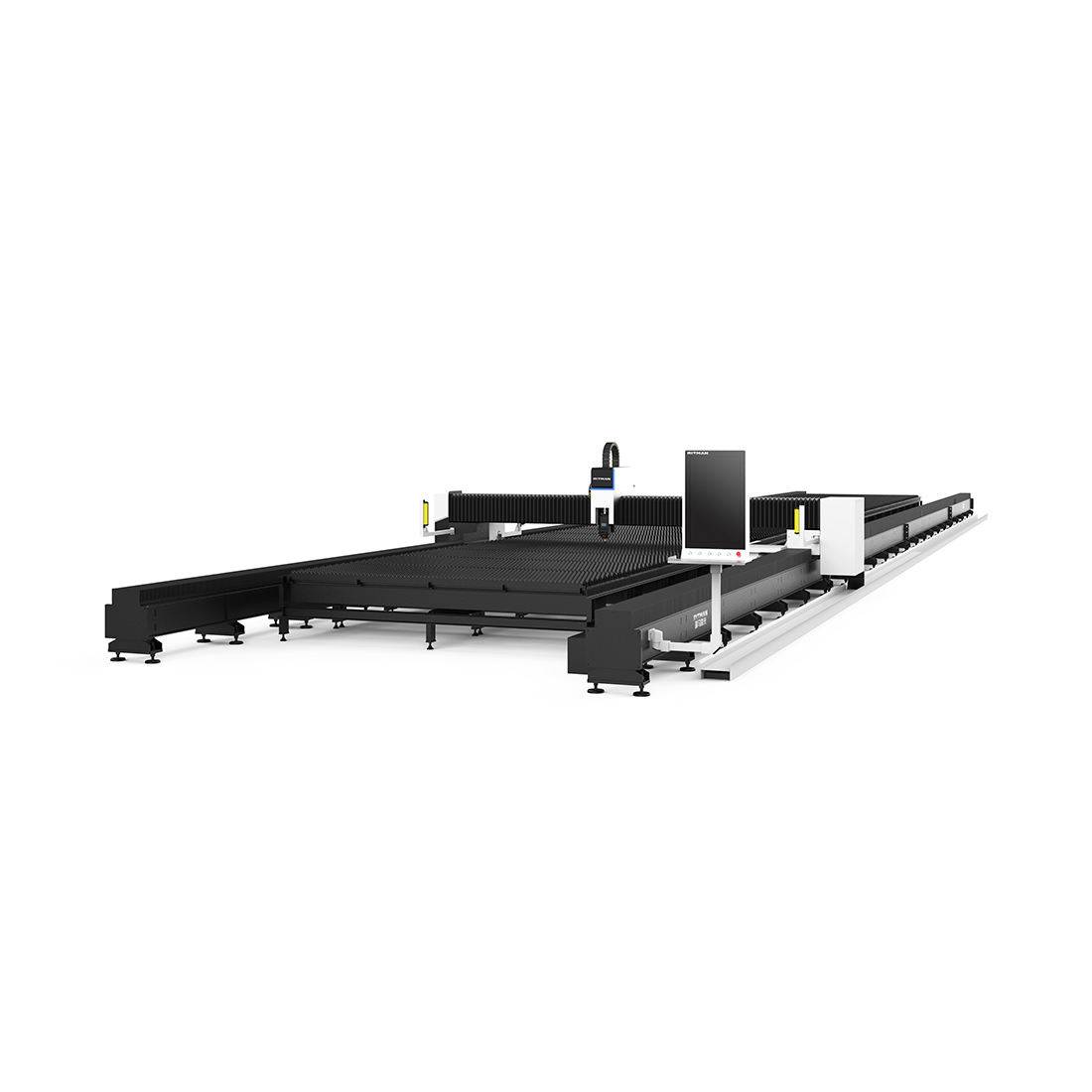
Efficiency in tank production is gained through the consolidation of distinct mechanical stages. Modern fiber laser systems utilize advanced CAD/CAM nesting software to execute a three-stage sequence on a single workpiece without re-positioning.
Precision Hole Punching and Piercing
The “punch” phase refers to the laser’s ability to perform high-speed percussion drilling or blast piercing. For oil and gas tanks, this is critical for nozzle fit-ups and instrumentation ports. By controlling pulse width and frequency, the laser creates pilot holes with high circularity and minimal taper, ensuring that downstream components align with sub-millimeter accuracy.
Automated Surface Marking
Before the final cut, the laser operates in a low-power, high-speed marking mode. This process etches heat numbers, fold lines, and alignment guides directly onto the plate. In the oil and gas industry, traceability is a legal requirement; permanent laser marking provides a durable method for tracking material certifications throughout the tank’s lifecycle without creating stress-concentration points inherent in physical stamping.
High-Speed Profile Cutting
The final stage involves the high-power ablation of the plate profile. Fiber lasers achieve superior edge squareness, which is essential for the tight fit-ups required in high-pressure butt joints. Because the beam is focused to a diameter as small as 0.1mm, the resulting kerf is exceptionally narrow, maximizing material utilization and reducing scrap rates in expensive alloys.
Advanced Laser Seam Tracking for Large-Scale Geometries
Oil and gas tanks often involve large-format plates that may exhibit slight deformations or surface irregularities due to storage and handling. Maintaining a constant focal point is the primary challenge in large-scale laser cutting. This is addressed through laser seam tracking technology.
Optical Triangulation Sensors
The seam tracking system utilizes a laser line projector and a high-speed CMOS camera mounted on the cutting head. By projecting a laser stripe across the intended cutting path, the system calculates the exact spatial coordinates of the plate in real-time. If the material bows or sits unevenly on the slats, the Z-axis sensor compensates instantaneously, adjusting the nozzle height to maintain the optimal standoff distance.
Dynamic Edge Detection
For tank shell plates and dished ends, the tracking system identifies the starting edge with micron-level precision. This eliminates the need for manual edge-finding and reduces setup times. In the context of automated production lines, seam tracking ensures that the laser path follows the actual physical contour of the material rather than a theoretical CAD path, preventing “lost cuts” and protecting the expensive laser optics from collisions.
Metallurgical Advantages: Eliminating Secondary Grinding
A significant cost driver in traditional tank fabrication is the labor-intensive requirement for grinding cut edges. Mechanical or low-density thermal cutting often leaves behind slag, dross, and a significant Heat Affected Zone (HAZ) that can compromise weld chemistry.
Minimization of the Heat Affected Zone
Fiber lasers deliver energy with extreme density, resulting in a “cold” cutting process relative to other thermal methods. The localized heating ensures that the bulk material properties of the carbon steel or stainless steel remain unchanged. This is vital for industrial tank fabrication, where the material must maintain its specified yield strength and corrosion resistance under the cyclic loading conditions of oil storage.
Dross-Free Edges
By optimizing the assist gas—typically high-pressure nitrogen or oxygen—fiber lasers produce a clean, perpendicular edge. The high kinetic energy of the gas stream ejects the molten metal so efficiently that the resulting surface finish (Ra) is frequently below 20 microns. This eliminates the need for post-cut grinding, allowing plates to move directly from the cutting table to the assembly jig, reducing the total man-hours per tank by up to 30%.
System Configuration and Beam Delivery
The architecture of a fiber laser system for the tank industry is designed for high duty cycles and harsh environments. The beam is delivered via a flexible fiber optic cable, which eliminates the complex mirror-and-bellows systems found in older lasers. This results in a more robust machine capable of maintaining precision cutting standards even in facilities with high vibration or temperature fluctuations.
Motion Control and Gantry Dynamics
To handle the massive plates used in the oil and gas sector (often exceeding 12 meters in length), the machine utilizes high-torque linear motors or precision rack-and-pinion drives. The synchronization between the CNC controller and the laser source allows for “fly-cutting”—a technique where the laser pulses while the head is in continuous motion—vastly increasing throughput for perforated components or internal tank baffles.
Assist Gas Management
For thick-plate cutting, gas flow dynamics are critical. Industrial engineers must calibrate nozzle geometry and pressure to ensure laminar flow. Nitrogen is preferred for stainless steel tanks to prevent oxidation of the cut edge, ensuring a bright, weld-ready surface. Oxygen is used for carbon steel to leverage the exothermic reaction, increasing cutting speeds on plates exceeding 15mm in thickness.
Conclusion: Economic and Structural Impacts
The transition to fiber laser cutting with integrated seam tracking provides a measurable ROI for tank manufacturers. By consolidating the punch, mark, and cut phases, facilities reduce the footprint of their production line and minimize material handling risks. From an engineering perspective, the elimination of secondary grinding and the reduction of the HAZ leads to superior structural performance and longer service life for oil and gas infrastructure. As the industry moves toward higher levels of automation, the precision and reliability of fiber laser systems remain the gold standard for high-performance vessel fabrication.
-
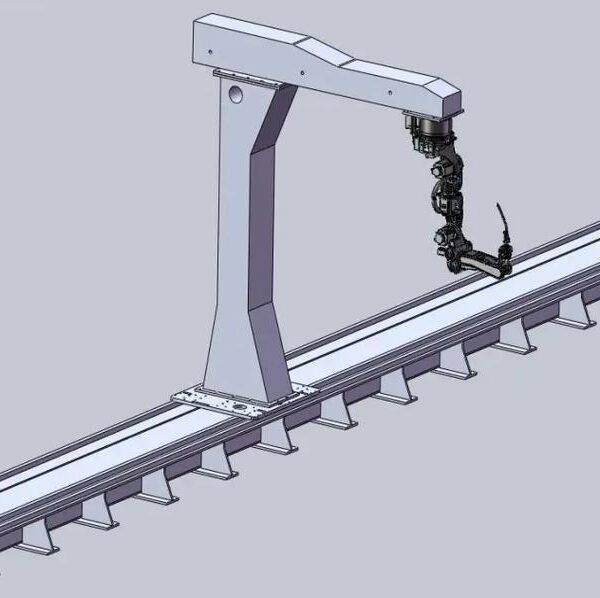

Cantilever Welding Robot solution
-
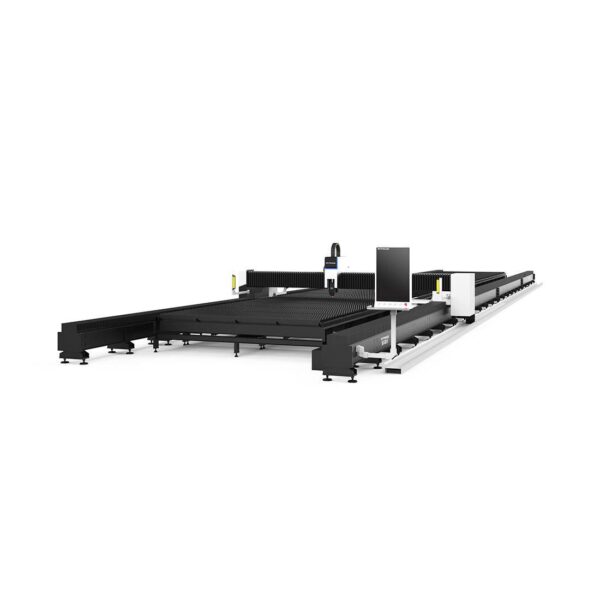

GF laser cutting machine
-
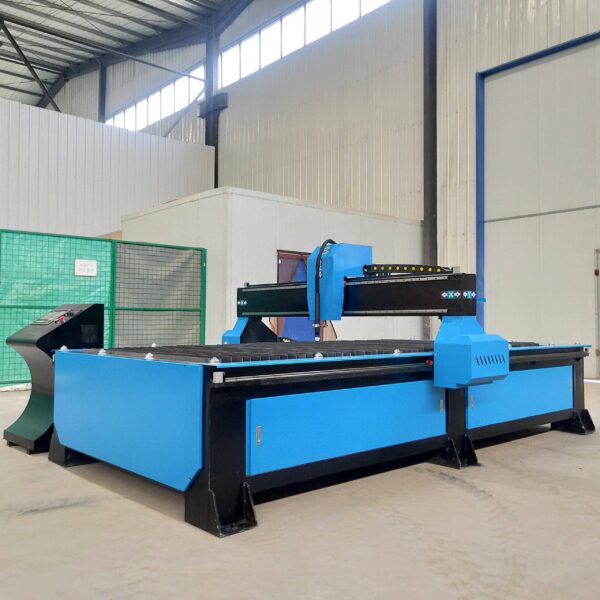
P3015 plasma cutting machine
-

LFP3015 Fiber Laser Cutter
-
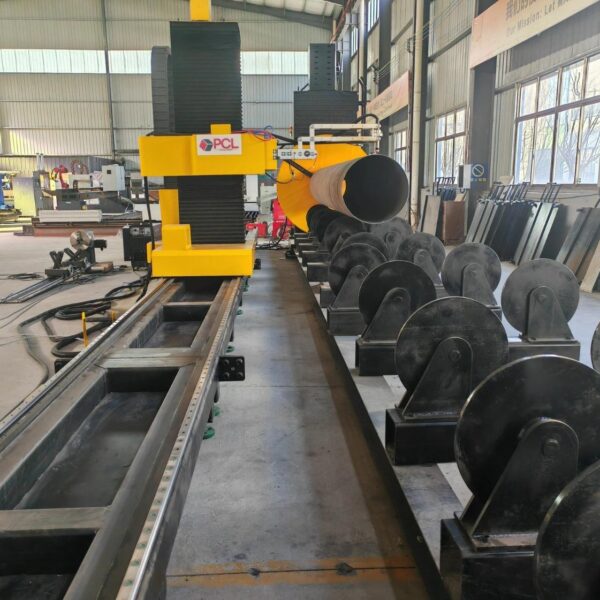
pipe plasma cutting machine
-
LFH 4020 Fiber Laser Cutting Machine
-
LFP4020
-
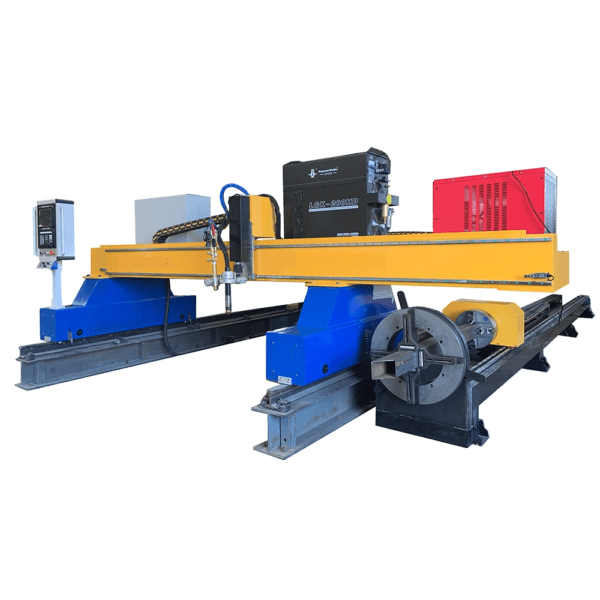
gantry plasma air cutting machine
-
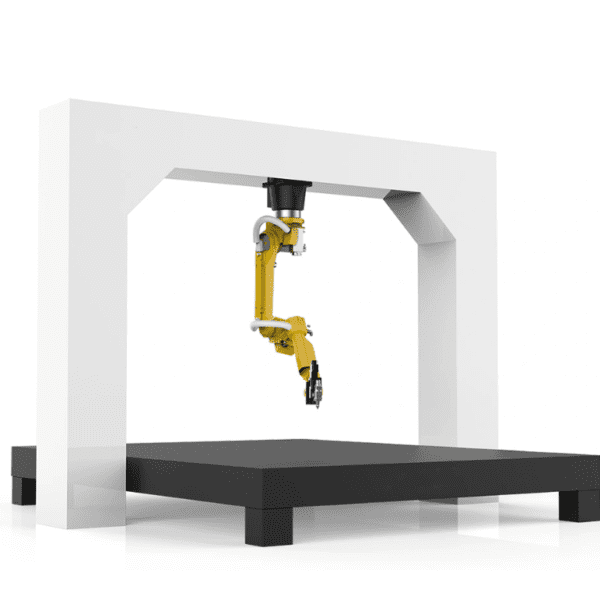
3D robot cutting machine
-
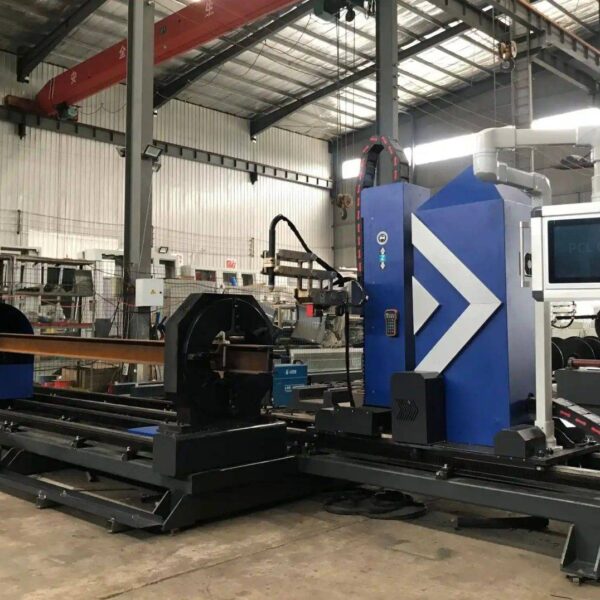
8 axis plasma cutting machine
-
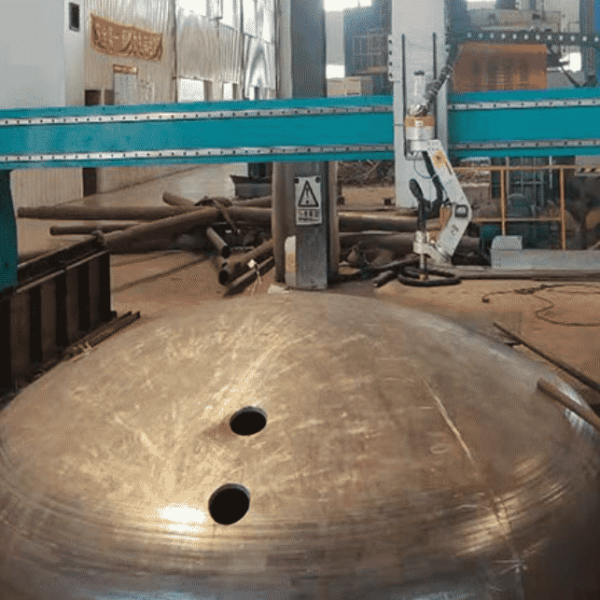
5 axis plasma cutting machine
-

LT360 tube laser cutting machine
-
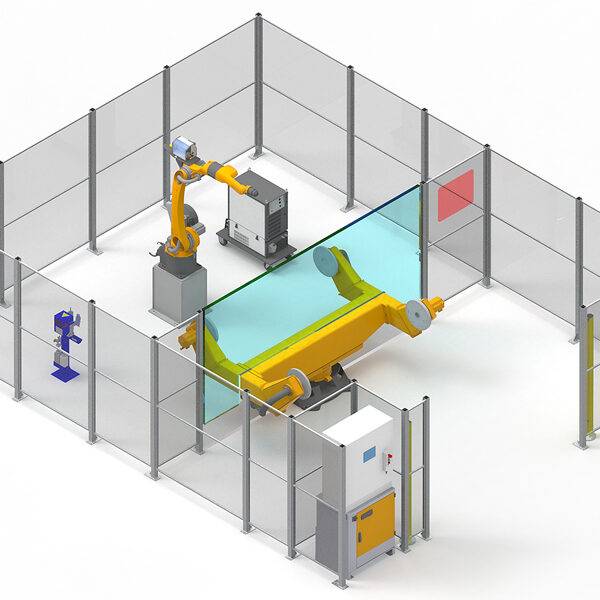
robot welding workstation
-
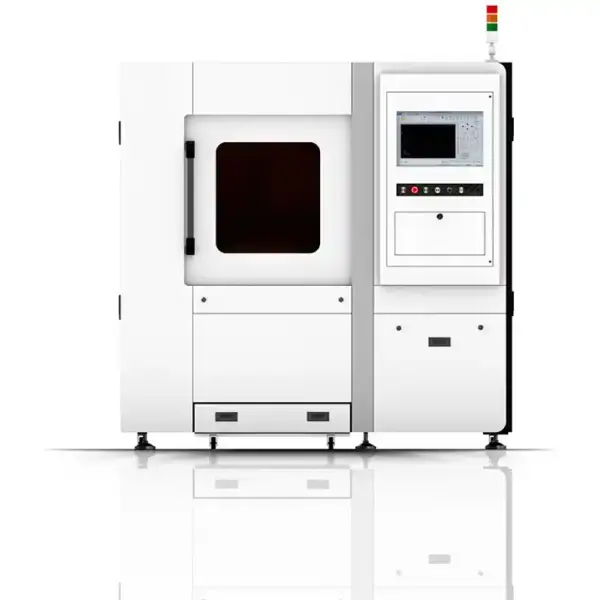
SF6060 fiber laser cutting machine
Advanced Fiber Laser Tube Processing Technology
Our CNC Fiber Laser Tube Cutting systems revolutionize metal fabrication by integrating high-precision cutting, punching, and profiling into a single automated workflow. Designed for versatility, this technology handles a wide array of profiles including Round, Square, Rectangular, and Oval tubes, as well as complex L-shaped and U-shaped channels.
- Precision Punching: High-speed hole punching with micron-level accuracy, eliminating the need for mechanical drilling or die-stamping.
- Complex Profiling: Advanced 3D pathing allows for intricate interlocking joints and specialized notch cuts, ideal for structural frames.
- High Material Efficiency: Intelligent nesting software minimizes scrap, reducing raw material costs across large production runs.
- Clean Finish: Delivers oxide-free, burr-free edges that require zero secondary grinding before welding.

Seamlessly processing multiple profiles with consistent precision.
Global Delivery & Logistics



From our high-tech manufacturing facility directly to your global site. PCL WeldCut ensures secure packaging, professional handling, and reliable international logistics to safeguard your equipment throughout the entire journey.