Optimizing LNG Component Fabrication with Fiber Laser Technology
In the rigorous landscape of LNG (Liquefied Natural Gas) infrastructure, material integrity and dimensional accuracy are non-negotiable. Industrial engineers are increasingly pivoting away from legacy mechanical methods toward high-power fiber Laser Cutting systems. The shift is driven by the need to process specialized alloys, such as 9% nickel steel and various grades of stainless steel, which are essential for cryogenic storage and transport systems. The implementation of fiber laser cutting ensures that components meet the stringent ASME and API standards required for high-pressure gas environments.
Precision Engineering and The Elimination of Secondary Processing
One of the primary throughput bottlenecks in heavy industrial fabrication is the secondary grinding phase. Traditional thermal cutting methods often leave heavy dross or significant oxidation layers on the cut edge, necessitating manual labor to achieve a weld-ready surface. Fiber laser cutting utilizes a high-intensity beam focused through a narrow kerf, resulting in a finish that requires no grinding. By optimizing gas flow dynamics—typically using high-pressure nitrogen—the molten material is ejected cleanly, leaving a square, dross-free edge.
From an industrial engineering perspective, the elimination of grinding improves the Overall Equipment Effectiveness (OEE) of the fabrication shop. It reduces labor costs, minimizes the shop floor footprint required for finishing stations, and removes the risk of ergonomic injuries associated with manual grinding tools. Furthermore, the precision of fiber lasers—often within tolerances of ±0.1mm—ensures that large-scale LNG tank segments fit together with minimal gap variance, facilitating superior structural integrity.
Advanced Laser Seam Tracking for Large-Scale Plate Processing
LNG projects involve massive plate dimensions, where even slight material deformations or misalignments can lead to catastrophic waste. Laser seam tracking in a cutting context acts as a real-time vision and correction system. By utilizing a laser-based sensor ahead of the cutting head, the system maps the material’s actual position and surface topography. This technology compensates for material “bowing” or thermal expansion that occurs during long-duration cutting cycles.
Real-Time Path Correction Dynamics
The integration of seam tracking allows the CNC controller to adjust the cutting path and focal height dynamically. In large-format LNG plate fabrication, internal stresses in the metal can cause the plate to shift slightly when heat is applied. The tracking system identifies these deviations instantly, ensuring the laser head maintains the optimal standoff distance. This prevents nozzle collisions and maintains a consistent kerf width across plates that may exceed 12 meters in length. For the engineer, this translates to a “set it and forget it” workflow, reducing the need for constant operator intervention and significantly lowering the scrap rate.
Consolidated Workflow: Punch, Mark, and Cut
Efficiency in LNG projects is gained through functional consolidation. Modern fiber laser systems are no longer just cutting tools; they serve as multi-process fabrication centers. The ability to perform punch, mark, and cut operations in a single nesting program is a game-changer for traceability and downstream assembly.
Integrated Marking for Traceability
Every component in an LNG regasification plant or storage tank must be traceable to its mill certificate. Using the laser at a lower power frequency, the system can etch heat numbers, part IDs, and QR codes directly onto the material. This permanent marking survives subsequent cleaning and assembly processes, ensuring 100% compliance with quality management systems without the need for manual stamping or secondary ink-jet marking.
High-Speed Punching and Piercing
Before the primary cutting begins, the fiber laser can perform high-speed “punching” or piercing operations. Unlike mechanical punching, which can introduce micro-fractures in sensitive alloys, laser piercing is a non-contact process. The system uses sophisticated ramping of the laser power to create clean entry points, which is vital for maintaining the metallurgical properties of nickel-steels used in cryogenic applications.
Metallurgical Integrity and the Heat Affected Zone (HAZ)
The most critical factor in LNG engineering is the preservation of the material’s ductility at low temperatures. Excessive heat input during fabrication can alter the grain structure of the steel, leading to embrittlement. Fiber lasers operate at a wavelength of approximately 1.06 microns, which is highly absorbed by metals, allowing for much faster travel speeds compared to other methods.
This high speed, combined with the concentrated energy density of the beam, results in an extremely narrow Heat Affected Zone. By minimizing the thermal footprint, the fiber laser ensures that the chemical and physical properties of the specialized LNG alloys remain intact near the cut edge. This is a critical requirement for safety-critical components that must withstand the thermal cycling of liquefied gas.
Operational Efficiency and Cost-to-Benefit Analysis
While the initial capital expenditure for a fiber laser system with seam tracking is higher than legacy equipment, the return on investment (ROI) is realized through several industrial vectors:
Material Utilization
The narrow kerf of the fiber laser allows for tighter nesting of parts. In the context of expensive 9% nickel steel, even a 2% improvement in material yield can result in tens of thousands of dollars in savings per project.
Energy Consumption
Fiber lasers exhibit wall-plug efficiencies of over 40%, significantly higher than CO2 lasers or other thermal processes. In high-volume LNG fabrication facilities, this leads to a substantial reduction in utility costs.
Consumable Longevity
Because the process is non-contact and uses high-purity gases to protect the optics, the lifecycle of nozzles and protective windows is extended. This reduces the “per-part” cost and increases the available uptime of the machine.
Conclusion: The Future of LNG Fabrication
The transition to fiber laser cutting with integrated laser seam tracking represents the maturation of LNG fabrication. By leveraging the ability to punch, mark, and cut in a single setup, and by achieving edges that require no grinding, industrial engineers can significantly compress project timelines while enhancing structural safety. As global demand for LNG continues to rise, the adoption of these high-precision, high-automation systems will be the defining factor for competitive and reliable energy infrastructure construction.
-


LT240S tube laser cutting machine
-
LT120S tube laser cutting machine
-
Sale

Tank Fillet Welding Machine
Original price was: $1,000.00.$900.00Current price is: $900.00. -
Sale

MAK100 tube laser cutting machine
Original price was: $5,500.00.$5,000.00Current price is: $5,000.00. -

portable plasma air cutting machine
$1,200.00 -

2in1 fiber laser cutting machine
-

Air cooling Laser welding machine
-

HF h beam laser cutting machine
-

LT240 laser cutting machine
-

Laser welding machine
-


Cobot Welding Station
-

Gantry welding robot solution
-

Tracked Wheeled AGV Welding robot
-

LFH6020 Fiber laser cutting machine
-
LFP6020
-

robotic welidng machine
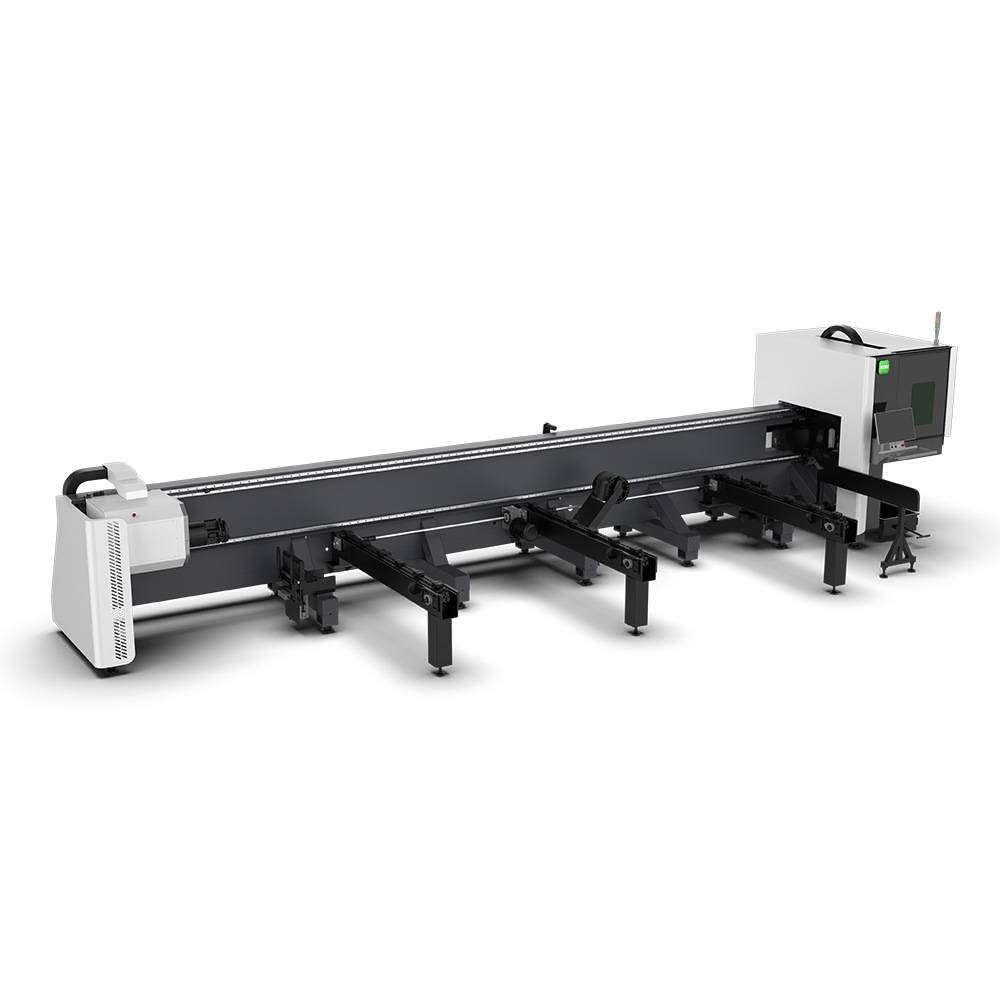
Advanced Fiber Laser Tube Processing Technology
Our CNC Fiber Laser Tube Cutting systems revolutionize metal fabrication by integrating high-precision cutting, punching, and profiling into a single automated workflow. Designed for versatility, this technology handles a wide array of profiles including Round, Square, Rectangular, and Oval tubes, as well as complex L-shaped and U-shaped channels.
- Precision Punching: High-speed hole punching with micron-level accuracy, eliminating the need for mechanical drilling or die-stamping.
- Complex Profiling: Advanced 3D pathing allows for intricate interlocking joints and specialized notch cuts, ideal for structural frames.
- High Material Efficiency: Intelligent nesting software minimizes scrap, reducing raw material costs across large production runs.
- Clean Finish: Delivers oxide-free, burr-free edges that require zero secondary grinding before welding.

Seamlessly processing multiple profiles with consistent precision.
Global Delivery & Logistics



From our high-tech manufacturing facility directly to your global site. PCL WeldCut ensures secure packaging, professional handling, and reliable international logistics to safeguard your equipment throughout the entire journey.