Optimizing Construction Machinery Fabrication via Fiber Laser Systems
In the current landscape of heavy industrial manufacturing, the demand for structural integrity and dimensional precision has moved beyond traditional thermal cutting limitations. for Construction Machinery—ranging from excavator frames to crane booms—the implementation of high-power fiber Laser Cutting technology represents a significant shift in throughput efficiency. Unlike legacy systems, fiber lasers operate at wavelengths that allow for high absorption rates in carbon steel and alloy plates, ensuring a narrow kerf and a minimal heat-affected zone (HAZ).
Industrial engineering protocols now prioritize the elimination of non-value-added steps. Traditional methods often require extensive post-cut grinding to remove dross or to correct edge tapers. Fiber laser systems, however, deliver a finished edge quality that meets ISO 9013 standards directly from the machine bed. This “ready-to-assemble” output is critical for the streamlined assembly of complex construction equipment.
The Role of Laser Seam Tracking in Large-Format Cutting
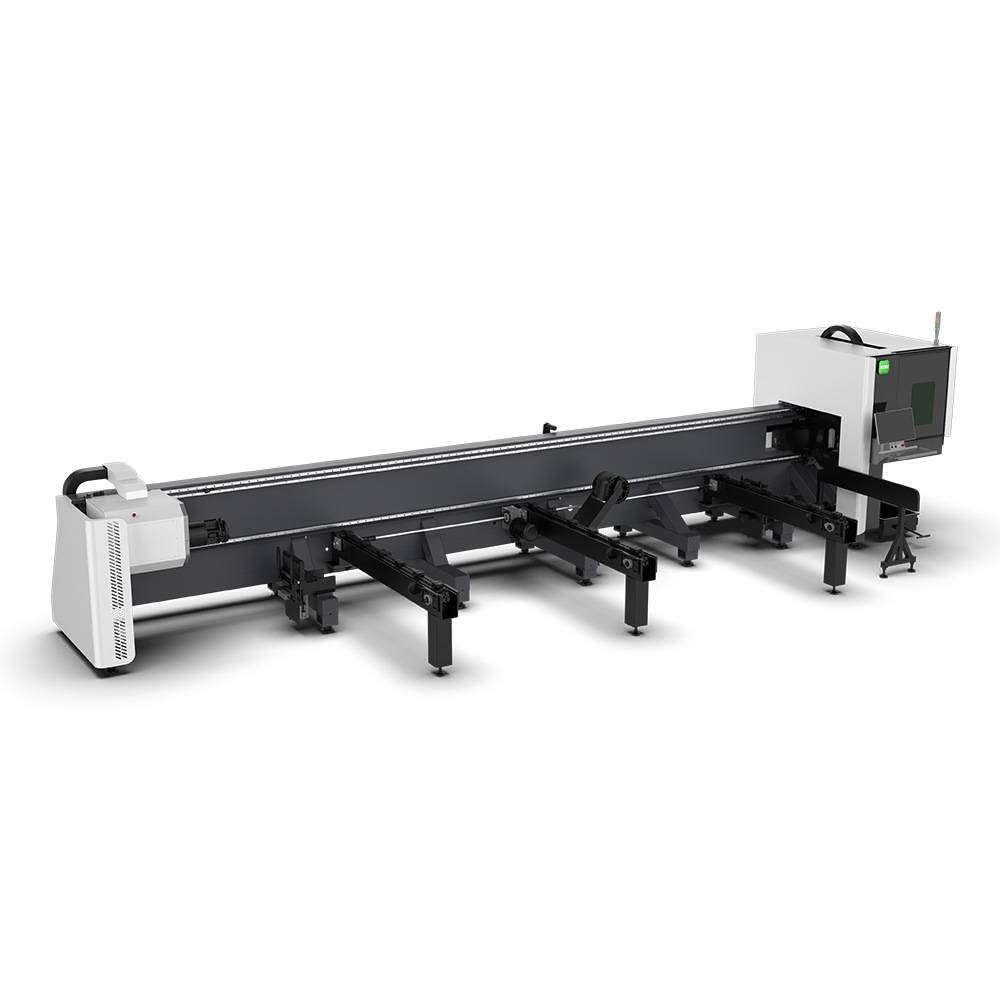
Construction machinery components are frequently fabricated from large-format plates that may exhibit surface irregularities or slight material deformations. Standard CNC paths assume a perfectly flat plane, which can lead to focal length discrepancies. The integration of laser seam tracking—or more specifically, real-time height sensing and path compensation—allows the cutting head to maintain a constant standoff distance.
Active Compensation and Material Variance
Laser seam tracking sensors utilize triangulation to map the material topology milliseconds before the beam makes contact. In the context of cutting, this ensures that the focus point remains optimal regardless of plate waviness. For long-axis parts, such as telescopic boom sections, this prevents “tip-ups” and maintains consistent edge perpendicularity. The result is a drastic reduction in scrap rates and a significant increase in the reliability of automated shift operations.
Three-in-One Processing: Punch, Mark, and Cut
Efficiency in an industrial setting is measured by the reduction of material handling. Modern fiber laser workstations for the construction sector are designed as multi-process centers. By utilizing a single CNC program, the machine executes three distinct operations without the need for manual intervention or part repositioning.
Precision Punching and Piercing
While traditional mechanical punching can deform thin-gauge material or cause micro-cracking in high-tensile steels, the fiber laser utilizes high-frequency pulsing to “punch” holes with diameters smaller than the material thickness. This is essential for bolt-hole patterns in heavy mounting brackets where tolerances are measured in microns.
Automated Marking for Traceability
Traceability is a regulatory requirement in construction machinery manufacturing. Low-power laser etching allows for the “marking” of part numbers, heat codes, and assembly guides directly onto the surface. Because this occurs in the same setup as the cutting process, there is zero risk of marking misalignment, facilitating easier downstream logistics and inventory management.
High-Speed Final Cutting
Once marking and piercing are complete, the system transitions to full-power cutting. The high energy density of the fiber source allows for rapid feed rates even in 20mm to 30mm plates. This speed does not come at the cost of precision; the CNC-controlled motion system ensures that complex geometries are executed with a level of repeatability that manual processes cannot match.
Eliminating Post-Processing: The “No-Grinding” Mandate
One of the highest costs in a fabrication shop is manual labor associated with edge cleaning. Fiber laser cutting provides a metallurgical edge that is virtually free of dross. By fine-tuning the assist gas pressure (typically Oxygen for carbon steel or Nitrogen for stainless alloys), the molten material is cleanly ejected from the kerf.
For construction machinery, where parts must often be powder-coated or painted, the lack of oxide scale on the cut edge is a major advantage. This eliminates the need for shot blasting or manual grinding, allowing parts to move directly from the cutting bed to the assembly or painting line. The reduction in labor hours per part significantly shortens the overall production cycle.
Software Integration and Intelligent Nesting
The hardware’s capability is maximized through intelligent nesting software. In the construction industry, where material costs represent a large percentage of the total product cost, maximizing sheet utilization is paramount. Advanced algorithms can nest complex shapes, such as excavator buckets and arm components, with minimal skeleton waste.
Real-Time Monitoring and Data Analytics
Integrated sensors within the laser head and the tracking system feed data back to a centralized MES (Manufacturing Execution System). Engineers can monitor nozzle wear, gas consumption, and cycle times in real-time. This data-driven approach allows for predictive maintenance, ensuring that the machine operates at peak OEE (Overall Equipment Effectiveness).
Automated Material Handling and Structural Integrity
To keep pace with the high cutting speeds of 12kW to 30kW fiber lasers, automated material handling systems are now standard. Loading and unloading cycles are synchronized with the cutting program to ensure the laser source has a high “beam-on” time percentage.
In terms of structural integrity, the fiber laser’s ability to produce consistent radii in sharp corners reduces stress concentration points in heavy-duty machinery. Unlike older thermal methods that might leave jagged start/stop points, the laser’s lead-in and lead-out parameters are programmed to ensure a smooth transition, which is vital for components subjected to high fatigue loads in the field.
Conclusion: The Industrial Engineering Perspective on ROI
The transition to fiber laser cutting with integrated seam tracking is not merely a hardware upgrade; it is a strategic shift in manufacturing philosophy. By consolidating punching, marking, and cutting into a single high-precision operation, construction machinery manufacturers can achieve a lower cost-per-part while simultaneously increasing quality. The elimination of secondary grinding and the reduction in human error via automated tracking provide a clear path to a rapid return on investment. As the industry moves toward further automation, these laser systems will remain the cornerstone of high-efficiency production lines.
-
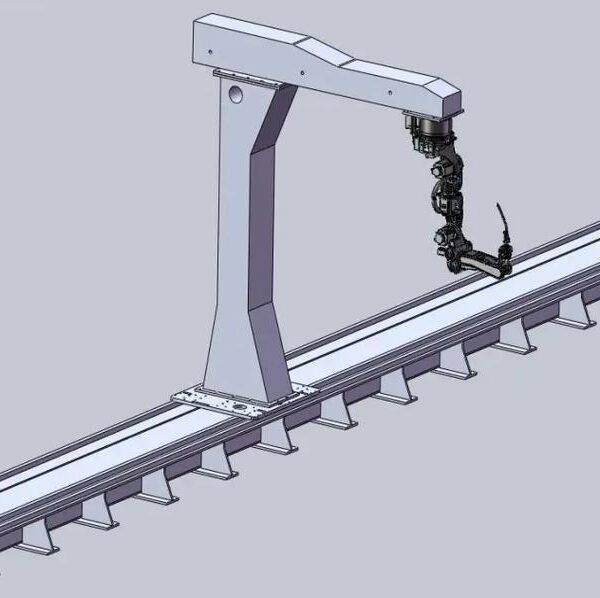

Cantilever Welding Robot solution
-
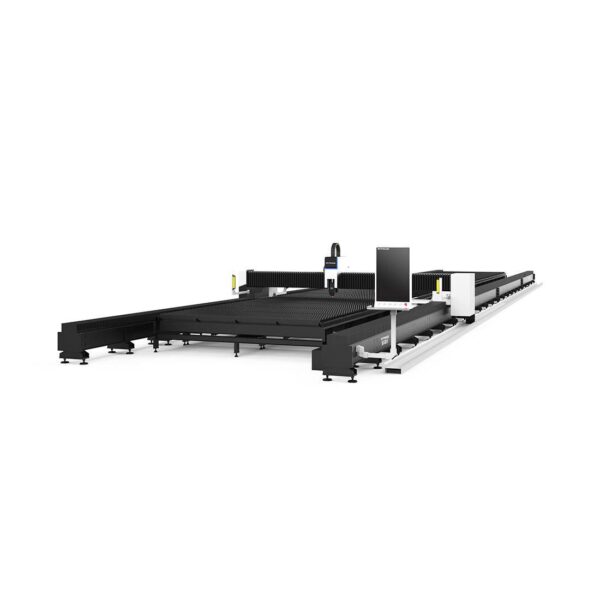

GF laser cutting machine
-
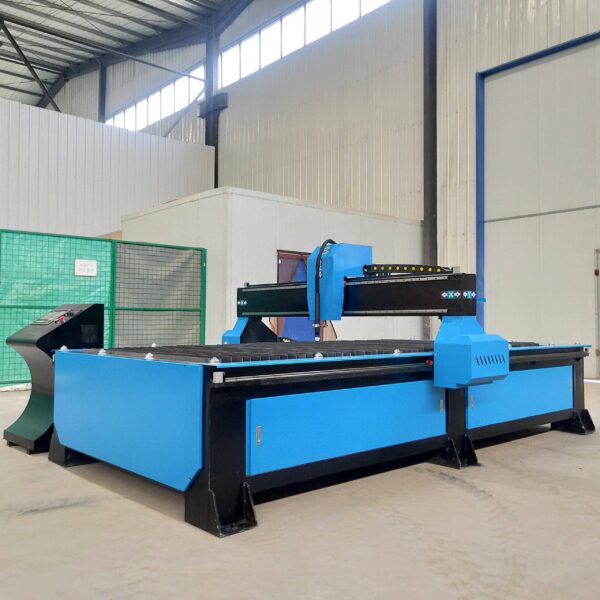
P3015 plasma cutting machine
-

LFP3015 Fiber Laser Cutter
-
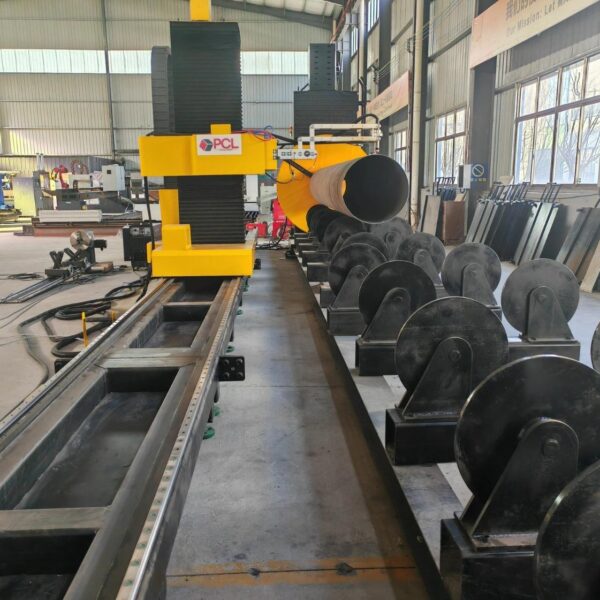
pipe plasma cutting machine
-
LFH 4020 Fiber Laser Cutting Machine
-
LFP4020
-
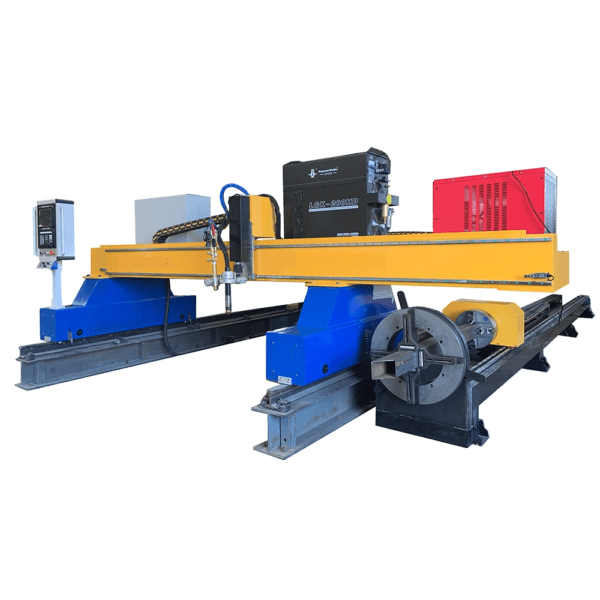
gantry plasma air cutting machine
-
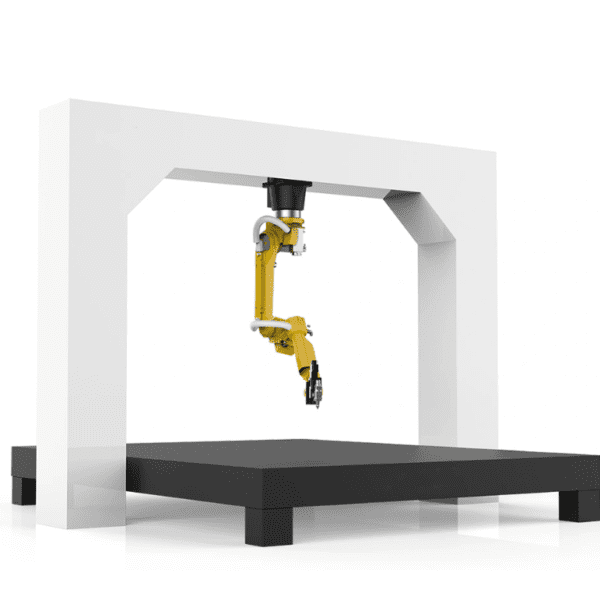
3D robot cutting machine
-
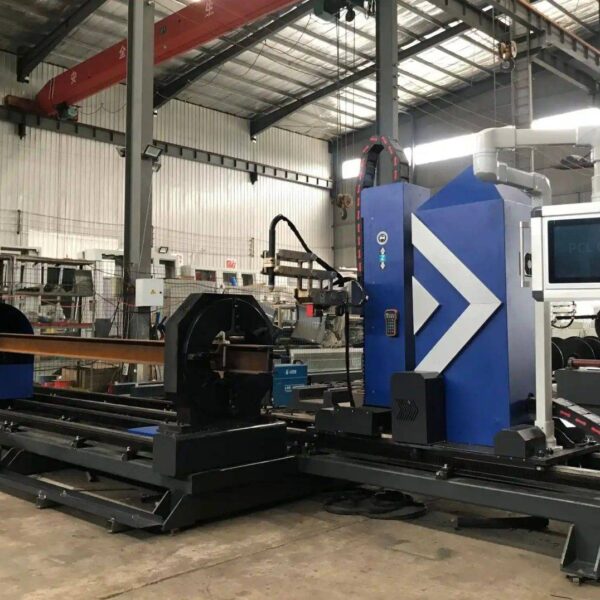
8 axis plasma cutting machine
-
5 axis plasma cutting machine
-

LT360 tube laser cutting machine
-
robot welding workstation
-
SF6060 fiber laser cutting machine
Advanced Fiber Laser Tube Processing Technology
Our CNC Fiber Laser Tube Cutting systems revolutionize metal fabrication by integrating high-precision cutting, punching, and profiling into a single automated workflow. Designed for versatility, this technology handles a wide array of profiles including Round, Square, Rectangular, and Oval tubes, as well as complex L-shaped and U-shaped channels.
- Precision Punching: High-speed hole punching with micron-level accuracy, eliminating the need for mechanical drilling or die-stamping.
- Complex Profiling: Advanced 3D pathing allows for intricate interlocking joints and specialized notch cuts, ideal for structural frames.
- High Material Efficiency: Intelligent nesting software minimizes scrap, reducing raw material costs across large production runs.
- Clean Finish: Delivers oxide-free, burr-free edges that require zero secondary grinding before welding.

Seamlessly processing multiple profiles with consistent precision.
Global Delivery & Logistics



From our high-tech manufacturing facility directly to your global site. PCL WeldCut ensures secure packaging, professional handling, and reliable international logistics to safeguard your equipment throughout the entire journey.