Optimizing Bridge Truss Fabrication via Fiber Laser Systems
The manufacturing of bridge trusses demands extreme precision and adherence to strict structural codes. Traditionally, the fabrication workflow involved multiple disparate stages, including manual layout, mechanical punching, and edge refinement. However, the introduction of high-wattage fiber Laser Cutting technology has redefined these parameters. For industrial engineers, the objective is to minimize material handling and maximize the “First Time Right” ratio. By utilizing a fiber laser source, typically ranging from 12kW to 30kW for heavy structural sections, the industry can achieve edge qualities that meet or exceed AISC (American Institute of Steel Construction) standards without requiring manual intervention.
The Role of Laser Seam Tracking in Structural Accuracy
Large-scale bridge components, such as gusset plates and chord members, often present challenges due to material surface irregularities or slight deviations in the raw plate flatness. Laser seam tracking serves as the corrective intelligence within the cutting head assembly. This system utilizes a high-frequency triangulation sensor to scan the material surface in real-time, ahead of the cutting nozzle.
The sensor detects the exact position and height of the workpiece, adjusting the Z-axis focal position instantaneously. This ensures that the laser beam maintains a consistent power density and focus diameter relative to the material surface. In bridge truss applications, where components can span several meters, this tracking prevents kerf width variations and ensures that bolt holes remain perfectly perpendicular to the plate, eliminating the risk of angular deviation that complicates field assembly.
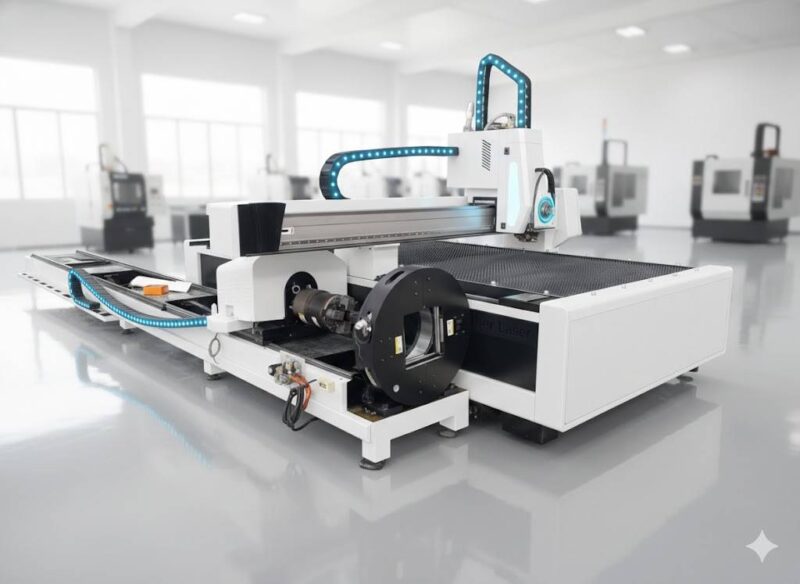
Consolidated Processing: Punch, Mark, and Cut
One of the most significant efficiency gains in modern bridge trusses production is the “All-in-One” processing capability of fiber laser machines. Historically, marking for assembly or identification required a separate station or manual vibro-peening. Modern fiber systems utilize pulsed laser parameters to perform high-speed marking and “center punching” (marking hole centers for downstream alignment) within the same CNC program as the profile cutting.
Precision Marking for Traceability
Traceability is a non-negotiable requirement for infrastructure projects. Fiber lasers can etch heat numbers, part IDs, and assembly orientations directly onto the steel surface. This process is performed at lower power settings before the main cutting sequence begins. Because the marking is integrated into the CAD/CAM workflow, the risk of human error in labeling is virtually eliminated.
Automated Hole Punching Equivalency
While mechanical punching is limited by plate thickness and tool wear, fiber laser “punching” (rapid piercing) handles high-tensile structural steels with ease. The laser creates high-tolerance bolt holes with a minimal heat-affected zone (HAZ). The precision of the laser ensures that the concentricity of these holes meets the tightest tolerances required for friction-grip bolts used in bridge connections.
Eliminating Secondary Operations: The No-Grinding Mandate
A primary bottleneck in bridge fabrication is the requirement to grind edges to remove dross or slag. Fiber laser cutting, when optimized with high-pressure nitrogen or oxygen assist gases, produces a clean, square edge with a surface roughness (Rz) that often bypasses the need for mechanical finishing.
From an industrial engineering perspective, the removal of the grinding stage represents a massive reduction in labor hours and consumable costs. Furthermore, the absence of mechanical grinding ensures that the edge chemistry of the structural steel fabrication remains unaltered, preventing the introduction of micro-fissures that could eventually lead to fatigue failure in a dynamic loading environment like a bridge.
Technical Specifications and Kinematic Performance
To process bridge truss chords and large-format gussets, the machine tool must possess high kinematic accuracy. Large-area gantry systems, often exceeding 3 meters in width and 12 to 24 meters in length, are standard. These systems must maintain a positioning accuracy of +/- 0.05mm over the entire work envelope.
Drive Systems and Acceleration
High-torque AC servo motors combined with precision rack-and-pinion drives allow the laser head to navigate complex truss geometries at high feed rates. This is critical when cutting intricate lattice patterns or weight-reduction cutouts in web members. The faster the processing speed, the lower the total heat input into the plate, which further minimizes thermal distortion—a key concern when dealing with long, slender bridge members.
Material Utilization and Nesting Optimization
Material costs account for a substantial portion of bridge project budgets. Fiber laser software utilizes advanced nesting algorithms to fit complex truss shapes onto a single plate with minimal skeleton waste. Because the laser kerf is significantly narrower than a mechanical blade or other thermal methods, parts can be nested closer together.
The integration of laser seam tracking also allows for “edge-start” cutting and “common-line” cutting strategies. These methods reduce the number of pierces required and save time, while also maximizing the yield of expensive high-strength low-alloy (HSLA) steels.
Integrity and Compliance in Bridge Construction
Safety is the paramount metric in bridge engineering. The thermal impact of a fiber laser is highly localized. The concentrated energy beam results in a very narrow heat-affected zone, preserving the metallurgical properties of the parent metal. This is vital for Bridge Trusses subjected to cyclical wind and traffic loads. By maintaining the integrity of the steel’s grain structure at the cut edge, the risk of stress corrosion cracking is mitigated.
Future-Proofing Through Automation and Digital Twins
Modern fiber laser machines for bridge components are increasingly integrated into a “Digital Twin” environment. CAD files from structural engineers are imported directly into the laser’s control system. The seam tracking data can be logged to provide a digital record of the material’s surface profile and the accuracy of every cut. This level of data integration ensures that every component of the bridge truss can be verified against the original design specifications, providing an immutable audit trail for quality assurance.
Conclusion: The Engineering Advantage
The shift toward fiber laser cutting with integrated seam tracking represents a fundamental change in how we approach infrastructure fabrication. By consolidating marking, piercing, and final profiling into a single automated cycle, manufacturers can produce bridge truss components with unparalleled precision. The elimination of secondary grinding, the reduction in human error through automated tracking, and the superior material utilization make fiber laser technology the definitive choice for modern structural engineering. This approach not only increases the throughput of the fabrication shop but also enhances the long-term safety and reliability of the bridges themselves.
-
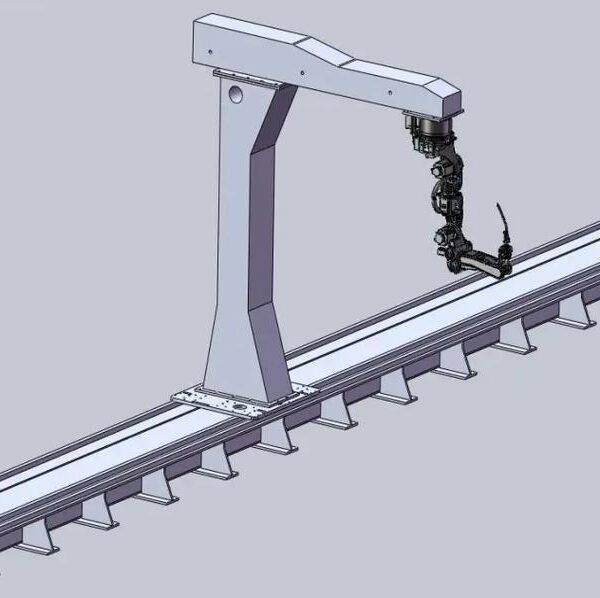

Cantilever Welding Robot solution
-
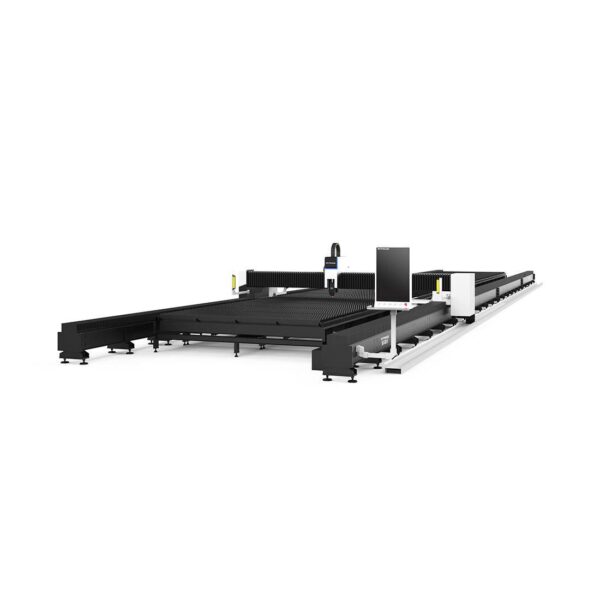

GF laser cutting machine
-
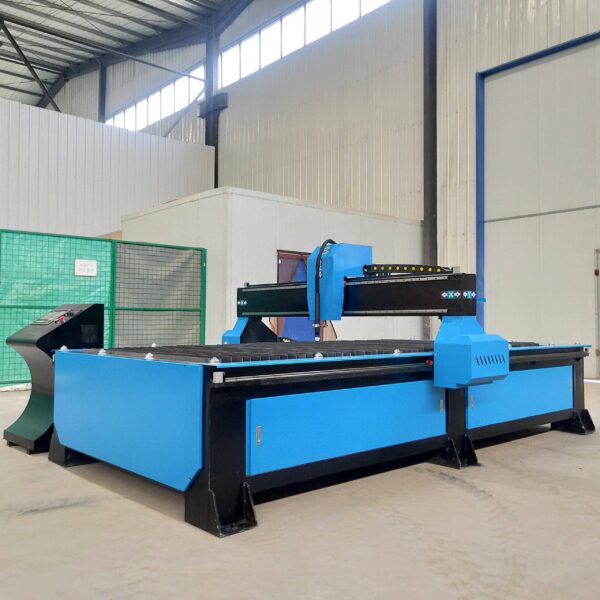
P3015 plasma cutting machine
-

LFP3015 Fiber Laser Cutter
-
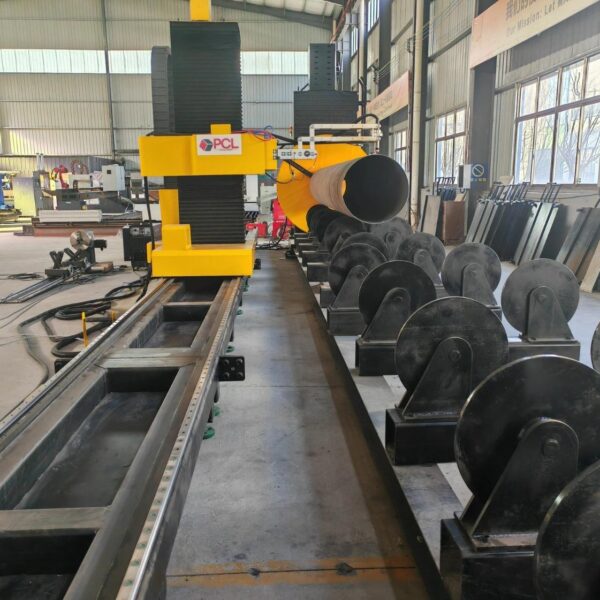
pipe plasma cutting machine
-
LFH 4020 Fiber Laser Cutting Machine
-
LFP4020
-
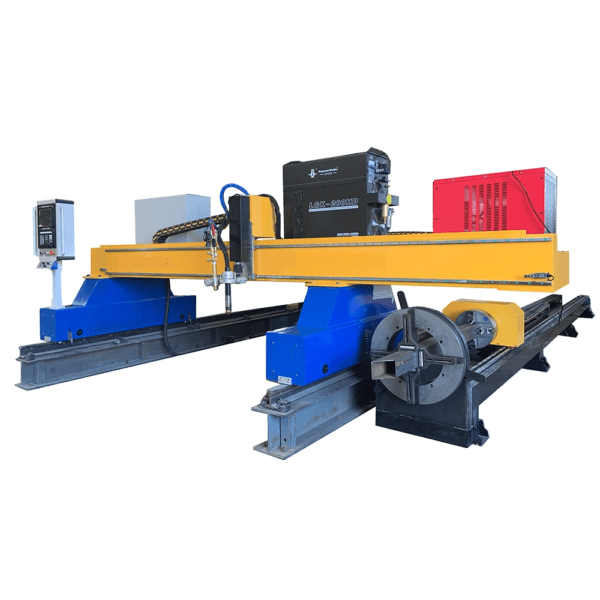
gantry plasma air cutting machine
-
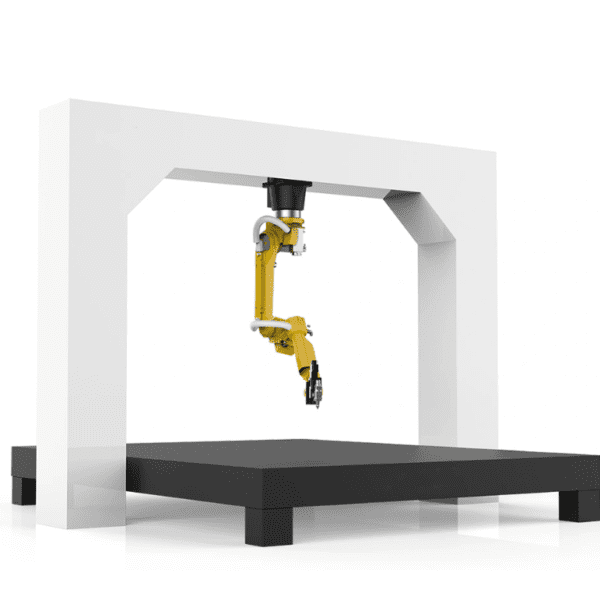
3D robot cutting machine
-
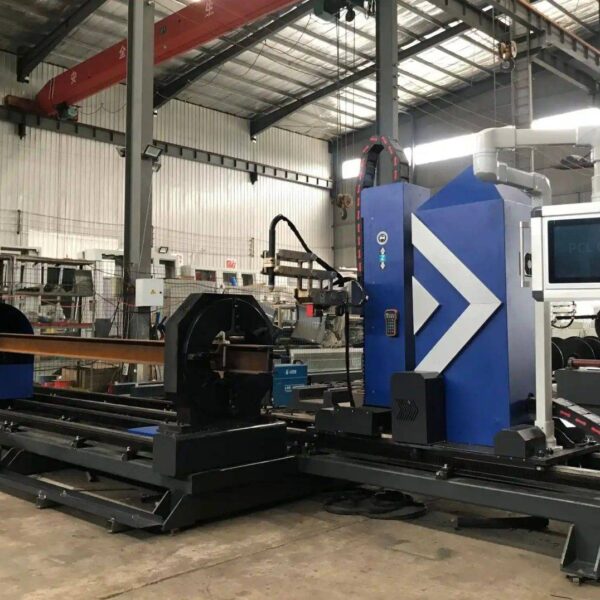
8 axis plasma cutting machine
-
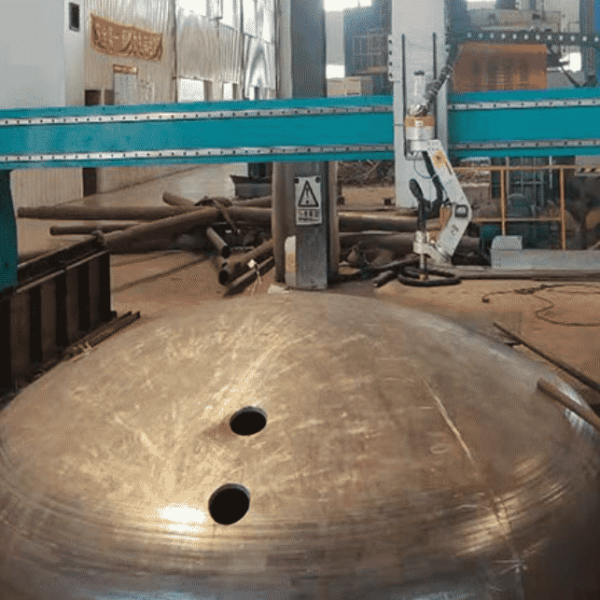
5 axis plasma cutting machine
-

LT360 tube laser cutting machine
-
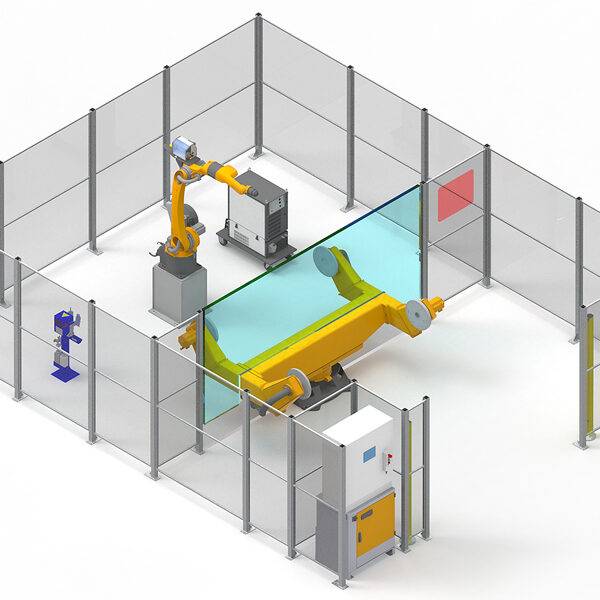
robot welding workstation
-
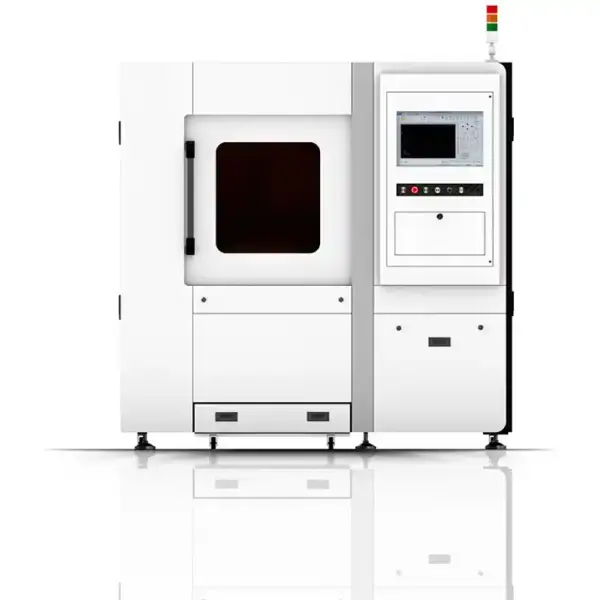
SF6060 fiber laser cutting machine
Advanced Fiber Laser Tube Processing Technology
Our CNC Fiber Laser Tube Cutting systems revolutionize metal fabrication by integrating high-precision cutting, punching, and profiling into a single automated workflow. Designed for versatility, this technology handles a wide array of profiles including Round, Square, Rectangular, and Oval tubes, as well as complex L-shaped and U-shaped channels.
- Precision Punching: High-speed hole punching with micron-level accuracy, eliminating the need for mechanical drilling or die-stamping.
- Complex Profiling: Advanced 3D pathing allows for intricate interlocking joints and specialized notch cuts, ideal for structural frames.
- High Material Efficiency: Intelligent nesting software minimizes scrap, reducing raw material costs across large production runs.
- Clean Finish: Delivers oxide-free, burr-free edges that require zero secondary grinding before welding.

Seamlessly processing multiple profiles with consistent precision.
Global Delivery & Logistics



From our high-tech manufacturing facility directly to your global site. PCL WeldCut ensures secure packaging, professional handling, and reliable international logistics to safeguard your equipment throughout the entire journey.