Optimizing Pressure Vessel Fabrication with 5-Axis Fiber Laser Kinematics
In the heavy industrial landscape of oil and gas, the transition from traditional mechanical cutting to 5-axis fiber laser beveling represents a significant shift in production efficiency. For the construction of storage tanks and high-pressure vessels, edge preparation is a critical bottleneck. Traditional methods often require multiple steps, including straight cutting followed by manual or mechanical beveling. Fiber laser technology consolidates these processes into a single automated cycle, maintaining high-speed throughput without sacrificing the geometric tolerances required for volatile fluid containment.
The Engineering Advantage of Fiber Laser Sources
Fiber lasers utilize a solid-state gain medium, resulting in a beam with a wavelength of approximately 1.06 microns. This short wavelength allows for high absorption rates in ferrous and non-ferrous metals commonly used in tank construction, such as carbon steel and stainless steel. From an industrial engineering perspective, the concentrated energy density produces a narrow kerf width and a negligible Heat Affected Zone (HAZ). This localized thermal application prevents the metallurgical distortion often seen in thicker plates, ensuring that the structural integrity of the tank shell remains consistent with the material’s mill specifications.
Mechanical Architecture: The 5-Axis Beveling Head
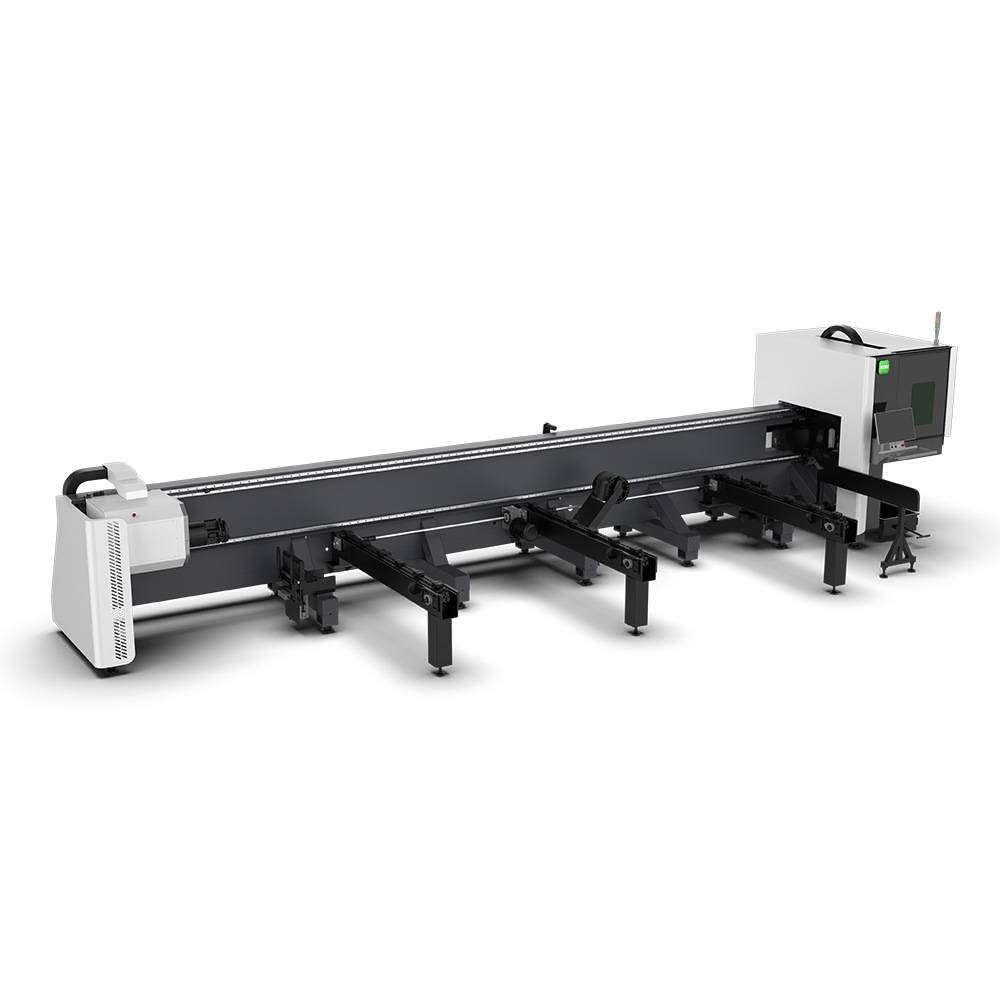
The core of this technology is the 5-axis cutting head, which adds two rotational axes (A and C) to the standard X, Y, and Z linear movements. In the context of oil and gas tanks, where plates are often curved or require complex weld preparations, this motion system allows the laser nozzle to tilt up to ±45 degrees.
Precision Motion Control
The synchronization of these five axes is managed by high-speed CNC controllers capable of real-time focal length compensation. As the head tilts to create a V or K bevel, the software must instantaneously calculate the change in distance between the nozzle and the workpiece. This ensures that the focal point remains precisely at the optimal depth within the material, preventing dross accumulation and ensuring a smooth, mirror-like finish on the cut surface.
Eliminating Secondary Operations: No Grinding Required
One of the primary KPIs in industrial tank fabrication is the reduction of secondary labor. Traditional thermal cutting methods often leave heavy slag or oxidized layers that require intensive manual grinding before the plate can be considered for the next stage of assembly. Contour precision provided by high-wattage fiber lasers (ranging from 12kW to 30kW) produces an edge quality that is virtually dross-free.
By optimizing the auxiliary gas pressure—typically oxygen for carbon steel or nitrogen for stainless steel—the laser achieves a clean vaporized removal of material. This level of precision meets the stringent requirements of international standards such as ASME Section VIII, where edge preparation must be free of contaminants and surface irregularities. The elimination of grinding not only reduces labor costs but also significantly decreases the environmental noise and dust levels within the fabrication facility.
Integrated Functionality: Punch, Mark, and Cut
Modern fiber laser systems for the oil and gas sector are multi-functional workstations. The ability to perform three distinct operations in a single program sequence is a major driver for high ROI.
Automated Marking and Traceability
Traceability is mandatory in oil and gas infrastructure. Fiber lasers can be tuned to a low-power marking mode, etching heat numbers, part IDs, and assembly alignment lines directly onto the plate surface. This marking is permanent and legible, surviving subsequent coating processes.
High-Speed Punching and Piercing
Before the cutting begins, the laser performs high-speed piercing or “punching.” Unlike mechanical punching, which can cause micro-fractures in high-strength steels, laser piercing is a non-contact process. Advanced piercing sensors monitor the breakthrough in real-time, moving the head to the cutting phase the millisecond the plate is breached. This reduces total cycle time and protects the copper nozzles from back-splash damage.
Bevel Geometries for Pressure Vessel Joints
Tank fabrication requires various joint configurations depending on the thickness of the material and the intended pressure rating. The 5-axis fiber laser excels at creating:
- V-Bevels: Standard for single-sided access.
- X-Bevels: Necessary for thicker plates requiring double-sided access to balance thermal loads.
- Y and K-Bevels: Providing a landing root that is essential for maintaining gap consistency during the fit-up phase.
The ability to cut these geometries in a single pass, including the vertical root face, ensures that the components fit together with sub-millimeter accuracy. This precision is vital for automated longitudinal and circumferential assembly systems, where consistent gaps are required for high-quality penetration.
Software Integration and Nesting Efficiency
The hardware’s capability is unlocked through sophisticated CAD/CAM nesting software. These platforms allow engineers to import 3D models of tank segments, automatically unfolding them into 2D flat patterns while retaining the 3D bevel data.
Material Utilization Optimization
In large-scale tank projects, material costs account for a significant portion of the budget. Advanced nesting algorithms account for the tilt of the 5-axis head, allowing for tighter spacing between parts than would be possible with mechanical beveling tools. The software also calculates the most efficient “common line” cutting paths, further reducing the total travel distance of the laser head and minimizing gas consumption.
Structural Integrity and Maintenance
From an operational maintenance perspective, fiber lasers offer a robust solution for the heavy-duty cycles typical of the oil and gas industry. The absence of mirrors and bellows—common in older gas-based laser systems—means that the beam delivery system is entirely sealed in fiber optic cables. This reduces the risk of contamination in dusty shop environments and ensures that the machine maintains its calibration over thousands of hours of operation.
Conclusion: The ROI of Precision
For industrial engineers tasked with modernizing tank production lines, the 5-axis fiber laser is a foundational investment. By consolidating marking, piercing, and beveled cutting into a single high-precision operation, the technology eliminates the need for secondary grinding and manual layout. The result is a dramatic reduction in the “plate-to-assembly” timeframe, enhanced material utilization, and a finished product that meets the rigorous safety and quality standards of the global oil and gas industry. The shift to fiber laser beveling is not merely an upgrade in cutting speed; it is a fundamental optimization of the entire fabrication workflow.
-
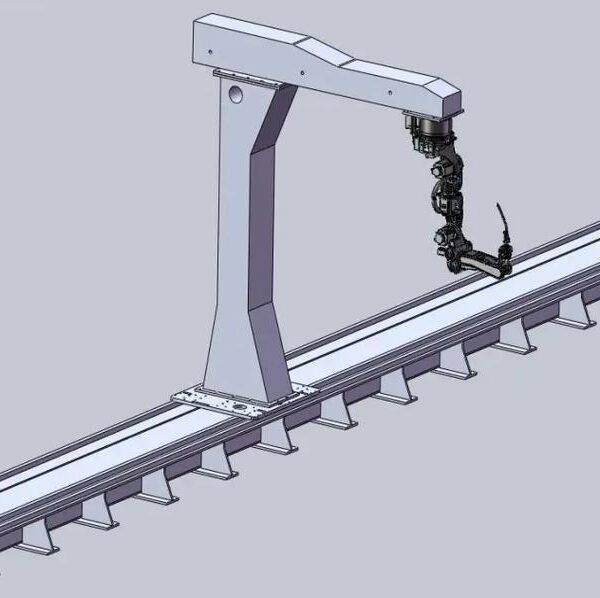

Cantilever Welding Robot solution
-
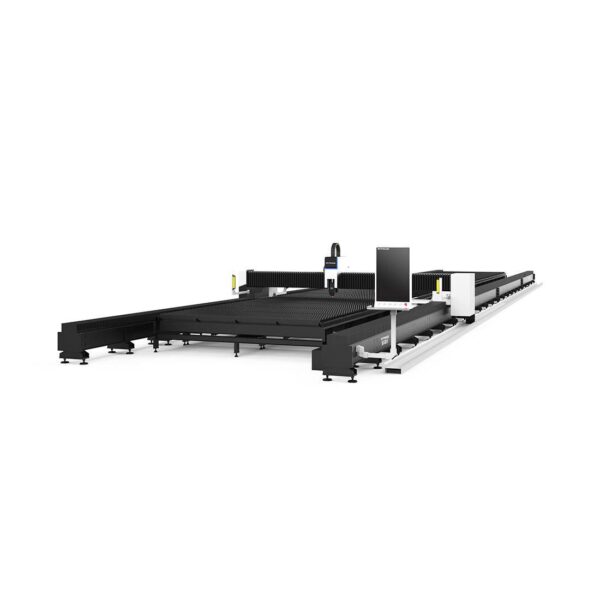

GF laser cutting machine
-
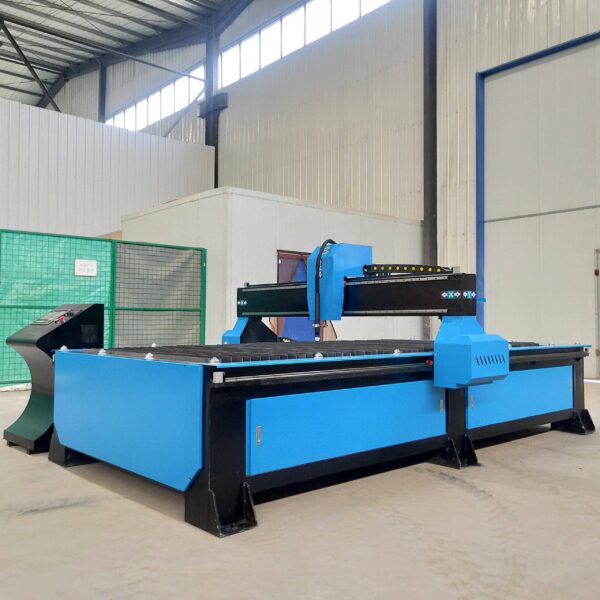
P3015 plasma cutting machine
-

LFP3015 Fiber Laser Cutter
-
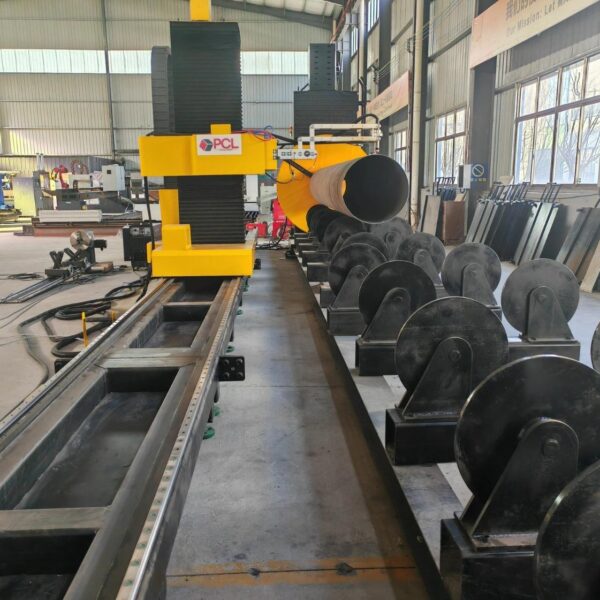
pipe plasma cutting machine
-
LFH 4020 Fiber Laser Cutting Machine
-
LFP4020
-
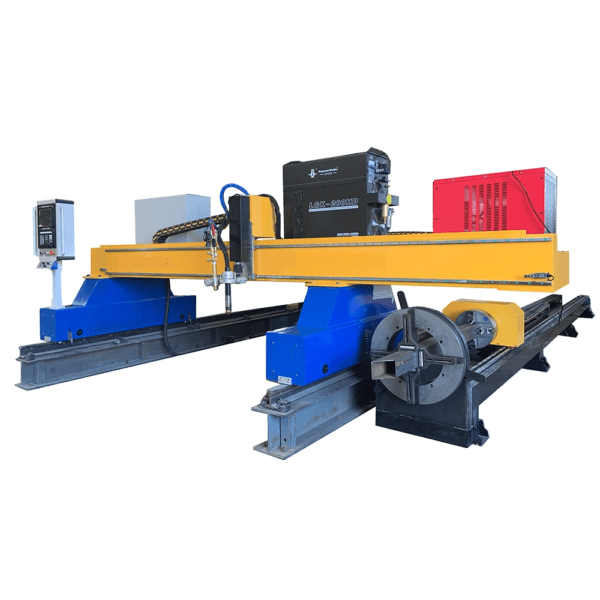
gantry plasma air cutting machine
-
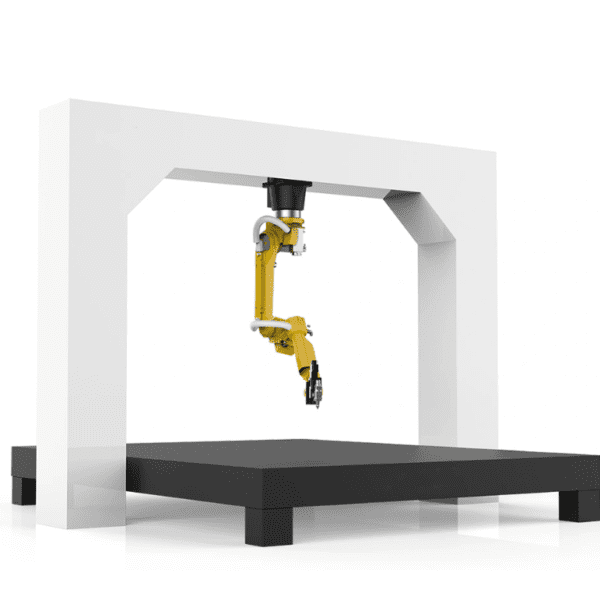
3D robot cutting machine
-
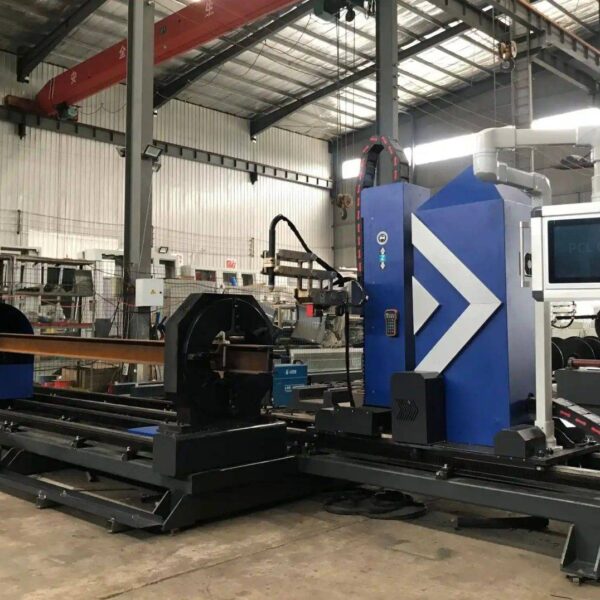
8 axis plasma cutting machine
-
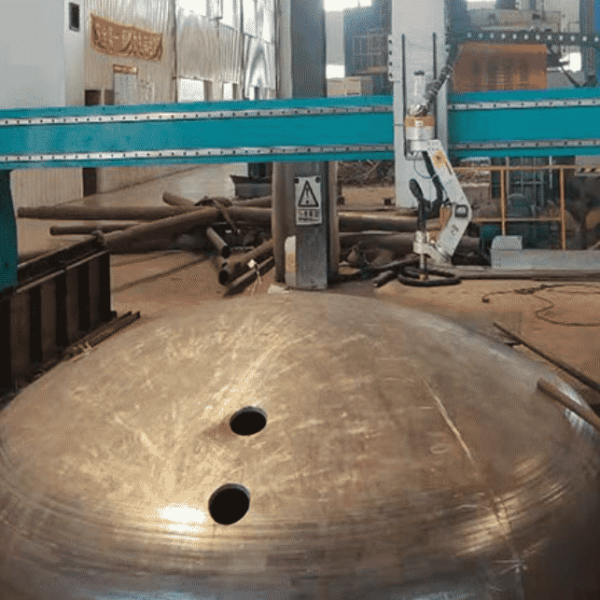
5 axis plasma cutting machine
-

LT360 tube laser cutting machine
-
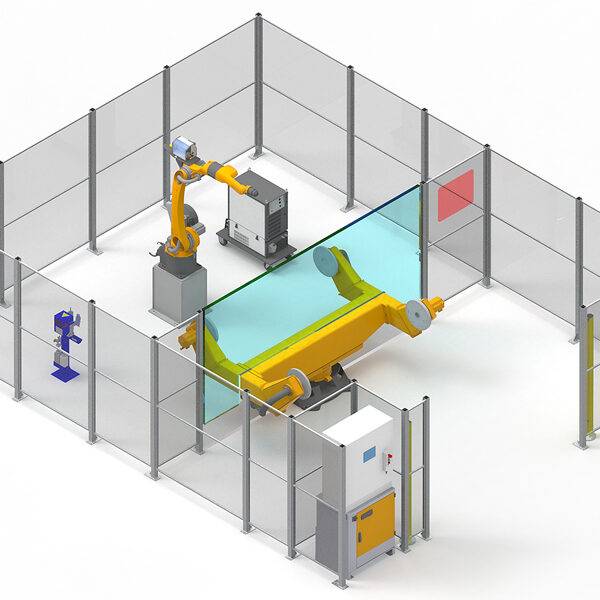
robot welding workstation
-
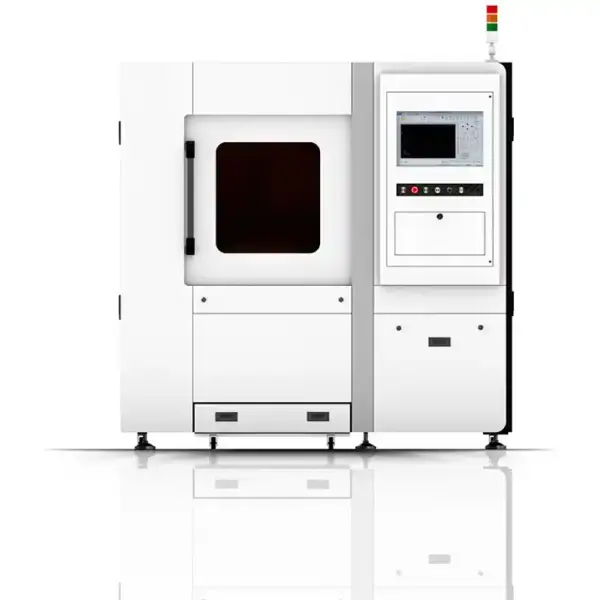
SF6060 fiber laser cutting machine
Advanced Fiber Laser Tube Processing Technology
Our CNC Fiber Laser Tube Cutting systems revolutionize metal fabrication by integrating high-precision cutting, punching, and profiling into a single automated workflow. Designed for versatility, this technology handles a wide array of profiles including Round, Square, Rectangular, and Oval tubes, as well as complex L-shaped and U-shaped channels.
- Precision Punching: High-speed hole punching with micron-level accuracy, eliminating the need for mechanical drilling or die-stamping.
- Complex Profiling: Advanced 3D pathing allows for intricate interlocking joints and specialized notch cuts, ideal for structural frames.
- High Material Efficiency: Intelligent nesting software minimizes scrap, reducing raw material costs across large production runs.
- Clean Finish: Delivers oxide-free, burr-free edges that require zero secondary grinding before welding.

Seamlessly processing multiple profiles with consistent precision.
Global Delivery & Logistics



From our high-tech manufacturing facility directly to your global site. PCL WeldCut ensures secure packaging, professional handling, and reliable international logistics to safeguard your equipment throughout the entire journey.