Optimizing Pressure Vessel Fabrication with Fiber Laser Technology
In the heavy industrial sector, specifically within Oil & Gas Tank Fabrication, the transition from traditional mechanical cutting to advanced fiber laser systems represents a significant shift in manufacturing efficiency. The demand for high-integrity storage solutions requires components that meet stringent dimensional tolerances. Fiber Laser Cutting provides the necessary beam density and stability to process thick carbon steel and stainless steel plates with a level of precision that was previously unattainable without extensive manual intervention.
The primary advantage of Fiber Laser Beveling lies in its ability to consolidate multiple production stages. In a conventional workflow, plate edges are cut and then moved to a secondary station for beveling via milling or grinding. A 5-axis fiber laser system eliminates these redundant steps by executing complex edge geometries, including V, Y, X, and K-type bevels, in a single pass. This consolidation reduces material handling risks and ensures that the geometric relationship between the cut and the bevel remains constant across the entire perimeter of the workpiece.
The Mechanics of 5-Axis Motion in Bevel Cutting
The engineering core of these machines is the 5-axis cutting head, which utilizes synchronized B and C axes to tilt and rotate the laser beam relative to the material surface. For Oil & Gas Tank Fabrication, where tank heads and shells often require precise angular preparation for subsequent joining, the kinematic accuracy of the head is paramount. 5-Axis Motion Control allows for real-time compensation of beam focal point height, maintaining a consistent standoff distance even during steep angular transitions.
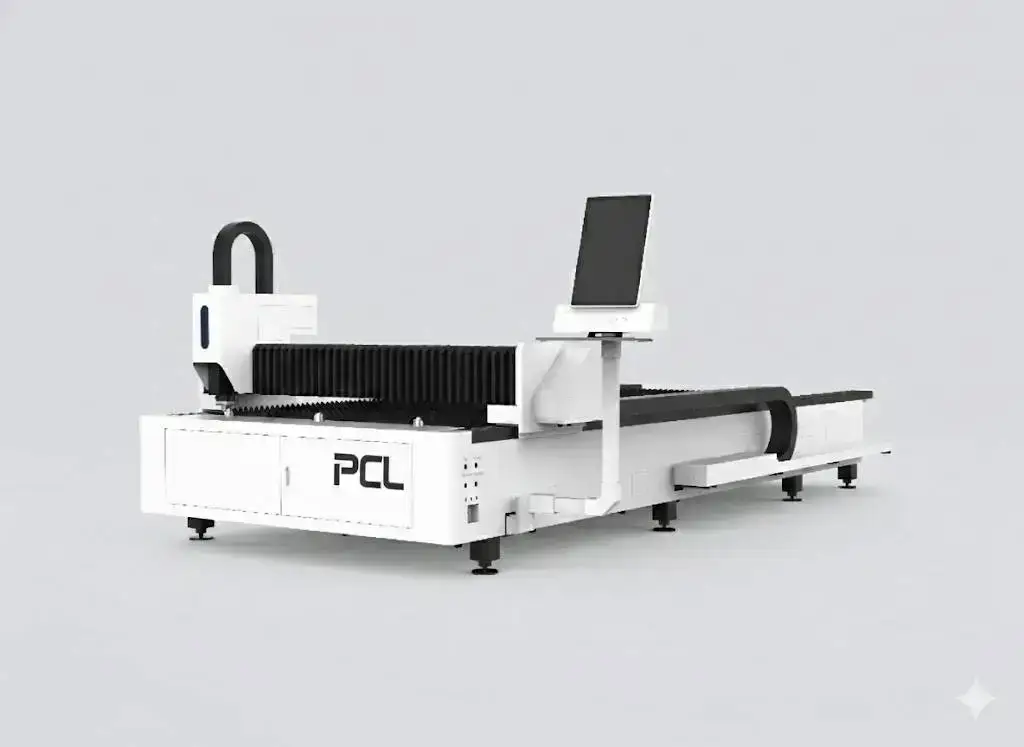
Modern fiber laser resonators produce a high-quality beam with a narrow kerf width. When combined with a 5-axis head, this enables the production of extremely sharp bevel edges. The mechanical rigidity of the gantry system, often constructed from high-strength aviation-grade aluminum or welded steel with thermal stress relief, ensures that vibrations do not compromise the edge finish during high-speed directional changes.
Elimination of Secondary Grinding and Surface Prep
One of the most critical KPIs for industrial engineers in the tank sector is the reduction of “non-value-added” time. Manual grinding to remove dross or to achieve the correct bevel angle is a labor-intensive process that introduces variability. High-Precision Cutting via fiber laser technology produces an edge with minimal dross and a surface roughness (Ra) that often falls within the acceptable range for immediate inspection and assembly. The high energy density of the fiber laser creates a very narrow Heat-Affected Zone (HAZ), preserving the metallurgical properties of the base metal, which is essential for vessels operating under high pressure or corrosive environments.
Integrated Marking and Punching Functions
Efficiency in Oil & Gas Tank Fabrication is not limited to the cutting process alone. The ability to perform automated marking and punching within the same CNC program is a logistical breakthrough. The fiber laser can be modulated to etch part numbers, heat numbers, and assembly guide lines directly onto the plate surface. Furthermore, the system can “punch” or pierce pilot holes for nozzles and fittings with absolute positional accuracy. This eliminates the need for manual layout or templating, ensuring that every component aligns perfectly during the final assembly of the tank shell.
Material Throughput and Gas Dynamics
The selection of assist gases plays a vital role in the quality of the beveled edge. When cutting thick sections for pressure vessels, the balance between oxygen and nitrogen assist gases determines the oxidation levels and the cutting speed. Engineering teams often optimize gas pressure and nozzle geometry to ensure that the molten metal is efficiently expelled from the kerf, even at angles up to 45 degrees. This prevents the re-solidification of material on the lower edge, maintaining a “clean-cut” profile that requires no further mechanical cleaning.
Furthermore, the energy efficiency of the fiber laser resonator—often exceeding 35-40% wall-plug efficiency—makes it a more sustainable choice compared to older technologies. For large-scale projects involving hundreds of tons of steel, the reduction in electricity consumption and the increase in linear cutting speed contribute to a significantly lower cost-per-part ratio.
Nesting Optimization and Material Utilization
Advanced CAD/CAM software integrated with 5-axis fiber lasers allows for sophisticated nesting algorithms. These programs account for the additional material required for beveled edges, ensuring that plates are utilized to their maximum potential. In the context of large-diameter oil tanks, where raw material costs represent a substantial portion of the total budget, even a 2-3% increase in material utilization can result in significant capital savings. The software also manages the complex lead-in and lead-out paths required for bevels to avoid “gouging” at the start and end points of the cut.
Structural Integrity and Quality Assurance
In the Oil & Gas industry, the structural integrity of a tank is non-negotiable. High-Precision Cutting ensures that the fit-up between the tank wall and the tank head is seamless. Tight tolerances minimize the gaps that must be filled during subsequent processes, leading to more consistent results and reducing the likelihood of defects. By utilizing 5-Axis Motion Control, engineers can specify exact root faces and bevel angles that match the design requirements of the vessel exactly, ensuring that the finished product meets API or ASME standards.
The repeatability of the fiber laser is another critical factor. Unlike manual processes where the quality may fluctuate based on the operator’s skill level, the CNC-controlled fiber laser delivers identical results for every part. This level of process control is a cornerstone of modern ISO quality management systems, providing traceable and verifiable manufacturing data for every component produced.
Conclusion: The Future of Tank Manufacturing
The integration of 5-axis Fiber Laser Cutting Machines into the production line for Oil & Gas Tanks is no longer a luxury but a strategic necessity. By addressing the core challenges of precision, speed, and material handling, this technology allows manufacturers to scale their operations while maintaining the highest quality standards. The ability to go from a raw plate to a fully beveled, marked, and punched component in a single automated step represents the pinnacle of current industrial engineering capabilities in metal fabrication. As the energy sector continues to demand more durable and complex storage solutions, Fiber Laser Beveling will remain the primary driver of technical innovation on the shop floor.
-
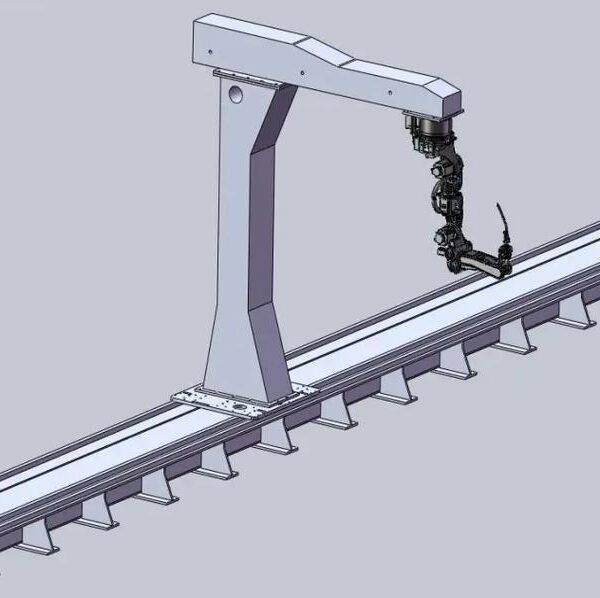

Cantilever Welding Robot solution
-
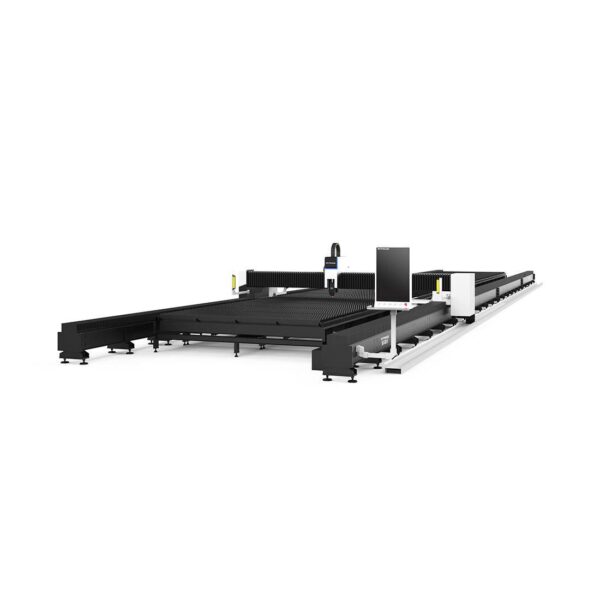

GF laser cutting machine
-
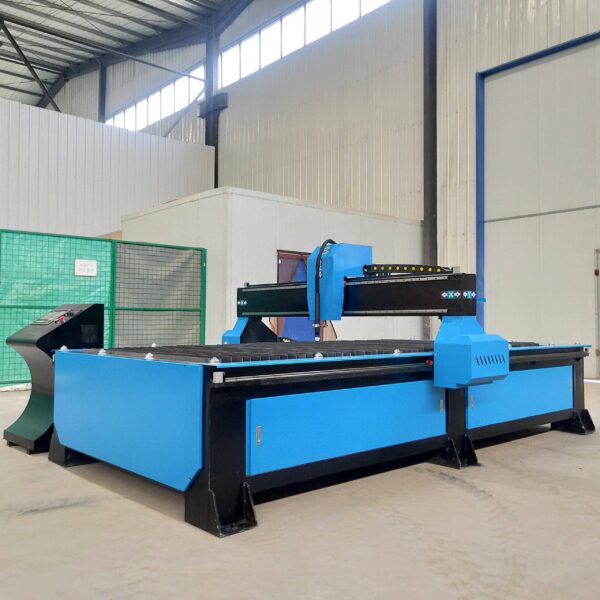
P3015 plasma cutting machine
-

LFP3015 Fiber Laser Cutter
-

pipe plasma cutting machine
-
LFH 4020 Fiber Laser Cutting Machine
-
LFP4020
-
gantry plasma air cutting machine
-
3D robot cutting machine
-
8 axis plasma cutting machine
-
5 axis plasma cutting machine
-

LT360 tube laser cutting machine
-
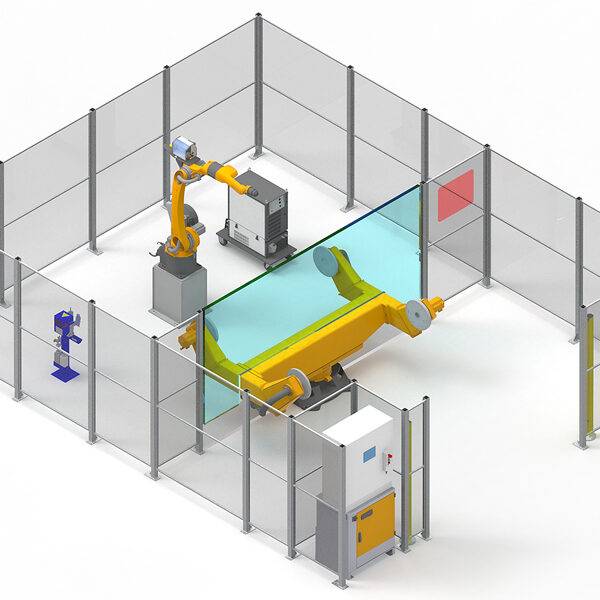
robot welding workstation
-
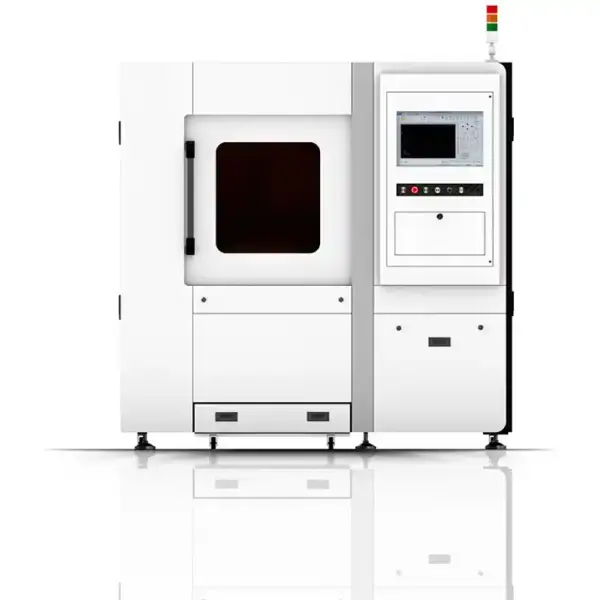
SF6060 fiber laser cutting machine
Advanced Fiber Laser Tube Processing Technology
Our CNC Fiber Laser Tube Cutting systems revolutionize metal fabrication by integrating high-precision cutting, punching, and profiling into a single automated workflow. Designed for versatility, this technology handles a wide array of profiles including Round, Square, Rectangular, and Oval tubes, as well as complex L-shaped and U-shaped channels.
- Precision Punching: High-speed hole punching with micron-level accuracy, eliminating the need for mechanical drilling or die-stamping.
- Complex Profiling: Advanced 3D pathing allows for intricate interlocking joints and specialized notch cuts, ideal for structural frames.
- High Material Efficiency: Intelligent nesting software minimizes scrap, reducing raw material costs across large production runs.
- Clean Finish: Delivers oxide-free, burr-free edges that require zero secondary grinding before welding.

Seamlessly processing multiple profiles with consistent precision.
Global Delivery & Logistics



From our high-tech manufacturing facility directly to your global site. PCL WeldCut ensures secure packaging, professional handling, and reliable international logistics to safeguard your equipment throughout the entire journey.