Advancing Structural Fabrication via Fiber Laser Integration
The landscape of structural steel fabrication is undergoing a fundamental shift from mechanical and thermal-clunky processes toward high-energy density solutions. The Fiber Laser Cutting Machine has emerged as the primary driver of this evolution. Unlike traditional methods that require separate stations for layout, drilling, and cropping, the modern fiber laser system centralizes these operations within a single controlled environment. For industrial engineers, the objective is the minimization of “work-in-progress” (WIP) and the maximization of first-pass yield. By utilizing a high-power fiber source, the machine delivers a concentrated beam that achieves narrow kerf widths and minimal heat-affected zones (HAZ).
This transition is not merely about speed; it is about the elimination of cumulative tolerances. In large-scale steel structures, even a millimeter of deviation in a base plate or a beam-to-column connection can lead to significant field-fit issues. The fiber laser’s ability to maintain high-frequency pulse control allows for the execution of complex geometries with a level of repeatability that mechanical tools cannot match.
The Role of 3D Vision Positioning in Material Compensation
One of the greatest challenges in structural steel is the inherent variability of the raw material. Hot-rolled sections, such as H-beams and I-beams, often arrive with slight twists, bows, or flange inconsistencies that fall within mill tolerances but complicate automated processing. Integrating 3D Vision Positioning solves this industrial bottleneck. The vision system utilizes high-resolution cameras and laser line sensors to capture a real-time point cloud of the workpiece.
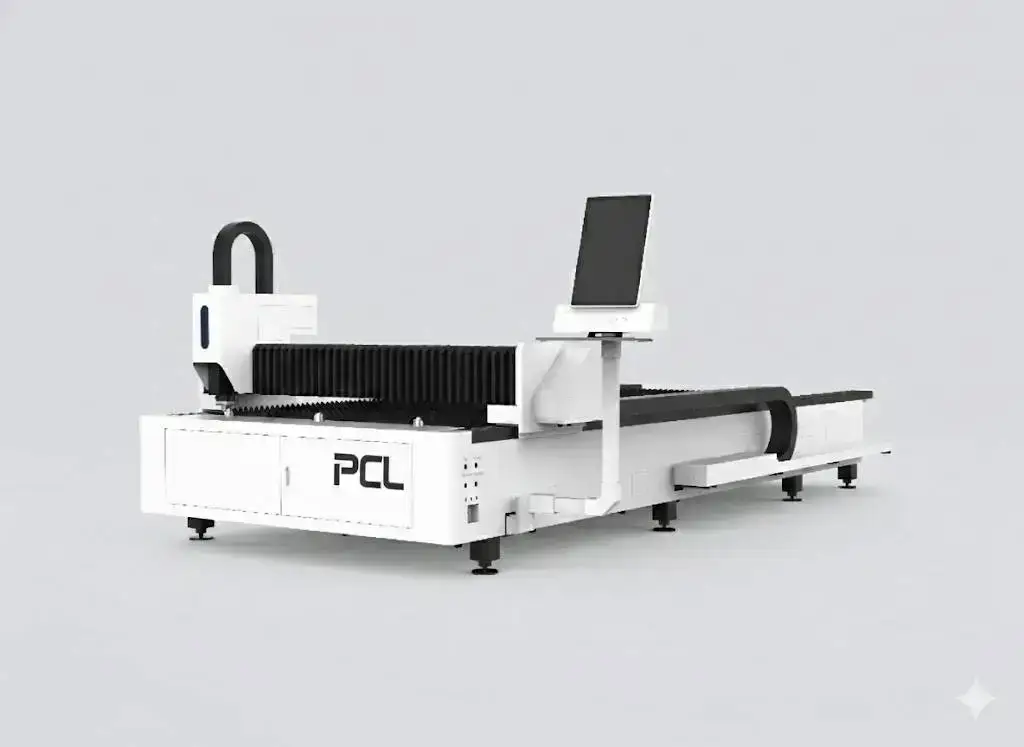
Once the 3D profile is scanned, the machine’s control software compares the physical data against the original CAD model. The system then dynamically adjusts the cutting path in real-time to compensate for any material warping. This ensures that bolt holes are perfectly concentric and cutouts for interlocking members are positioned relative to the actual center line of the beam, rather than a theoretical coordinate. This level of adaptive manufacturing is critical for maintaining the structural integrity of the final assembly.
Consolidated Workflow: Punch, Mark, and Cut
Efficiency in an industrial setting is measured by the reduction of secondary touches. The modern fiber laser system is designed to perform three distinct functions in one continuous cycle: marking, punching (simulated via high-precision circular cutting), and final profile cutting.
Precision Marking and Layout
Using low-power settings, the laser can etch part numbers, assembly orientations, and weld-line locations directly onto the steel surface. This removes the need for manual chalking or ink-jet marking, which are prone to fading or human error. For downstream assembly, these permanent, high-contrast marks serve as an immutable roadmap for fitters.
Simulated Punching and Hole Quality
Traditional mechanical punching often distorts the surrounding material, creating localized stress concentrations. Fiber laser cutting produces holes with a “cylindricity” and surface finish that meet or exceed stringent engineering standards. By modulating the gas pressure—typically using oxygen for thick carbon steel or nitrogen for clean-cut edges—the machine creates bolt holes that require no reaming. This “no-grind” output is a significant contributor to labor savings.
Eliminating Secondary Grinding and Edge Preparation
In Structural Steel Fabrication, the cost of labor associated with cleaning edges is a major overhead. Traditional thermal cutting often leaves behind dross, slag, and a hardened edge that must be ground down before painting or coating. The fiber laser’s high power density evaporates the metal almost instantaneously, with the high-pressure assist gas blowing the molten material out of the bottom of the kerf.
The resulting edge is smooth, square, and free of dross. From an engineering perspective, the lack of mechanical burrs and the reduced heat input mean that the metallurgical properties of the steel remain stable near the cut zone. This “ready-to-assemble” state significantly accelerates the throughput of the shop floor, as components move directly from the laser bed to the assembly area without a detour to the grinding station.
Technical Specifications and Geometric Versatility
The application of Precision Beam Processing extends beyond simple cross-sections. Modern 3D fiber laser heads are mounted on multi-axis robotic arms or high-speed gantry systems capable of 360-degree rotation. This allows for the processing of rectangular hollow sections (RHS), circular hollow sections (CHS), and complex angle irons.
Key technical parameters that define this process include:
- Beam Quality (M2 factor): Ensuring a tight focus for deep penetration.
- Dynamic Motion Control: Synchronizing the vision system with the 5-axis or 6-axis movement to maintain a constant standoff distance.
- Assist Gas Management: Automated switching between oxygen and nitrogen to optimize for speed or edge aesthetics depending on the steel grade.
Operational Economics and ROI
While the initial capital expenditure for a 3D vision-guided fiber laser is higher than traditional mechanical equipment, the Return on Investment (ROI) is realized through reduced cycle times and material savings. The nesting software used in conjunction with these machines optimizes the layout on the beam or plate, significantly reducing scrap rates. Furthermore, by automating the positioning and cutting process, the dependency on highly skilled manual operators is reduced, mitigating the risks associated with labor shortages in the fabrication sector.
The elimination of specialized tooling—such as various drill bits or punch dies—further reduces the long-term operational costs. A single fiber laser source can handle a wide range of thicknesses and shapes, making it the most versatile tool in the industrial engineer’s arsenal for steel processing.
Conclusion: The Standard for Modern Infrastructure
The integration of fiber laser technology with 3D vision guidance represents the pinnacle of current structural steel processing. By ensuring that every punch, mark, and cut is executed with sub-millimeter precision, manufacturers can guarantee the quality of complex structures such as high-rise skeletons, bridges, and industrial plants. The “no-grind” finish and the ability to compensate for material flaws in real-time transform the fabrication shop into a high-precision laboratory, setting a new benchmark for speed, accuracy, and structural reliability.
-
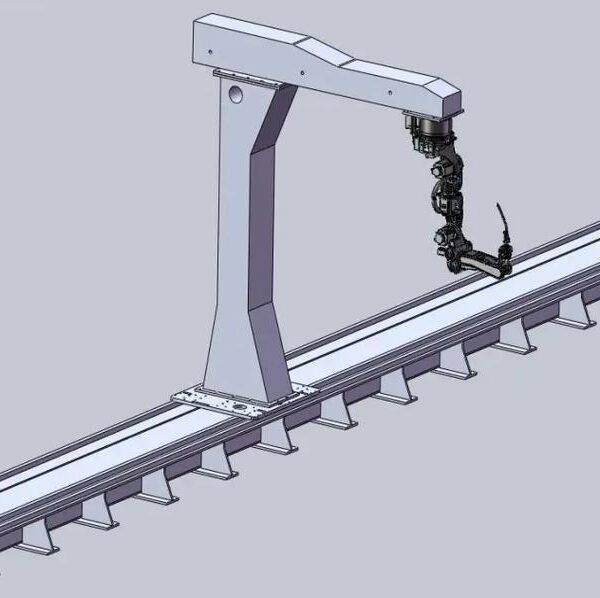

Cantilever Welding Robot solution
-
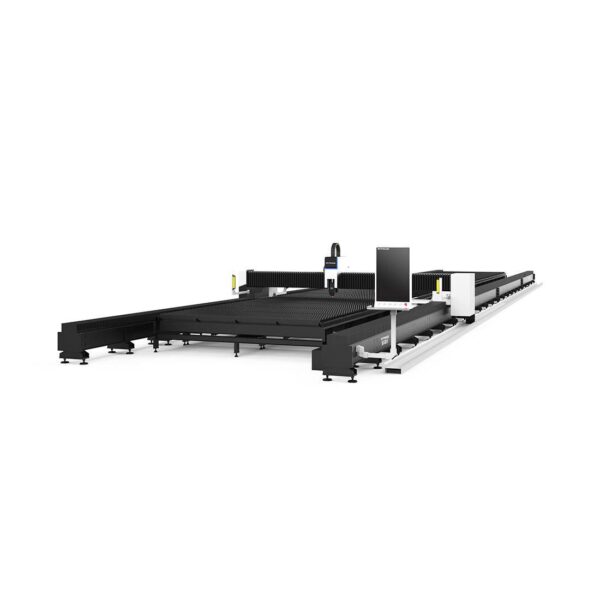

GF laser cutting machine
-
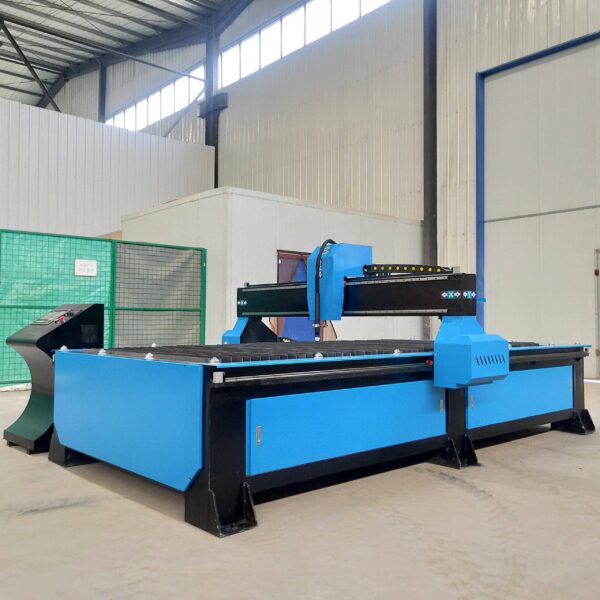
P3015 plasma cutting machine
-

LFP3015 Fiber Laser Cutter
-
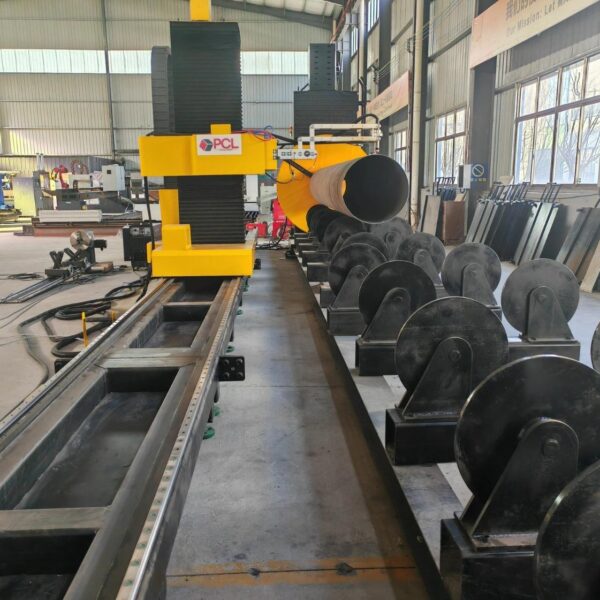
pipe plasma cutting machine
-
LFH 4020 Fiber Laser Cutting Machine
-
LFP4020
-
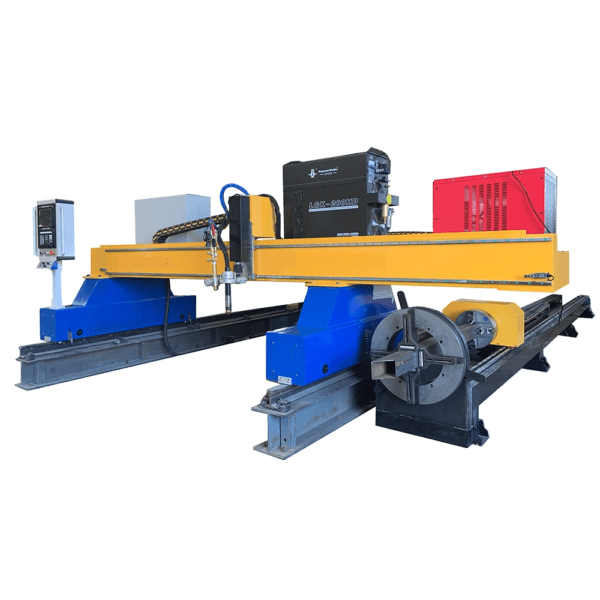
gantry plasma air cutting machine
-
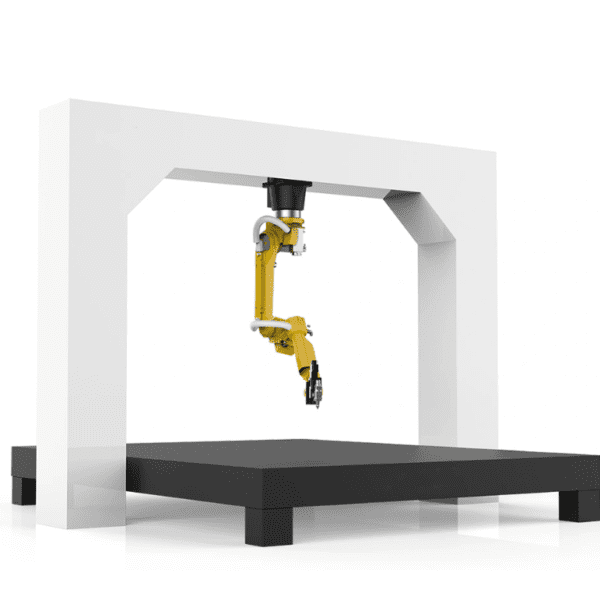
3D robot cutting machine
-
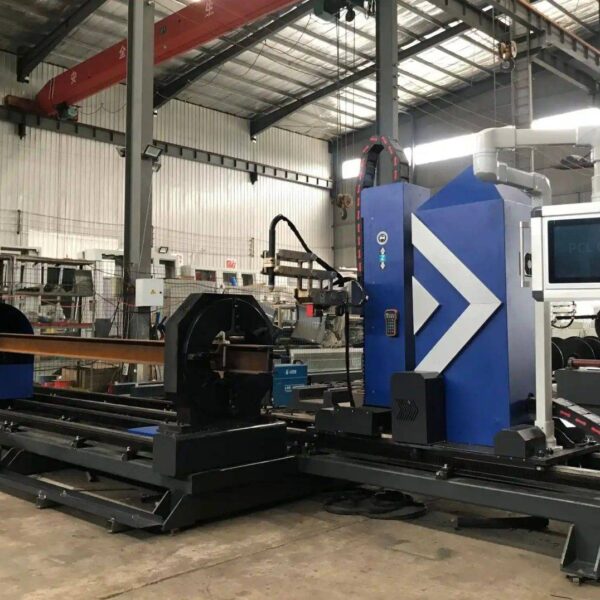
8 axis plasma cutting machine
-
5 axis plasma cutting machine
-

LT360 tube laser cutting machine
-
robot welding workstation
-
SF6060 fiber laser cutting machine
Advanced Fiber Laser Tube Processing Technology
Our CNC Fiber Laser Tube Cutting systems revolutionize metal fabrication by integrating high-precision cutting, punching, and profiling into a single automated workflow. Designed for versatility, this technology handles a wide array of profiles including Round, Square, Rectangular, and Oval tubes, as well as complex L-shaped and U-shaped channels.
- Precision Punching: High-speed hole punching with micron-level accuracy, eliminating the need for mechanical drilling or die-stamping.
- Complex Profiling: Advanced 3D pathing allows for intricate interlocking joints and specialized notch cuts, ideal for structural frames.
- High Material Efficiency: Intelligent nesting software minimizes scrap, reducing raw material costs across large production runs.
- Clean Finish: Delivers oxide-free, burr-free edges that require zero secondary grinding before welding.

Seamlessly processing multiple profiles with consistent precision.
Global Delivery & Logistics



From our high-tech manufacturing facility directly to your global site. PCL WeldCut ensures secure packaging, professional handling, and reliable international logistics to safeguard your equipment throughout the entire journey.