Precision Engineering: The Role of Fiber Lasers in Tank Fabrication
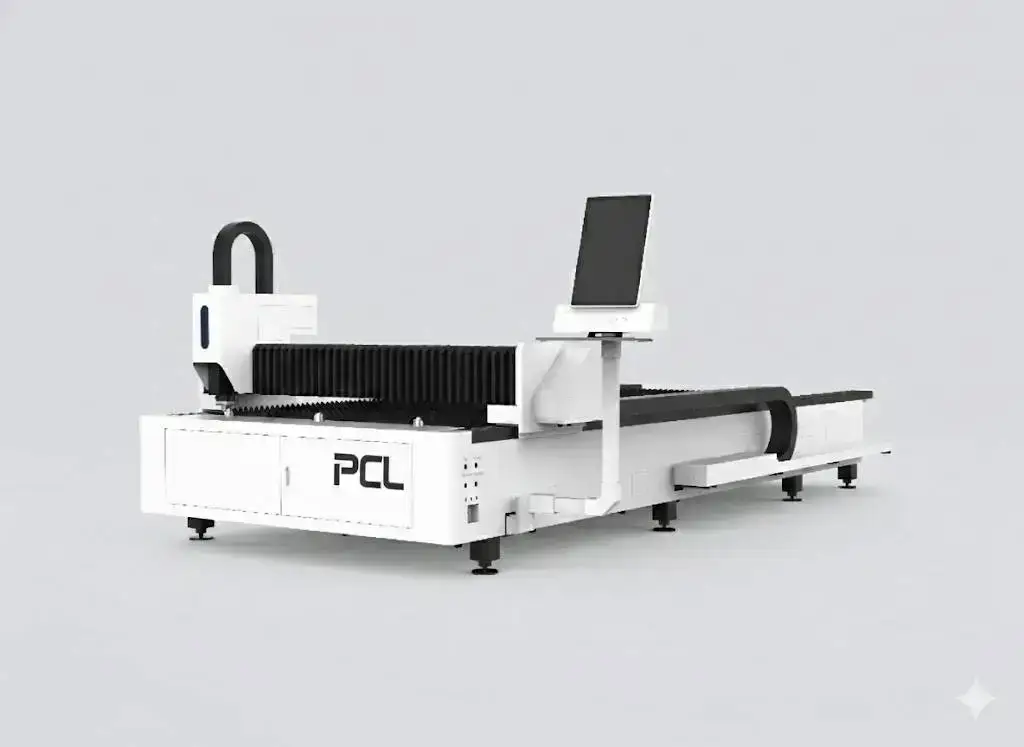
In the heavy industry landscape of oil and gas, the structural integrity of storage tanks and pressure vessels is non-negotiable. Traditional fabrication methods often struggle with the sheer scale and material thickness required for these components. However, the introduction of high-power Fiber Laser Cutting Machines has redefined the parameters of what is possible on the shop floor. Unlike legacy mechanical cutting, a fiber laser utilizes an active optical fiber to create a laser beam that is then delivered to the cutting head. This results in a beam with a significantly smaller focal diameter and higher intensity, allowing for high-precision tank fabrication that meets the most stringent international standards, such as ASME Section VIII.
Eliminating Post-Process Grinding Through Superior Edge Quality
One of the most significant cost drivers in tank manufacturing is the secondary processing of cut edges. Mechanical shearing or older thermal methods often leave behind dross, heavy oxidation, or a massive heat-affected zone (HAZ). Fiber laser technology operates at a wavelength of approximately 1.07 microns, which is absorbed more efficiently by carbon steel and stainless steel alloys. This efficiency translates into a narrow kerf width and a perpendicular cut edge that is virtually free of slag. Because the fiber laser produces such a clean finish, the need for manual grinding is entirely eliminated. For industrial engineers, this represents a massive reduction in man-hours and a streamlined workflow where components move directly from the cutting table to the fit-up stage.
The Integration of 3D Vision Positioning Systems
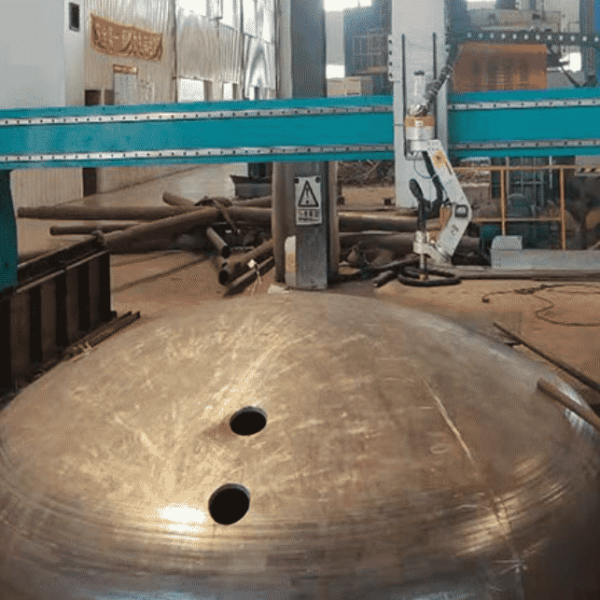
Large-scale oil and gas tanks are rarely perfect geometric cylinders. During the rolling or forming process, plates and dished ends often develop slight ovality or surface deviations. Standard 2D cutting programs cannot account for these physical inconsistencies, leading to misaligned nozzle holes or improper fit-ups. This is where 3D vision positioning becomes an essential asset. By utilizing high-resolution cameras and structured light sensors mounted on the laser head, the system performs a non-contact scan of the actual workpiece surface before the first pierces are made.
Compensating for Ovality and Surface Irregularities
The 3D vision system generates a real-time point cloud that represents the true topology of the tank shell or end cap. The machine’s control software then compares this point cloud against the original CAD model. If the tank is slightly deformed, the software dynamically adjusts the cutting path in five or six axes to ensure that every opening is cut normal to the surface. This level of adaptive control ensures that even if a tank shell is out-of-round by several centimeters, the fiber laser will still execute the cut with sub-millimeter accuracy. This prevents the costly “re-work” scenarios that often plague large-scale vessel assembly.
The Punch, Mark, and Cut Workflow
Modern fiber laser systems designed for the oil and gas sector are not just cutting tools; they are multi-functional processing centers. The automated nozzle cutting process is enhanced by the ability to perform three distinct operations in a single setup: punching (piercing), marking, and cutting.
The marking capability is particularly vital for traceability and assembly. The fiber laser can be de-tuned to etch heat numbers, part ID codes, and alignment markers directly onto the metal surface without compromising the material’s structural integrity. Following the marking phase, the high-pressure nitrogen or oxygen assist gas is engaged for the piercing and cutting phase. By combining these steps, the engineer ensures that every part is identified and ready for the next stage of production without the risk of human error or the need for separate labeling stations.
Optimizing Thermal Management and Material Integrity
The metallurgical properties of the steel used in oil and gas tanks, such as SA516 Grade 70, are sensitive to excessive heat input. Fiber lasers offer a high power density that allows for faster feed rates compared to other thermal processes. This speed minimizes the time the heat source is in contact with any single point on the plate, thereby reducing the depth of the heat-affected zone. By maintaining the base metal’s grain structure and preventing carbon precipitation in stainless steels, the fiber laser ensures that the vessel remains resistant to corrosion and fatigue over its operational lifespan.
Maximizing Throughput with Advanced Nesting and Automation
From an industrial engineering perspective, the efficiency of a fiber laser system is measured by its duty cycle and material utilization. Advanced nesting software integrated with the laser controller allows for the tightest possible arrangement of parts on a single sheet or shell. When dealing with expensive alloys used in high-pressure environments, reducing scrap by even 5% can result in significant annual savings. Furthermore, the fiber laser efficiency is bolstered by the lack of moving parts within the laser source itself, leading to higher uptime and lower maintenance requirements compared to CO2 alternatives.
Technical Conclusion for Industrial Implementation
The implementation of fiber laser cutting machines with 3D Vision positioning represents a fundamental shift toward “Industry 4.0” in the oil and gas sector. By leveraging the high precision of fiber optics, the adaptive capabilities of vision-based surface mapping, and the versatility of the punch-mark-cut workflow, manufacturers can achieve unprecedented levels of quality. The elimination of secondary grinding and the ability to compensate for geometric variances directly translates to a lower total cost of ownership and a more robust final product. As global demand for energy storage and processing continues to evolve, the adoption of these high-efficiency laser systems will be the defining factor for competitive advantage in heavy steel fabrication.
-
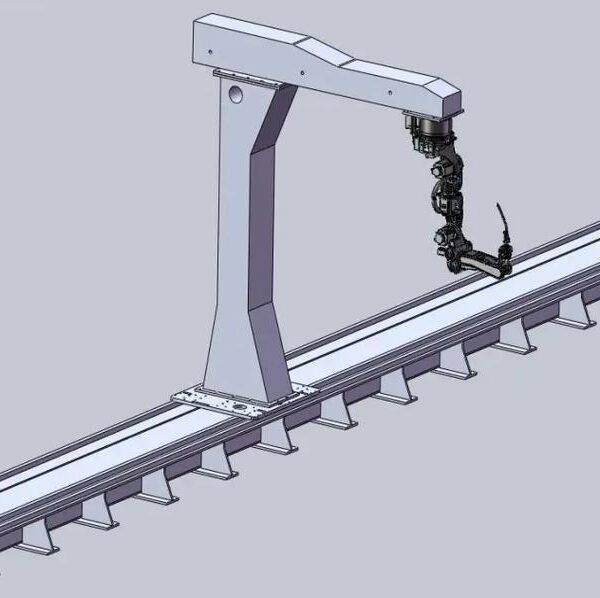

Cantilever Welding Robot solution
-
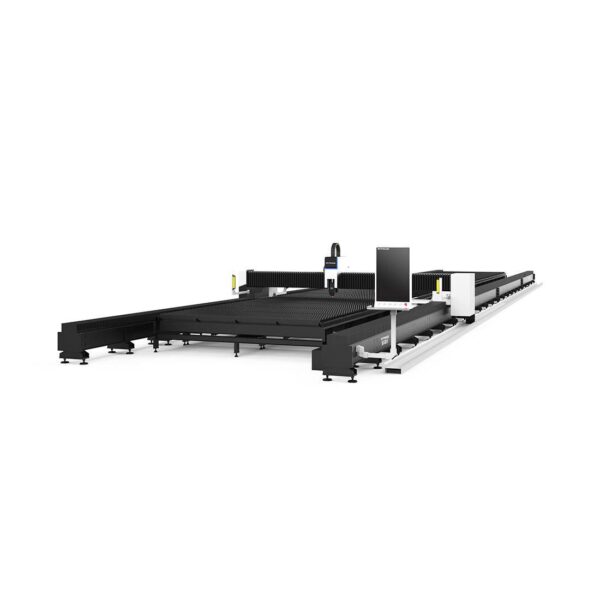

GF laser cutting machine
-
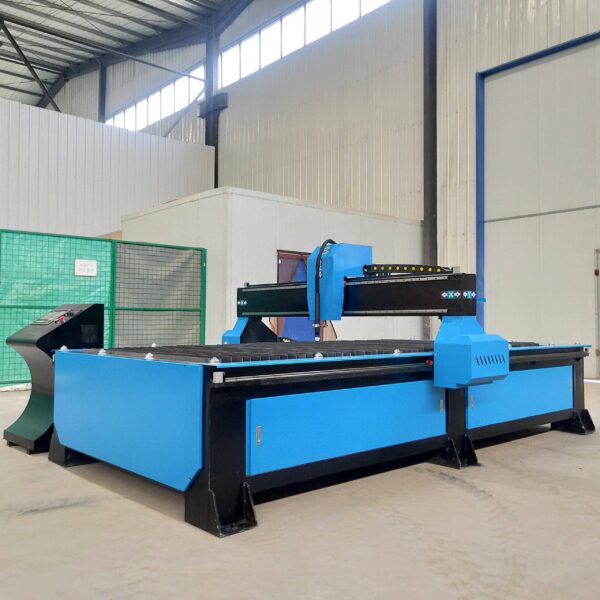
P3015 plasma cutting machine
-

LFP3015 Fiber Laser Cutter
-
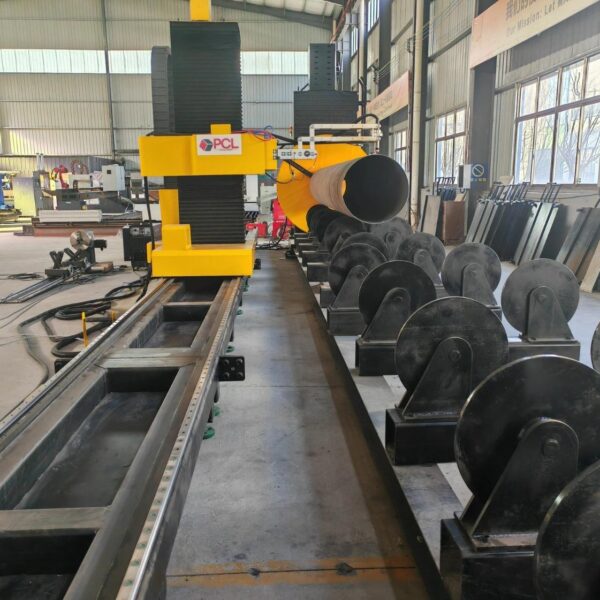
pipe plasma cutting machine
-
LFH 4020 Fiber Laser Cutting Machine
-
LFP4020
-
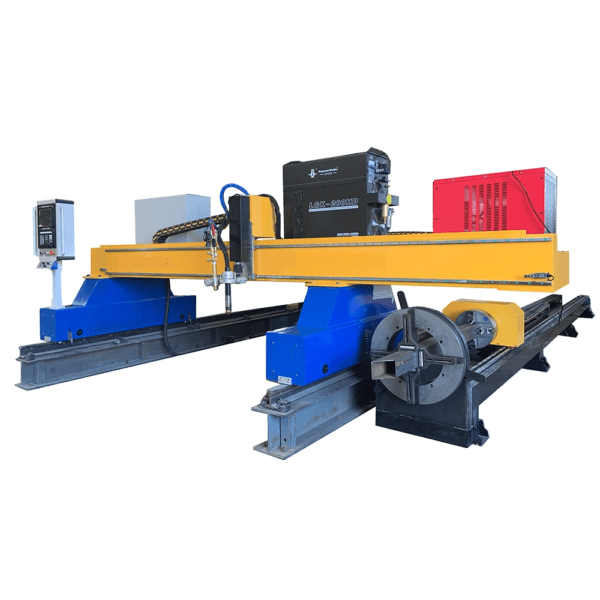
gantry plasma air cutting machine
-
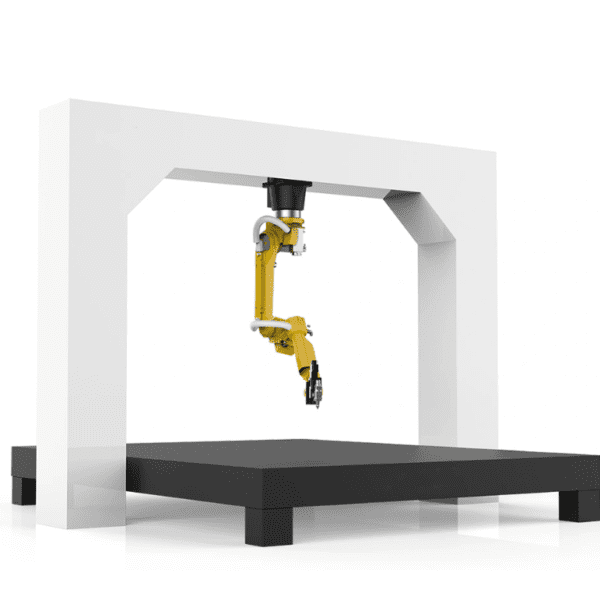
3D robot cutting machine
-
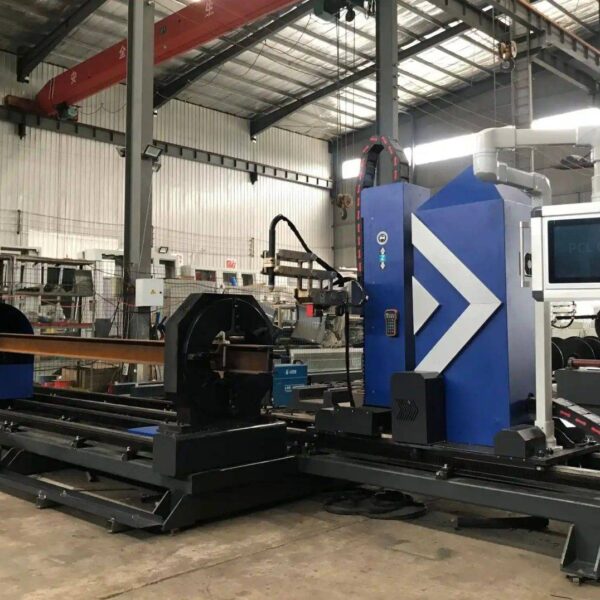
8 axis plasma cutting machine
-
5 axis plasma cutting machine
-

LT360 tube laser cutting machine
-
robot welding workstation
-
SF6060 fiber laser cutting machine
Advanced Fiber Laser Tube Processing Technology
Our CNC Fiber Laser Tube Cutting systems revolutionize metal fabrication by integrating high-precision cutting, punching, and profiling into a single automated workflow. Designed for versatility, this technology handles a wide array of profiles including Round, Square, Rectangular, and Oval tubes, as well as complex L-shaped and U-shaped channels.
- Precision Punching: High-speed hole punching with micron-level accuracy, eliminating the need for mechanical drilling or die-stamping.
- Complex Profiling: Advanced 3D pathing allows for intricate interlocking joints and specialized notch cuts, ideal for structural frames.
- High Material Efficiency: Intelligent nesting software minimizes scrap, reducing raw material costs across large production runs.
- Clean Finish: Delivers oxide-free, burr-free edges that require zero secondary grinding before welding.

Seamlessly processing multiple profiles with consistent precision.
Global Delivery & Logistics



From our high-tech manufacturing facility directly to your global site. PCL WeldCut ensures secure packaging, professional handling, and reliable international logistics to safeguard your equipment throughout the entire journey.