Optimization of LNG Fabrication via Advanced Fiber Laser Integration
The global demand for Liquefied Natural Gas (LNG) necessitates the construction of massive storage tanks, cryogenic heat exchangers, and complex regasification facilities. From an industrial engineering perspective, the manufacturing bottleneck often resides in the preparation of heavy-gauge plates and specialized piping. Traditional mechanical methods fail to meet the stringent tolerances required for cryogenic service. The implementation of Fiber Laser Cutting technology, enhanced by 3D vision-guided systems, addresses these challenges by providing a high-velocity, high-precision solution that fundamentally alters the production lifecycle.
Fiber lasers operate at a wavelength of approximately 1.064 microns, allowing for a focused spot size that is significantly smaller than CO2 alternatives. In the context of LNG infrastructure, where materials such as 9% Nickel steel are prevalent due to their toughness at sub-zero temperatures, the laser’s power density ensures a clean vaporization of the material with a minimal heat-affected zone (HAZ). This characteristic is critical; maintaining the metallurgical properties of the base metal is a non-negotiable safety requirement for high-pressure cryogenic vessels.
The Role of 3D Vision Positioning in Large-Scale Components
LNG projects involve massive structural components that often suffer from material deformation, “spring-back,” or slight deviations in plate flatness. Standard 2D cutting systems are incapable of adjusting for these spatial inconsistencies, leading to dimensional inaccuracies. 3D Vision positioning solves this by utilizing industrial-grade cameras and laser sensors to create a real-time spatial map of the workpiece. This data is fed into the CNC controller, which dynamically adjusts the cutting path and focal height.
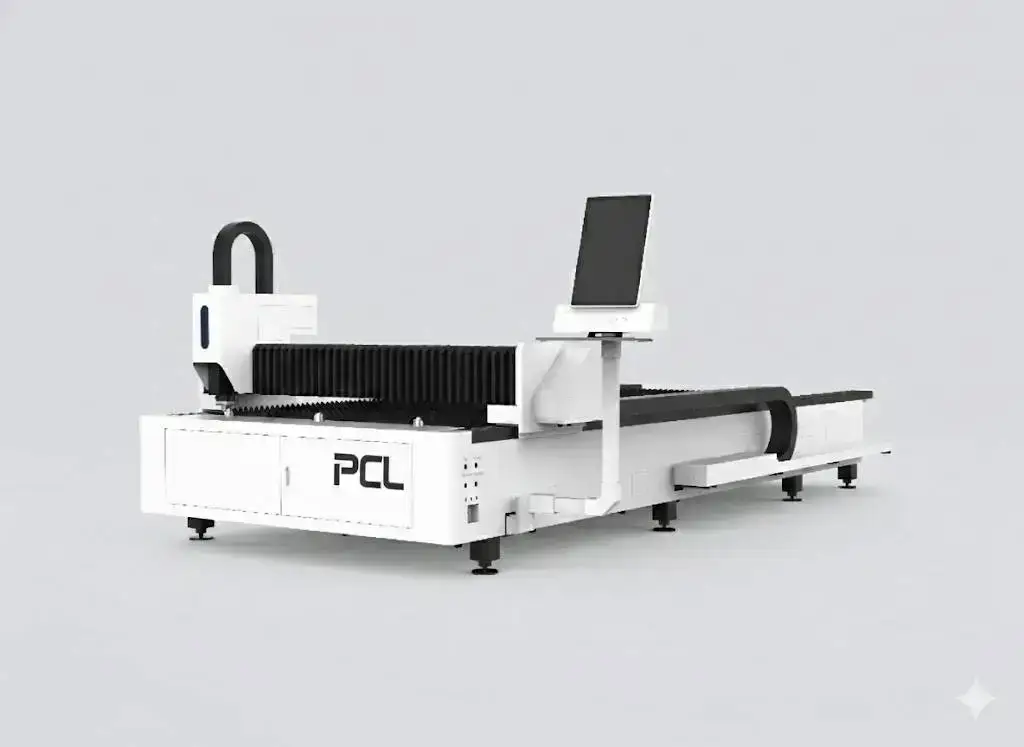
The vision system employs active triangulation or photogrammetry to detect the exact location of the workpiece on the cutting bed. If a plate is skewed by even a fraction of a degree, the system recalculates the coordinate transformation matrix in milliseconds. This level of automation eliminates the need for manual alignment and physical edge-finding, significantly reducing the “idle time” between cycles. In an industry where specialized alloys are exceptionally expensive, the reduction of scrap through precise positioning directly impacts the bottom line.
Consolidated Workflow: Punching, Marking, and Cutting
Efficiency in LNG fabrication is measured by the number of touches per part. A fiber laser machine equipped with specialized software can perform three distinct operations in a single setup: punching (piercing), marking (traceability), and final cutting. The “punching” phase involves high-pressure piercing with modulated pulse frequencies to ensure a clean entry point without spatter. This is followed by laser marking, where the system etches heat numbers, part IDs, and assembly guides directly onto the metal surface.
Marking for traceability is a regulatory requirement for LNG Projects. Traditional methods like stamping or ink-jetting are either too slow or prone to erasure during subsequent handling. Laser marking provides a permanent, high-contrast identification that survives harsh shipyard environments. Finally, the cutting process proceeds at high speed, utilizing nitrogen or oxygen as assist gases depending on the material thickness and desired edge finish. By consolidating these steps, manufacturers eliminate the logistical complexity of moving massive plates between different work centers.
Eliminating Secondary Grinding for Immediate Assembly
One of the most significant cost drivers in heavy engineering is the labor-intensive process of secondary grinding. Mechanical cutting or lower-quality thermal processes leave dross and slag that must be removed manually before parts can be fit together. A high-power fiber laser, however, produces a dross-free edge with a surface roughness (Ra) that often meets or exceeds the requirements for immediate assembly. The high beam quality (low M2 factor) ensures that the kerf remains narrow and the walls are perfectly vertical.
From a lean manufacturing standpoint, the “no grinding” advantage removes a non-value-added step. In LNG tank construction, where miles of plate edges must be prepared, the cumulative savings in man-hours are staggering. Furthermore, the absence of mechanical grinding eliminates the risk of surface contamination from abrasive materials, which is a vital consideration when working with stainless steels intended for corrosive environments.
Technical Specifications and Power Density Requirements
For LNG-specific materials, power density is the primary metric of performance. A 12kW or 15kW fiber laser source provides the necessary energy to maintain high feed rates on 20mm to 40mm thick plates. The laser head typically features an auto-focusing lens with a rapid response time, allowing it to maintain the optimal focal point relative to the 3D-scanned surface profile. High-pressure cutting heads are designed to handle the gas flow dynamics required to eject molten metal from the kerf cleanly at these thicknesses.
Furthermore, the motion system of the machine must match the precision of the laser. Linear motor drives are often preferred over rack-and-pinion systems to ensure sub-millimeter repeatability over large work areas (sometimes exceeding 20 meters in length). When combined with 3D vision, the system can compensate for thermal expansion of the machine bed itself during long production runs, ensuring that the first part of the day is identical to the last.
Nesting Efficiency and Material Utilization
Industrial engineers focus heavily on material utilization (buy-to-fly ratio). Advanced nesting algorithms integrated with the fiber laser’s control system allow for “common line cutting,” where two parts share a single cut path. This reduces the total path length and gas consumption while maximizing the number of parts extracted from a single sheet of expensive alloy. Because the 3D vision system identifies the exact usable area of a remnant plate, the software can automatically nest small components into the irregular voids of previous jobs, further reducing waste.
Conclusion: The Future of Cryogenic Fabrication
The integration of 3D vision with fiber laser technology represents a paradigm shift for the LNG sector. By moving away from manual setup and secondary processing, facilities can increase their throughput by 40% or more. The precision of the laser ensures that every component fits perfectly during the final assembly of complex regasification modules or storage spheres, reducing the “rework” rate to nearly zero. As LNG projects grow in scale and complexity, the adoption of these high-precision automated systems is no longer a luxury but a requirement for remaining competitive in a global market.
-
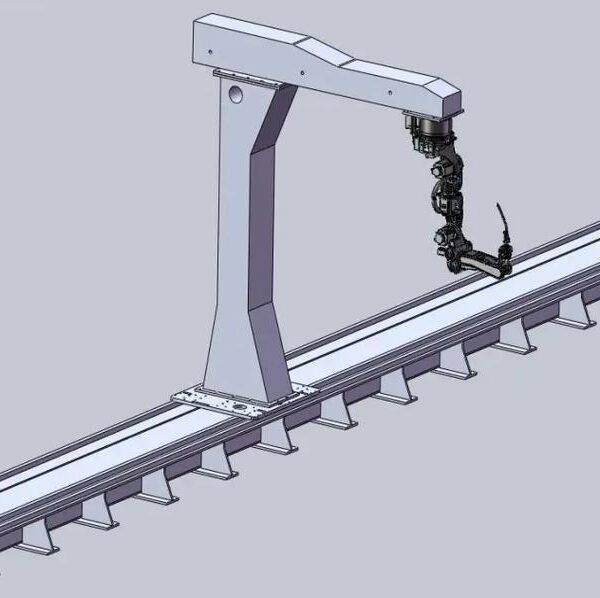

Cantilever Welding Robot solution
-
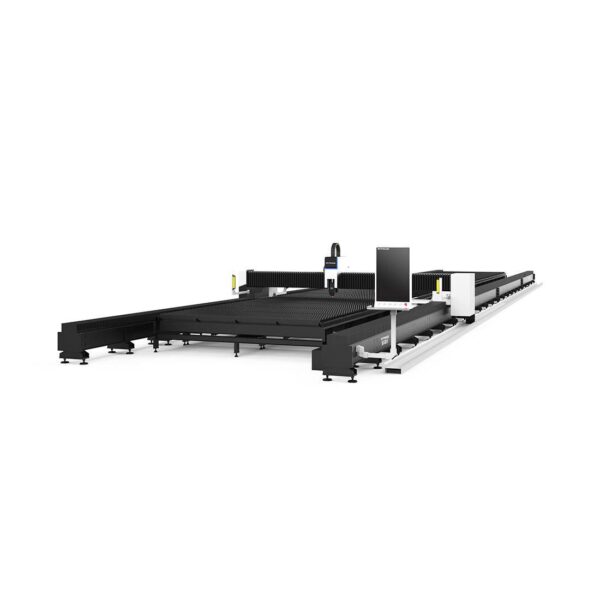

GF laser cutting machine
-
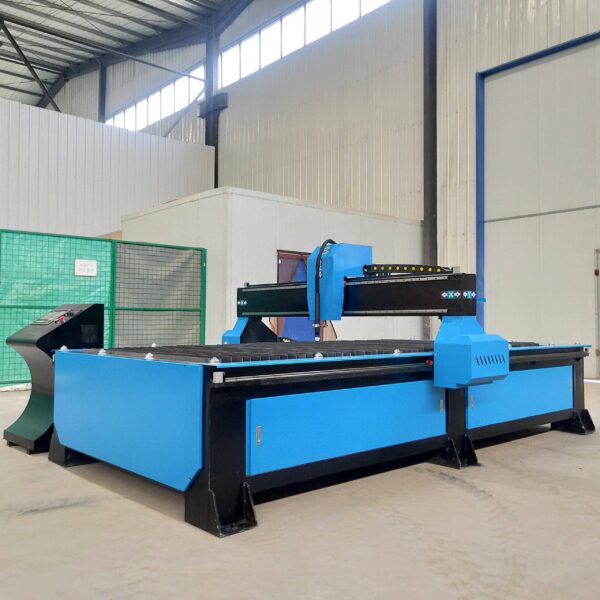
P3015 plasma cutting machine
-

LFP3015 Fiber Laser Cutter
-

pipe plasma cutting machine
-
LFH 4020 Fiber Laser Cutting Machine
-
LFP4020
-
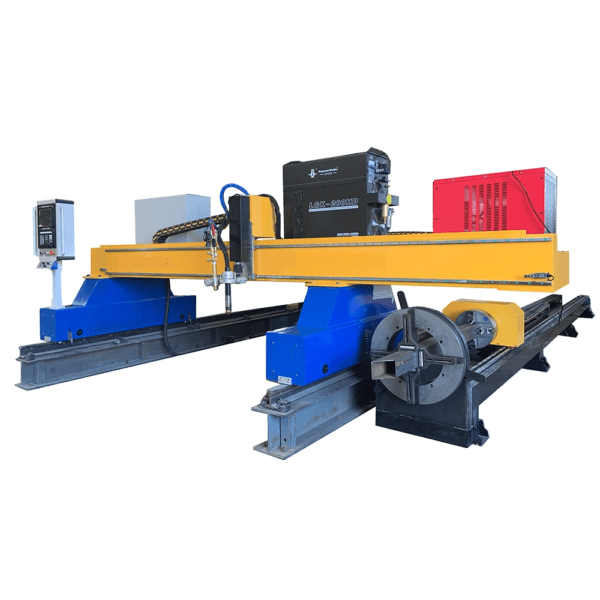
gantry plasma air cutting machine
-
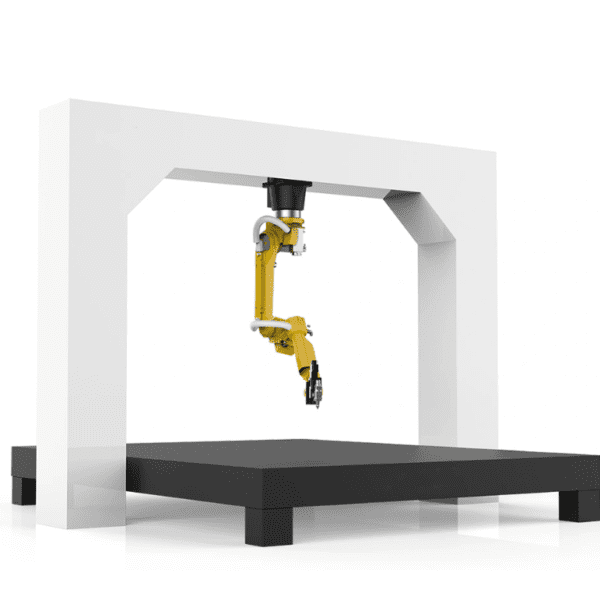
3D robot cutting machine
-
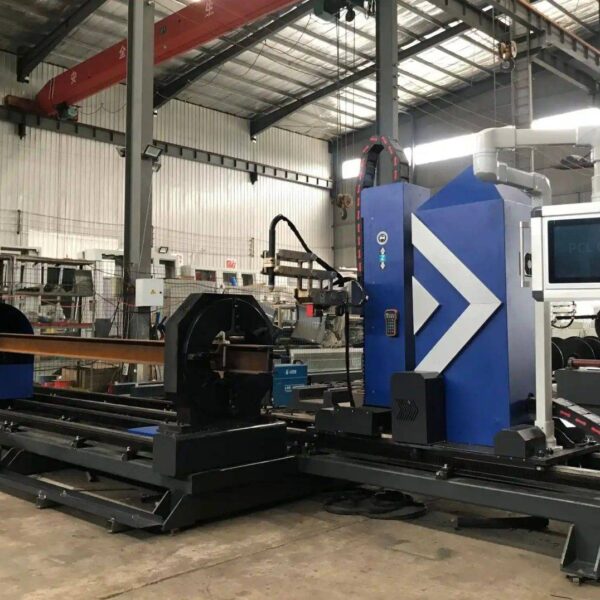
8 axis plasma cutting machine
-
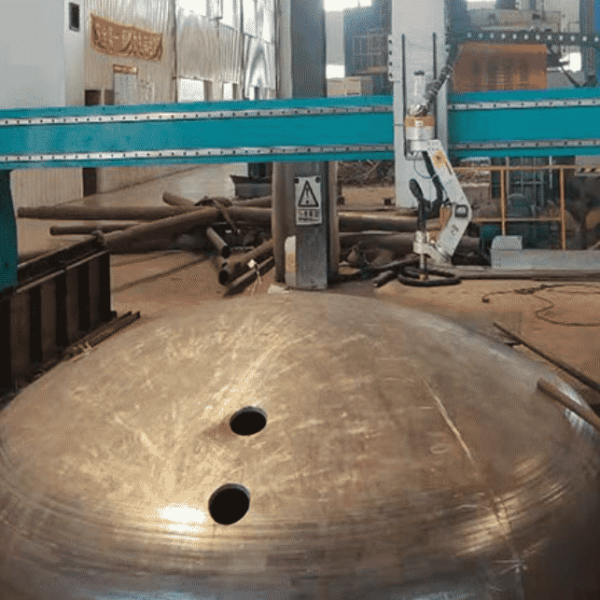
5 axis plasma cutting machine
-

LT360 tube laser cutting machine
-
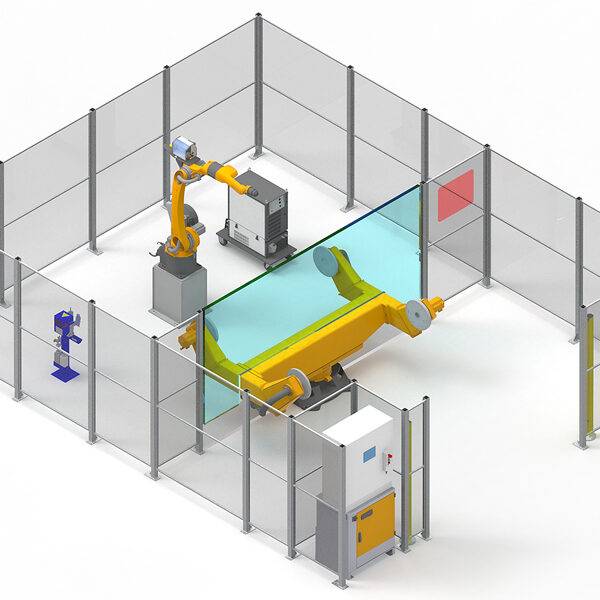
robot welding workstation
-
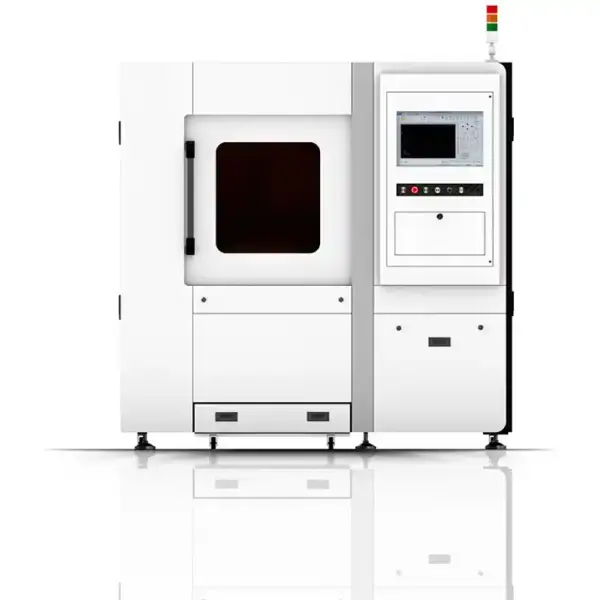
SF6060 fiber laser cutting machine
Advanced Fiber Laser Tube Processing Technology
Our CNC Fiber Laser Tube Cutting systems revolutionize metal fabrication by integrating high-precision cutting, punching, and profiling into a single automated workflow. Designed for versatility, this technology handles a wide array of profiles including Round, Square, Rectangular, and Oval tubes, as well as complex L-shaped and U-shaped channels.
- Precision Punching: High-speed hole punching with micron-level accuracy, eliminating the need for mechanical drilling or die-stamping.
- Complex Profiling: Advanced 3D pathing allows for intricate interlocking joints and specialized notch cuts, ideal for structural frames.
- High Material Efficiency: Intelligent nesting software minimizes scrap, reducing raw material costs across large production runs.
- Clean Finish: Delivers oxide-free, burr-free edges that require zero secondary grinding before welding.

Seamlessly processing multiple profiles with consistent precision.
Global Delivery & Logistics



From our high-tech manufacturing facility directly to your global site. PCL WeldCut ensures secure packaging, professional handling, and reliable international logistics to safeguard your equipment throughout the entire journey.