Fiber Laser Cutting Machine with 3D Vision positioning for Construction Machinery
In this article
- Optimizing Construction Machinery Fabrication via 3D Vision Fiber Laser Systems
- The Role of 3D Vision in Spatial Compensation
- Integrated Processing: Punching, Marking, and Cutting
- Technical Advantages for Heavy Industry Materials
- Operational Efficiency and Return on Investment
- Conclusion: The Future of Heavy Fabrication
Optimizing Construction Machinery Fabrication via 3D Vision Fiber Laser Systems
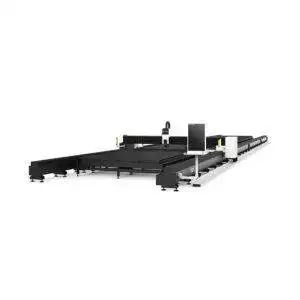
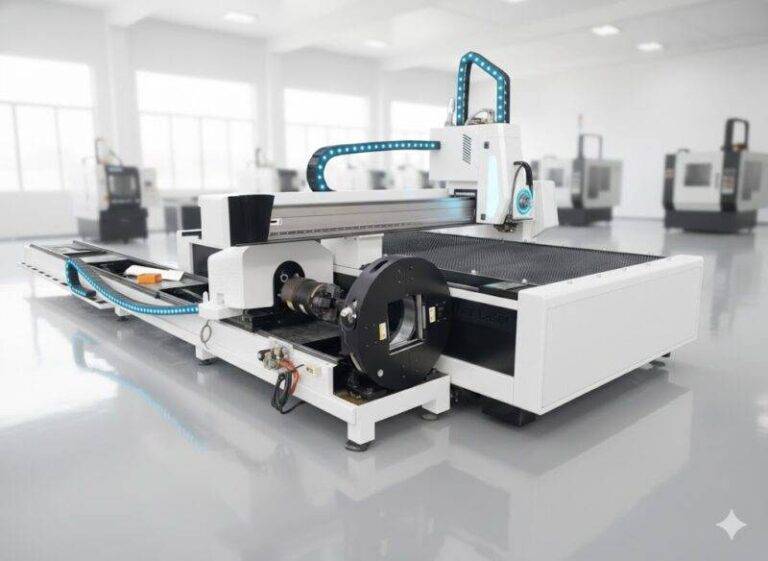
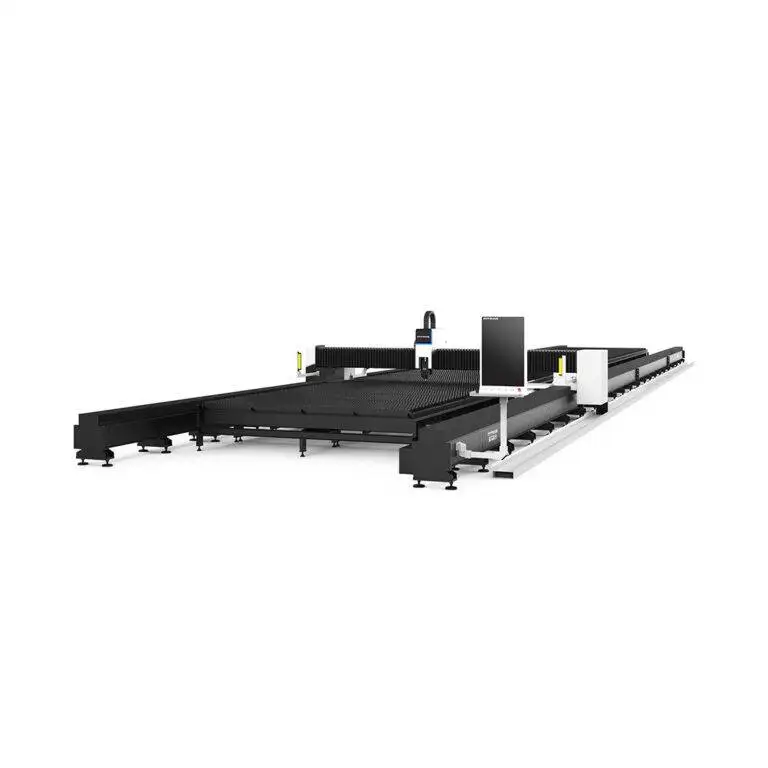
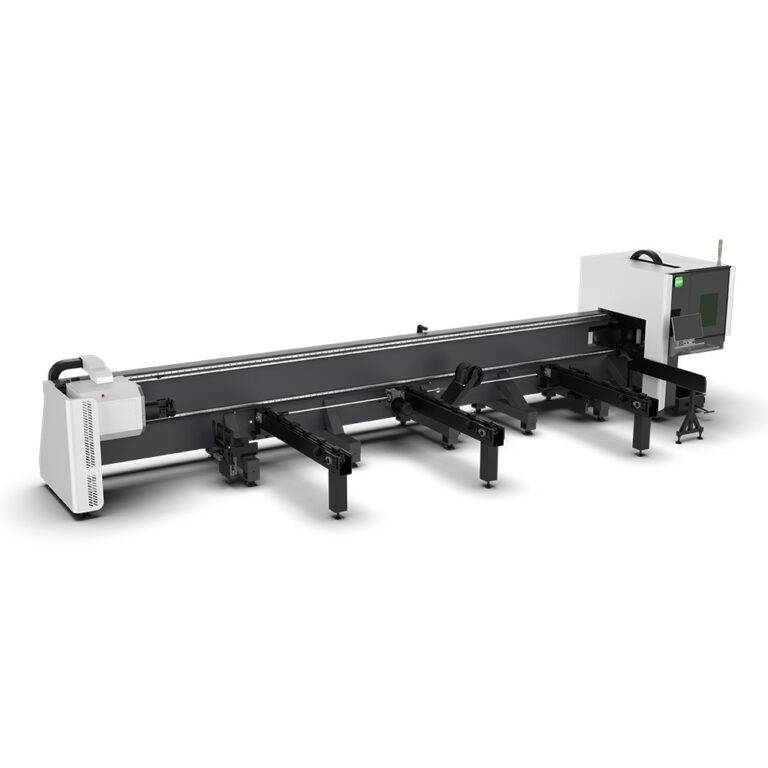
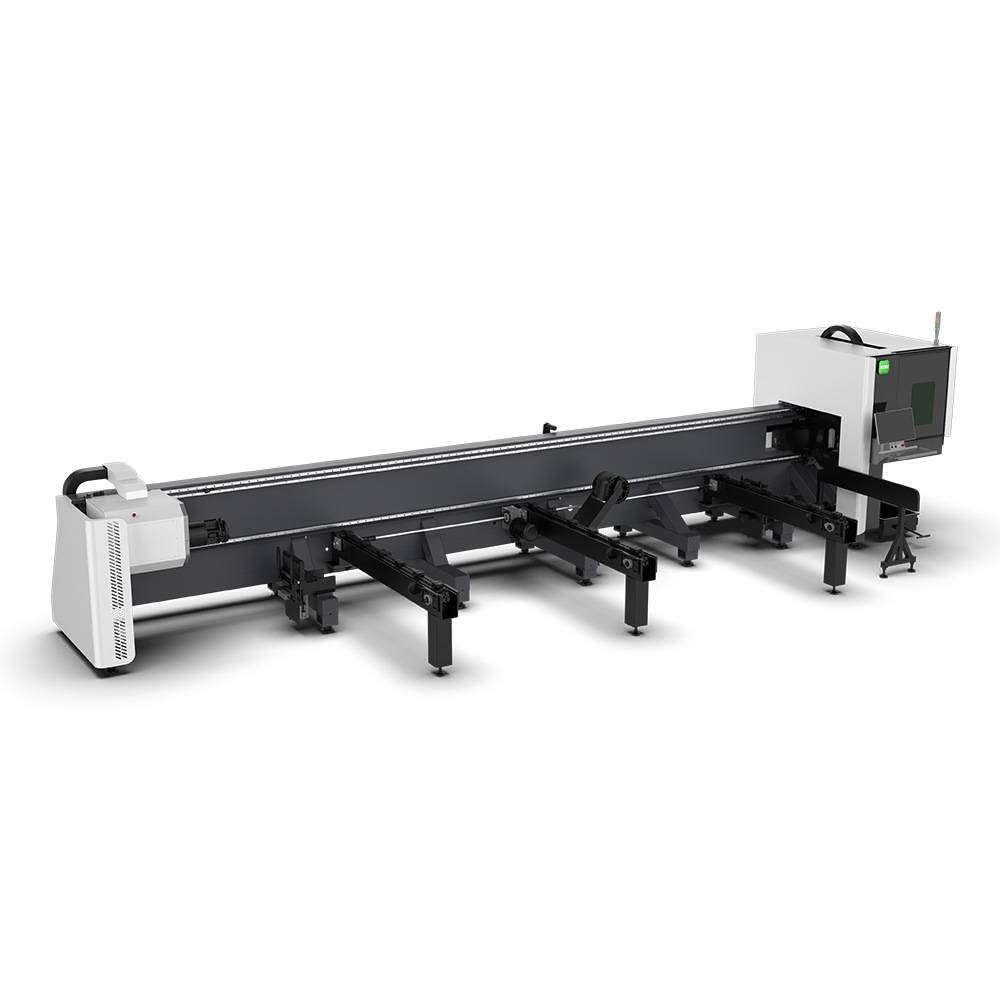
The manufacturing landscape for Construction Machinery—encompassing excavators, loaders, and mobile cranes—is undergoing a significant shift toward higher structural integrity and tighter dimensional tolerances. As the industry moves toward high-strength, low-alloy (HSLA) steels to reduce weight while maintaining load-bearing capacity, traditional thermal cutting methods often fall short of required precision. The Fiber Laser Cutting Machine equipped with 3D Vision positioning represents the current technological zenith for these applications, offering a synchronized solution for complex geometries and large-format workpieces.
The Role of 3D Vision in Spatial Compensation
In the fabrication of heavy machinery, components are frequently large, heavy, and susceptible to minor structural deformations during transport or previous forming stages. Traditional 2D laser cutting relies on the assumption that the material lies perfectly flat on the cutting bed. However, for 3D-formed parts or large plates with inherent camber, this leads to significant kerf deviation and dimensional inaccuracies.
3D vision positioning systems utilize industrial cameras and laser line sensors to create a high-density point cloud of the workpiece surface. This data is processed in real-time to adjust the laser head’s trajectory. By calculating the exact spatial coordinates and orientation of the workpiece, the system compensates for physical variations, ensuring that the cutting path remains perpendicular to the material surface and aligned with the CAD design. This eliminates the “set-up” bottleneck where operators previously spent hours manually aligning heavy plates.
Integrated Processing: Punching, Marking, and Cutting
One of the primary throughput inhibitors in construction machinery plants is the movement of parts between different work centers. A 3D Vision positioning fiber laser machine consolidates three distinct operations into a single automated cycle, drastically reducing the internal logistics overhead.
High-Precision Punching and Hole Cutting
Fiber lasers provide the beam quality necessary to produce small-diameter holes in thick plates with a 1:1 ratio or better. Unlike mechanical drilling, the laser process is non-contact, avoiding tool wear and mechanical stress on the workpiece. The 3D vision system ensures that hole patterns are perfectly centered on structural ribs or pre-formed flanges, meeting the strict requirements for bolt-together assemblies without the need for manual reaming.
Automated Part Marking and Traceability
Traceability is critical in the heavy machinery sector for quality assurance and maintenance. The fiber laser can be modulated to perform high-speed surface marking. This includes etching part numbers, QR codes, or assembly lines directly onto the component during the cutting cycle. Because this is performed in the same coordinate system as the cut, the positioning of these marks is exact, aiding downstream robotic assembly or manual fitting processes.
Final Profile Cutting with Zero Secondary Grinding
The high power density of a fiber laser results in a narrow Heat Affected Zone (HAZ) and a clean, dross-free edge. In the context of construction machinery, where edges are often subjected to high fatigue loads, the quality of the cut is paramount. The precision of the Fiber Laser Cutting process produces an edge that requires no secondary grinding. Parts move directly from the cutting bed to the next assembly stage, representing a significant reduction in labor hours and consumable costs associated with abrasive grinding wheels.
Technical Advantages for Heavy Industry Materials
Construction equipment utilizes specialized steels such as Q345B, Q460, and even higher yield strength materials like Hardox. These materials react differently to thermal inputs. The fiber laser’s 1.06-micron wavelength is highly absorbed by these metals, allowing for faster feed rates compared to CO2 lasers and higher precision than other thermal methods.
Management of Thermal Distortion
By using 3D vision to monitor the plate during the cut, the system can dynamically adjust for thermal expansion. As the laser introduces heat, the plate expands slightly. The vision system detects this shift in real-time, adjusting the nesting coordinates to maintain part geometry. This level of control is essential when cutting long structural members, such as crane boom sections, where a 1mm deviation over 10 meters can lead to assembly failure.
Optimized Kerf Control
The narrow kerf of the fiber laser allows for tighter nesting of parts, increasing material utilization rates. When combined with vision-guided edge-seeking, the machine can cut closer to the plate boundaries than was previously possible. For heavy-duty manufacturers, a 3% to 5% improvement in material nesting translates to substantial annual cost savings given the price of specialized steel.
Operational Efficiency and Return on Investment
From an industrial engineering perspective, the implementation of a 3D vision-guided fiber laser system is justified through the lens of Total Cost of Ownership (TCO) and Overall Equipment Effectiveness (OEE). The reduction in manual intervention directly impacts the “Performance” and “Quality” metrics of OEE.
- Reduction in Labor Costs: The automated alignment and the elimination of secondary finishing reduce the man-hours required per ton of processed steel.
- Higher Throughput: Faster cutting speeds and the consolidation of punching/marking/cutting into a single station increase the daily output of the fabrication line.
- Lower Rejection Rates: 3D vision ensures that even deformed or slightly warped plates are cut according to specification, reducing scrap and rework.
- Simplified Maintenance: Fiber lasers have no internal moving parts or mirrors in the light generation source, leading to higher uptime compared to legacy laser technologies.
Conclusion: The Future of Heavy Fabrication
The integration of 3D vision into fiber laser cutting platforms is no longer a luxury but a necessity for construction machinery manufacturers aiming for global competitiveness. The ability to perform High precision cutting, punching, and marking on a single machine, while automatically compensating for material irregularities, addresses the core challenges of heavy fabrication. By removing the need for grinding and manual layout, these systems provide a streamlined, data-driven approach to production that aligns with the principles of Industry 4.0. As material science continues to evolve, the flexibility and precision of vision-guided fiber lasers will remain the cornerstone of efficient, high-quality machinery manufacturing.