Field Report: Implementing Water-Cooled MAG Cobot Welder Systems in Birmingham’s Industrial Sector
1. Introduction and Scope of Site Visit
This report details the technical implementation and performance evaluation of a water-cooled MAG Cobot Welder at a mid-sized fabrication facility in Birmingham, UK. The facility, specializing in HVAC and structural piping, has recently transitioned from manual Metal Active Gas (MAG) operations to collaborative automation to address a backlog in Galvanized Pipe welding projects.
The primary objective was to integrate high-duty cycle automation into an existing workflow without the footprint of traditional industrial robotics. As a senior engineer, my focus was on the synergy between the hardware and the overarching Arc Welding Solutions required to manage the metallurgical challenges inherent in galvanized coatings.
2. The Birmingham Context: Legacy Skills Meets Modern Automation
Birmingham remains the heart of UK manufacturing, but the local labor market is currently experiencing a shortage of Grade-A coders. The introduction of the MAG Cobot Welder is not merely a technological upgrade; it is a strategic necessity. In the West Midlands industrial landscape, “Arc Welding Solutions” must be versatile. The shop floor environment here often deals with fluctuating ambient temperatures and varying material qualities, requiring a system that offers both precision and ruggedness.
Unlike traditional fixed-cell robots, the cobot was deployed directly onto the existing shop floor alongside manual welders. This proximity necessitated a water-cooled torch configuration to handle the 100% duty cycle required for continuous circumferential seams on 4-inch galvanized tubing.
3. Technical Analysis of the Water-Cooled MAG Cobot Welder
3.1 Thermal Management and Duty Cycle
In high-volume Galvanized Pipe welding, heat build-up in the torch is a significant failure point. We opted for a water-cooled 500A rated torch integrated with the cobot arm. This allowed for sustained arc-on times of over 15 minutes during complex multi-pass sequences without risking contact tip recessing or liner degradation.

3.2 Motion Control and Path Repeatability
The MAG Cobot Welder utilizes a high-resolution encoder system. During the Birmingham trials, we observed a path repeatability of +/- 0.05mm. For galvanized materials, this precision is vital. Because the zinc coating must be “boiled off” ahead of the weld pool, the travel speed must be slower than on mild steel but perfectly consistent to prevent burn-through or excessive slag inclusion.
4. Solving the Galvanized Pipe Welding Dilemma
4.1 Metallurgical Challenges
Galvanized Pipe welding presents a unique challenge: the zinc coating vaporizes at 906°C, while the steel melts at approximately 1,500°C. If the zinc vapor is trapped in the solidifying weld pool, it results in macro-porosity and “wormholes.”
4.2 Parameter Optimization
Our Arc Welding Solutions for this site involved a specific pulse-on-pulse wave profile. By using a “zinc-burn” phase in the arc logic, we successfully evacuated the zinc vapors before the filler metal fused with the base substrate.
- Wire Selection: 1.2mm silicon-bronze or high-silicon ER70S-6 wire.
- Gas Mixture: 92% Argon / 8% CO2 to stabilize the arc while maintaining enough heat for zinc clearance.
- Cobot Programming: We implemented a slight “weave” pattern (2mm amplitude, 1.5Hz frequency) to allow the weld pool to remain fluid longer, facilitating gas escape.
5. Synergy: MAG Cobot Welder and Arc Welding Solutions
The term “Arc Welding Solutions” is often used loosely, but in this Birmingham facility, it refers to the holistic integration of the power source, the gas delivery, the fume extraction, and the cobot’s motion. The synergy is found in the software-hardware handshake.
When the MAG Cobot Welder is paired with an intelligent power source, the “solution” becomes proactive. For instance, the system monitors arc voltage in real-time. If the zinc vapor causes a momentary arc instability, the cobot’s adaptive logic adjusts the torch standoff distance (CTWD) to compensate. This level of intervention is impossible for a manual welder to sustain over an 8-hour shift, particularly when dealing with the toxic fumes generated by galvanized coatings.
6. Lessons Learned from the Field
6.1 Fume Extraction is Non-Negotiable
In the Birmingham workshop, the concentration of zinc oxide (white smoke) was a primary safety concern. The MAG Cobot Welder allowed us to use on-torch extraction. Because the cobot moves with mechanical steadiness, the extraction nozzle could be positioned closer to the arc than a manual welder could tolerate, capturing 95% of particulates at the source.
6.2 Spatter Management
Galvanized welding is notoriously messy. We learned that using a ceramic anti-spatter spray on the cobot’s water-cooled nozzle was insufficient. We had to program a “nozzle clean” cycle every five pipes. The cobot would move to a reaming station, clear the shroud, and apply fresh anti-spatter. This automated maintenance is what differentiates a successful Arc Welding Solution from a failed experiment.
6.3 The “Lead-Through” Programming Advantage
The Birmingham staff were veteran manual welders with limited coding experience. The “lead-through” teaching of the MAG Cobot Welder—where the welder physically moves the arm to the start and end points—bridged the skill gap. Within four hours, a manual welder was able to program a circular weld on a 6-inch pipe flange.
7. Quantitative Results
After three weeks of implementation, the following data was recorded:
- Defect Rate: Porosity in Galvanized Pipe welding dropped from 12% (manual) to 1.5% (cobot).
- Throughput: A 40% increase in pipes completed per shift due to the 100% duty cycle of the water-cooled system.
- Consumable Life: Contact tip life increased by 200% due to the stable CTWD and efficient water cooling.
8. Integration of Arc Welding Solutions in Legacy Environments
One challenge unique to older Birmingham industrial units is the electrical noise and power fluctuations. The MAG Cobot Welder required a dedicated stabilized power feed. We found that “Arc Welding Solutions” must include a site-wide assessment of the electrical infrastructure. Fluctuations in the grid resulted in minor “stuttering” in the cobot’s arm movement, which was resolved by installing an isolation transformer.
9. Conclusion
The deployment of the water-cooled MAG Cobot Welder in Birmingham has proven that high-tech automation can thrive in traditional fabrication settings. By focusing on the specific requirements of Galvanized Pipe welding—namely thermal management and precise travel speeds—we have moved beyond simple “robotics” into a comprehensive Arc Welding Solution.
The lesson for senior engineers is clear: the hardware (the cobot) is only as good as the process knowledge (the welding parameters). Success lies in the intersection of metallurgical understanding and robotic precision. For the Birmingham site, this has resulted in higher quality, better safety, and a workforce that is now “up-skilled” for the next decade of manufacturing.
End of Report
Author: Senior Welding Engineer, Site Operations
Location: Birmingham, UK
Date: October 2023
-
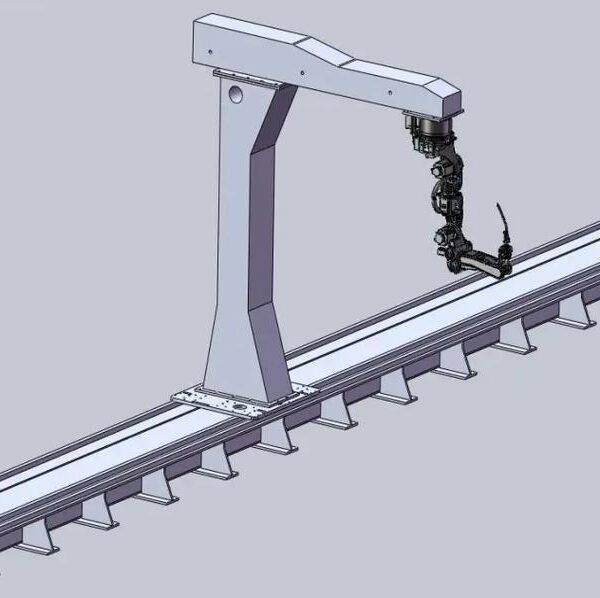

Cantilever Welding Robot solution
-
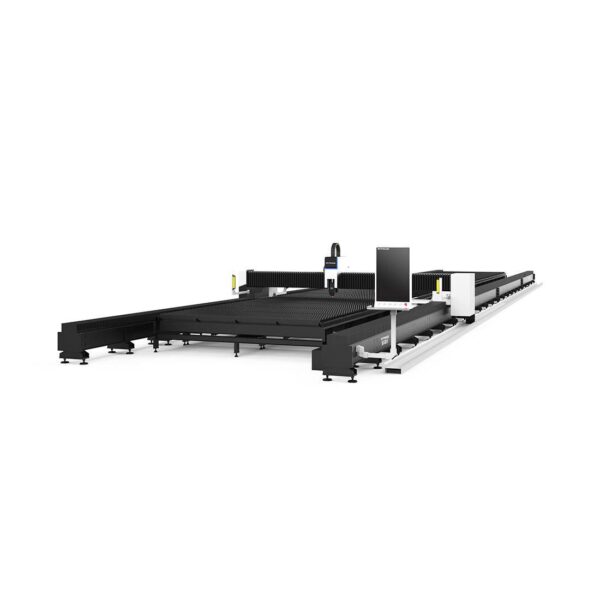

GF laser cutting machine
-
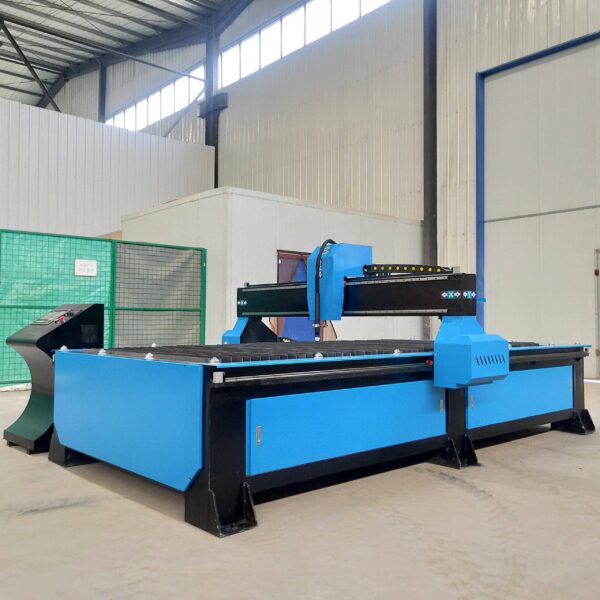
P3015 plasma cutting machine
-

LFP3015 Fiber Laser Cutter
-
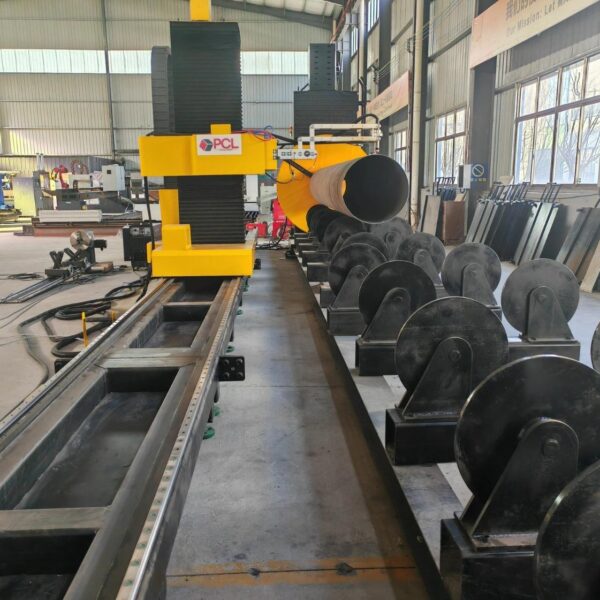
pipe plasma cutting machine
-
LFH 4020 Fiber Laser Cutting Machine
-
LFP4020
-
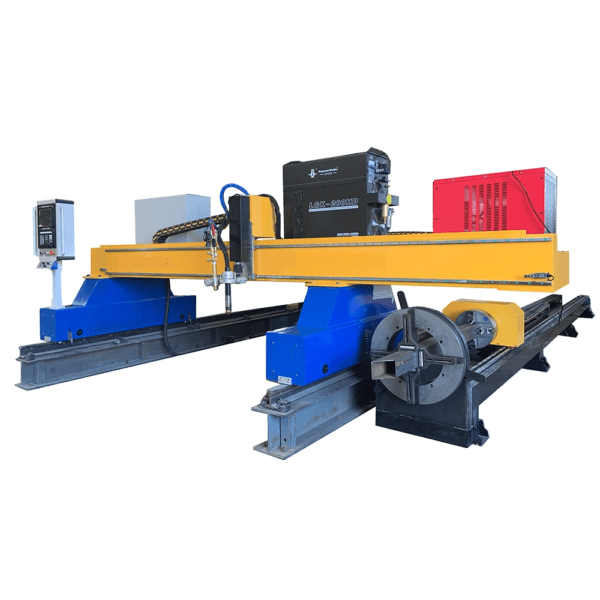
gantry plasma air cutting machine
-
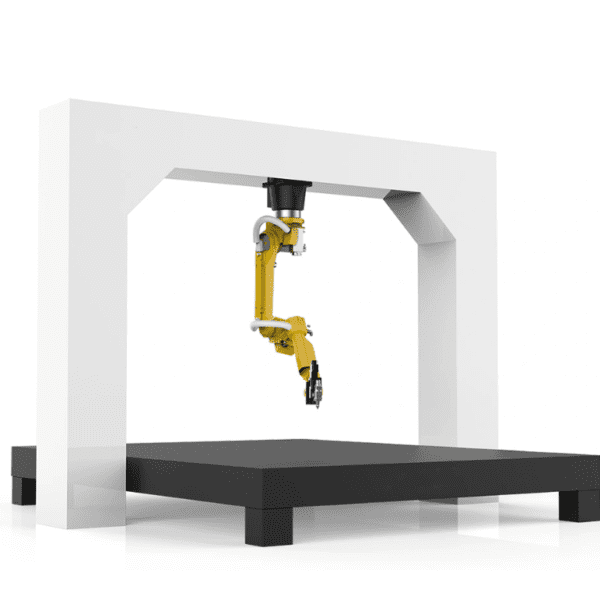
3D robot cutting machine
-
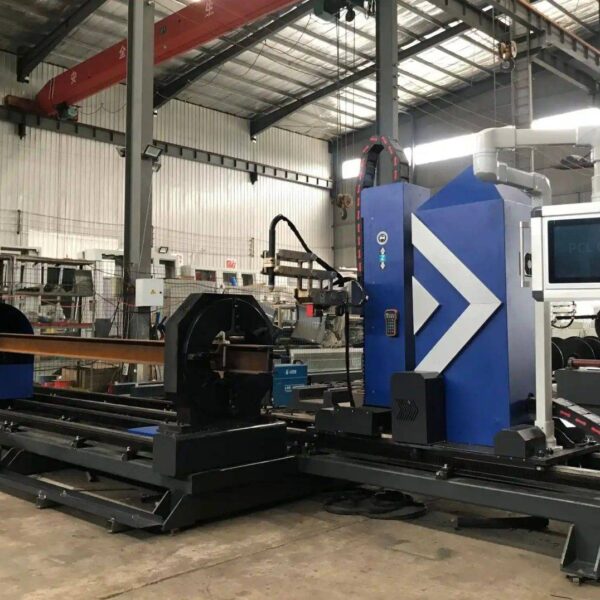
8 axis plasma cutting machine
-
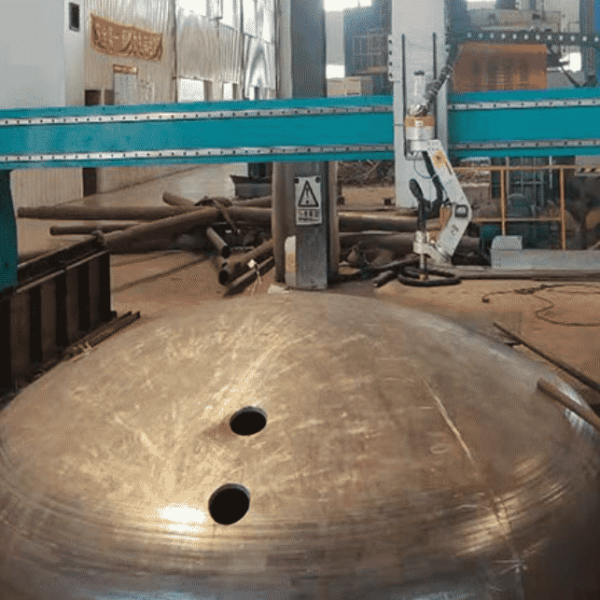
5 axis plasma cutting machine
-

LT360 tube laser cutting machine
-
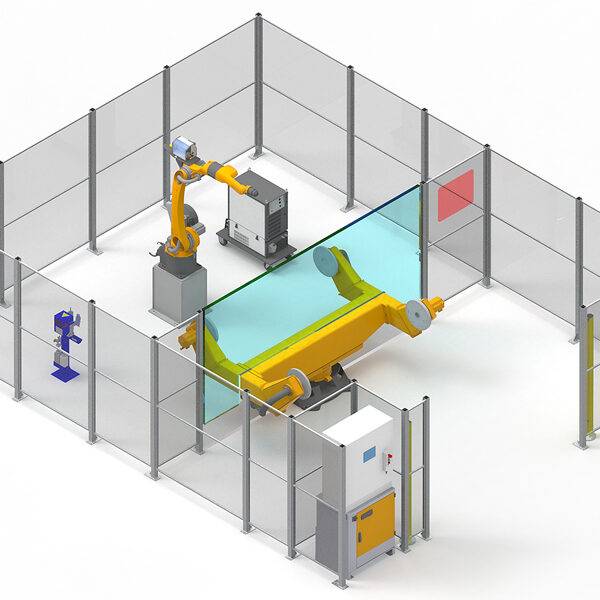
robot welding workstation
-
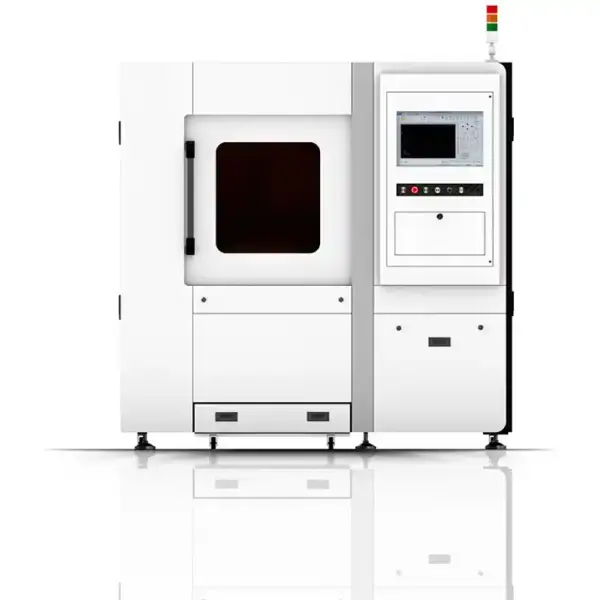
SF6060 fiber laser cutting machine
Advanced Fiber Laser Tube Processing Technology
Our CNC Fiber Laser Tube Cutting systems revolutionize metal fabrication by integrating high-precision cutting, punching, and profiling into a single automated workflow. Designed for versatility, this technology handles a wide array of profiles including Round, Square, Rectangular, and Oval tubes, as well as complex L-shaped and U-shaped channels.
- Precision Punching: High-speed hole punching with micron-level accuracy, eliminating the need for mechanical drilling or die-stamping.
- Complex Profiling: Advanced 3D pathing allows for intricate interlocking joints and specialized notch cuts, ideal for structural frames.
- High Material Efficiency: Intelligent nesting software minimizes scrap, reducing raw material costs across large production runs.
- Clean Finish: Delivers oxide-free, burr-free edges that require zero secondary grinding before welding.

Seamlessly processing multiple profiles with consistent precision.
Global Delivery & Logistics



From our high-tech manufacturing facility directly to your global site. PCL WeldCut ensures secure packaging, professional handling, and reliable international logistics to safeguard your equipment throughout the entire journey.