Technical Field Report: Implementation of Water-cooled Fiber Laser Cobot Systems
Site Location: Barcelona, Spain – Industrial Sector
1. Executive Summary of Field Operations
This report details the commissioning and optimization phase of a water-cooled Fiber Laser Cobot within a high-output production facility in Barcelona, Spain. The primary objective was the transition from manual Gas Tungsten Arc Welding (GTAW) to automated Laser Technology to address bottlenecks in Sheet Metal Fabrication welding. Over a fourteen-day deployment, we monitored duty cycles, thermal dissipation via the closed-loop water cooling system, and the precision of the cobot’s 6-axis motion control in tight-tolerance geometries.
The Barcelona facility operates in a Mediterranean coastal environment, which introduced specific variables regarding ambient humidity and electrical grid stability. These factors were critical in calibrating the fiber source and the chiller units to ensure consistent beam quality and prevent internal condensation within the optical head.
2. Technical Specifications and Integration Synergy
The synergy between the Fiber Laser Cobot and modern Laser Technology represents a paradigm shift for the local Sheet Metal Fabrication welding industry. Unlike traditional robotic arms, the cobot utilized here allows for “lead-through” programming, which is essential for the diverse product mix processed at this site.
The 2kW fiber source provides a concentrated energy density that exceeds traditional arc processes by several orders of magnitude. When paired with a collaborative 6-axis arm, the system achieves a degree of repeatability (±0.03mm) that manual operators cannot sustain over an eight-hour shift. The “water-cooled” aspect is not optional in this context; the high ambient temperatures in Barcelona’s industrial zones during peak production months require a robust thermal management system to maintain the laser diode’s lifespan and ensure a stable BPP (Beam Parameter Product).
3. Application in Sheet Metal Fabrication Welding
The core of the deployment focused on 1.5mm to 3.0mm 304L Stainless Steel and 5052 Aluminum alloy components. In Sheet Metal Fabrication welding, the primary enemy is thermal distortion. High heat input from TIG or MIG causes “oil-canning” and warping, necessitating expensive post-weld straightening.

Observation 1: Heat Affected Zone (HAZ) Reduction
By utilizing the Fiber Laser Cobot, we reduced the HAZ by approximately 75% compared to previous manual TIG benchmarks. The high travel speed (up to 80mm/s) made possible by the Laser Technology ensures that the heat is localized to the fusion zone, preserving the metallurgical integrity of the surrounding material.
Observation 2: Gap Bridging and Wire Feed
One of the “lessons learned” during the first week was the sensitivity of laser welding to fit-up tolerances. Laser Technology requires much tighter tolerances than MIG. We integrated a synchronized cold-wire feeder to the cobot head. This allowed us to bridge gaps up to 0.8mm, which is common in large-scale sheet metal assemblies in the Barcelona plant. The synergy between the wire feed speed and the cobot’s linear velocity was the most time-consuming calibration task but ultimately yielded a “Class A” weld finish that required zero post-weld grinding.
4. Thermal Management and Environmental Factors
Barcelona’s coastal location presents a challenge: high relative humidity. During the commissioning of the Fiber Laser Cobot, we encountered “sweating” on the optical delivery fiber during the night shift.
The water-cooling unit must be synchronized with the ambient dew point. If the coolant temperature is too low, condensation forms on the protective windows and the collimating lenses, leading to catastrophic optical failure (thermal runaway). We implemented a dual-circuit chiller system. Circuit A cools the laser source (maintained at 25°C), while Circuit B cools the welding head (maintained at 28°C to stay above the dew point). This calibration is a critical takeaway for any engineer deploying Laser Technology in the Catalonia region or similar climates.
5. Programming and Path Optimization
The Fiber Laser Cobot utilizes a proprietary software interface that allows the Barcelona welding team to transition from “welders” to “system technicians.” We focused on three primary pathing strategies:
- Wobble Parameters: Using a circular wobble pattern (2.0mm width at 150Hz) to improve the aesthetic quality of the fillet welds.
- Corner Deceleration: Custom scripts were written to reduce laser power as the cobot decelerates into a 90-degree corner to prevent “burn-through.”
- Tack Integration: The cobot was programmed to perform autogenous tacks every 100mm before the main weld pass, ensuring the sheet metal remained aligned under the high-speed thermal load.
6. Lessons Learned and Practical Field Adjustments
No field deployment is without friction. The following technical hurdles were addressed during the site visit:
A. Back-Reflection Safety: When welding 5052 Aluminum, back-reflection posed a risk to the fiber source. We adjusted the torch angle to a 10-degree “leading” tilt rather than a perpendicular approach. This redirection of the reflected beam is vital for the longevity of the Laser Technology components.
B. Gas Shielding Turbulence: We initially used a standard gas nozzle, but at the high travel speeds of the Fiber Laser Cobot, we experienced atmospheric contamination (discoloration). We switched to a custom trailing shield designed for Sheet Metal Fabrication welding, which maintained an Argon envelope over the weld pool for an additional 1.5 seconds post-fusion. This resulted in the “silver” weld finish required by the client’s QA standards.
C. The “Human Factor” in Barcelona: The local workforce is highly skilled in manual craftsmanship. The introduction of the cobot was initially met with skepticism. However, once the operators saw that the cobot handled the repetitive, ergonomically taxing “long runs,” while they focused on the complex fit-up and final quality control, adoption rates increased significantly. The cobot is a tool, not a replacement.
7. Quantitative Performance Metrics
Prior to the implementation of the Fiber Laser Cobot, a standard chassis component required 45 minutes of manual TIG welding and 20 minutes of cleanup (grinding/polishing).
Current metrics with the Laser Technology integrated:
- Weld Time: 6 minutes 12 seconds.
- Post-Weld Cleanup: 0 minutes (parts move directly to powder coating).
- Gas Consumption: Reduced by 40% due to the localized nature of the shield gas delivery.
- Electrical Efficiency: The fiber source draws significantly less power per meter of weld than the previous 350A TIG inverters.
8. Conclusion and Future Roadmap
The deployment in Barcelona confirms that a water-cooled Fiber Laser Cobot is the most viable path forward for high-precision Sheet Metal Fabrication welding. The ability to maintain high duty cycles in a Mediterranean climate, provided the chiller logic is correctly calibrated, offers a massive competitive advantage.
Future iterations for this site will include “Vision Tracking.” While the current cobot follows a pre-programmed path, the next phase will involve a laser line sensor to compensate for part variations in real-time. For now, the stability of the Laser Technology and the ease of use of the collaborative arm have met all KPIs. The system is officially handed over to the local production engineering team for 24/7 operation.
Signed,
Senior Welding Engineer
Field Operations Division
-
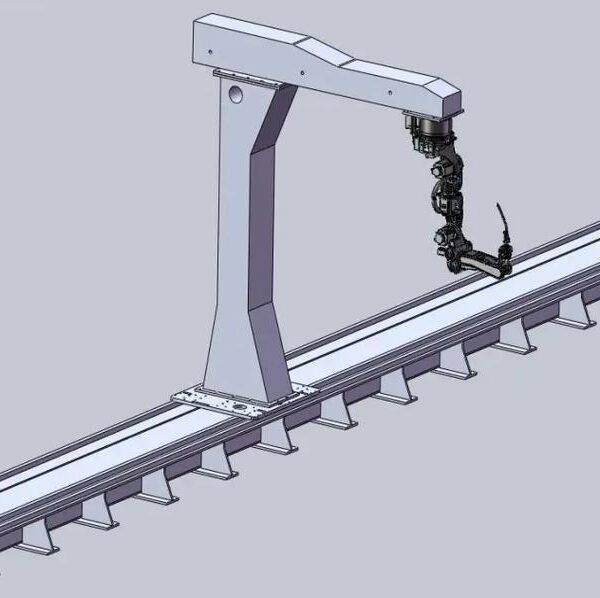

Cantilever Welding Robot solution
-
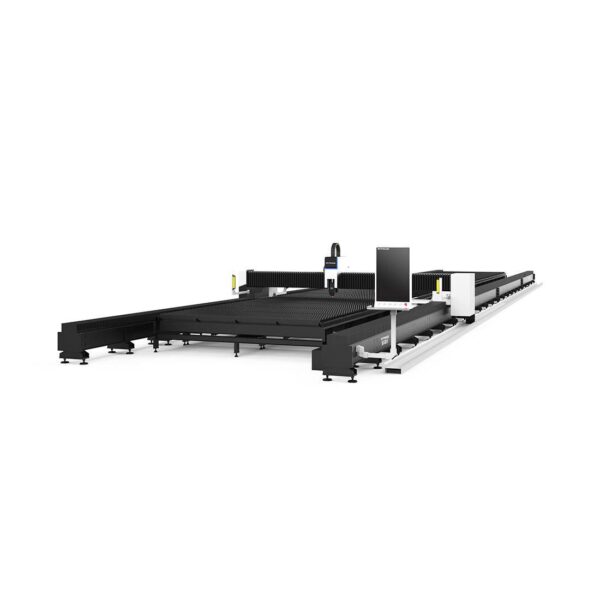

GF laser cutting machine
-
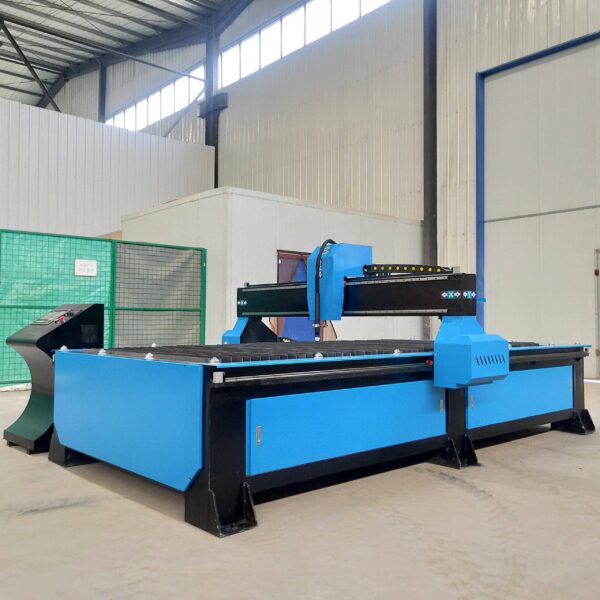
P3015 plasma cutting machine
-

LFP3015 Fiber Laser Cutter
-
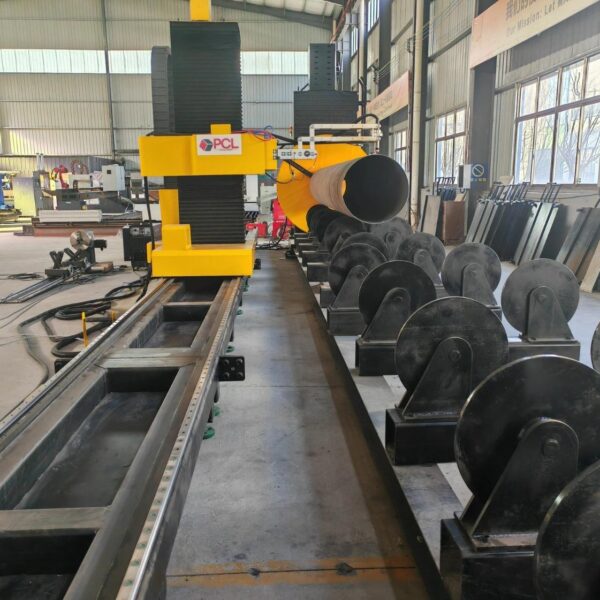
pipe plasma cutting machine
-
LFH 4020 Fiber Laser Cutting Machine
-
LFP4020
-
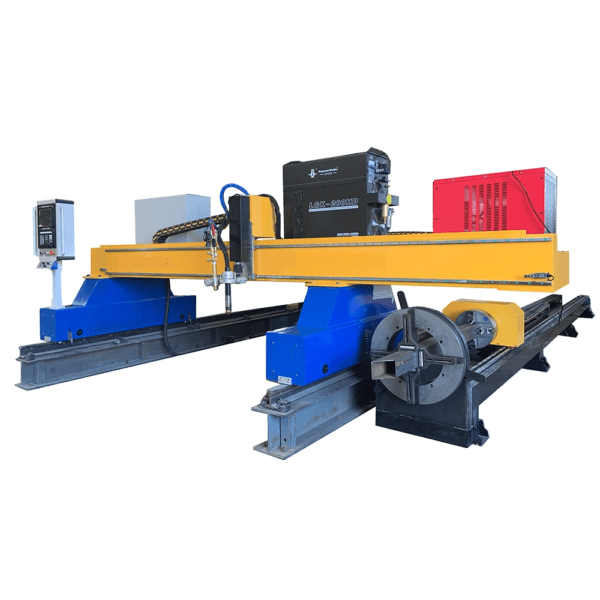
gantry plasma air cutting machine
-
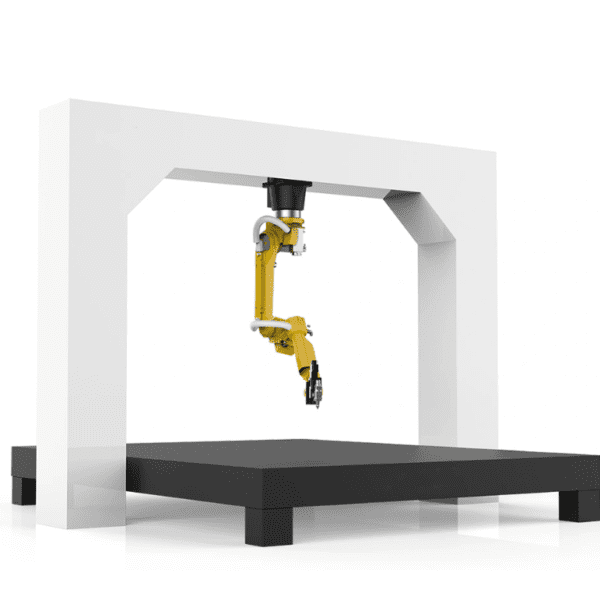
3D robot cutting machine
-
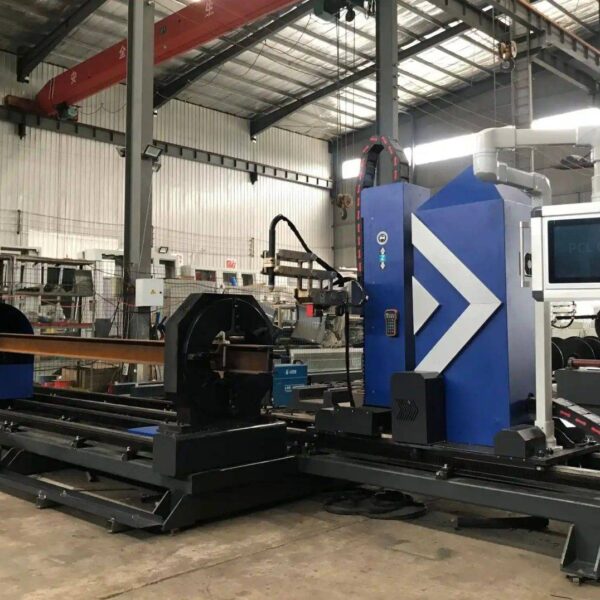
8 axis plasma cutting machine
-
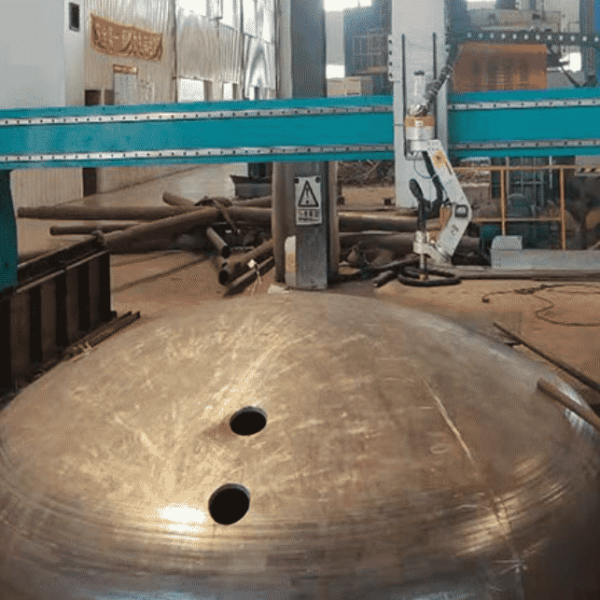
5 axis plasma cutting machine
-

LT360 tube laser cutting machine
-
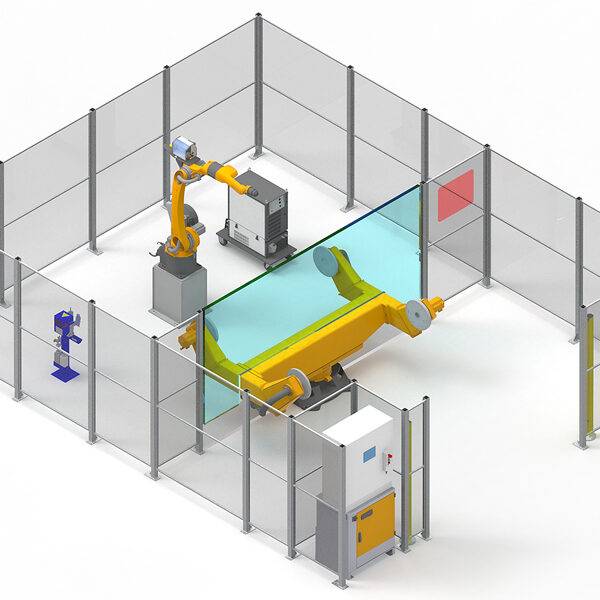
robot welding workstation
-
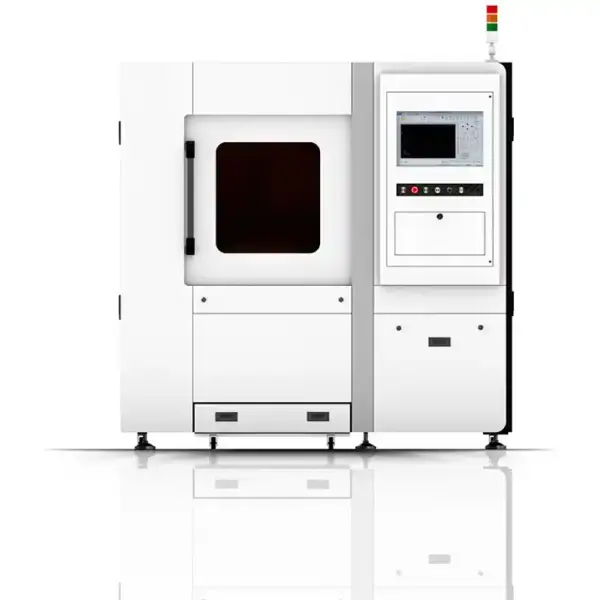
SF6060 fiber laser cutting machine
Advanced Fiber Laser Tube Processing Technology
Our CNC Fiber Laser Tube Cutting systems revolutionize metal fabrication by integrating high-precision cutting, punching, and profiling into a single automated workflow. Designed for versatility, this technology handles a wide array of profiles including Round, Square, Rectangular, and Oval tubes, as well as complex L-shaped and U-shaped channels.
- Precision Punching: High-speed hole punching with micron-level accuracy, eliminating the need for mechanical drilling or die-stamping.
- Complex Profiling: Advanced 3D pathing allows for intricate interlocking joints and specialized notch cuts, ideal for structural frames.
- High Material Efficiency: Intelligent nesting software minimizes scrap, reducing raw material costs across large production runs.
- Clean Finish: Delivers oxide-free, burr-free edges that require zero secondary grinding before welding.

Seamlessly processing multiple profiles with consistent precision.
Global Delivery & Logistics



From our high-tech manufacturing facility directly to your global site. PCL WeldCut ensures secure packaging, professional handling, and reliable international logistics to safeguard your equipment throughout the entire journey.