Field Evaluation: Automated Tool Steel Integration (Munich Facility)
This report summarizes the technical deployment and optimization of a Single Pulse Robotic Arm Welder system within a Tier-1 automotive tooling facility in Munich, Germany. The primary objective was the transition from manual GTAW (Gas Tungsten Arc Welding) to a fully integrated Industrial Automation cell for the repair and surfacing of high-alloy tool steels. In the Munich manufacturing ecosystem, where precision and adherence to DIN EN ISO standards are non-negotiable, the integration of robotics into Tool Steel welding represents a significant shift in metallurgical control and production throughput.
Systems Overview and Industrial Automation Architecture
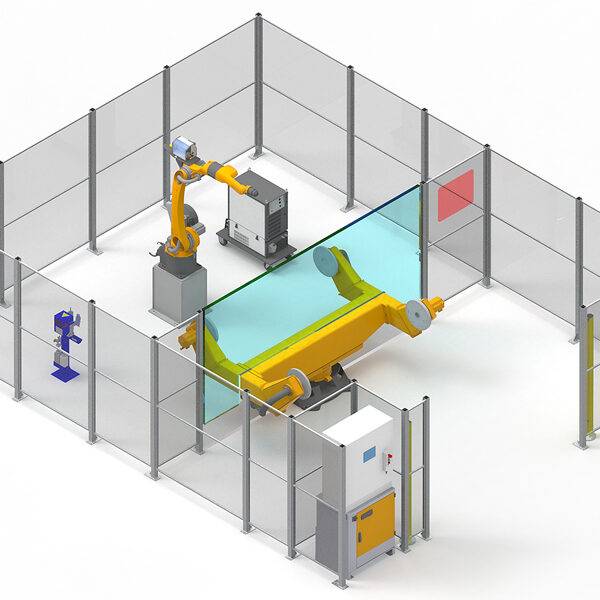
The Munich workshop utilizes a 6-axis robotic platform integrated with a high-speed fieldbus communication protocol (Profinet). The synergy between the Robotic Arm Welder and the broader Industrial Automation framework is managed via a centralized PLC (Programmable Logic Controller) that synchronizes the robot’s Tool Center Point (TCP) movement with a two-axis hydraulic positioner.
In this specific application, Industrial Automation serves as the “nervous system” of the cell. It does not merely move the torch; it monitors real-time wire feed tension, gas flow rates, and secondary cooling systems. For Tool Steel welding, where cooling rates determine the final hardness and crack sensitivity of the weldment, this level of automation is critical. The system in Munich was calibrated to maintain a strict interpass temperature, utilizing infrared sensors that feed data back to the PLC to pause the robot’s cycle if the base material exceeds 250°C.
Metallurgy and the Tool Steel Welding Problem Statement
Tool Steel welding is notoriously difficult due to the high carbon and alloy content (typically chromium, molybdenum, and vanadium). In the Munich facility, we were primarily dealing with 1.2379 (D2) and 1.2344 (H13) steels. These materials are prone to hydrogen-induced cracking and the formation of brittle martensite in the Heat Affected Zone (HAZ) if the thermal cycle is not strictly controlled.
The implementation of a Robotic Arm Welder allowed us to move away from the inconsistencies of manual thermal management. By using a Single Pulse GMAW (Gas Metal Arc Welding) process, we achieved a “one drop per pulse” metal transfer. This minimizes the total heat input compared to traditional spray transfer, which is vital for maintaining the structural integrity of the tool’s core while achieving the required surface hardness. The Industrial Automation system ensures that the travel speed remains constant at 380 mm/min, a feat impossible for a manual operator to maintain over a 2-meter tool die without variance.
Single Pulse Parameter Optimization
During the Munich field trials, we identified that the pulse frequency and peak current were the two most critical variables for Tool Steel welding. We settled on a peak current of 320A with a background current of 80A. This specific waveform was designed to ensure deep penetration into the tool steel substrate while preventing the overheating of the thin edges of the die.
The Robotic Arm Welder was programmed to execute a slight “weaving” motion (1.5mm amplitude) to help distribute the heat and improve the tie-in at the toes of the weld. Within the context of Industrial Automation, this weave pattern is digitally synchronized with the pulse frequency to ensure that the droplet detachment occurs at the optimal point of the oscillation, preventing undercut—a common failure point in automated tool repair.
The Synergy of Robotics and Munich Engineering Standards
In Munich, engineering culture demands high levels of documentation and repeatability. The Robotic Arm Welder provides a digital “birth certificate” for every weld bead. Through the Industrial Automation interface, we are able to log every millisecond of the welding arc. If a tool fails in the field, we can backtrack through the data logs to see exactly what the voltage and wire feed speed were at that specific coordinate.
This synergy also extends to the safety protocols. The Munich facility operates under strict CE and ISO safety requirements. The Industrial Automation suite includes laser-based area scanners and interlocked light curtains that are hardwired into the robot’s emergency stop circuit. This allows for a “collaborative” feel in a high-output environment, where technicians can prep one side of a dual-station turntable while the Robotic Arm Welder operates on the other.
Lessons from the Munich Workshop Floor
During the three-week deployment, several “hard-learned” lessons emerged regarding the intersection of Tool Steel welding and high-end Industrial Automation:
- Wire Cast and Helix: High-alloy tool steel wires often have a significant “cast” (natural curve). Even the most expensive Robotic Arm Welder will miss the joint if the wire isn’t straightened perfectly. We had to install a specialized 2-plane wire straightener at the feeder to ensure the TCP remained accurate within 0.2mm.
- Gas Shielding Turbulence: At the speeds provided by Industrial Automation, the torch movement can create a venturi effect, pulling in atmospheric oxygen. We transitioned to a specialized high-performance nozzle with a gas lens to maintain a laminar flow of 98% Argon / 2% CO2, which is essential for preventing porosity in 1.2379 steels.
- Pre-heat Retention: Tool steel requires a consistent pre-heat. We found that the massive aluminum fixtures used in the Industrial Automation cell acted as a heat sink, sucking the temperature out of the tool steel part. We had to implement an induction heating loop, controlled by the robot’s PLC, to maintain a 200°C soak throughout the duration of the weld cycle.
Process Consistency and Quality Assurance
The primary advantage observed in the Munich plant was the reduction in post-weld machining. In manual Tool Steel welding, operators often “over-weld” to compensate for potential lack of fusion, leading to hours of expensive CNC grinding. The Robotic Arm Welder, guided by the precision of Industrial Automation, deposits the exact volume of filler metal required.
By utilizing a Single Pulse mode, we also significantly reduced spatter. In the context of expensive tool dies, spatter is not just an aesthetic issue; it can fuse to critical surfaces, requiring manual removal that risks damaging the tool’s geometry. The pulse-on-demand logic integrated into the robot’s power source ensured that the arc remained stable even when the torch was forced into tight corner geometries common in injection mold dies.
Technical Adjustments for 1.2344 (H13) Hot-Work Steel
When switching the Robotic Arm Welder from D2 to H13 tool steel, we had to recalibrate the Industrial Automation settings to account for H13’s higher thermal conductivity. The robot’s travel speed was reduced by 15%, and the pulse background current was increased to prevent the weld puddle from freezing too rapidly. This adjustment, saved as a “Job Number” in the robot controller, allows the Munich operators to switch between different Tool Steel welding tasks with a single button press on the HMI (Human Machine Interface), ensuring that the metallurgical requirements of each specific alloy are met without manual intervention.
Conclusion and Future Outlook
The integration of the Robotic Arm Welder at the Munich facility has demonstrated that Tool Steel welding is no longer a process that must rely solely on the “art” of manual welding. When combined with a robust Industrial Automation strategy, the process becomes a repeatable, data-driven science.
The lessons learned here—specifically regarding wire straightening, induction heating synchronization, and pulse waveform tailoring—will serve as a blueprint for future automated cells. As we move forward, the focus will shift toward integrating “Through-Arc Seam Tracking” (TAST) to allow the Robotic Arm Welder to compensate for minor variations in tool prep, further tightening the synergy between mechanical robotics and metallurgical excellence in the heart of Germany’s industrial sector.
-
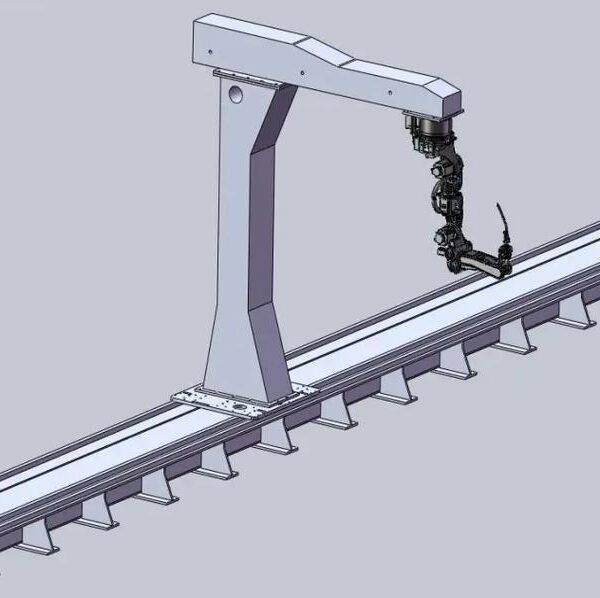

Cantilever Welding Robot solution
-
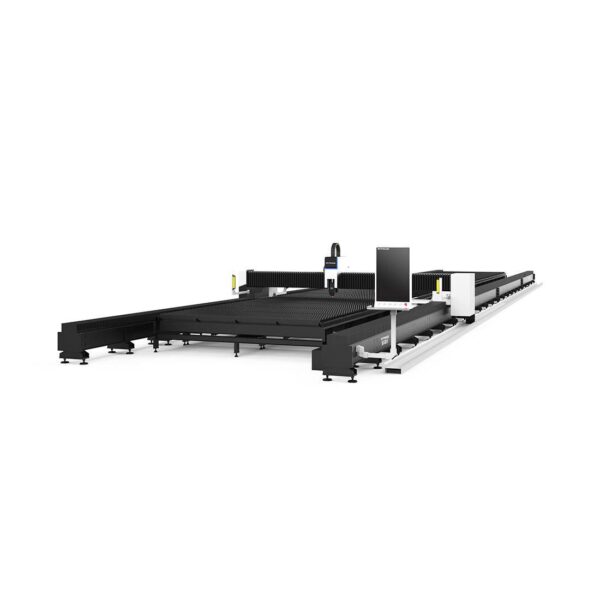

GF laser cutting machine
-
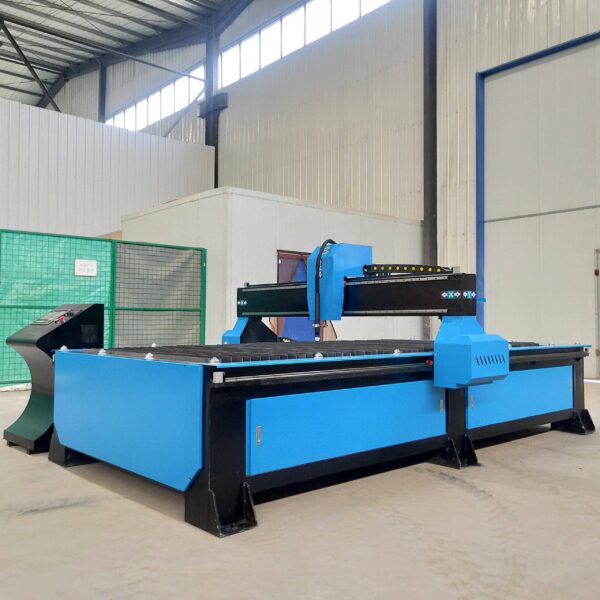
P3015 plasma cutting machine
-

LFP3015 Fiber Laser Cutter
-
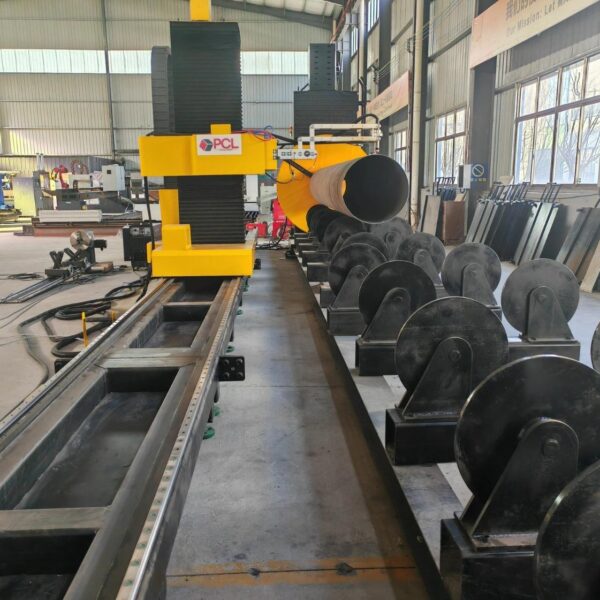
pipe plasma cutting machine
-
LFH 4020 Fiber Laser Cutting Machine
-
LFP4020
-
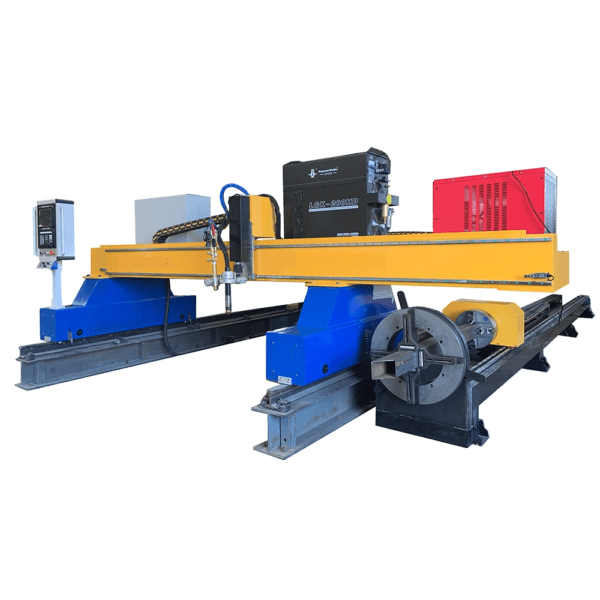
gantry plasma air cutting machine
-
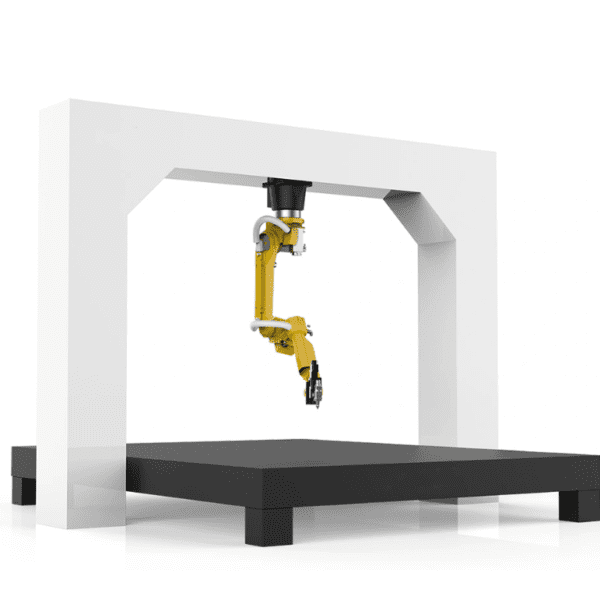
3D robot cutting machine
-
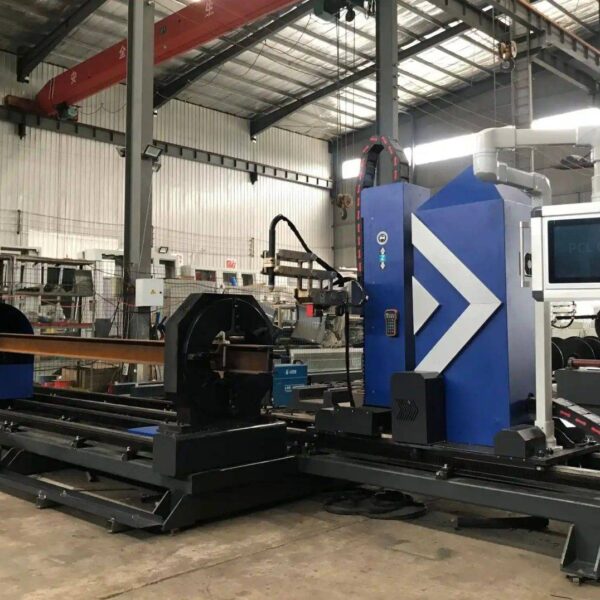
8 axis plasma cutting machine
-
5 axis plasma cutting machine
-

LT360 tube laser cutting machine
-
robot welding workstation
-
SF6060 fiber laser cutting machine
Advanced Fiber Laser Tube Processing Technology
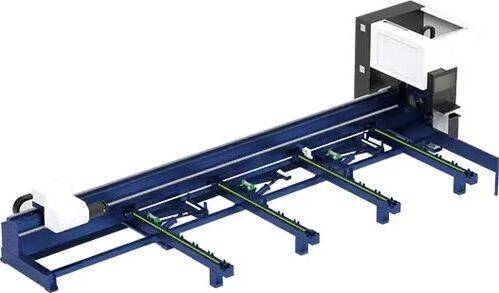
Our CNC Fiber Laser Tube Cutting systems revolutionize metal fabrication by integrating high-precision cutting, punching, and profiling into a single automated workflow. Designed for versatility, this technology handles a wide array of profiles including Round, Square, Rectangular, and Oval tubes, as well as complex L-shaped and U-shaped channels.
- Precision Punching: High-speed hole punching with micron-level accuracy, eliminating the need for mechanical drilling or die-stamping.
- Complex Profiling: Advanced 3D pathing allows for intricate interlocking joints and specialized notch cuts, ideal for structural frames.
- High Material Efficiency: Intelligent nesting software minimizes scrap, reducing raw material costs across large production runs.
- Clean Finish: Delivers oxide-free, burr-free edges that require zero secondary grinding before welding.

Seamlessly processing multiple profiles with consistent precision.
Global Delivery & Logistics



From our high-tech manufacturing facility directly to your global site. PCL WeldCut ensures secure packaging, professional handling, and reliable international logistics to safeguard your equipment throughout the entire journey.