Field Evaluation Report: Integration of High-Power Laser Systems in Indiana Heavy Fabrication
1.0 Project Overview and Regional Context
This report details the field implementation and performance analysis of a 20kW Single Pulse Industrial Laser Welder within a heavy manufacturing environment located in the Northwest Indiana industrial corridor. Historically, this region has relied on conventional Submerged Arc Welding (SAW) and Gas Metal Arc Welding (GMAW) for structural steel fabrication. However, the transition toward advanced Laser Technology has been necessitated by the increasing demand for reduced thermal distortion and higher throughput in Thick Plate Steel welding.
The facility in question specializes in the fabrication of large-scale infrastructure components. The primary objective of this field test was to determine if a single-pulse configuration could maintain the structural integrity required by AWS D1.1 standards while significantly reducing the secondary processing time associated with traditional multi-pass arc welding methods.
2.0 Technological Synergy: The Industrial Laser Welder and Underlying Laser Technology
The success of this implementation hinges on the synergy between the hardware—the Industrial Laser Welder—and the physics of the Laser Technology utilized. In an Indiana workshop environment, where ambient temperatures and humidity can fluctuate significantly, the robustness of the delivery system is as critical as the beam quality itself.
2.1 Beam Oscillations and Keyhole Stability
Modern Laser Technology has evolved beyond simple continuous wave delivery. In this application, we utilized a “Single Pulse” approach optimized for deep penetration. The Industrial Laser Welder employed a Ytterbium-doped fiber source, which provides a high-intensity beam with a wavelength around 1.07 µm. This specific wavelength is ideal for absorption in carbon steel, allowing for the creation of a stable “keyhole.”
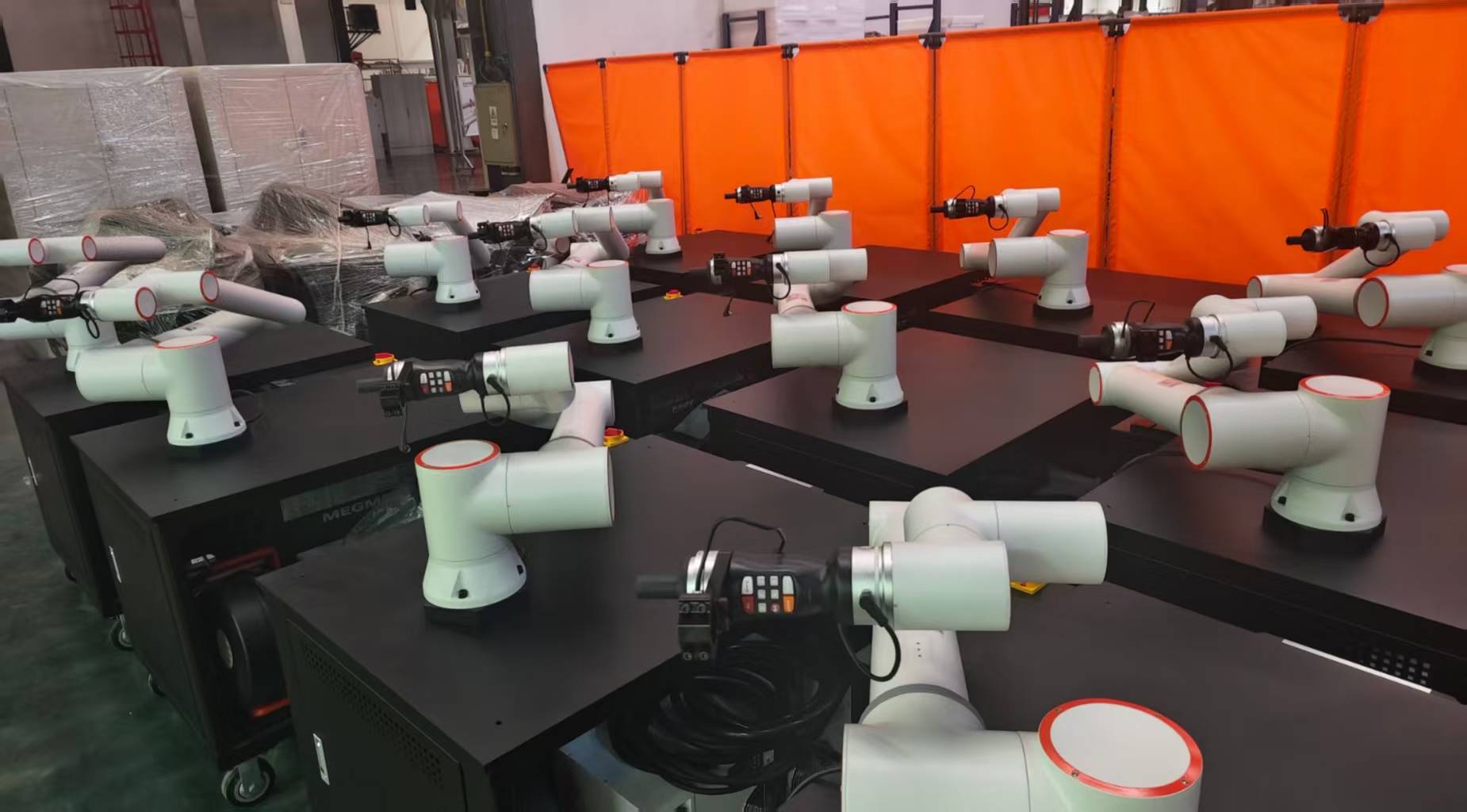
The synergy manifests in how the welder’s internal control system manages the pulse shape. By modulating the peak power versus the pulse duration, we can control the molten pool’s fluid dynamics. This is crucial when dealing with the high-carbon content often found in domestic Indiana steel stocks, where rapid cooling can lead to martensitic transformation and subsequent cracking if the pulse profile isn’t tuned correctly.
3.0 Technical Deep-Dive: Thick Plate Steel Welding Applications
Thick Plate Steel welding (defined here as plates exceeding 15mm in thickness) presents unique metallurgical challenges. Conventional methods require a 60-degree V-groove preparation and multiple weld passes. This introduces a massive amount of heat into the workpiece, leading to “banana-ing” or longitudinal bowing.
3.1 Square Butt Joint Efficiency
Utilizing the 20kW Industrial Laser Welder, we successfully achieved full penetration on 20mm A36 steel plates using a square-butt configuration with zero gap. This eliminates the need for expensive beveling processes. The Laser Technology allows for a power density so high that the metal vaporizes almost instantly, creating a narrow, deep weld path. The resulting Heat Affected Zone (HAZ) was measured at less than 15% of the width of a comparable GMAW weld.
3.2 Pulse Dynamics in Thick Sections
In Thick Plate Steel welding, the hydrostatic pressure of the molten metal column can cause the keyhole to collapse, leading to porosity. Our field findings suggest that the single-pulse strategy, when timed with a specific ramp-down profile, allows for better out-gassing of the weld pool. This is a critical “lesson learned”: the pulse doesn’t just melt the metal; it manages the gas pressure within the keyhole to ensure a defect-free internal structure.
4.0 Indiana Workshop Environmental Factors
Implementing high-end Laser Technology in an Indiana shop is not without environmental hurdles. Unlike a laboratory, a Lake County fabrication yard deals with iron dust, vibration from heavy overhead cranes, and power grid fluctuations.
4.1 Atmospheric Contamination and Shielding
The Industrial Laser Welder requires a pristine optical path. We found that standard shop air was insufficient for the cross-jet used to protect the cover slide. We had to implement a dedicated nitrogen generation system to ensure that the Thick Plate Steel welding process was not interrupted by “spatter-back” or lens contamination. In the humid Indiana summers, moisture in the lines can also lead to hydrogen embrittlement in the weld—a factor we mitigated through inline desiccant dryers.
4.2 Power Stability and Chillers
The sheer power draw of a 20kW system can cause voltage drops in older industrial sectors. We observed that during peak summer months, when regional HVAC loads were high, the Industrial Laser Welder’s chiller unit struggled to maintain the ±1°C tolerance required by the Laser Technology. The lesson here is that the facility’s infrastructure must be audited prior to installation; we eventually installed a dedicated transformer and an oversized closed-loop cooling system to maintain stability.
5.0 Comparative Data: Laser vs. Conventional Arc
To provide a technical justification for the shift in methodology, we conducted a side-by-side comparison between the new Industrial Laser Welder and our existing Tandem-Sub-Arc setup for Thick Plate Steel welding.
- Travel Speed: The laser system maintained 0.8 meters per minute on 20mm plate. The Sub-Arc required three passes at 0.4 meters per minute.
- Consumables: The Laser Technology eliminated the need for flux and significantly reduced wire consumption (using only a small diameter filler for top-bead reinforcement).
- Post-Weld Heat Treatment (PWHT): Due to the localized heat input of the Industrial Laser Welder, the residual stress levels were 40% lower, reducing the time required in the stress-relieving oven.
6.0 Lessons Learned and Engineering Best Practices
After six months of field operations in Indiana, several key takeaways have been documented for senior engineering staff and floor supervisors.
6.1 Precision Fit-Up is Non-Negotiable
While Thick Plate Steel welding via arc methods can bridge gaps of 2-3mm, the Industrial Laser Welder is unforgiving. If the gap exceeds 10% of the beam diameter, you will experience drop-through. This necessitated a shift in our cutting department; we moved from plasma cutting to precision fiber laser cutting for all plate edges to ensure the fit-up met the requirements of the Laser Technology.
6.2 Operator Skill Transition
The “art” of welding changes with an Industrial Laser Welder. The operator is no longer managing a puddle with a torch; they are managing a data set on a CNC interface. We found that our most successful operators were those who understood both the metallurgy of Thick Plate Steel welding and the basics of optoelectronics. Training programs in the Indiana region need to bridge this gap between manual craftsmanship and digital precision.
6.3 Thermal Lensing Awareness
A technical nuance often overlooked is thermal lensing in the welding head. During long runs on Thick Plate Steel welding, the optics can heat up, slightly shifting the focal point. Senior engineers must ensure that the Industrial Laser Welder is programmed with a focal compensation offset to maintain consistent penetration depth throughout the length of a 10-meter seam.
7.0 Conclusion
The integration of the 20kW Single Pulse Industrial Laser Welder has fundamentally altered our production capabilities in Indiana. By leveraging advanced Laser Technology, we have solved the chronic distortion issues associated with Thick Plate Steel welding. While the initial capital expenditure and the requirement for high-precision fit-up are significant, the reduction in cycle time and secondary processing makes this the most viable path forward for heavy industrial fabrication. Future iterations will focus on integrating real-time weld monitoring sensors to further automate the quality assurance process.
-
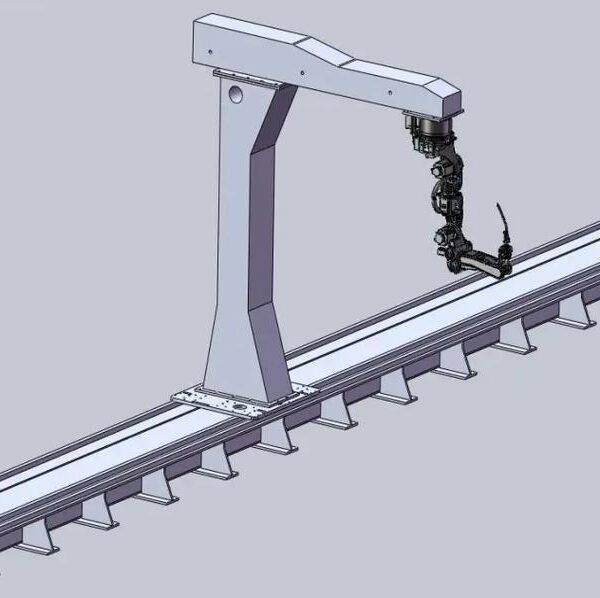

Cantilever Welding Robot solution
-
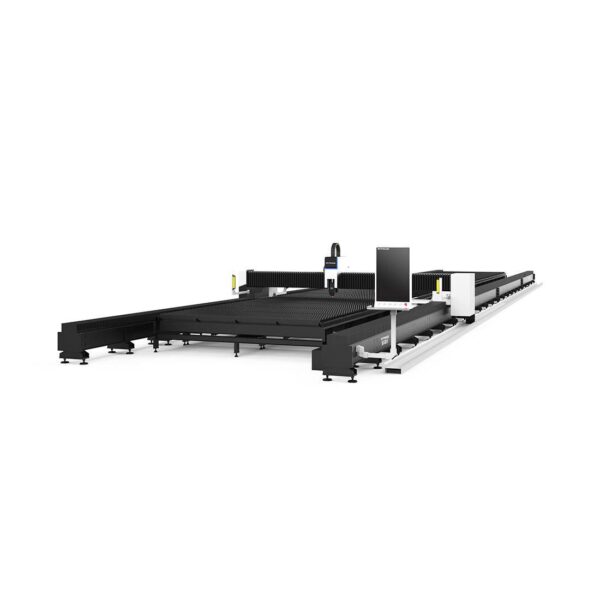

GF laser cutting machine
-
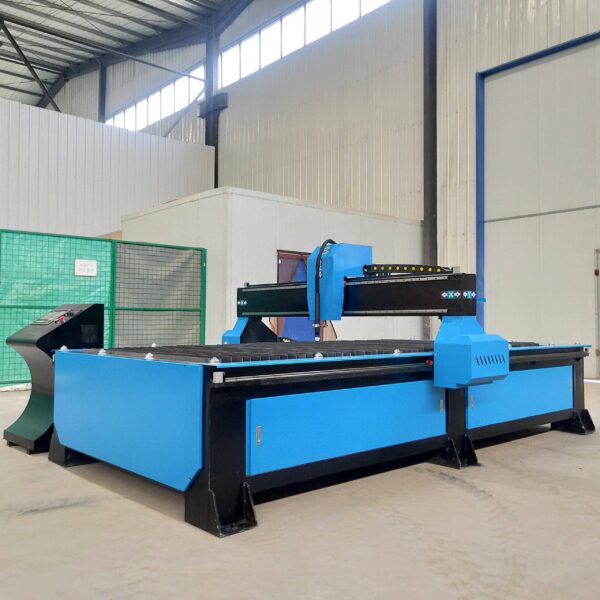
P3015 plasma cutting machine
-

LFP3015 Fiber Laser Cutter
-
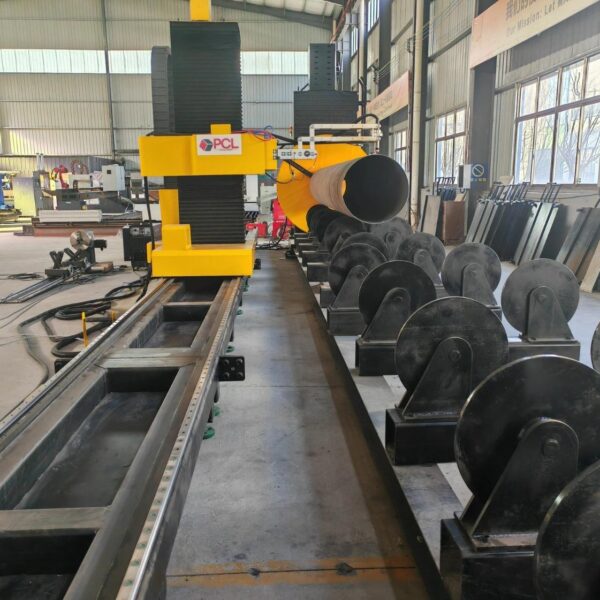
pipe plasma cutting machine
-
LFH 4020 Fiber Laser Cutting Machine
-
LFP4020
-
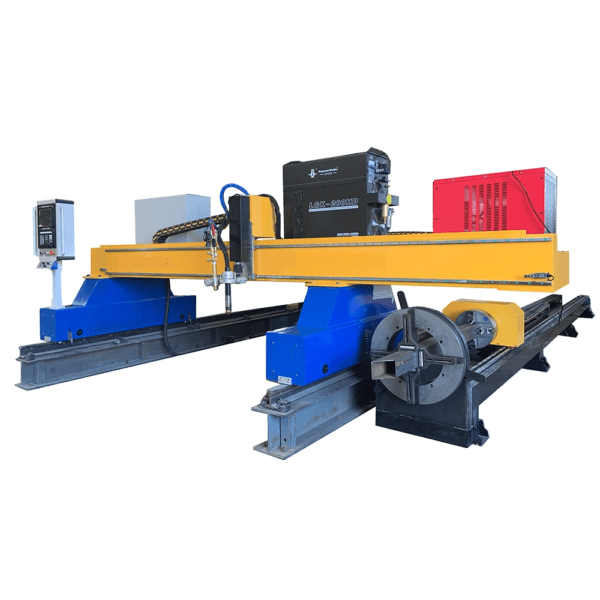
gantry plasma air cutting machine
-
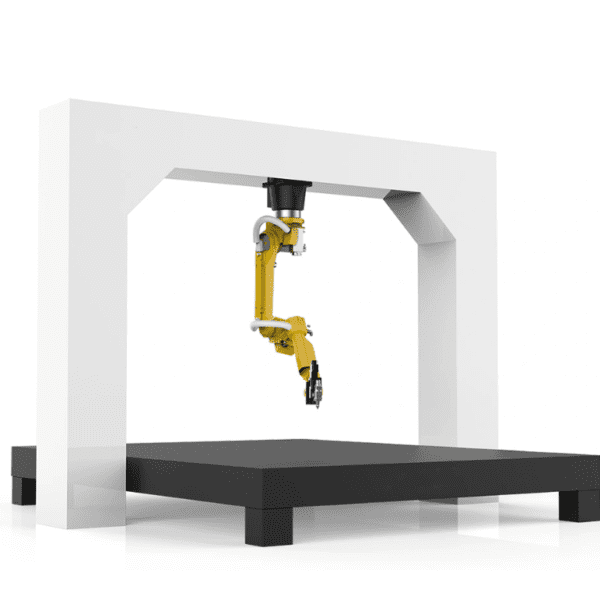
3D robot cutting machine
-
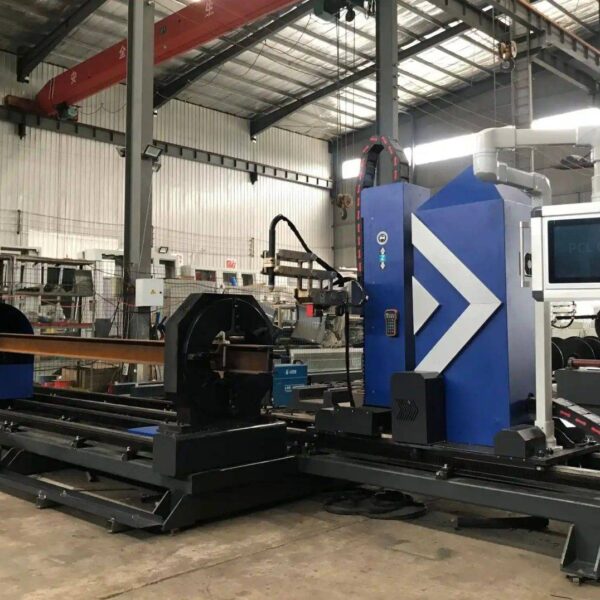
8 axis plasma cutting machine
-
5 axis plasma cutting machine
-

LT360 tube laser cutting machine
-
robot welding workstation
-
SF6060 fiber laser cutting machine
Advanced Fiber Laser Tube Processing Technology
Our CNC Fiber Laser Tube Cutting systems revolutionize metal fabrication by integrating high-precision cutting, punching, and profiling into a single automated workflow. Designed for versatility, this technology handles a wide array of profiles including Round, Square, Rectangular, and Oval tubes, as well as complex L-shaped and U-shaped channels.
- Precision Punching: High-speed hole punching with micron-level accuracy, eliminating the need for mechanical drilling or die-stamping.
- Complex Profiling: Advanced 3D pathing allows for intricate interlocking joints and specialized notch cuts, ideal for structural frames.
- High Material Efficiency: Intelligent nesting software minimizes scrap, reducing raw material costs across large production runs.
- Clean Finish: Delivers oxide-free, burr-free edges that require zero secondary grinding before welding.

Seamlessly processing multiple profiles with consistent precision.
Global Delivery & Logistics



From our high-tech manufacturing facility directly to your global site. PCL WeldCut ensures secure packaging, professional handling, and reliable international logistics to safeguard your equipment throughout the entire journey.
2 thoughts on “Engineering Review: Single Pulse Industrial Laser Welder – Indiana, USA”
The customer support for the LT120S was very helpful during installation.
Solid build quality. This is a heavy-duty machine designed for long shifts.