Field Evaluation: Single Pulse Fiber Laser Cobot Integration
Site Location: Gothenburg Maritime & Industrial District, Sweden
This report summarizes the three-week technical deployment of a 2kW Fiber Laser Cobot system in a medium-scale fabrication facility in Gothenburg. The primary objective was to transition from manual GMAW (Gas Metal Arc Welding) to automated laser processes for high-volume galvanized pipe welding. In the Gothenburg industrial climate—characterized by high humidity and strict ISO safety standards—the application of advanced Laser Technology requires a specific focus on atmospheric control and beam-material interaction.
The Synergy of Fiber Laser Cobot and Laser Technology
In the context of modern Swedish manufacturing, the Fiber Laser Cobot represents more than just an automated arm; it is a convergence of high-density energy delivery and precision motion control. Unlike traditional industrial robots that require extensive safety cell infrastructure, the cobot’s collaborative nature allows our welding technicians to work in proximity to the workpiece, provided Class 4 laser safety protocols (active guarding and filtration) are met.
The core of this synergy lies in the Laser Technology itself. Using a 1070nm ytterbium fiber source, we achieved a power density that manual processes cannot replicate. The “Single Pulse” modulation capability is critical here. By pulsing the laser, we manage the average heat input while maintaining a peak power sufficient to achieve deep penetration. In a workshop environment like Gothenburg’s, where energy efficiency and precision are prioritized, the fiber laser’s wall-plug efficiency (approx. 30-40%) significantly outperforms legacy CO2 systems.
Integration with Collaborative Kinematics
The cobot’s role is to maintain a constant Torch-to-Work Distance (TWD) and a stable travel speed. In Galvanized Pipe welding, even a 0.5mm deviation in focal position can result in inconsistent penetration or surface blowouts. The integration of the fiber laser head onto a 6-axis cobot allows for complex circular interpolation around the pipe circumference, ensuring the beam angle remains perpendicular to the tangent of the pipe at all times.
Metallurgical Challenges in Galvanized Pipe Welding
The primary technical hurdle in this field test was the presence of the zinc coating. Zinc has a boiling point of approximately 907°C, while the melting point of the underlying carbon steel is roughly 1500°C. During the welding process, the zinc vaporizes before the steel melts. If the vapor is trapped by the weld pool, it results in porosity, longitudinal cracking, or “spitting” (expulsion of the melt pool).
Managing Zinc Vapor with Single Pulse Modulation
Our strategy involved utilizing the Laser Technology‘s pulse shaping capabilities. By utilizing a high-frequency single pulse, we created a “keyhole” in the material. The rapid solidification associated with fiber lasers usually traps gases; however, by modulating the pulse frequency and duty cycle, we allowed for a controlled venting of the zinc vapor.
1. **Pulse Frequency:** Set between 40Hz and 60Hz.
2. **Duty Cycle:** Optimized at 30% to allow the weld pool to partially cool between pulses, facilitating gas escape.
3. **Travel Speed:** Maintained by the Fiber Laser Cobot at a consistent 18mm/s.
Technical Parameters and Field Data
The following parameters were established for DN50 (60.3mm OD) galvanized steel pipes with a 3.2mm wall thickness.
Laser Settings
- Source Type: Single-mode Fiber Laser
- Power: 1800W Peak
- Wobble Pattern: Circular, 1.5mm width (Frequency 150Hz)
- Shielding Gas: Nitrogen at 20L/min (used to minimize oxidation and push vapor away from the optics)
Cobot Path Planning
The cobot was programmed using a “Lead-through” teaching method, supplemented by a touch-sense laser probe for seam tracking. Because galvanized pipes often have slight dimensional variances, the cobot’s ability to adjust its path in real-time via external sensor feedback was essential for maintaining the 0.1mm tolerance required by the fiber laser’s narrow spot size.
Field Observations and Practical Application
The Gothenburg Workshop Environment
One unforeseen factor was the ambient humidity typical of the Swedish west coast. We observed minor condensation on the chiller lines, which could have led to moisture ingress in the laser head. We implemented a dry-air purge system for the optical chamber. This is a critical lesson for any Fiber Laser Cobot deployment in maritime climates: the integrity of the Laser Technology is dependent on maintaining a dew point well below the ambient temperature of the workshop.
Weld Quality Assessment
Post-weld inspections using X-ray diffraction and macro-etching showed a significant reduction in macro-porosity compared to manual MIG/MAG samples. The Heat Affected Zone (HAZ) was reduced by approximately 60%. This is particularly important for Galvanized Pipe welding, as a smaller HAZ preserves more of the sacrificial zinc coating near the joint, improving the overall corrosion resistance of the assembly.
Lessons Learned: Senior Engineer’s Perspective
After three weeks of floor-level troubleshooting and optimization, several “hard-won” lessons emerged regarding the use of a Fiber Laser Cobot for this specific application.
1. The “Zinc Venting” Gap
We discovered that a zero-gap fit-up is the enemy of the laser when welding galvanized materials. By introducing a controlled 0.1mm to 0.2mm gap between the pipe sections, we provided a dedicated escape path for zinc vapors. The Fiber Laser Cobot‘s precision allowed us to maintain this gap consistently, which would be nearly impossible for a manual welder to navigate without blowing through the material.
2. Protection of Optics
In Galvanized Pipe welding, the spatter is more aggressive than in uncoated mild steel. Even with a high-pressure air knife, we found that cover slides required inspection every 4 hours of arc-on time. We transitioned to a dual-layered sacrificial window system to protect the primary focusing lens.
3. Frequency over Power
Initial attempts focused on increasing total wattage to “burn through” the zinc. This was a mistake. High continuous power caused excessive boiling of the zinc and unstable melt pools. The solution was the Laser Technology’s single pulse mode—decreasing the average power but keeping peak power high. This “punched” through the steel while giving the zinc time to vent between pulses.
4. Fume Extraction is Non-Negotiable
The vaporized zinc (zinc oxide) produced by the laser is highly localized but extremely dense. Traditional overhead extraction was insufficient. We integrated a high-vacuum extraction nozzle directly onto the Fiber Laser Cobot‘s end effector, trailing the laser head by 15mm. This captured roughly 95% of particulates at the source.
Conclusion
The deployment in Gothenburg confirms that the Fiber Laser Cobot is a viable, high-efficiency solution for Galvanized Pipe welding, provided the engineer respects the unique metallurgical properties of zinc. The synergy between the motion precision of the cobot and the pulse control of modern Laser Technology allows for weld speeds and qualities that exceed traditional methods by a factor of four.
Moving forward, the facility will implement a standardized pre-weld “de-zincing” pass using the same laser at a lower power setting to strip the coating from the immediate weld interface. This “double-pass” strategy, easily automated by the cobot, promises to eliminate the remaining traces of porosity and further stabilize the process for 24/7 production.
Report Prepared By:
Senior Welding Engineer, Lead Systems Integration
Gothenburg, Sweden.
-
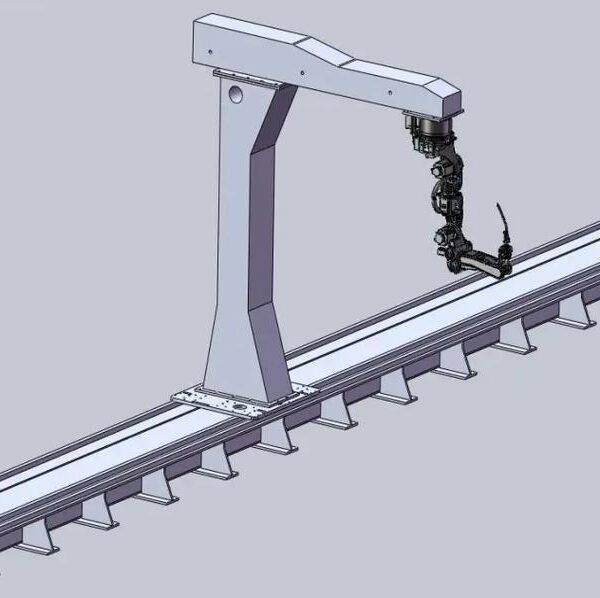

Cantilever Welding Robot solution
-
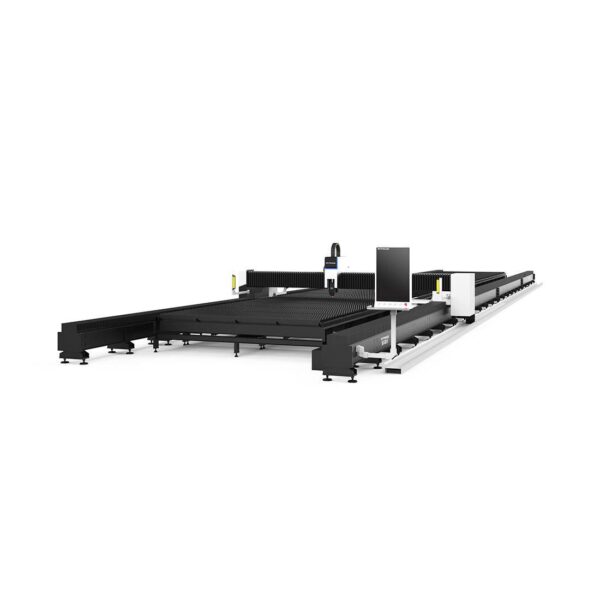

GF laser cutting machine
-
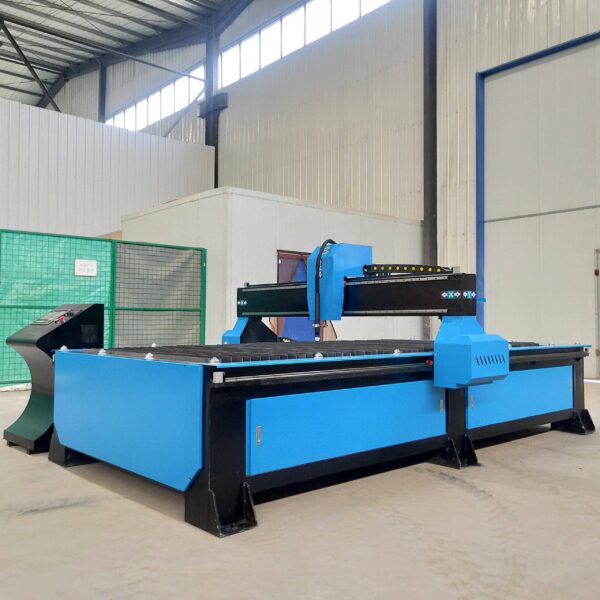
P3015 plasma cutting machine
-

LFP3015 Fiber Laser Cutter
-
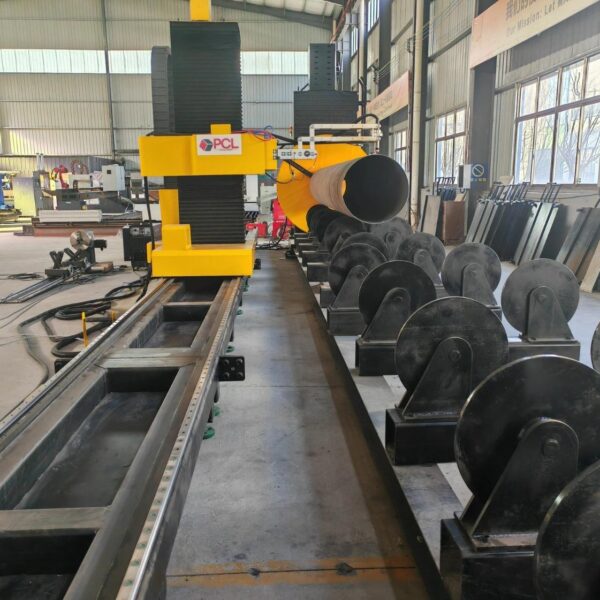
pipe plasma cutting machine
-
LFH 4020 Fiber Laser Cutting Machine
-
LFP4020
-
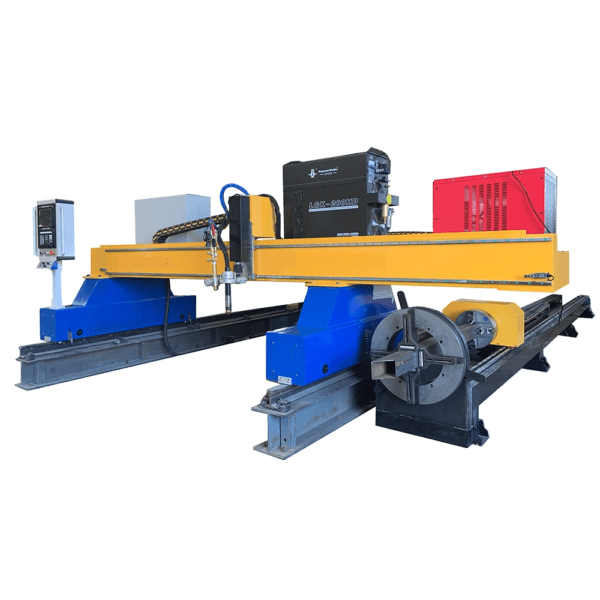
gantry plasma air cutting machine
-
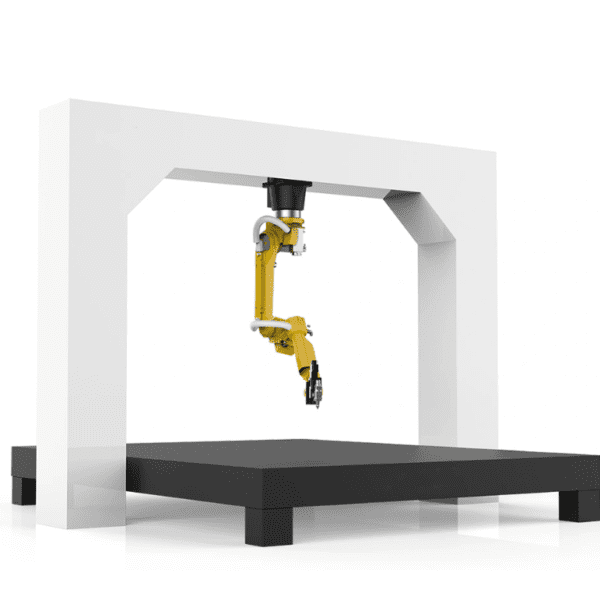
3D robot cutting machine
-
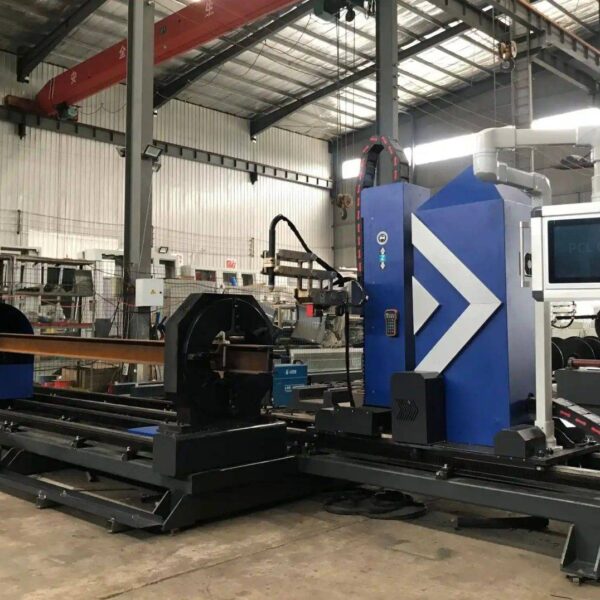
8 axis plasma cutting machine
-
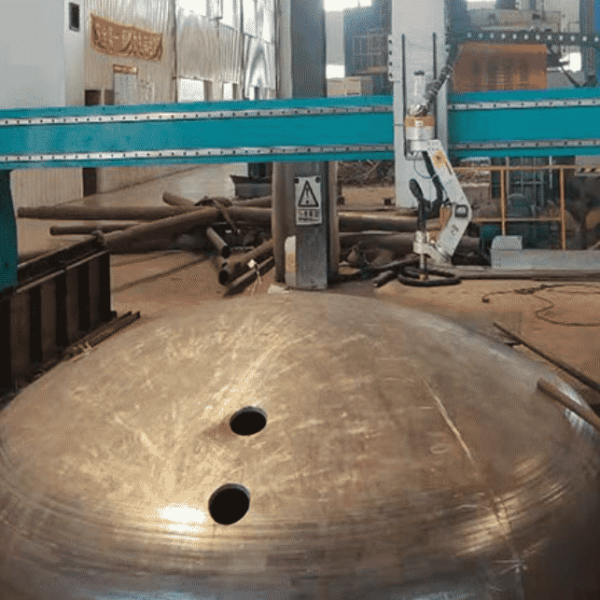
5 axis plasma cutting machine
-

LT360 tube laser cutting machine
-
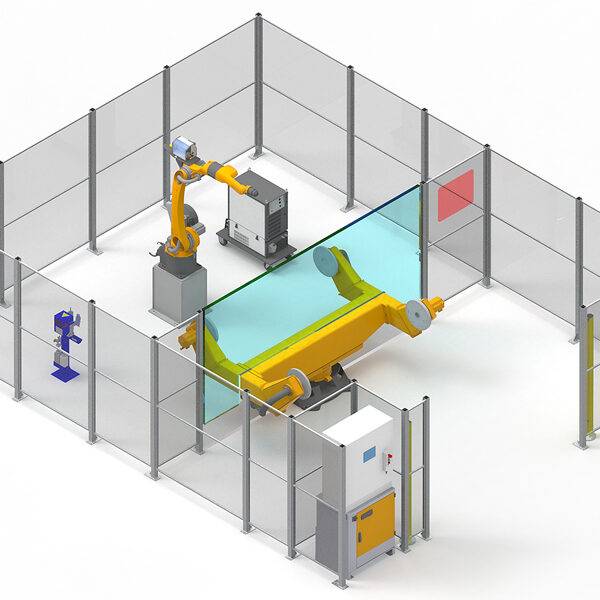
robot welding workstation
-
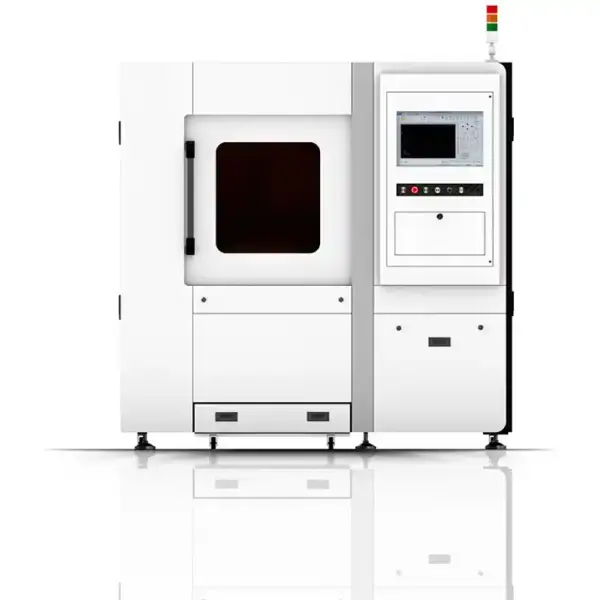
SF6060 fiber laser cutting machine
Advanced Fiber Laser Tube Processing Technology
Our CNC Fiber Laser Tube Cutting systems revolutionize metal fabrication by integrating high-precision cutting, punching, and profiling into a single automated workflow. Designed for versatility, this technology handles a wide array of profiles including Round, Square, Rectangular, and Oval tubes, as well as complex L-shaped and U-shaped channels.
- Precision Punching: High-speed hole punching with micron-level accuracy, eliminating the need for mechanical drilling or die-stamping.
- Complex Profiling: Advanced 3D pathing allows for intricate interlocking joints and specialized notch cuts, ideal for structural frames.
- High Material Efficiency: Intelligent nesting software minimizes scrap, reducing raw material costs across large production runs.
- Clean Finish: Delivers oxide-free, burr-free edges that require zero secondary grinding before welding.

Seamlessly processing multiple profiles with consistent precision.
Global Delivery & Logistics



From our high-tech manufacturing facility directly to your global site. PCL WeldCut ensures secure packaging, professional handling, and reliable international logistics to safeguard your equipment throughout the entire journey.