Field Engineering Report: Implementation of Single Pulse Collaborative Arc Welding System
1. Project Overview and Site Conditions
This report details the operational deployment of a Single Pulse Collaborative Arc Welding System within a mid-scale mechanical fabrication facility in the Thu Duc District of Ho Chi Minh City (HCMC). The objective was to transition from manual GTAW/GMAW processes to a semi-autonomous workflow to address the backlog of Galvanized Pipe welding requirements for a regional HVAC infrastructure contract.
Ho Chi Minh City presents specific environmental challenges for Automated Welding. During the June-July monsoon period, ambient humidity in the workshop regularly exceeded 85%. For welding galvanized substrates, this humidity increases the risk of hydrogen-induced cracking and complicates the management of zinc oxide fumes. The technical focus was to synchronize the precision of a collaborative robot (cobot) with a high-speed pulsing power source to mitigate the inherent volatility of zinc-coated steels.
2. Defining the Synergy: Collaborative Arc Welding System and Automated Welding
In the context of this HCMC workshop, the distinction between a standard Automated Welding cell and a Collaborative Arc Welding System is critical. Traditional automation requires fixed hard-tooling and safety light curtains, which were impractical given the facility’s limited floor space and the high variability of pipe spool geometries.

2.1 The Hybrid Workflow
The synergy lies in the “Human-in-the-Loop” architecture. While Automated Welding implies a “set-it-and-forget-it” mentality, the collaborative system allows the senior welder to remain within the workspace to perform real-time “touch-sensing” and path offsets. In our HCMC trial, we utilized the cobot’s lead-through programming to teach points for complex 5G position pipe joints. The Automated Welding component handled the torch oscillation and travel speed consistency, while the collaborative element allowed for rapid re-deployment between different workbenches without recalibrating safety zones.
2.2 Technical Integration of Single Pulse
We integrated a 400A inverter-based power source capable of Single Pulse waveforms. Unlike standard short-circuit transfer, the Single Pulse mode provides a “one drop per pulse” metal transfer. This is essential when paired with a Collaborative Arc Welding System because it stabilizes the arc length even when the cobot’s arm experiences slight vibrations or when the Galvanized Pipe welding process produces localized pressure increases from zinc vapor expansion.
3. Process Analysis: Galvanized Pipe Welding Challenges
Galvanized Pipe welding is notoriously difficult due to the low boiling point of zinc (approx. 907°C) compared to the melting point of steel (approx. 1500°C). When the arc strikes, the zinc coating vaporizes before the steel melts, often becoming trapped in the weld pool, leading to internal porosity and heavy surface spatter.
3.1 Waveform Optimization
To combat this in the HCMC facility, we modified the Single Pulse parameters. We utilized a “Pulse-on-Pulse” or specialized low-heat-input pulse variation. By fluctuating the peak current at a low frequency, we created a localized “shaking” effect in the weld puddle, which assisted in the degassing of zinc vapors before the trailing edge of the puddle solidified. This is a level of control rarely achievable in manual Galvanized Pipe welding under high-production stress.
3.2 Torch Geometry and Gas Coverage
We found that a 70/30 Argon/CO2 mix provided the best balance between arc stability and cleaning action. In the humid HCMC environment, we had to increase the flow rate to 20L/min to compensate for the workshop’s industrial fans, which are necessary for operator cooling but detrimental to gas shielding. The Collaborative Arc Welding System maintained a consistent 15mm contact-to-work distance (CTWD), which was the tipping point for reducing porosity in the root pass of the galvanized joints.
4. Lessons Learned: Technical Field Observations
The deployment yielded several “hard-won” insights that are not typically found in the equipment manuals. These lessons are specific to the intersection of Automated Welding and the HCMC industrial climate.
4.1 Managing the “Zinc Bloom”
Even with Automated Welding, the accumulation of zinc oxide on the gas nozzle was significant. We learned that a standard anti-spatter spray was insufficient. We had to integrate an automated nozzle cleaning station into the cobot’s routine every three pipe rotations. Failing to do this resulted in “arc wandering,” where the collaborative system’s sensors would detect a false collision due to the torque increase from the nozzle dragging against the workpiece.
4.2 Thermal Drift in Collaborative Sensors
The high ambient temperature in HCMC (often 35°C+ inside the shed) caused thermal expansion in the cobot’s aluminum joints. This resulted in a slight Tool Center Point (TCP) drift of approximately 0.8mm over a 4-hour shift. In Galvanized Pipe welding, where the fit-up gap is already tight to prevent zinc entrapment, a 0.8mm drift can cause a lack of fusion. We implemented a “mid-shift recalibration” check using a fixed reference spike on the welding table to reset the TCP.
4.3 Electrical Grounding and Grid Stability
The local power grid in District 9 showed periodic voltage drops when neighboring facilities engaged heavy machinery. For Automated Welding, this can be catastrophic, leading to arc outages or PLC resets. We had to install a dedicated industrial voltage stabilizer for the Collaborative Arc Welding System to ensure the pulse frequency remained constant. Any fluctuation in the pulse timing during a galvanized weld immediately resulted in a “blow-through” or a “cold lap.”
5. Comparative Performance Data
To quantify the success of the Collaborative Arc Welding System, we compared a week of manual production against a week of automated production on 4-inch Schedule 40 galvanized pipes.
- Weld Quality (X-Ray/UT): Manual welding saw a 12% failure rate due to porosity. The Automated Welding system reduced this to 2.5%, primarily due to the consistent travel speed allowing for uniform zinc outgassing.
- Production Speed: While the “arc-on” time was only 15% faster with the cobot, the total throughput increased by 40%. This is because the welder could prep the next pipe segment while the Collaborative Arc Welding System completed the current circumference.
- Consumable Efficiency: We observed a 20% reduction in wire waste. The Single Pulse mode optimized the filler metal deposition, preventing the “over-welding” common in manual applications where welders tend to build a larger-than-necessary reinforcement to hide surface imperfections.
6. Safety and Human Factors
In HCMC, skilled welders are increasingly difficult to retain. The Collaborative Arc Welding System acted as a force multiplier. It reduced the physical strain on the operator, who no longer had to maintain an awkward posture while rotating the pipe manually. However, we had to reinforce training regarding the UV intensity of Single Pulse welding. The arc is significantly “crisper” and brighter than traditional short-circuit welding; we upgraded the workshop’s welding curtains to a higher DIN rating to protect other workers in the vicinity.
7. Conclusion and Future Recommendations
The implementation of a Collaborative Arc Welding System for Galvanized Pipe welding in Ho Chi Minh City has proven technically viable and economically superior to traditional methods. The synergy between the operator’s intuition and the Automated Welding precision successfully navigated the difficulties of zinc-coated substrates and the challenges of a tropical industrial environment.
For future deployments, I recommend the integration of a laser seam tracker. While the collaborative “teach” method is effective, a laser tracker would allow the system to compensate for the slight warping that occurs in Galvanized Pipe welding due to the heat-affected zone (HAZ) of previous passes. Additionally, dedicated fume extraction at the torch head is mandatory; the volume of zinc oxide produced during Automated Welding is concentrated and poses a significant respiratory risk if not managed by high-vacuum source extraction.
The “lessons learned” here regarding TCP drift and power stability should be standard operating procedure for any Collaborative Arc Welding System deployment in the SE Asian market.
-
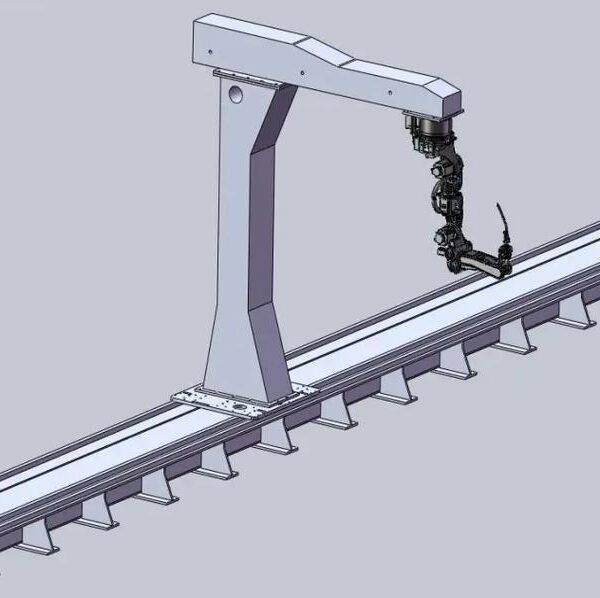

Cantilever Welding Robot solution
-
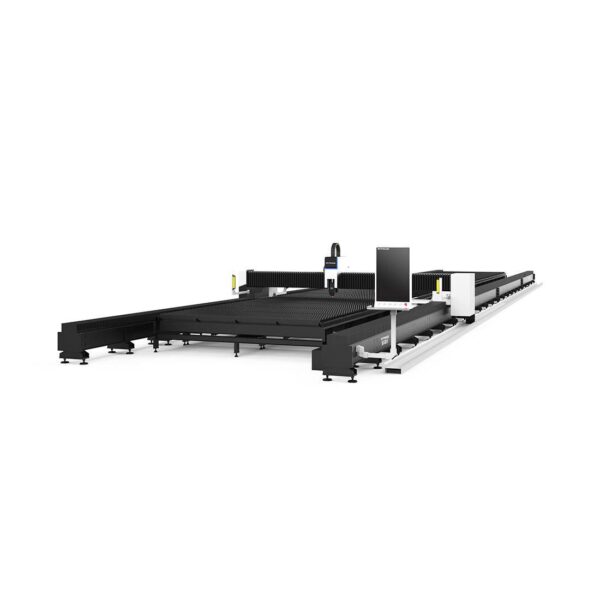

GF laser cutting machine
-
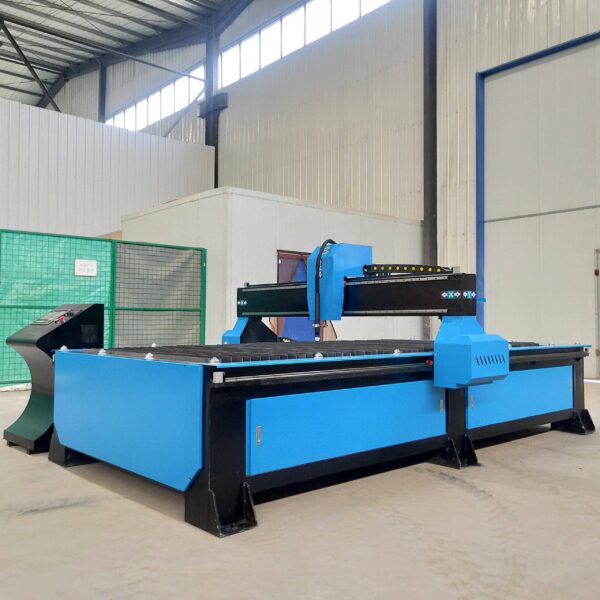
P3015 plasma cutting machine
-

LFP3015 Fiber Laser Cutter
-
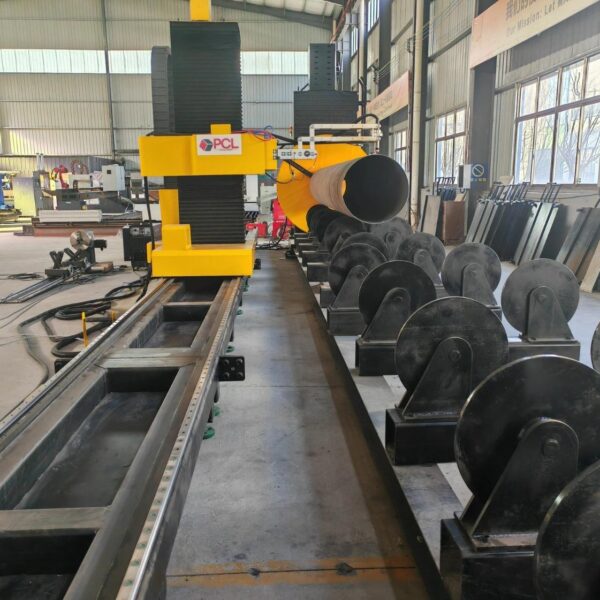
pipe plasma cutting machine
-
LFH 4020 Fiber Laser Cutting Machine
-
LFP4020
-
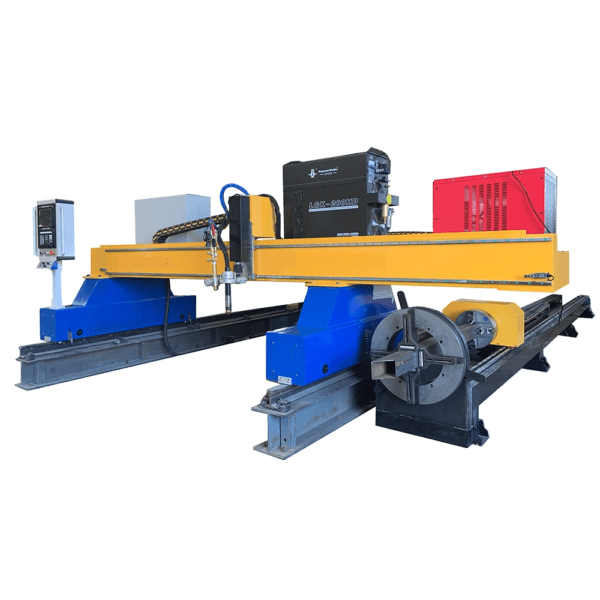
gantry plasma air cutting machine
-
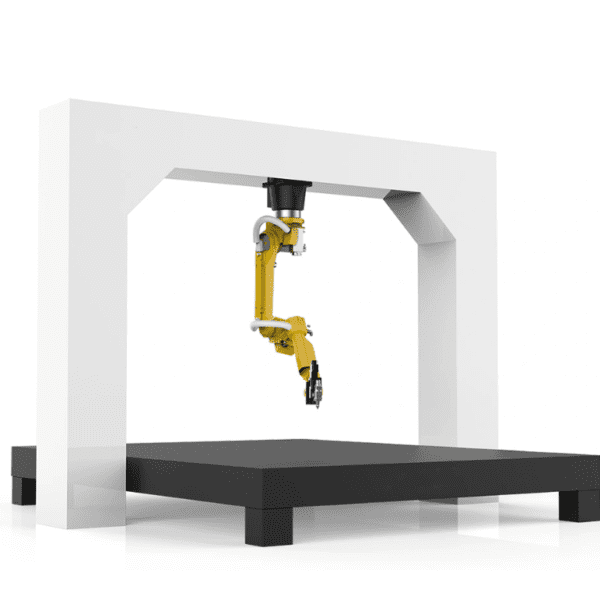
3D robot cutting machine
-
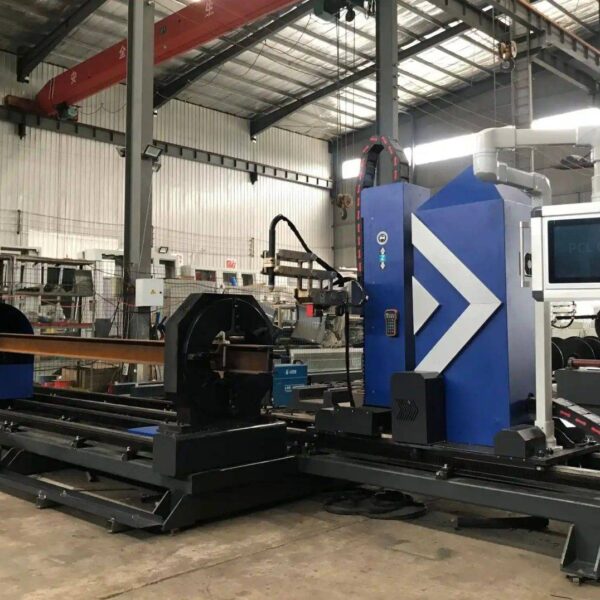
8 axis plasma cutting machine
-
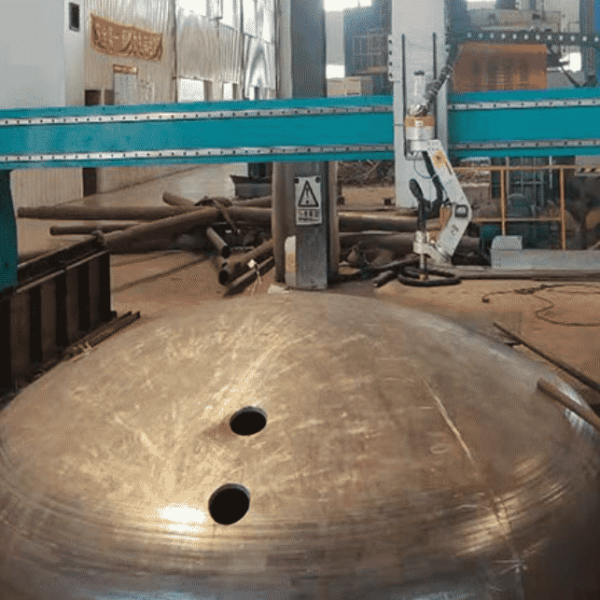
5 axis plasma cutting machine
-

LT360 tube laser cutting machine
-
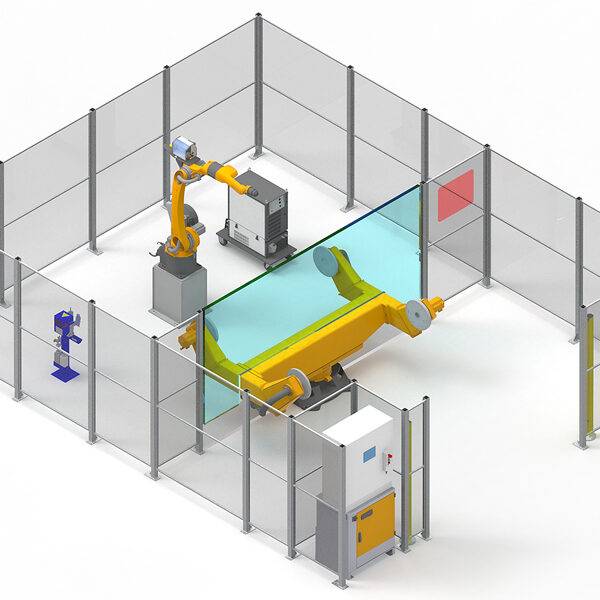
robot welding workstation
-
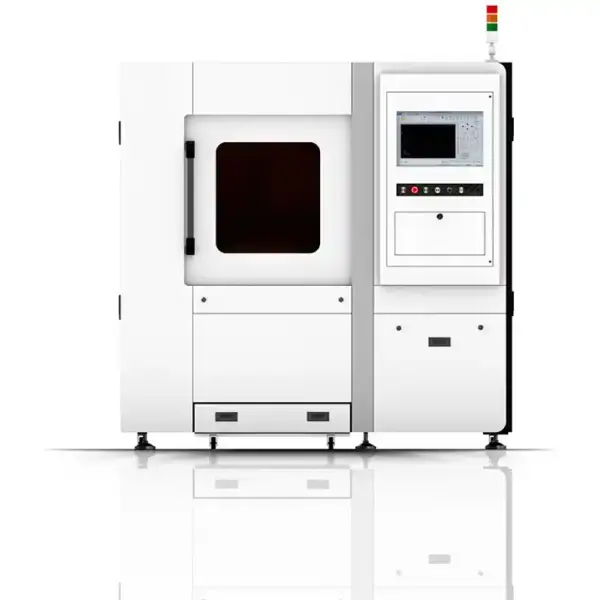
SF6060 fiber laser cutting machine
Advanced Fiber Laser Tube Processing Technology
Our CNC Fiber Laser Tube Cutting systems revolutionize metal fabrication by integrating high-precision cutting, punching, and profiling into a single automated workflow. Designed for versatility, this technology handles a wide array of profiles including Round, Square, Rectangular, and Oval tubes, as well as complex L-shaped and U-shaped channels.
- Precision Punching: High-speed hole punching with micron-level accuracy, eliminating the need for mechanical drilling or die-stamping.
- Complex Profiling: Advanced 3D pathing allows for intricate interlocking joints and specialized notch cuts, ideal for structural frames.
- High Material Efficiency: Intelligent nesting software minimizes scrap, reducing raw material costs across large production runs.
- Clean Finish: Delivers oxide-free, burr-free edges that require zero secondary grinding before welding.

Seamlessly processing multiple profiles with consistent precision.
Global Delivery & Logistics



From our high-tech manufacturing facility directly to your global site. PCL WeldCut ensures secure packaging, professional handling, and reliable international logistics to safeguard your equipment throughout the entire journey.