Technical Field Report: Implementation of Single Pulse All-in-one Cobot Station
Project Location: Ain Sebaâ Industrial Zone, Casablanca, Morocco
1. Introduction and Deployment Scope
This report details the commissioning and performance evaluation of the Single Pulse All-in-one Cobot Station deployed in a mid-sized fabrication facility in Casablanca. The primary objective was to transition from manual GMAW (Gas Metal Arc Welding) to automated Collaborative Robotics to address consistency issues in Aluminum Alloy welding. In the context of the Moroccan manufacturing sector, which is rapidly expanding into automotive and aerospace sub-assemblies, the shift toward precision automation is no longer optional. This specific deployment focused on the fabrication of 5052 and 6061 aluminum enclosures used in local infrastructure projects.
2. The Architecture of the All-in-one Cobot Station
The “All-in-one” designation is critical here. In the Casablanca facility, floor space is at a premium. Unlike traditional industrial robotic cells that require external controllers, massive safety fencing, and decentralized power sources, the All-in-one Cobot Station integrates the power supply, the collaborative arm, the wire feeder, and the cooling system into a single mobile or semi-fixed footprint.
From a senior engineer’s perspective, the technical advantage lies in the pre-mapped communication protocols between the welding power source and the cobot controller. We eliminated the “handshake lag” often seen in piecemeal integrations. For Aluminum Alloy welding, where the timing of the arc start and the wire retract (burn-back) must be millisecond-perfect to avoid crater cracks, this integrated bus communication is the backbone of the station’s success.
3. Synergies: Collaborative Robotics and Shop Floor Flow
The implementation of Collaborative Robotics in this Casablanca workshop changed the logistical flow of the welding department. Traditional robots are “black boxes”—welders feed them parts and stay away. Here, the synergy between the human operator and the cobot allows for a “tack-and-weld” workflow.

The operator works alongside the cobot, performing manual tacks on complex jigs while the cobot completes long-seam pulses on the previous assembly. Because the All-in-one Cobot Station utilizes torque-sensing limiters, we eliminated the need for physical light curtains and cages. This saved approximately 15 square meters of floor space per station. The “collaborative” aspect is not just about safety; it’s about the welder’s ability to “lead-through teach” the path. In our Casablanca trials, a senior welder with zero coding experience was able to program a circular weld path on an aluminum flange in under ten minutes using hand-guided teaching.
4. Technical Deep-Dive: Aluminum Alloy Welding Challenges
Aluminum Alloy welding is notoriously unforgiving due to the material’s high thermal conductivity and low melting point. In the humid coastal environment of Casablanca, moisture contamination leading to hydrogen porosity is a constant threat.
4.1. Single Pulse Control Logic
The station utilizes a single pulse waveform optimized for 1.2mm ER4043 and ER5356 wire. The pulse logic is programmed to strip the oxide layer during the peak current phase while ensuring deep penetration. During the background current phase, the puddle is allowed to cool slightly, which is essential for managing the Heat Affected Zone (HAZ) in 6000-series alloys.
During field testing, we observed that the All-in-one Cobot Station maintained a significantly more stable arc length than manual operators. By locking the contact-tip-to-work distance (CTWD) via the cobot’s precision movements (±0.05mm repeatability), we reduced spatter by 85%. This is vital for aluminum, as post-weld cleanup on soft alloys often leads to surface scarring.
4.2. Thermal Management in Casablanca’s Climate
Ambient temperatures in the Casablanca workshop can fluctuate. Aluminum’s expansion coefficient means that if the cobot isn’t compensating for heat build-up in the workpiece, the weld will drift off-center. We implemented a “thermal offset” in the Collaborative Robotics software, allowing the operator to make micro-adjustments to the path in real-time without stopping the production cycle.
5. Real-World Application: HVAC Housing Production
The primary test case involved 3mm thick 5052-H32 aluminum sheets. The All-in-one Cobot Station was tasked with 400mm continuous fillet welds.
- Manual Baseline: 4 minutes per unit (including repositioning and cleaning). Reject rate: 12% due to start/stop porosity.
- Cobot Performance: 1.5 minutes per unit. Reject rate: <1%.
The synergy here is clear: the Collaborative Robotics system handles the monotonous, high-heat travel speeds that human hands struggle to keep consistent, while the All-in-one Cobot Station provides the high-frequency pulse switching required to prevent burn-through on the 3mm gauge.
6. Lessons Learned from the Field
Deploying high-tech hardware in an emerging industrial hub like Casablanca provides several “on-the-ground” lessons that aren’t found in the manual.
6.1. Gas Shielding Integrity
We found that the coastal air required a slight increase in Argon flow rates (from 15 L/min to 18 L/min) to compensate for local drafts in the open-air workshop design typical of the region. The All-in-one Cobot Station has an integrated flow sensor that we tied to a “fault-out” logic. If the gas pressure dropped due to a tank change or a leak, the Collaborative Robotics arm would immediately cease welding, preventing a batch of porous aluminum welds.
6.2. Wire Feed Consistency
Aluminum wire is soft and prone to “bird-nesting.” Because the All-in-one Cobot Station places the wire feeder in close proximity to the torch (minimizing the liner length), we had fewer feeding issues than with traditional floor-mounted feeders. Lesson: Always use Teflon liners and U-groove rollers specifically for Aluminum Alloy welding to avoid shaving the wire, which clogs the tip.
6.3. Training the Workforce
The biggest hurdle wasn’t the technology, but the “trust factor.” Local welders were initially skeptical that a “lightweight” arm could handle industrial duty cycles. By involving them in the “Lead-Through Teaching” process, they saw the cobot as a tool (like a high-end torch) rather than a replacement. The Collaborative Robotics aspect is a bridge between manual craft and industrial automation.
7. Conclusion
The deployment of the Single Pulse All-in-one Cobot Station in Casablanca proves that localized, high-precision automation is viable when the “All-in-one” philosophy is applied. By combining the power source and the robotic controller, we eliminated integration friction. When applied to Aluminum Alloy welding, the repeatability of the pulse arc significantly outperformed manual benchmarks.
For future installations in the North African market, the focus should remain on the “collaborative” nature of the tech—using the Collaborative Robotics to augment the skills of the local workforce rather than attempting to build fully lights-out factories. The All-in-one Cobot Station is the right tool for this middle-ground strategy, offering the flexibility of manual welding with the metallurgical consistency of a robotic cell.
Final Engineering Sign-off
The station is cleared for full-scale production. Monitor the wire conduit for wear every 40 operating hours and ensure the pulse parameters remain locked for the 6061-T6 schedules.
-
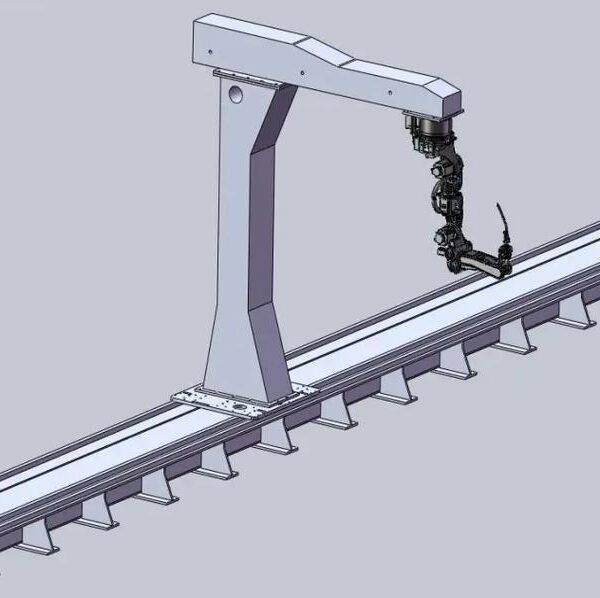

Cantilever Welding Robot solution
-
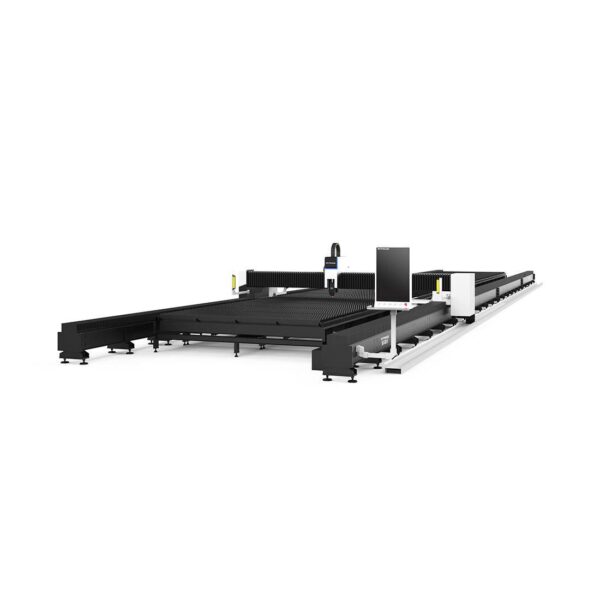

GF laser cutting machine
-
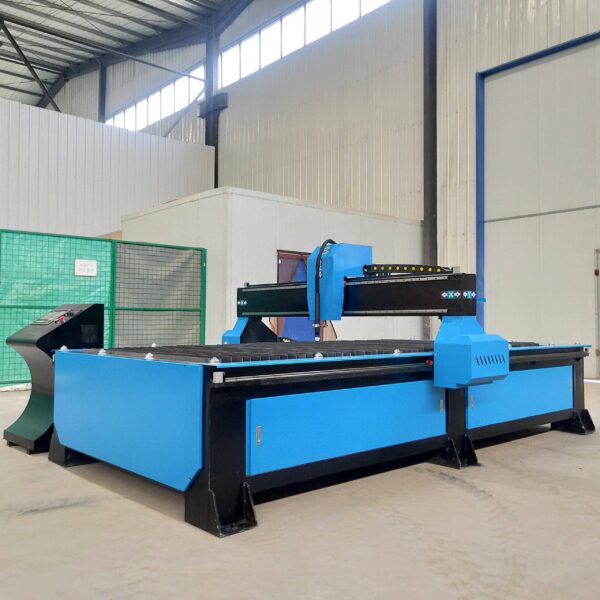
P3015 plasma cutting machine
-

LFP3015 Fiber Laser Cutter
-
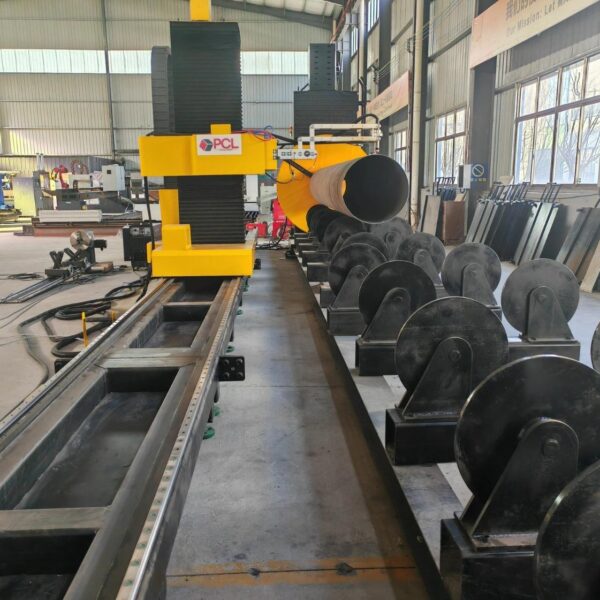
pipe plasma cutting machine
-
LFH 4020 Fiber Laser Cutting Machine
-
LFP4020
-
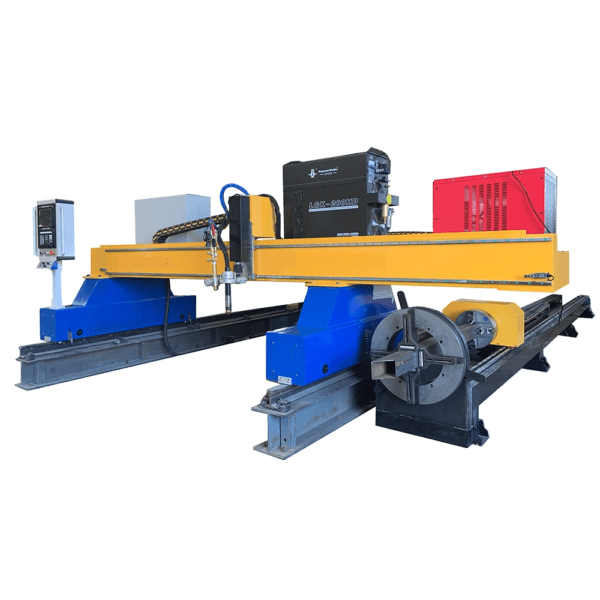
gantry plasma air cutting machine
-
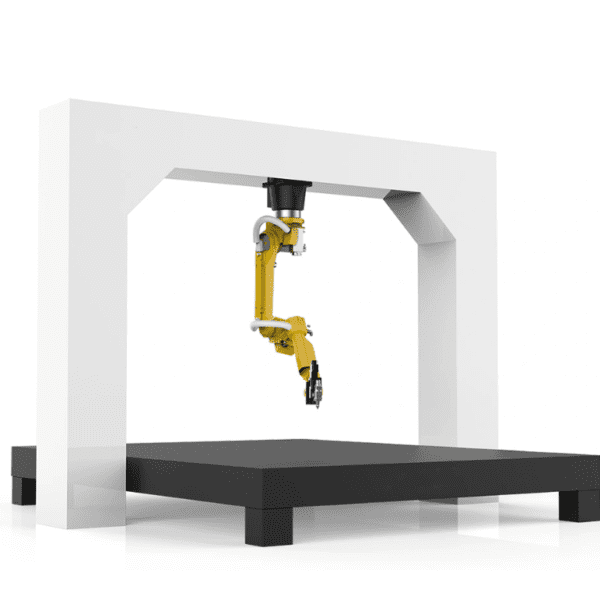
3D robot cutting machine
-
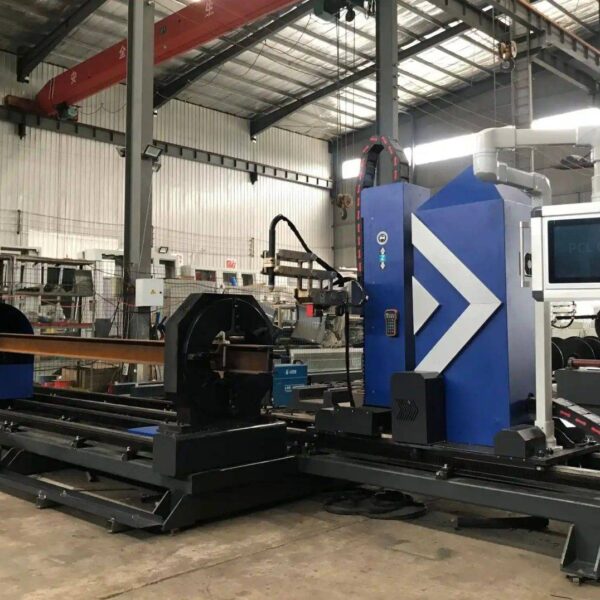
8 axis plasma cutting machine
-
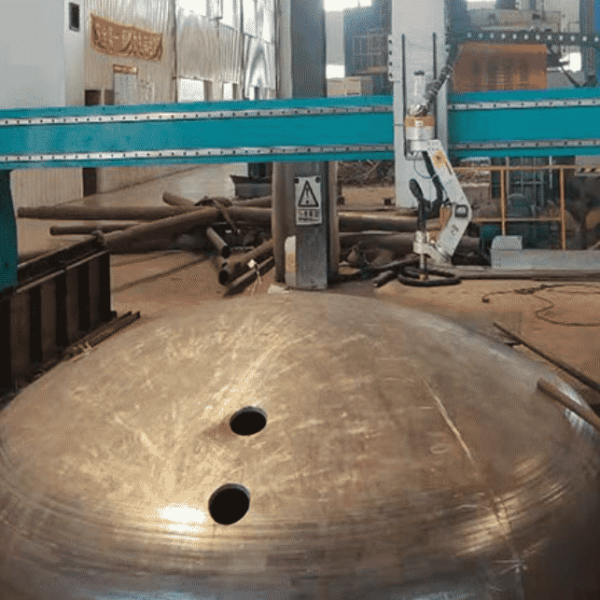
5 axis plasma cutting machine
-

LT360 tube laser cutting machine
-
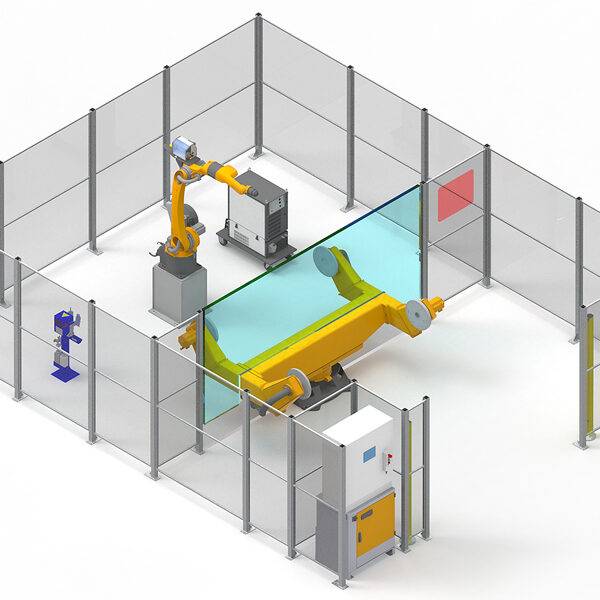
robot welding workstation
-
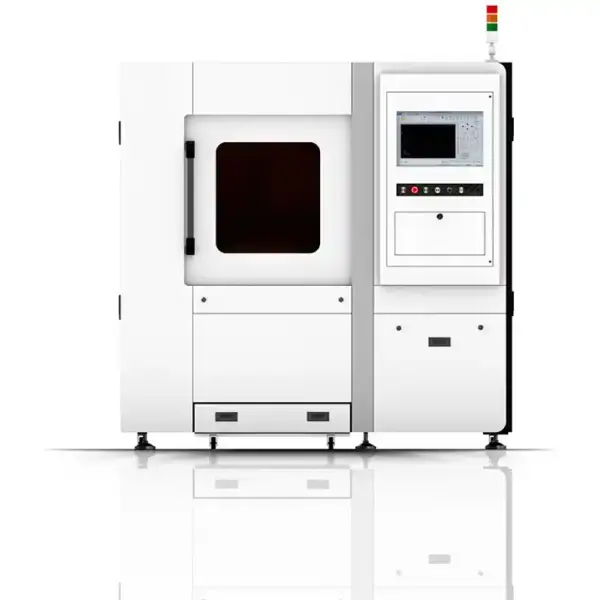
SF6060 fiber laser cutting machine
Advanced Fiber Laser Tube Processing Technology
Our CNC Fiber Laser Tube Cutting systems revolutionize metal fabrication by integrating high-precision cutting, punching, and profiling into a single automated workflow. Designed for versatility, this technology handles a wide array of profiles including Round, Square, Rectangular, and Oval tubes, as well as complex L-shaped and U-shaped channels.
- Precision Punching: High-speed hole punching with micron-level accuracy, eliminating the need for mechanical drilling or die-stamping.
- Complex Profiling: Advanced 3D pathing allows for intricate interlocking joints and specialized notch cuts, ideal for structural frames.
- High Material Efficiency: Intelligent nesting software minimizes scrap, reducing raw material costs across large production runs.
- Clean Finish: Delivers oxide-free, burr-free edges that require zero secondary grinding before welding.

Seamlessly processing multiple profiles with consistent precision.
Global Delivery & Logistics



From our high-tech manufacturing facility directly to your global site. PCL WeldCut ensures secure packaging, professional handling, and reliable international logistics to safeguard your equipment throughout the entire journey.