Field Engineering Report: Implementation of Collaborative Robotics in Stainless Steel Fabrication
Location: São Paulo, Brazil – Industrial Zone (Guarulhos/ABC Region)
1. Executive Summary of Field Operations
The following report details the technical deployment and optimization of a 10kg-payload Cobot Welding Machine within a Tier-2 industrial fabrication facility in São Paulo. The primary objective was to transition a high-mix, low-volume (HMLV) production line from manual GTAW (TIG) to semi-automated GMAW (MIG) using Collaborative Robotics. The focus material was 3.0mm to 6.0mm 304L Stainless Steel welding.
In the São Paulo industrial landscape, where floor space is at a premium and skilled manual welders are increasingly difficult to retain for repetitive tasks, the synergy between human intuition and robotic precision has proven critical. This report bypasses theoretical benefits to focus on wire-feed dynamics, heat-input management, and the practical realities of the Brazilian power grid and shop environment.
2. Technical Integration: The Cobot Welding Machine vs. Hard Automation
Unlike traditional industrial robots that require extensive safety interlocks and light curtains, the Cobot Welding Machine was integrated directly into the existing workflow. In our São Paulo facility, we utilized a six-axis collaborative arm paired with a high-end pulsed-MIG power source.
The technical advantage here is the “lead-through” programming capability. During the first week of deployment, we identified that our senior welders could “teach” the robot the complex torch angles required for stainless steel corner joints in under ten minutes. This is the essence of Collaborative Robotics: the machine handles the steady travel speed and consistent arc length—variables that fluctuate with human fatigue—while the technician oversees the puddle and adjusts parameters in real-time via the pendant.
3. Metallurgy and Parameter Control in Stainless Steel Welding
Stainless Steel welding presents specific challenges, primarily related to thermal conductivity and coefficient of expansion. In São Paulo’s often humid industrial atmosphere, we observed increased sensitivity to hydrogen embrittlement if gas coverage was not absolute.
3.1. Heat Input Management
To prevent the loss of corrosion resistance (sensitization), we utilized a pulsed MIG process. The Cobot Welding Machine was programmed to maintain a travel speed of 450mm/min, which is significantly higher than manual rates. By leveraging the precision of Collaborative Robotics, we reduced the Heat Affected Zone (HAZ) by 35% compared to our manual baseline.
3.2. Shielding Gas and Wire Feed
We standardized on a 98% Argon / 2% CO2 shielding gas mix. A critical lesson learned was the impact of the São Paulo humidity on wire conduits. We transitioned to specialized low-friction liners to prevent “bird-nesting” at the drive rolls, a common failure point when using 0.9mm 308LSi filler wire in collaborative setups where the torch lead is frequently repositioned.
4. The Synergy of Collaborative Robotics in the São Paulo Workshop
The “Custo Brasil” (Brazil Cost) often involves high electricity tariffs and logistical bottlenecks. To counter this, the Cobot Welding Machine was configured for 220V three-phase operation, drawing significantly less peak power than the legacy 400A manual machines.
The synergy between the operator and the Collaborative Robotics system manifested in the “tack-and-weld” workflow. In traditional automation, a dedicated jig-loader is required. In our SP setup, the welder tacks the Stainless Steel welding assembly on Table A, while the Cobot welds on Table B. Because there are no physical cages, the transition is seamless. We recorded a 40% increase in “arc-on” time per shift.
5. Technical Challenges and Solutions (Lessons Learned)
Issue: Voltage Fluctuations
The São Paulo power grid in the ABC region experienced mid-afternoon voltage drops. This caused the Cobot Welding Machine to trigger “Joint Position Error” due to inconsistent power to the servos.
Solution: Installed a dedicated industrial voltage stabilizer and a high-frequency grounding kit. This is a non-negotiable for Collaborative Robotics deployments in older Brazilian industrial sectors.
Issue: Surface Oxidation in Stainless Steel Welding
Initial runs showed “gray” welds, indicating over-heating and poor gas coverage at the end of long seams.
Solution: We utilized the Cobot’s “Look-Ahead” logic to program a gradual crater-fill routine and extended the post-flow gas timer to 5 seconds. The repeatability of the Cobot Welding Machine ensured that every stop-start was identical, something unattainable with the manual workforce over an 8-hour shift.
Issue: TCP (Tool Center Point) Drift
Due to the collaborative nature of the arm, operators frequently bumped the torch while reloading parts.
Solution: We implemented a “Daily TCP Check Station.” At the start of every shift, the operator runs a 30-second routine where the robot touches a fixed point. If the deviation is >0.5mm, the system alerts the supervisor.
6. Productivity Metrics and ROI
After 90 days of operation in the São Paulo facility, the data for Stainless Steel welding is as follows:
- Reject Rate: Dropped from 12% (manual) to 1.5% (Cobot). Most rejects are now due to upstream material prep rather than weld quality.
- Gas Consumption: Reduced by 18% due to optimized pre-flow/post-flow settings and faster travel speeds.
- Labor Allocation: One skilled welder now manages two Cobot Welding Machines, effectively tripling their output without increasing physical strain.
7. Engineering Conclusion
The deployment of Collaborative Robotics for Stainless Steel welding in São Paulo has proven that high-tech automation does not require a “lights-out” factory approach. The Cobot Welding Machine serves as a tool that enhances the artisan’s skill rather than replacing it.
For future installations, the focus must remain on the “Peripheral Infrastructure.” The robot is only as good as the gas quality, the wire feed consistency, and the stability of the local power source. In the context of Brazilian manufacturing, the flexibility of the Cobot allows us to remain competitive against imported goods by slashing our rework costs and stabilizing our production cycles.
8. Site Recommendations
1. Environmental Control: Ensure wire spools are stored in climate-controlled cabinets to prevent surface oxidation before the wire even reaches the Cobot Welding Machine.
2. Staff Training: Continue the “Champ” program, where senior manual welders are trained in “Robot Logic.” This reduces the friction between the workforce and the Collaborative Robotics implementation.
3. Preventative Maintenance: Weekly cleaning of the fan filters on the MIG power source is mandatory due to the local dust levels in the Guarulhos industrial corridor.
Signed,
Senior Welding Engineer
Field Operations – LATAM Division
-
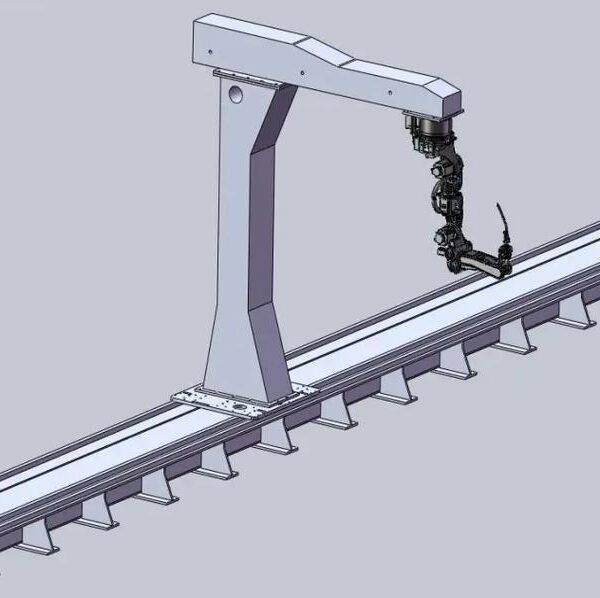

Cantilever Welding Robot solution
-
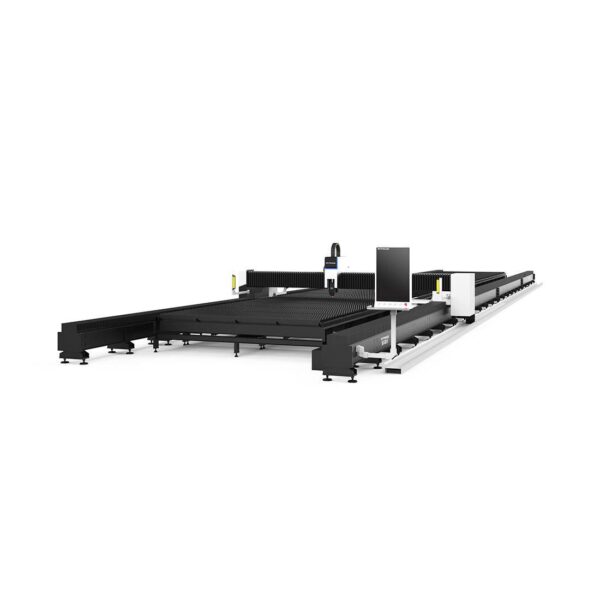

GF laser cutting machine
-
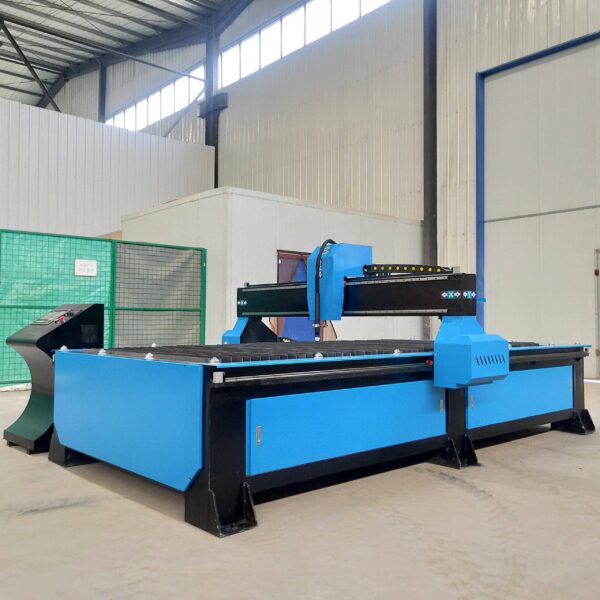
P3015 plasma cutting machine
-

LFP3015 Fiber Laser Cutter
-
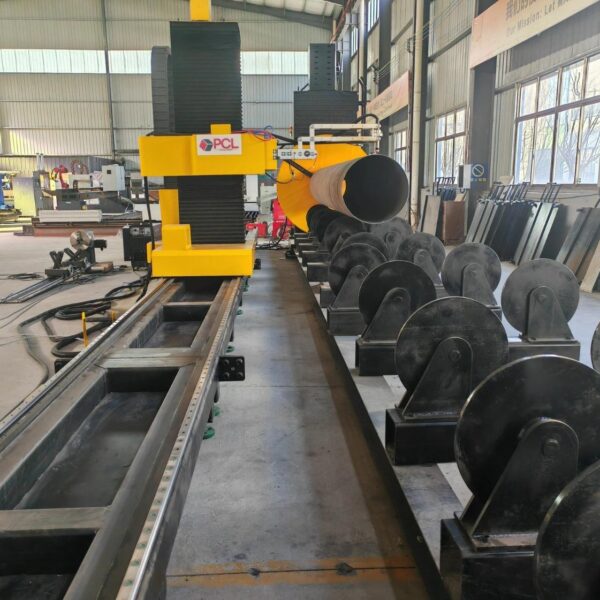
pipe plasma cutting machine
-
LFH 4020 Fiber Laser Cutting Machine
-
LFP4020
-
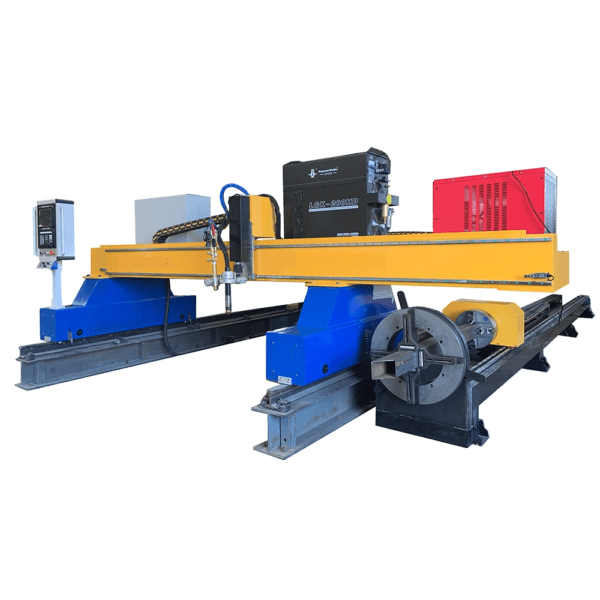
gantry plasma air cutting machine
-
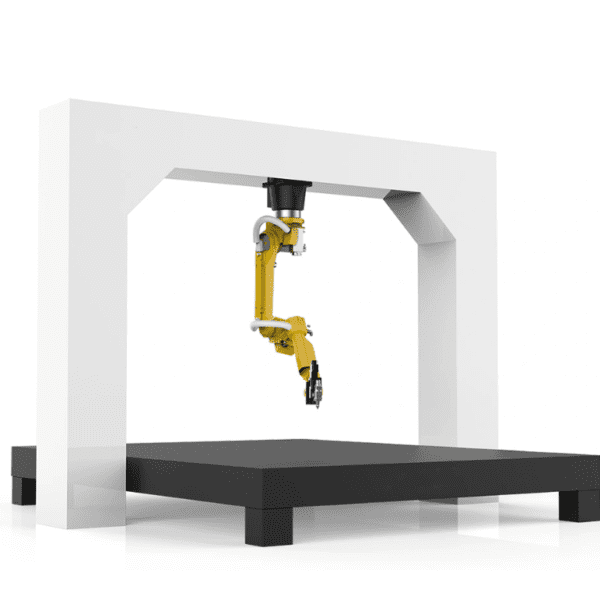
3D robot cutting machine
-
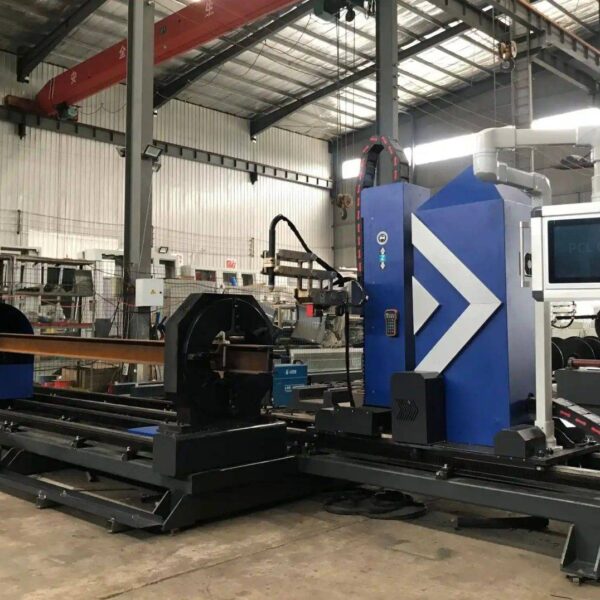
8 axis plasma cutting machine
-
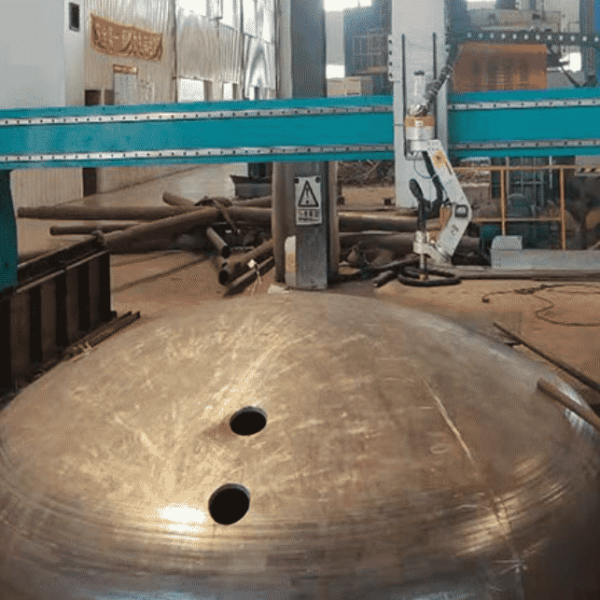
5 axis plasma cutting machine
-

LT360 tube laser cutting machine
-
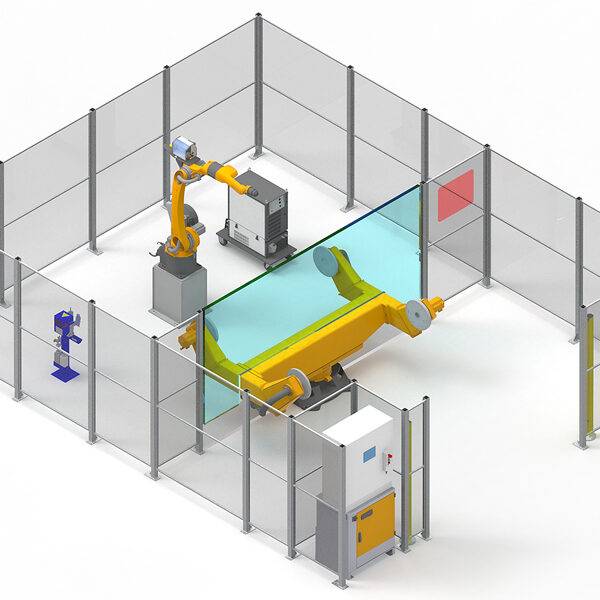
robot welding workstation
-
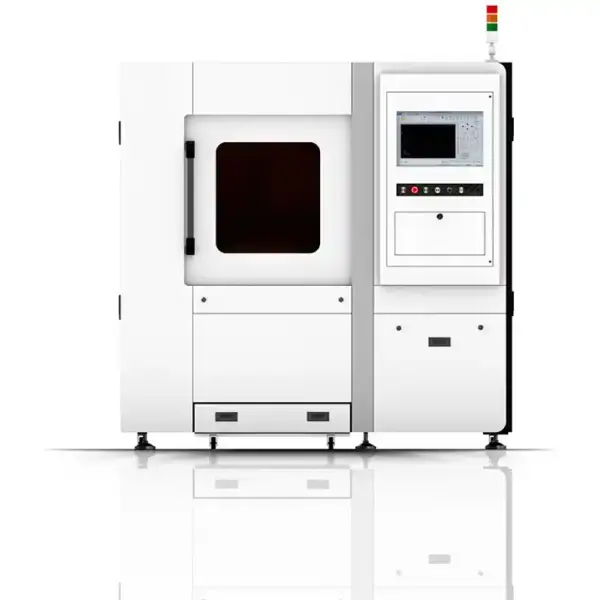
SF6060 fiber laser cutting machine
Advanced Fiber Laser Tube Processing Technology
Our CNC Fiber Laser Tube Cutting systems revolutionize metal fabrication by integrating high-precision cutting, punching, and profiling into a single automated workflow. Designed for versatility, this technology handles a wide array of profiles including Round, Square, Rectangular, and Oval tubes, as well as complex L-shaped and U-shaped channels.
- Precision Punching: High-speed hole punching with micron-level accuracy, eliminating the need for mechanical drilling or die-stamping.
- Complex Profiling: Advanced 3D pathing allows for intricate interlocking joints and specialized notch cuts, ideal for structural frames.
- High Material Efficiency: Intelligent nesting software minimizes scrap, reducing raw material costs across large production runs.
- Clean Finish: Delivers oxide-free, burr-free edges that require zero secondary grinding before welding.

Seamlessly processing multiple profiles with consistent precision.
Global Delivery & Logistics



From our high-tech manufacturing facility directly to your global site. PCL WeldCut ensures secure packaging, professional handling, and reliable international logistics to safeguard your equipment throughout the entire journey.