Field Report: Robotic CMT Integration for Heavy-Duty Carbon Steel Fabrication
1. Project Context and Site Conditions: Hai Phong Industrial Zone
The deployment took place at a Tier-1 automotive structural component facility located in the Dinh Vu Industrial Zone, Hai Phong. This region presents a specific set of environmental challenges for any MIG/MAG Welding Robot. The proximity to the coast results in high ambient humidity (often exceeding 85%) and salinity, both of which are detrimental to Carbon Steel welding if not managed through rigorous Arc Welding Solutions.
Our objective was to transition a critical chassis-component line from manual GMAW to a fully automated precision CMT (Cold Metal Transfer) system. The move was necessitated by inconsistent penetration depths and high rework rates on 4mm to 8mm S355JR carbon steel joints. The integration of a 6-axis MIG/MAG Welding Robot was identified as the only viable path to meet the required throughput of 140 units per shift while maintaining ISO 5817 Level B quality standards.
2. System Synergy: The MIG/MAG Welding Robot and Integrated Arc Welding Solutions
In a precision environment, the MIG/MAG Welding Robot is merely a mechanical manipulator; its effectiveness is entirely dependent on the underlying Arc Welding Solutions. For the Hai Phong site, we utilized a high-speed digital communication interface (EtherCAT) between the robot controller and the CMT power source.
The synergy here is found in the “push-pull” torch technology. Unlike standard MAG processes, the CMT process integrated into our MIG/MAG Welding Robot mechanically retracts the wire when a short circuit occurs. This required the robot’s motion control to be perfectly synchronized with the power source’s droplet detachment phase. In Carbon Steel welding, this synchronization results in a “cold” metal transfer that virtually eliminates spatter, reducing post-weld cleaning time by an estimated 90%.
3. Technical Deep-Dive: Carbon Steel Welding Parameters
The material profile consisted primarily of hot-rolled S355JR carbon steel. While Carbon Steel welding is often viewed as straightforward, the high-duty cycle of a MIG/MAG Welding Robot introduces thermal accumulation issues that manual operators can compensate for intuitively, but robots cannot without specific Arc Welding Solutions.
3.1 Wire and Gas Selection
We utilized an ER70S-6 solid wire (1.2mm diameter). Given the Hai Phong humidity, we implemented a centralized gas delivery system with inline desiccant dryers. The shielding gas was an 82% Argon / 18% CO2 mix. This specific ratio, when paired with the MIG/MAG Welding Robot‘s CMT logic, provided the optimal balance between arc stability and the requisite penetration for structural carbon steel.
3.2 Waveform Optimization
The Arc Welding Solutions deployed included a customized pulsing program. By modulating the current, we achieved a stable keyhole on the root pass of the fillet welds. For the 6mm lap joints, the MIG/MAG Welding Robot was programmed with a slight “weaving” motion (2.5Hz frequency, 1.5mm amplitude) to ensure sidewall fusion, a common failure point in automated Carbon Steel welding when travel speeds exceed 80 cm/min.
4. Addressing Environmental Challenges in Hai Phong
The primary technical hurdle in Hai Phong was “hydrogen-induced cracking” (HIC) and porosity. High humidity introduces moisture into the arc, which dissociates into hydrogen. Our Arc Welding Solutions included a two-stage approach:
1. **Induction Pre-heating:** Integrated at the robot station to maintain a consistent 150°C interpass temperature on the carbon steel workpieces.
2. **Torch Shrouding:** Modified gas nozzles to increase the laminar flow of the shielding gas, preventing the humid ambient air from being sucked into the arc plasma.
These adjustments allowed the MIG/MAG Welding Robot to operate at peak efficiency even during the monsoon season, where standard Carbon Steel welding setups usually see a 15% increase in porosity defects.
5. Performance Metrics and Data Analysis
After 60 days of operation, the data extracted from the MIG/MAG Welding Robot controller indicated a significant shift in production KPIs.
– **Cycle Time:** Reduced from 14 minutes (manual) to 4.2 minutes (robotic).
– **Consumable Efficiency:** 12% reduction in wire waste due to the spatter-free nature of the CMT-based Arc Welding Solutions.
– **Defect Rate:** Dropped from 4.5% to 0.3% on primary structural seams.
The consistency of the MIG/MAG Welding Robot ensured that the “Heat Affected Zone” (HAZ) remained uniform across all batches. This is critical for the long-term fatigue life of the Carbon Steel welding components, particularly those subjected to dynamic loading in automotive applications.
6. Engineering Lessons Learned and Practical Adjustments
Deploying Arc Welding Solutions in a tropical industrial environment like Hai Phong provides several “hard-won” insights that are not found in the equipment manuals.
4.1 Grounding and EMI Issues
The high-frequency start mechanisms in some Arc Welding Solutions can interfere with the robot’s encoders. We discovered that the grounding busbar in the Hai Phong facility was insufficient. We had to implement a dedicated copper earth-stake for the MIG/MAG Welding Robot to prevent “phantom” emergency stops caused by electromagnetic interference during high-amperage Carbon Steel welding cycles.
4.2 Wire Feed Consistency
In Carbon Steel welding, the friction coefficient of the wire increases with humidity. Even with a MIG/MAG Welding Robot, if the wire feeder tension isn’t calibrated weekly, the “push-pull” CMT synchronization will drift. We moved to a “marathon pack” wire delivery system with a ceramic-lined conduit to minimize drag. This simple mechanical fix solved 80% of our arc instability issues.
4.3 Sensor Calibration (Touch Sensing and Thru-Arc)
Due to the thermal expansion of the carbon steel jigs, the MIG/MAG Welding Robot required real-time path correction. We utilized “Thru-Arc Seam Tracking” (TAST). However, TAST’s sensitivity is affected by the CO2 percentage in the gas mix. We had to recalibrate our Arc Welding Solutions to account for the slight variations in gas density caused by the local temperature fluctuations in the workshop (varying from 25°C to 42°C).
7. Conclusion of Field Observations
The successful integration of the MIG/MAG Welding Robot in Hai Phong demonstrates that Carbon Steel welding at scale requires more than just high-end hardware. It requires a localized approach to Arc Welding Solutions that accounts for environmental variables like humidity and power grid stability.
The CMT process, while technically complex to set up, provides a level of control that manual welding cannot replicate. By treating the robot, the power source, and the environment as a single interconnected system, we have established a benchmark for automated manufacturing in the Vietnamese industrial sector. Future deployments will focus on integrating AI-based predictive maintenance to monitor the “health” of the MIG/MAG Welding Robot‘s torch consumables in real-time, further reducing downtime in high-volume Carbon Steel welding environments.
**End of Report.**
**Author:** Senior Welding Engineer, Site Operations.
**Date:** October 2023.
**Location:** Hai Phong, Vietnam.
-
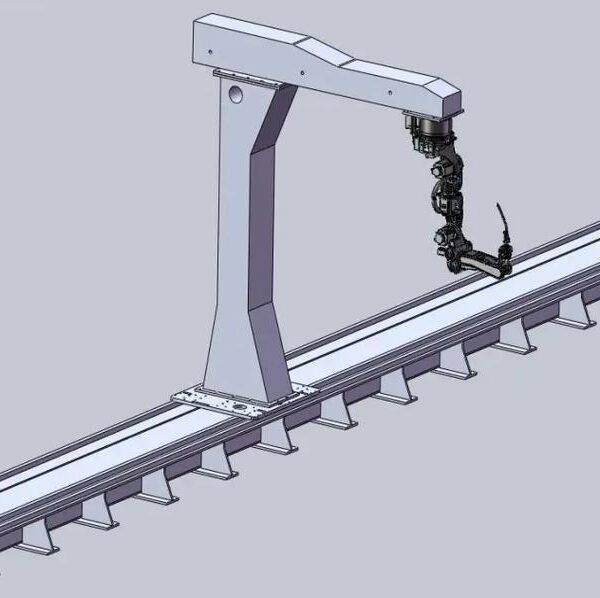

Cantilever Welding Robot solution
-
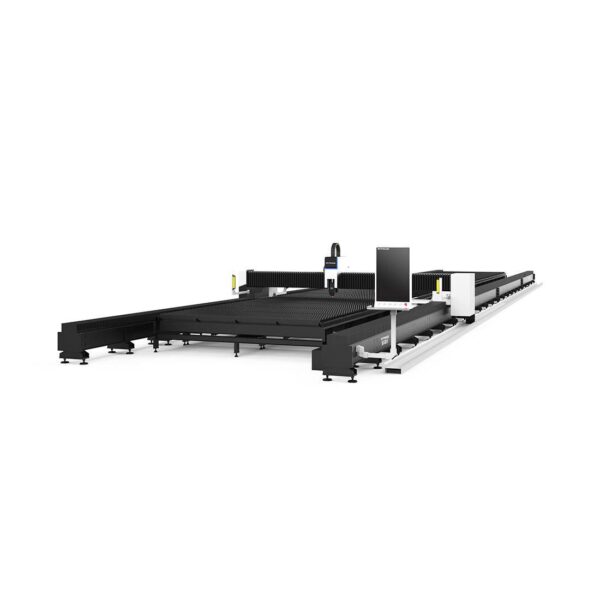

GF laser cutting machine
-
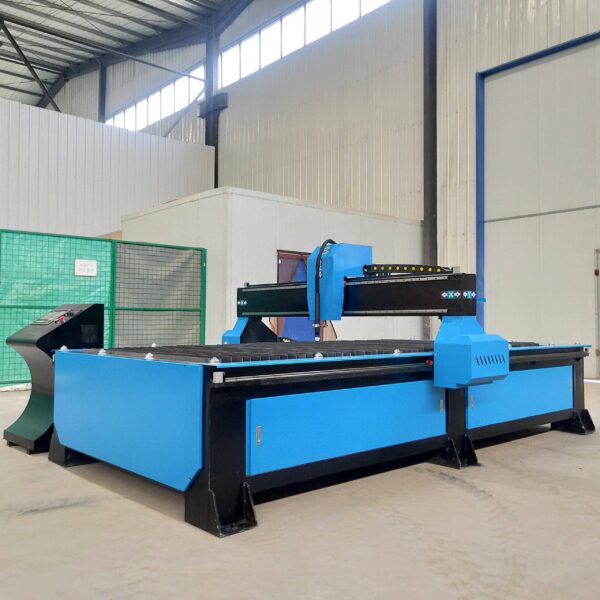
P3015 plasma cutting machine
-

LFP3015 Fiber Laser Cutter
-
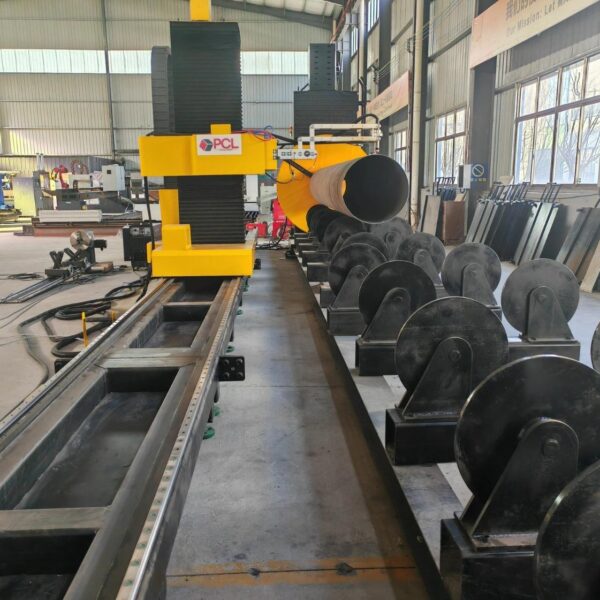
pipe plasma cutting machine
-
LFH 4020 Fiber Laser Cutting Machine
-
LFP4020
-
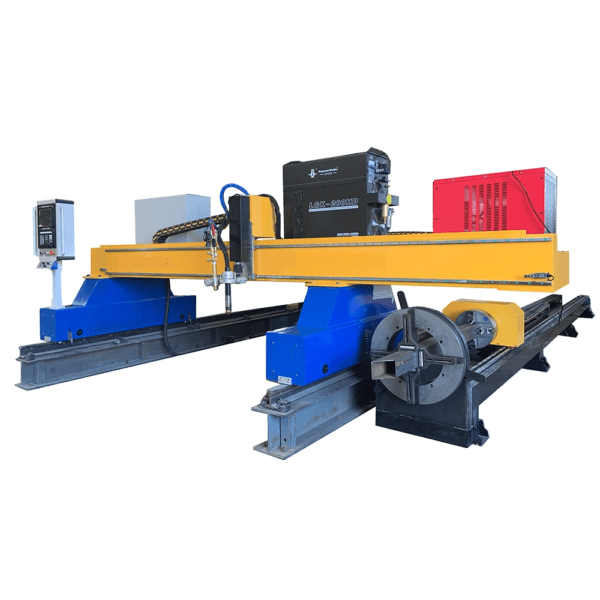
gantry plasma air cutting machine
-
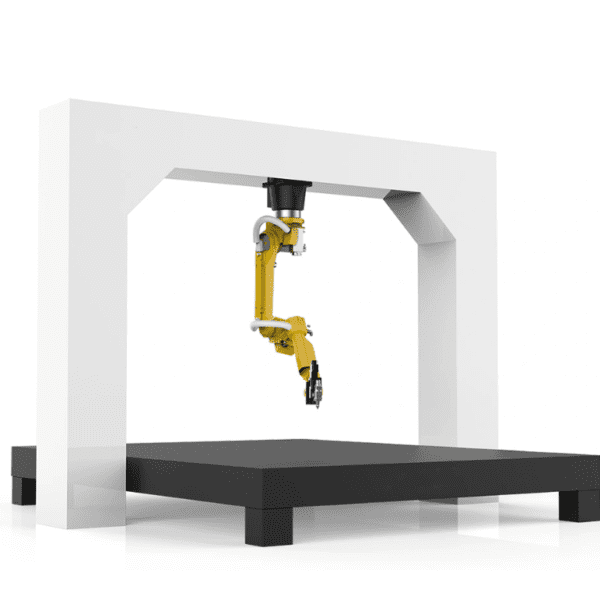
3D robot cutting machine
-
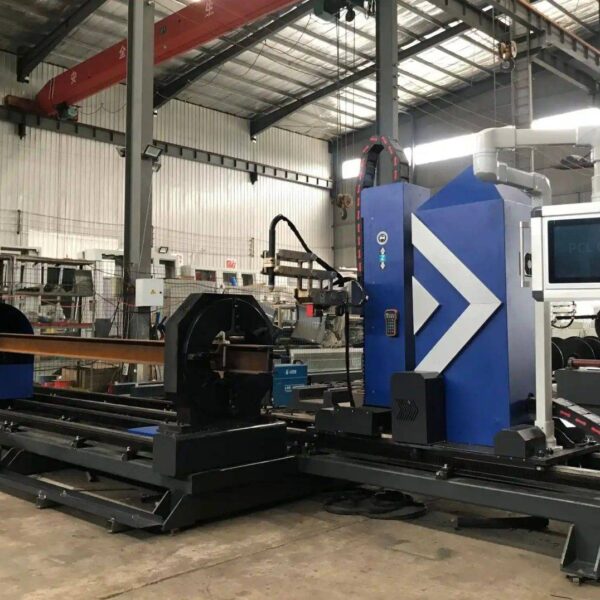
8 axis plasma cutting machine
-
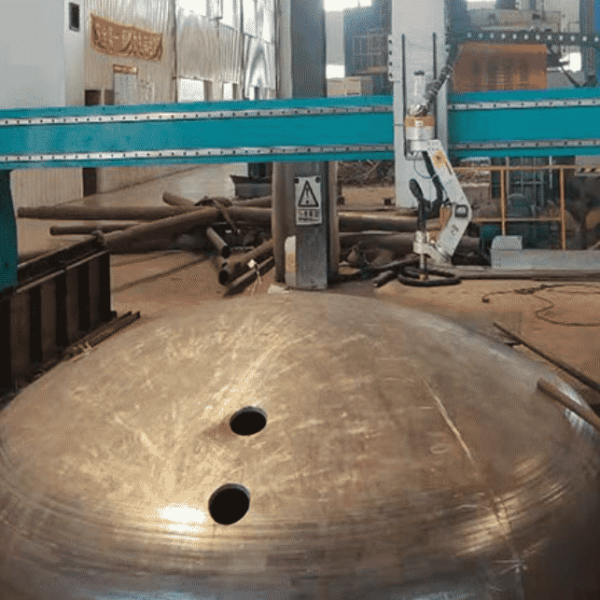
5 axis plasma cutting machine
-

LT360 tube laser cutting machine
-
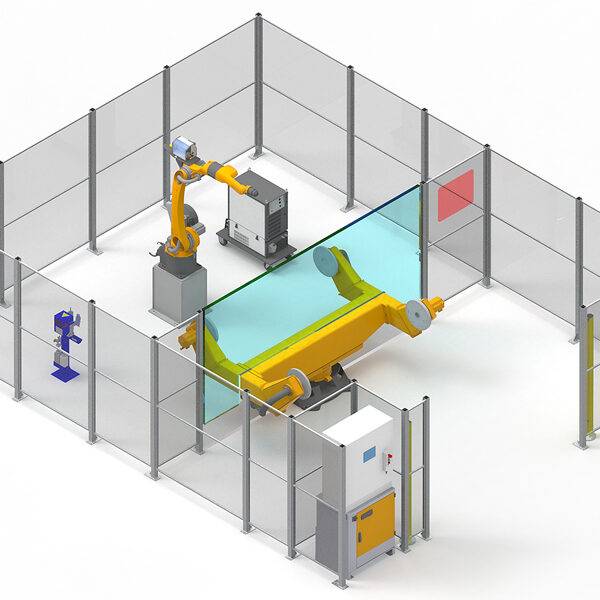
robot welding workstation
-
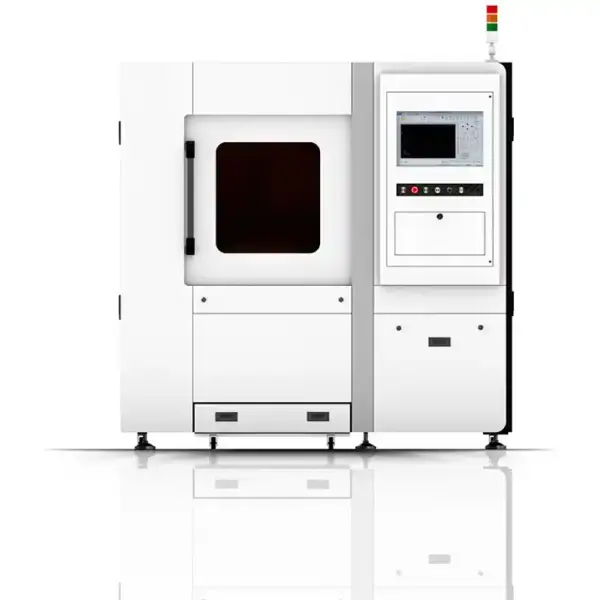
SF6060 fiber laser cutting machine
Advanced Fiber Laser Tube Processing Technology
Our CNC Fiber Laser Tube Cutting systems revolutionize metal fabrication by integrating high-precision cutting, punching, and profiling into a single automated workflow. Designed for versatility, this technology handles a wide array of profiles including Round, Square, Rectangular, and Oval tubes, as well as complex L-shaped and U-shaped channels.
- Precision Punching: High-speed hole punching with micron-level accuracy, eliminating the need for mechanical drilling or die-stamping.
- Complex Profiling: Advanced 3D pathing allows for intricate interlocking joints and specialized notch cuts, ideal for structural frames.
- High Material Efficiency: Intelligent nesting software minimizes scrap, reducing raw material costs across large production runs.
- Clean Finish: Delivers oxide-free, burr-free edges that require zero secondary grinding before welding.

Seamlessly processing multiple profiles with consistent precision.
Global Delivery & Logistics



From our high-tech manufacturing facility directly to your global site. PCL WeldCut ensures secure packaging, professional handling, and reliable international logistics to safeguard your equipment throughout the entire journey.