Field Report: Deployment of Precision CMT Laser Welding Cobot – Bursa Industrial Zone
1. Project Overview and Site Context
This report documents the field implementation and parameter optimization of a Precision CMT Laser Welding Cobot at a Tier-1 automotive and HVAC component manufacturing facility in Bursa, Turkey. Bursa represents a unique industrial ecosystem where high-volume production meets the need for rapid tool-change flexibility. The primary objective was to transition from manual Metal Inert Gas (MIG) welding to an automated solution to handle high-volume Galvanized Pipe welding for structural frames and fluid transfer lines.
The facility faced significant throughput bottlenecks due to the inconsistent quality of manual welds on galvanized substrates. The volatility of zinc coatings often leads to porosity and excessive spatter when using traditional arc processes. By introducing advanced Laser Technology integrated into a collaborative framework, we aimed to stabilize the process while maintaining the agility required for the factory’s diverse product mix.
2. Technical Integration: Laser Technology and the Cobot Framework
The synergy between a Laser Welding Cobot and modern Laser Technology is not merely about replacing a human arm with a robotic one; it is about the high-speed synchronization of energy delivery and spatial positioning. In the Bursa workshop, we deployed a 2kW Fiber Laser source coupled with a 6-axis collaborative arm.
2.1. The Role of Fiber Laser Technology
Standard Laser Technology in this application utilizes a 1070nm wavelength, which provides excellent absorption rates in carbon steel. The high energy density of the laser allows for a keyhole welding mode, significantly narrowing the Heat Affected Zone (HAZ) compared to traditional GMAW (Gas Metal Arc Welding). This is critical in Bursa’s humid industrial environment, where thermal distortion can lead to significant assembly misalignments downstream.
2.2. Collaborative Robotics (The Cobot)
The choice of a Laser Welding Cobot over a traditional industrial robot was driven by floor space constraints and the need for “lead-through” programming. The operators in the Bursa plant are highly skilled in welding but had limited experience in G-code or complex robotics programming. The cobot’s intuitive interface allows a senior welder to manually guide the torch head along the galvanized pipe seam, recording the path and then refining it via the digital twin interface. This bridges the gap between artisanal skill and industrial precision.
3. The Challenge of Galvanized Pipe Welding
Galvanized Pipe welding is notoriously difficult due to the disparity between the melting point of steel (approx. 1500°C) and the boiling point of zinc (approx. 907°C). During the welding process, the zinc coating vaporizes before the steel melts. If the vapor is trapped in the weld pool, it results in macro-porosity and “blow-holes,” compromising the structural integrity of the pipe.
3.1. Mitigating Zinc Vaporization
In our Bursa field tests, we addressed this by utilizing the Laser Welding Cobot’s ability to perform high-frequency “wobble” patterns. By oscillating the laser beam in a circular or “figure-eight” motion at frequencies between 150Hz and 300Hz, we effectively widened the weld pool. This increased “open time” allows the zinc vapors to escape ahead of the solidifying weld bead. Traditional manual welding cannot achieve this level of consistency, leading to the high reject rates we initially observed at this site.
3.2. Gap Management
One lesson learned in the Bursa workshop was the importance of the fit-up gap. We found that a deliberate 0.1mm to 0.2mm gap between the galvanized pipes actually improved weld quality. This micro-gap acts as a chimney, providing a path for the zinc gas to exit. The Laser Welding Cobot was programmed with a laser-seam tracking sensor to maintain the torch’s center-line despite the slight variations in pipe concentricity typical of local raw material suppliers.
4. Synergistic Application in the Bursa Workshop
The integration of Laser Technology within a Laser Welding Cobot system in Bursa’s specific manufacturing climate required a deep dive into the “CMT-like” (Cold Metal Transfer) characteristics of our laser setup. While CMT is traditionally an arc process, our laser system mimics this low-heat-input philosophy by pulsing the fiber laser in sync with the wire feeder.
4.1. Parameter Optimization
We established the following baseline parameters for 2.0mm wall-thickness galvanized pipes:
- Laser Power: 1600W (Continuous Wave with 200Hz Wobble)
- Travel Speed: 1.2 meters per minute
- Wire Feed Speed: 3.5 meters per minute (ER70S-6 wire, 0.8mm diameter)
- Shielding Gas: 100% Argon at 15L/min
These settings resulted in a 40% reduction in cycle time compared to the previous manual TIG/MIG stations. The Laser Technology ensured that the internal coating of the pipe remained largely intact, reducing the risk of internal corrosion—a key requirement for the HVAC pipes produced in this facility.
5. Lessons Learned: Practical Engineering Insights
Transitioning a workshop in Bursa to a Laser Welding Cobot environment yielded several critical “field-won” insights that are rarely covered in technical manuals.
5.1. Fume Extraction is Non-Negotiable
The intensity of the laser beam vaporizes zinc much more aggressively than an arc. In the first 48 hours of testing, the standard workshop ventilation was insufficient. We had to install a high-vacuum extraction nozzle directly integrated onto the cobot’s torch head. Without this, the zinc oxide dust settles on the protective lens of the laser, leading to thermal shift and eventual lens failure.
5.2. Shielding Gas Chemistry
While 100% Argon is the standard for Laser Technology applications, we experimented with an Argon-CO2 mix (95/5). We found that the slight CO2 content stabilized the keyhole during Galvanized Pipe welding, providing a slightly broader bead profile that was more forgiving of the fit-up tolerances found in Bursa’s local supply chain. However, this increased the amount of cleaning required post-weld, so we reverted to Argon with a trailing shield for the final production run.
5.3. Operator Psychology
A significant hurdle was the initial skepticism from the local welding staff. In Bursa’s industrial culture, the “feel” of the weld is highly valued. The transition to a Laser Welding Cobot was successful only after we showed the operators how to use the “wobble” parameters to “push” the weld pool, similar to how they would manipulate a torch manually. Once they realized the cobot was a tool to enhance their capability rather than replace it, adoption rates spiked.
6. Results and Quality Metrics
After three weeks of implementation, the Bursa facility reported the following metrics:
- Reject Rate: Dropped from 12% (manual) to 0.8% (Cobot).
- Post-Weld Cleaning: Reduced by 70% due to the lack of spatter characteristic of the laser process.
- Consumable Savings: 25% reduction in shielding gas usage and 15% reduction in filler wire due to the precision of the laser’s narrow kerf.
7. Conclusion
The deployment of the Laser Welding Cobot in Bursa demonstrates that the marriage of Laser Technology and collaborative robotics is the most viable path forward for complex tasks like Galvanized Pipe welding. The ability to precisely control heat input while maintaining the flexibility of a manual welder allows for a level of production efficiency that was previously unattainable in mid-sized Turkish manufacturing hubs. The success of this project lies not just in the hardware, but in the rigorous calibration of parameters to account for the unique metallurgical challenges of zinc-coated substrates.
Future iterations at this site will focus on integrating AI-driven visual inspection systems directly into the cobot’s feedback loop to provide real-time porosity detection, further cementing Bursa’s position as a leader in advanced manufacturing technology.
-
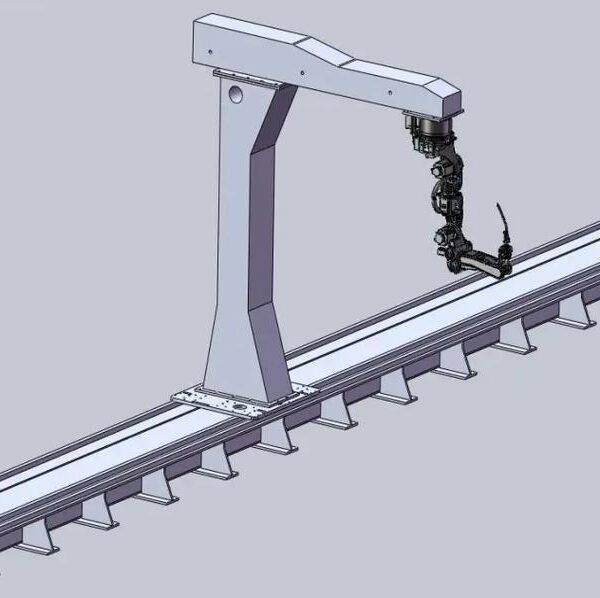

Cantilever Welding Robot solution
-
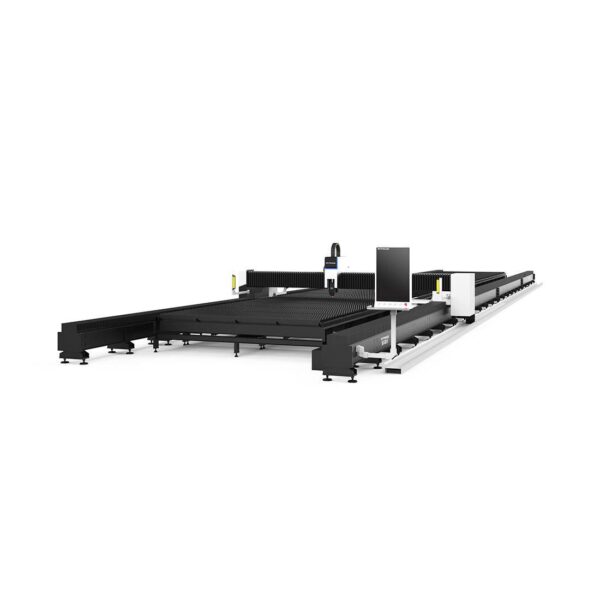

GF laser cutting machine
-
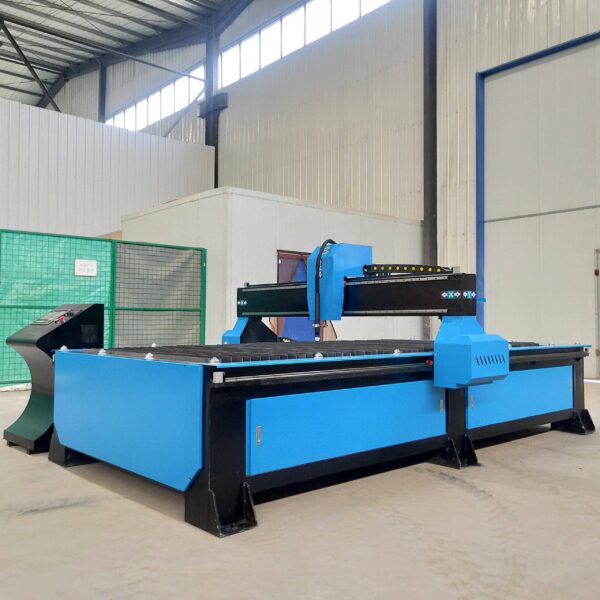
P3015 plasma cutting machine
-

LFP3015 Fiber Laser Cutter
-
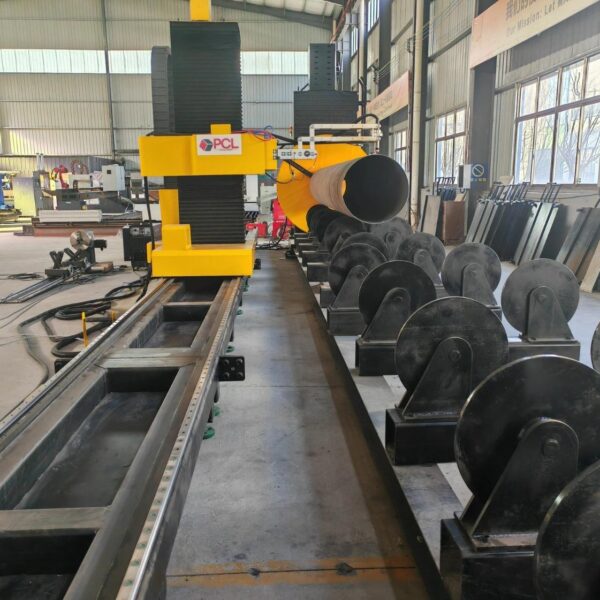
pipe plasma cutting machine
-
LFH 4020 Fiber Laser Cutting Machine
-
LFP4020
-
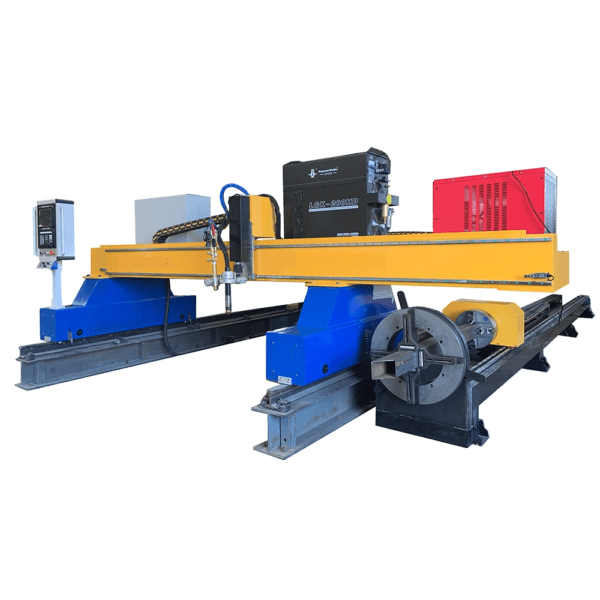
gantry plasma air cutting machine
-
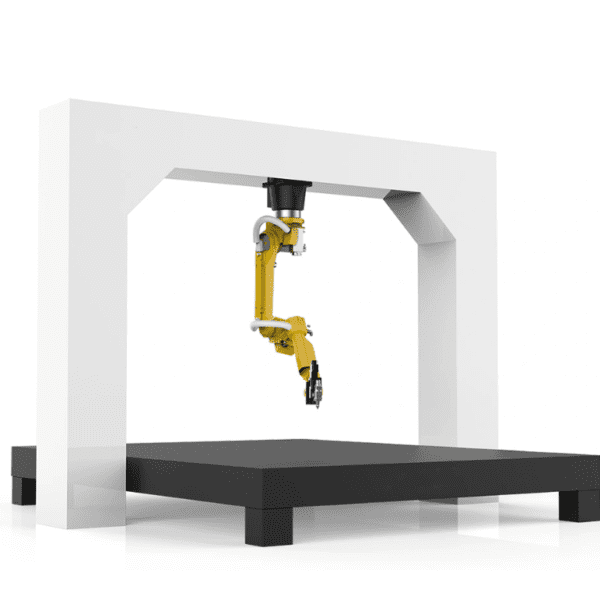
3D robot cutting machine
-
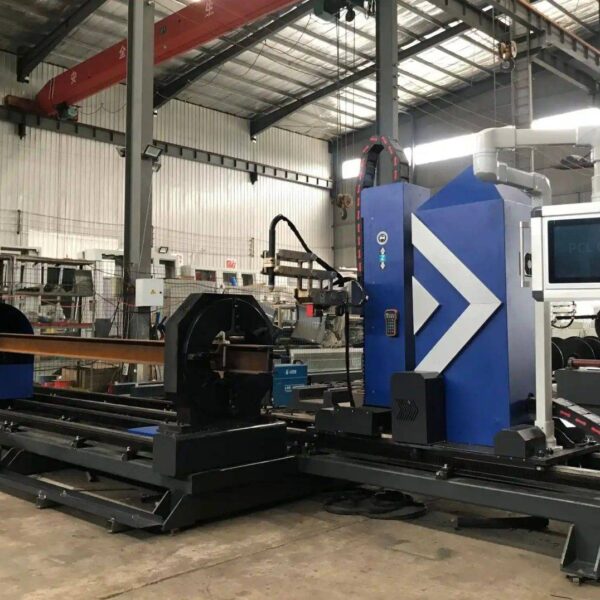
8 axis plasma cutting machine
-
5 axis plasma cutting machine
-

LT360 tube laser cutting machine
-
robot welding workstation
-
SF6060 fiber laser cutting machine
Advanced Fiber Laser Tube Processing Technology
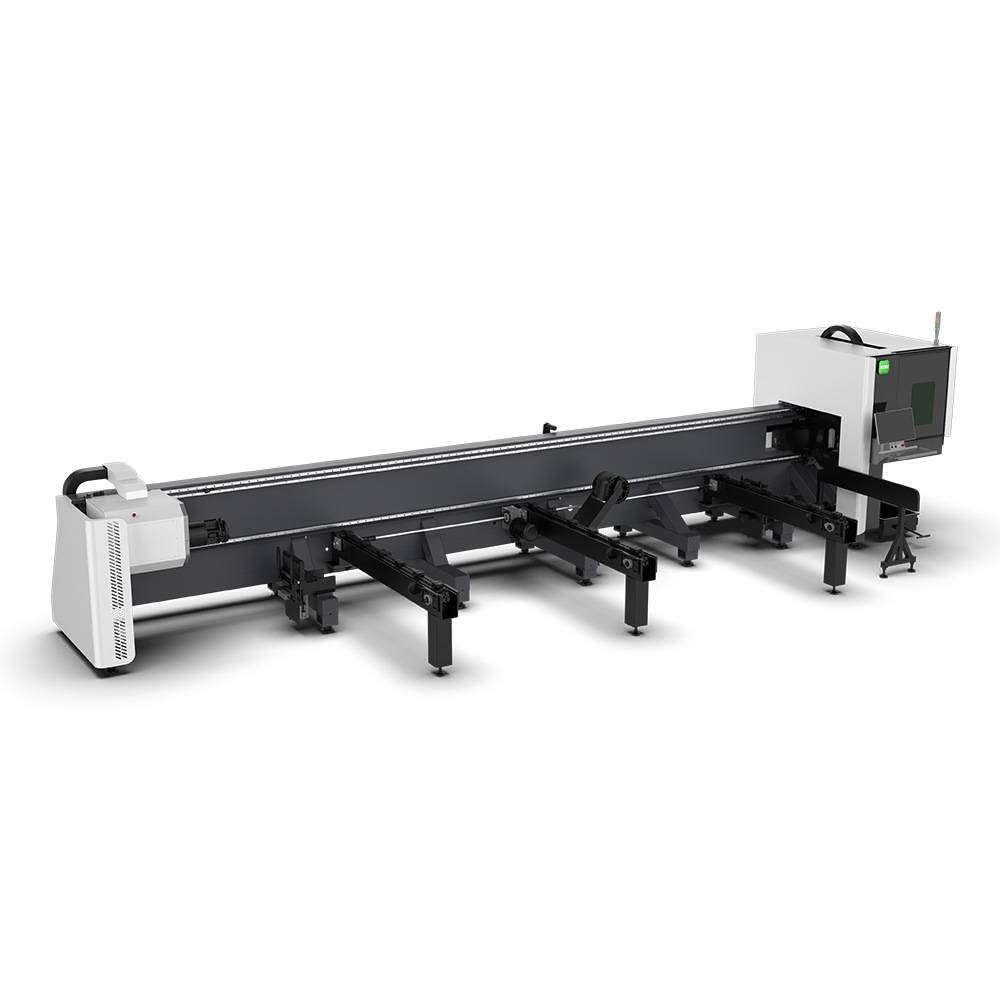
Our CNC Fiber Laser Tube Cutting systems revolutionize metal fabrication by integrating high-precision cutting, punching, and profiling into a single automated workflow. Designed for versatility, this technology handles a wide array of profiles including Round, Square, Rectangular, and Oval tubes, as well as complex L-shaped and U-shaped channels.
- Precision Punching: High-speed hole punching with micron-level accuracy, eliminating the need for mechanical drilling or die-stamping.
- Complex Profiling: Advanced 3D pathing allows for intricate interlocking joints and specialized notch cuts, ideal for structural frames.
- High Material Efficiency: Intelligent nesting software minimizes scrap, reducing raw material costs across large production runs.
- Clean Finish: Delivers oxide-free, burr-free edges that require zero secondary grinding before welding.

Seamlessly processing multiple profiles with consistent precision.
Global Delivery & Logistics



From our high-tech manufacturing facility directly to your global site. PCL WeldCut ensures secure packaging, professional handling, and reliable international logistics to safeguard your equipment throughout the entire journey.